
Dutch oven choices that change the plan
The Dutch Oven Buying works best when the purchase path is explicit. Verify the source, compare the offer against real alternatives, check the total cost, and confirm what happens after payment before you decide. After each comparison, write down the one risk that would change your mind. If the seller, condition, support, warranty, shipping, or upkeep still feels uncertain, resolve that question before moving to checkout.
| Factor | What to check | Why it matters |
|---|---|---|
| Fit | Match the option to the primary use case. | A good deal still fails if it does not fit the job. |
| Condition | Verify age, wear, and service history. | Hidden condition issues erase upfront savings. |
| Cost | Compare purchase price with likely upkeep. | The cheapest option is not always the lowest-cost option. |
Where each option wins
Choosing between cast iron and enameled Dutch ovens comes down to how you cook and what you value most in your kitchen tools. Neither material is objectively superior; they simply excel in different scenarios. The right choice depends on whether you prioritize heat retention and rugged durability or convenience and vibrant presentation.
Uncoated cast iron: The workhorse
Uncoated cast iron is the undisputed champion for high-heat searing and long, slow braising. Its thick walls hold heat incredibly well, making it ideal for dishes like beef stew or cornbread that benefit from steady, intense warmth. It is also nearly indestructible. You can scrub it with steel wool, season it to build a natural non-stick surface, and pass it down through generations without worrying about chipping.
However, it requires maintenance. You must hand-wash and dry it immediately to prevent rust, and you cannot use acidic ingredients like tomato sauce for extended periods without stripping the seasoning. It is heavy and dark, which can make it less suitable for serving directly at the table if you prefer bright, clean aesthetics.
Enameled cast iron: The versatile performer
Enameled cast iron combines the heat retention of cast iron with a glass-like coating that resists acidity and staining. This makes it perfect for simmering acidic dishes like marinara, wine reductions, or citrus-based stews without worrying about metallic flavors or damaging the pot’s surface. The enamel is also non-reactive, meaning you don’t need to maintain a seasoning layer.
The trade-off is fragility. The enamel can chip if dropped or struck against hard surfaces, exposing the iron underneath to rust. It is also more expensive and generally heavier than uncoated options. While it looks beautiful enough to serve directly at the table, it requires gentler handling—avoid thermal shock by not placing a hot pot directly into cold water.
Quick decision guide
| Feature | Uncoated Cast Iron | Enameled Cast Iron |
|---|---|---|
| Best For | Searing, frying, rustic stews | Acidic sauces, braises, baking |
| Maintenance | High (seasoning required) | Low (dishwasher safe) |
| Durability | Indestructible | Can chip if dropped |
| Aesthetics | Dark, rustic | Colorful, glossy |
| Price | Affordable | Premium |
Choosing your Dutch oven
If you cook with acidic ingredients frequently or want a pot that looks good on the table without extra effort, enameled cast iron is the safer bet. If you prioritize maximum heat retention, durability, and don’t mind the upkeep, uncoated cast iron is the better investment.


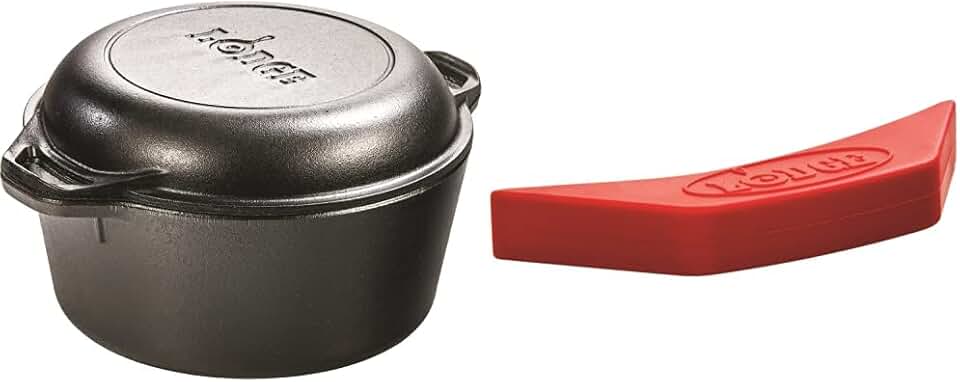
As an Amazon Associate, we may earn from qualifying purchases.
Details worth checking
Before you buy a Dutch oven, look past the brand name and verify the specific model’s limitations. Even top-rated cast iron and enameled options have trade-offs that only matter when you hit them. A mismatch here can mean a ruined finish, a lid that won’t fit, or a pot that’s too heavy to lift.
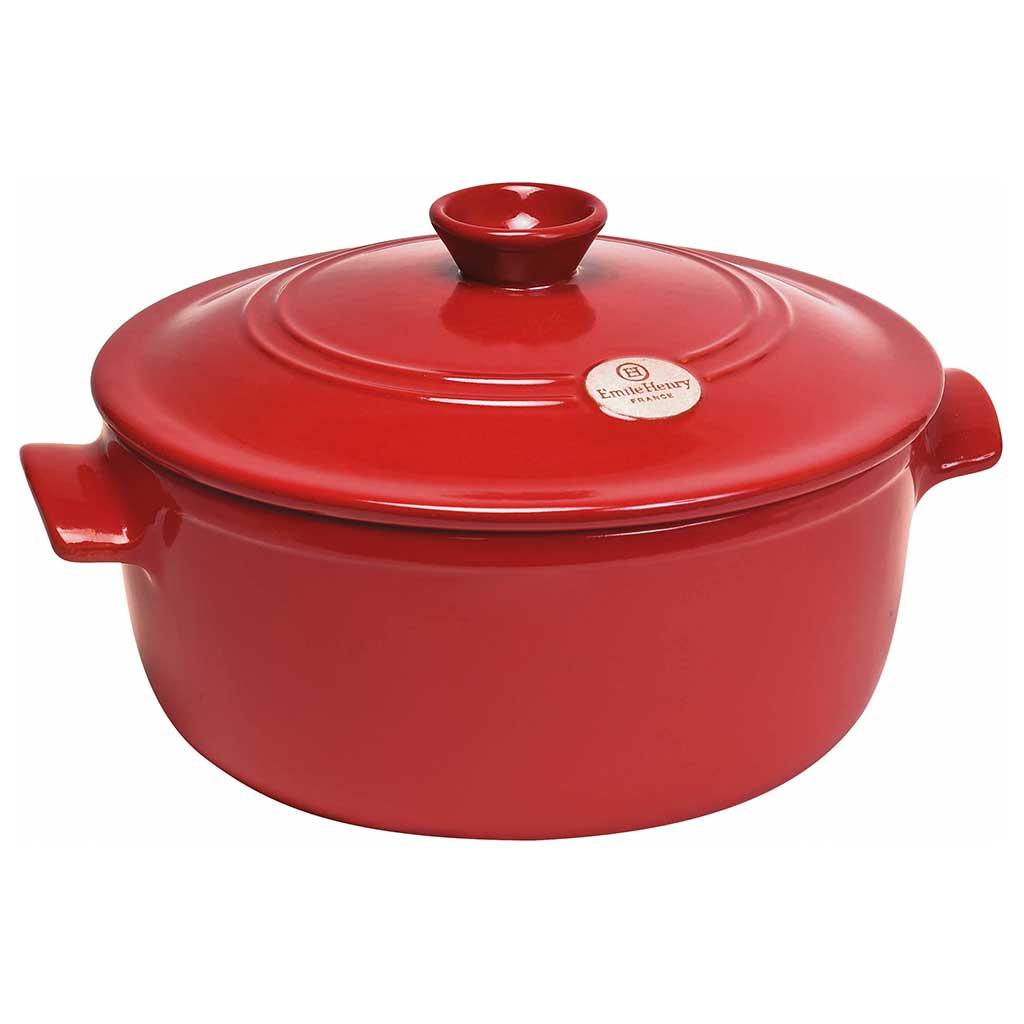
Many enameled Dutch ovens have domed lids designed to circulate moisture. If you buy a replacement lid from a different brand, it likely won’t seal correctly. Always verify that the lid’s diameter and curvature match the pot’s rim exactly, especially for legacy models.
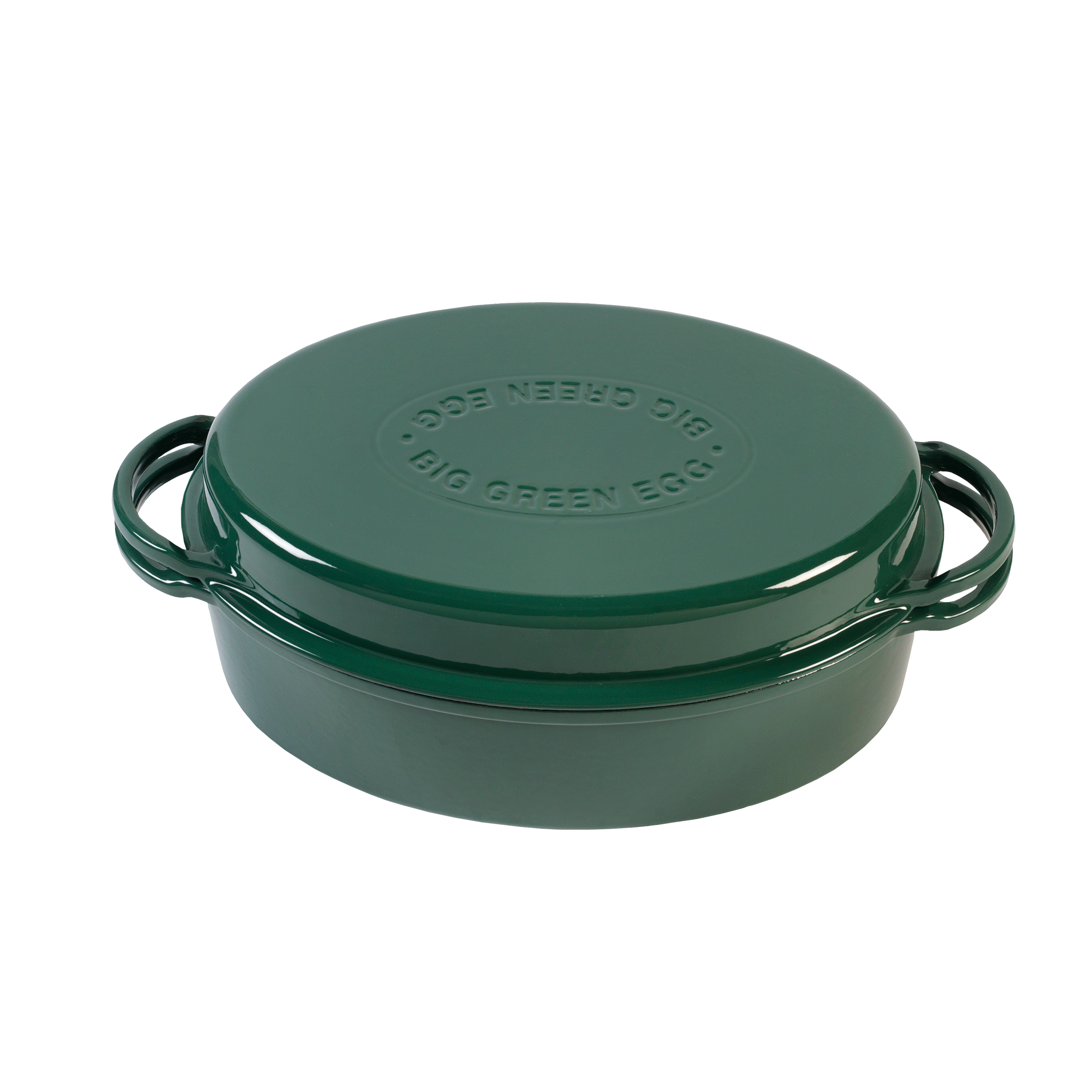
Cast iron handles are generally oven-safe up to 500°F (260°C) or higher. However, enameled pots often have lower limits, typically around 400°F-450°F (204°C-232°C). Check the manufacturer’s manual for the specific enamel rating to avoid cracking the coating during high-heat roasting or broiling.
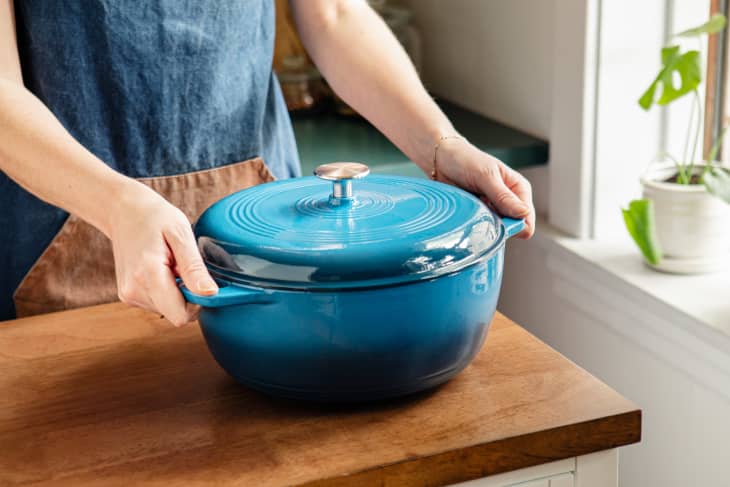
Look closely at the interior enamel for chips, cracks, or thin spots, especially around the rim. Even a small chip can expose the cast iron underneath, leading to rust and potential metal flaking into your food. Return the pot immediately if you spot any imperfections upon arrival.
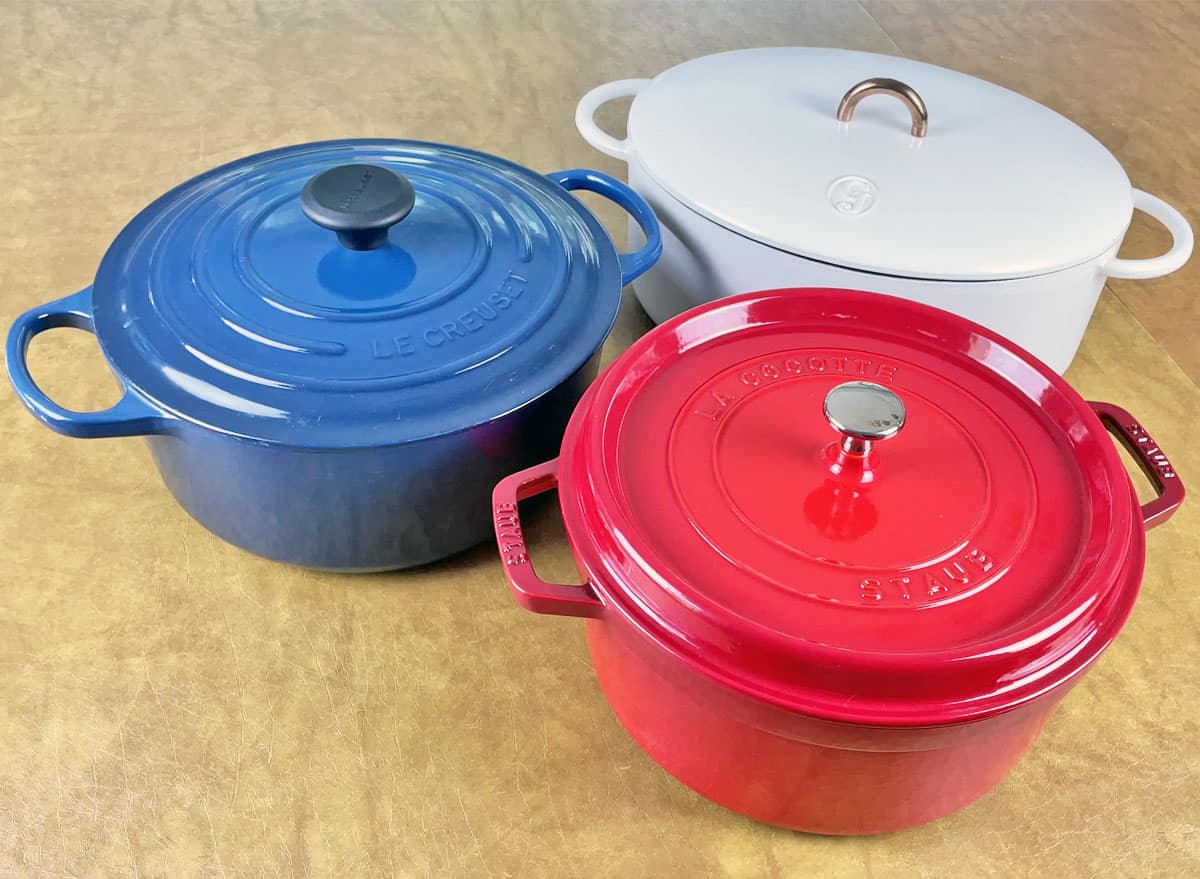
Cast iron handles get just as hot as the pot itself. Ensure the handles are long enough to stay out of the oven’s heat source and that they don’t extend too far past the rim, which can cause them to touch adjacent burners or oven walls. Some models include helper handles on the sides for stability.
Dutch oven: what to check next
Choosing between cast iron and enameled options often comes down to maintenance preferences and budget. Here are the most common questions home chefs ask before buying.
No comments yet. Be the first to share your thoughts!