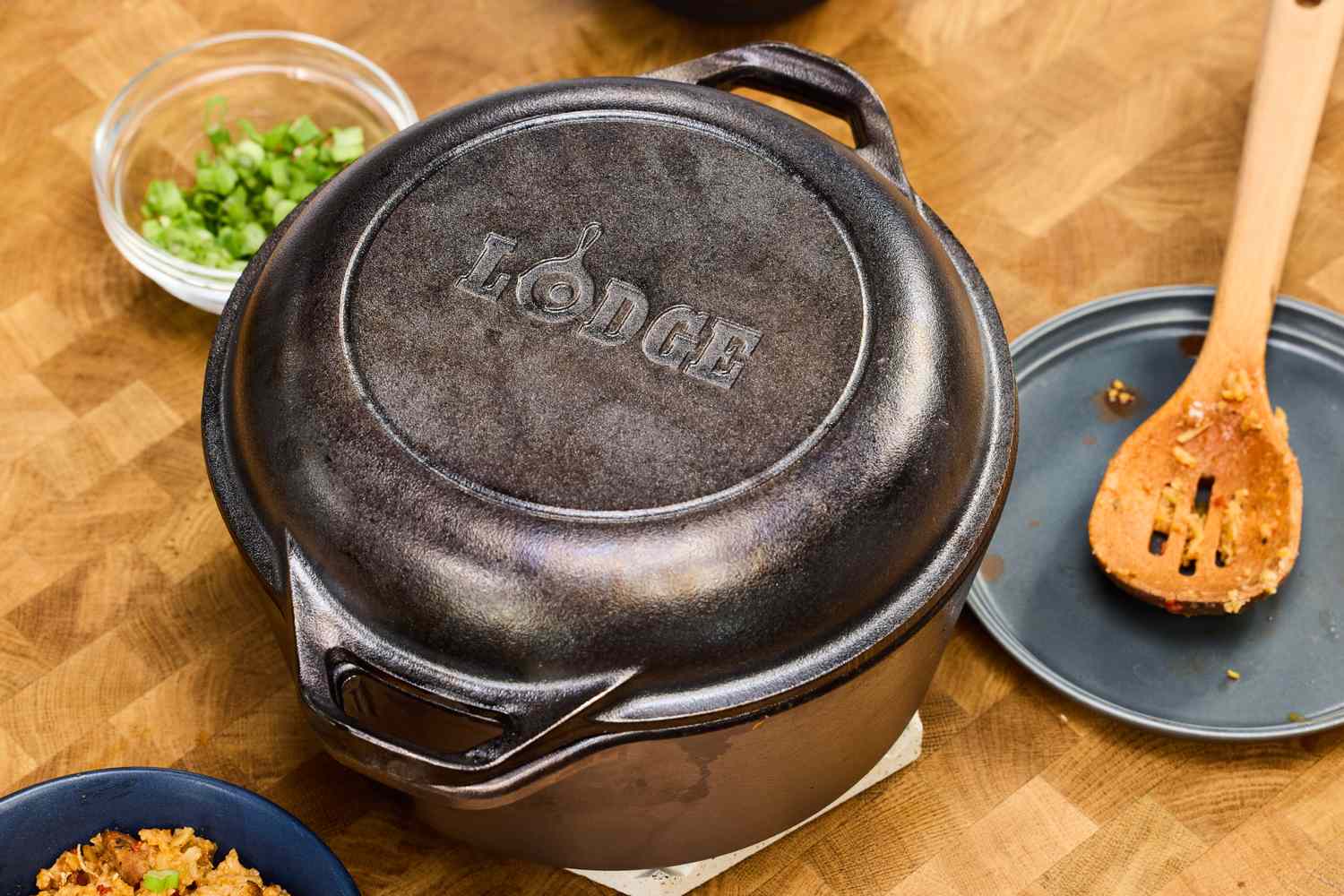
How we picked the best dutch oven
We tested dutch ovens by simmering tomato sauce, baking no-knead bread, and searing chicken thighs to see which pots handled high heat and long cooking times without issue. Our evaluation focused on four main areas: how evenly the pot distributes heat, how well the lid seals in moisture, how heavy the pot feels when lifting, and whether the enamel chips or stains after repeated use.
We looked at consensus from major testing groups like Serious Eats, Wirecutter, and America’s Test Kitchen to identify models that consistently perform well. For example, the Le Creuset 5.5-Quart Round Dutch Oven and the Lodge 6-Quart Essential Enamel were frequently praised for their durability and even heating. We prioritized pots that are easy to clean and handle well, avoiding overly heavy or difficult-to-maintain options.
The goal is to help you find a dutch oven that fits your cooking style and kitchen space, whether you’re a beginner or a seasoned baker. We recommend starting with a 5- to 6-quart size, as it’s versatile enough for most recipes.
Best overall enameled dutch oven: Le Creuset
When it comes to enameled cast iron, the Le Creuset Signature Enameled Cast-Iron 5½-Quart Round French Oven is the gold standard. It consistently tops the lists of top testing organizations, including Wirecutter and Serious Eats, for its balanced weight and superior heat retention. If you are looking for a single pot that handles everything from crusty bread baking to slow-cooked stews, this is the one to buy.
The enamel coating on Le Creuset pots is fired at extremely high temperatures, creating a surface that is incredibly durable and resistant to chipping. This means you don't have to worry about metal utensils scratching it or acidic tomato sauces staining it over time. The tight-fitting lid traps moisture effectively, which is essential for keeping braises tender and preventing your baked goods from drying out. It feels substantial in the hand but isn't so heavy that lifting it out of a hot oven becomes a hazard.
While there are other excellent options like Staub, Le Creuset remains the most recognized name for a reason. The 5.5-quart size is the sweet spot for most households, fitting comfortably in standard ovens while providing enough room for a family meal or a large batch of cookies. It is an investment, but because these pots last for decades, the cost per use drops significantly over time.

As an Amazon Associate, we may earn from qualifying purchases.
Best budget cast iron dutch oven
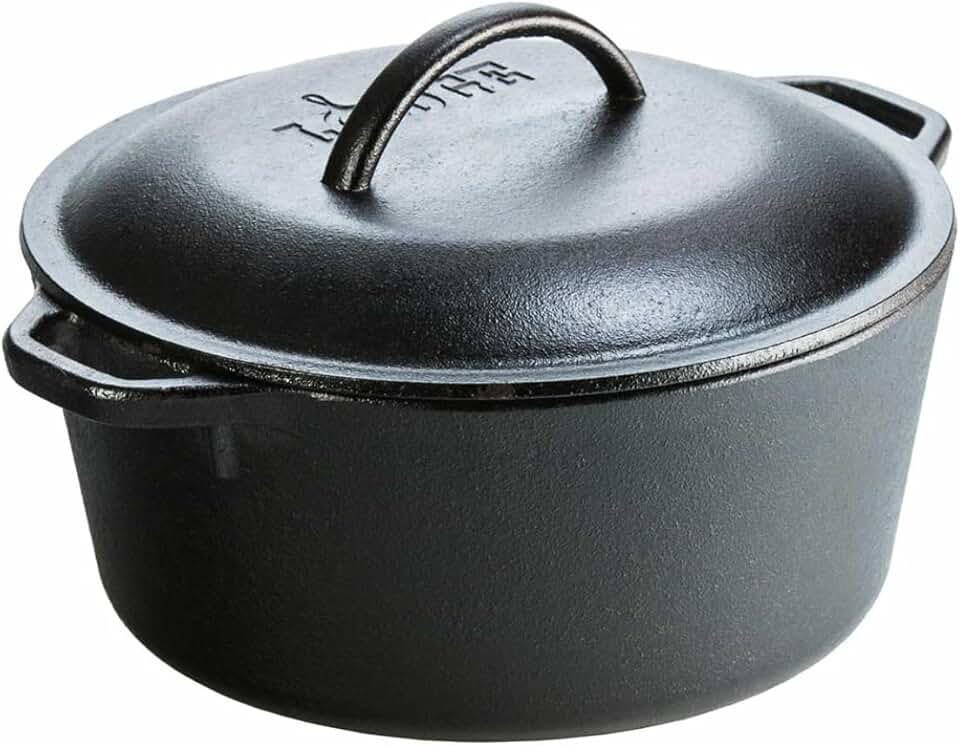
If you are looking for serious cooking performance without the premium price tag, the Lodge Essential Enamel Cast Iron Dutch Oven is the smartest place to start. It offers the durability and heat retention of traditional cast iron but with a glossy enamel finish that makes cleaning much easier for home bakers and casual cooks.
This 6-quart model has earned a strong reputation among reviewers for its versatility. It handles everything from slow-simmered stews to crusty artisan breads with equal ease. The lid is designed to seal in moisture, which is essential for tender braises and consistent baking results. Many users appreciate that it performs reliably day after day, making it a staple in busy kitchens.
Lodge has built its name on making durable, affordable cookware that lasts for decades. The Essential Enamel line brings that same robust construction to a more accessible price point. You get a heavy, heat-retentive pot that distributes temperature evenly, reducing hot spots that can burn delicate sauces or bread crusts.
For those who want to explore other budget-friendly options or compare different sizes, the selection below includes top-rated cast iron pots that deliver great value.


As an Amazon Associate, we may earn from qualifying purchases.
Cast iron vs enameled: which to choose
Choosing between raw cast iron and enameled cast iron comes down to how you like to cook and how much effort you want to put in. Both types heat evenly and retain heat beautifully, but their maintenance and cooking behaviors are quite different.
Raw cast iron is the traditional workhorse. It requires seasoning—a layer of polymerized oil—to create a natural non-stick surface and prevent rust. While it takes some getting used to, a well-seasoned pan becomes incredibly durable and can last generations. It’s also generally more affordable. However, it is reactive to acidic foods like tomato sauce or wine, which can strip the seasoning and leave a metallic taste.
Enameled cast iron features a glass-like coating fused to the metal. This means no seasoning is needed, and you can cook acidic dishes without worry. It’s much easier to clean and doesn’t rust. The trade-off is the price; enameled pots are significantly more expensive. The enamel can also chip if dropped or struck with metal utensils, so it requires a bit more gentle handling.
Here is a quick comparison to help you decide which style fits your kitchen best:
| Feature | Raw Cast Iron | Enameled Cast Iron |
|---|---|---|
| Maintenance | Requires seasoning and oiling | |
| Maintenance | No seasoning needed | |
| Acidic Foods | Not recommended | |
| Acidic Foods | Safe to use | |
| Durability | Nearly indestructible | |
| Durability | Enamel can chip | |
| Price | More affordable | |
| Price | Higher upfront cost |
If you want a low-maintenance pot for braising and baking, an enameled Dutch oven like the Le Creuset 7¼ Quart Round Dutch Oven is a top choice. America’s Test Kitchen praises it for being incredibly durable while remaining the lightest and easiest-to-use enameled option of its size. If you prefer the classic, rugged feel of raw iron and don’t mind the upkeep, a seasoned Lodge cast iron Dutch oven is a reliable, budget-friendly alternative.
What size dutch oven do you need
Choosing the right volume is less about the number on the bottom and more about how you cook. For most households, a 5- to 6-quart model is the sweet spot. It handles family dinners, large batches of chili, and even a decent-sized loaf of sourdough without taking up half your cupboard.
If you are cooking for one or two people, or you live in a kitchen with limited storage, a 4-quart Dutch oven is a practical alternative. It is lighter to lift when full and easier to store, but you will find yourself making smaller batches of stew or roasting a smaller chicken. It is perfect for personal meals or side dishes, but it lacks the versatility for larger gatherings.
For larger families or frequent entertainers, look at 7-quart and up models. These are workhorses designed for big roasts, bulk batch cooking, or feeding a crowd. However, they are heavy and cumbersome for everyday use. Unless you regularly cook for six or more, the extra weight and storage space often outweigh the benefits.
To help you decide, here is a quick guide based on typical household needs:
- 1-2 People: 4-quart round or oval.
- 3-4 People: 5-6 quart round (most versatile).
- 5+ People or Bulk Cooking: 7+ quart round or large oval.
What America's Test Kitchen recommends
If you trust rigorous lab-style testing, America's Test Kitchen has a clear favorite. After decades of evaluating cookware, they still crown the Le Creuset 7¼ Quart Round Dutch Oven as the best option available. Their conclusion isn't just about prestige; it's about performance.
The testers note that this specific size handles simmering, baking, and braising with exceptional ease. They highlight that it is incredibly durable while remaining the lightest and easiest-to-use enameled Dutch oven in its class. For home bakers who want a pot that feels balanced and reliable, this consensus pick offers peace of mind.
No comments yet. Be the first to share your thoughts!