
Top dutch oven picks for 2026
Choosing the right dutch oven depends on what you cook most often. If you want a versatile workhorse that handles everything from searing steaks to baking crusty bread, our top picks cover the best options for every budget.
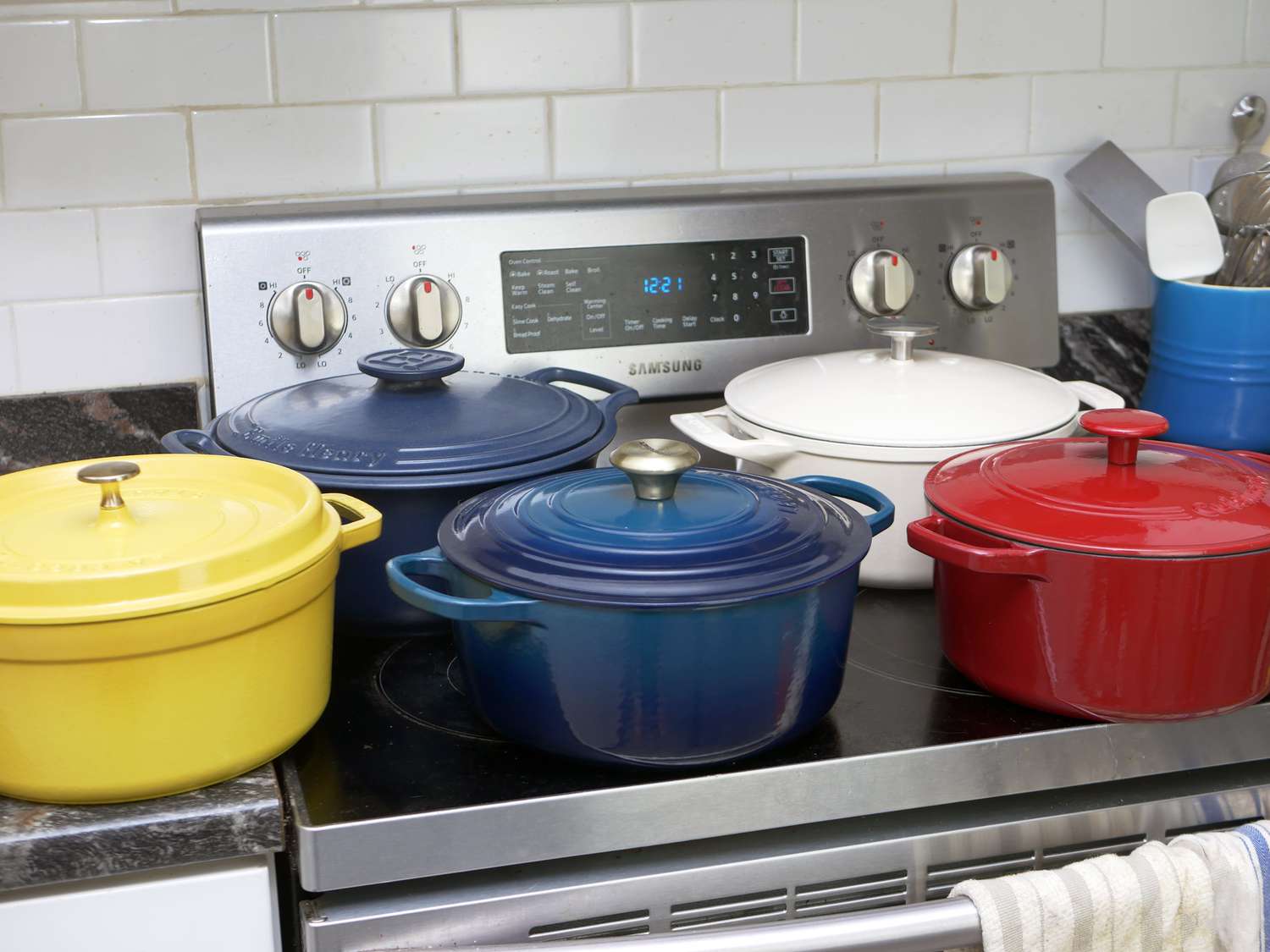
Best overall: Le Creuset Signature Enameled Cast Iron
The Le Creuset 5.5-Quart Round Dutch Oven remains the gold standard for home chefs. It distributes heat evenly and retains it beautifully, making it ideal for slow-cooking stews and braising meats until they fall apart. The enamel coating is incredibly durable and doesn’t require seasoning, so you can cook acidic tomato sauces without worrying about metallic tastes or rust. While it carries a higher price tag, its longevity and performance make it a worthwhile investment for serious cooks.
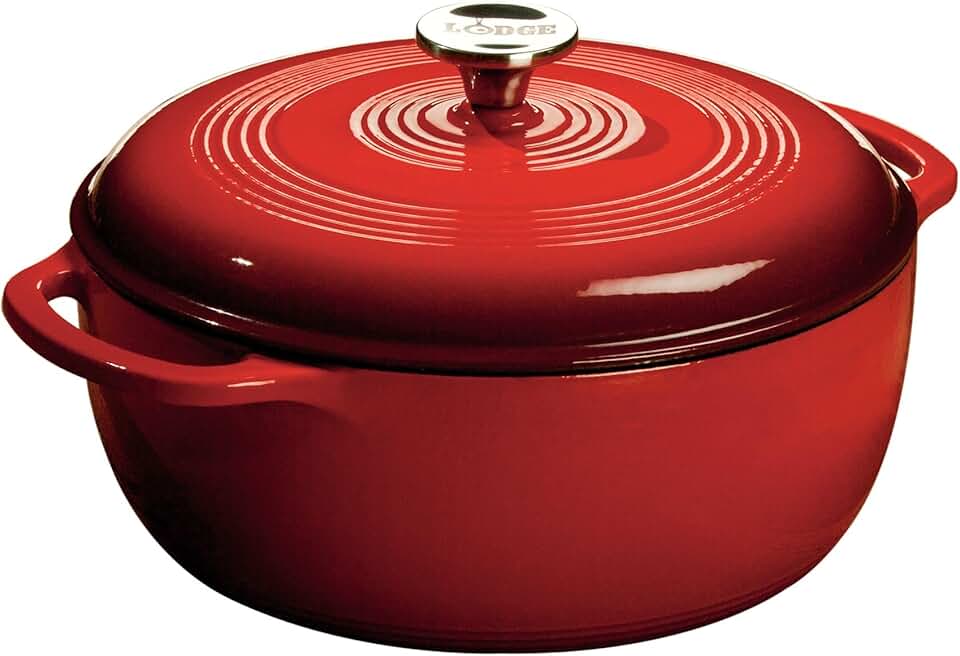
Best budget pick: Lodge 6-Quart Essential Enamel
For those who want cast iron performance without the premium price, the Lodge 6-Quart Essential Enamel is a standout choice. It offers a generous capacity perfect for family-sized meals and batch cooking. The enamel interior provides easy cleanup and versatility, while the heavy cast iron construction ensures consistent heat distribution. It’s a practical, no-nonsense option that delivers reliable results for everyday cooking tasks.
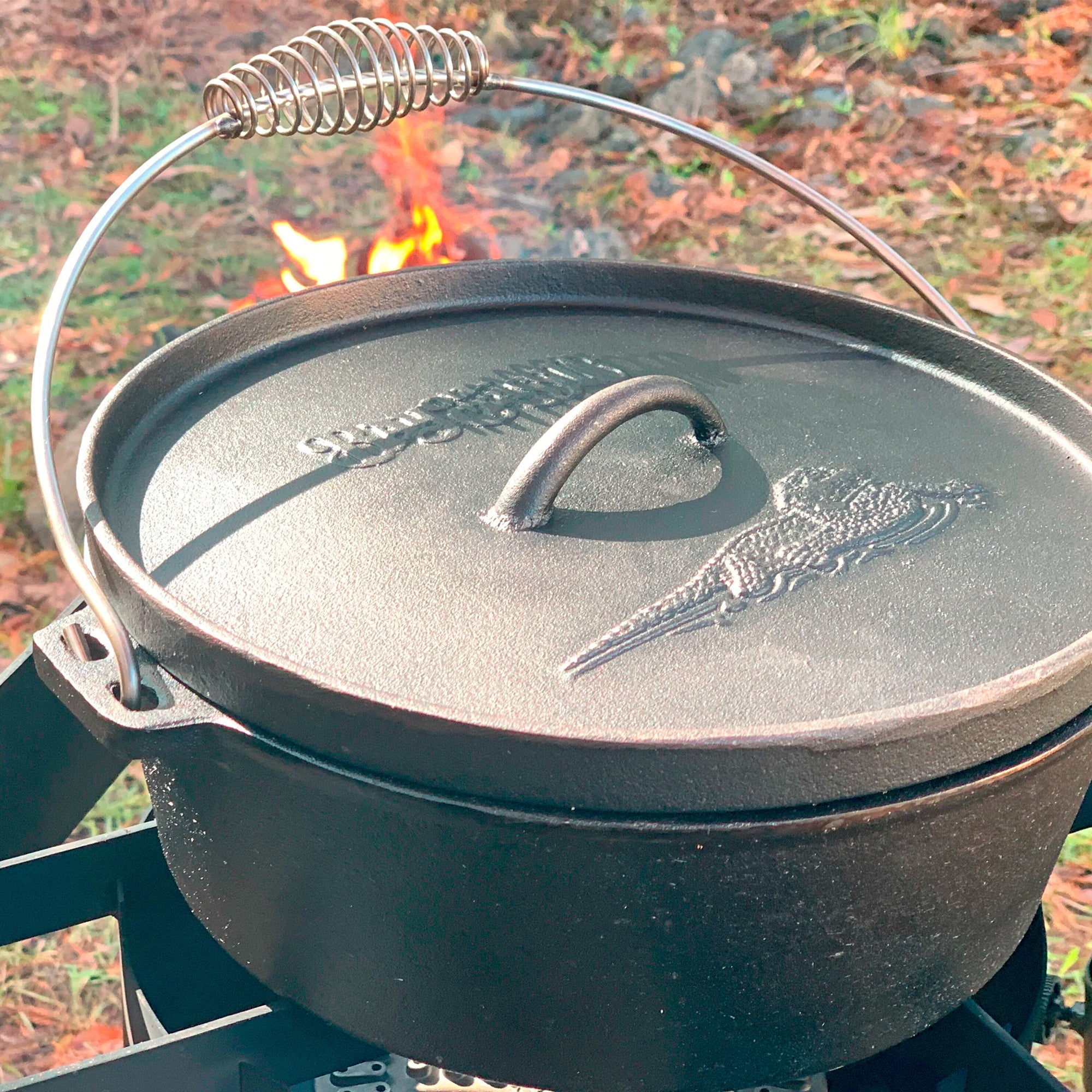
Best budget cast iron: Lodge Cast Iron Dutch Oven
If you prefer traditional bare cast iron, the Lodge Cast Iron Dutch Oven is unmatched for value. It requires seasoning to build a natural non-stick surface, but once broken in, it performs exceptionally well for frying, baking, and open-fire cooking. This heavy-duty pot is virtually indestructible and can last for generations with proper care. It’s the perfect choice for cooks who enjoy the ritual of seasoning and want a pot that can handle high-heat searing.


As an Amazon Associate, we may earn from qualifying purchases.
Cast iron vs enameled dutch oven
The main difference between raw cast iron and enameled cast iron comes down to the coating. Raw cast iron is bare metal that needs seasoning to build a natural nonstick surface. Enameled cast iron has a glass-like layer fused to the metal, which changes how it cooks and how you care for it.
Raw cast iron is the workhorse. It handles extreme heat well, making it perfect for searing steaks or baking crusty bread. However, you have to season it regularly and avoid cooking acidic foods like tomato sauce for long periods, as they can strip the seasoning. It’s heavy, durable, and gets better with age, but it requires a bit of hands-on maintenance.
Enameled cast iron takes the hassle out of cooking. The glass coating doesn’t react with acidic ingredients, so you can simmer tomato sauces or wine braises without worrying about metallic tastes or damaging the pot. It’s also much easier to clean—no scrubbing or oiling required. The trade-off is that the enamel can chip if you drop it or use metal utensils, and it’s generally more expensive.
If you want a versatile pot for everything from braising to baking without the upkeep, enameled is the way to go. If you prioritize heat retention and don’t mind the care routine, raw cast iron is a lifetime investment.
| Feature | Raw Cast Iron | Enameled Cast Iron |
|---|---|---|
| Maintenance | Needs regular seasoning | |
| No seasoning needed | ||
| Acidic Foods | Can react/strip seasoning | |
| Safe for tomatoes/wine | ||
| Durability | Chip-resistant, very tough | |
| Enamel can chip | ||
| Price | Generally cheaper | |
| Usually more expensive |
Which one should you pick?
- Choose raw cast iron if you like the ritual of seasoning and want the best heat retention for searing.
- Choose enameled cast iron if you want low maintenance and plan to cook acidic dishes like stews or sauces.
How we tested dutch ovens
To find the best dutch oven for your kitchen, we put a range of cast iron and enameled models through their paces. We focused on real-world cooking tasks rather than just checking box specs. Our goal was to see which pots handle the daily grind of home cooking with ease.
We started with high-heat searing. We heated each pot on a standard stovetop burner and placed cold steaks inside to see how quickly they recovered heat. A good dutch oven should maintain a steady sizzle without cold spots. We also tested heat distribution by making a simple pan sauce, looking for any uneven browning that might ruin a dish.
Next came the slow stuff. We braised tough cuts of meat for hours to test how well the lids sealed in moisture. A tight seal means tender results; a loose one means dry meat. We also baked crusty loaves of bread inside each pot to evaluate how they handled long, steady oven heat. This step revealed which lids warped and which enamel finishes resisted staining.
Finally, we looked at everyday usability. We washed each pot by hand and in the dishwasher to check for durability. We weighed them to see which ones were easy to lift when full. We also checked how the handles stayed cool on the stovetop. The best dutch oven balances performance with comfort, so we noted which designs felt natural in your hands.
Choosing the right dutch oven size
Picking the right capacity is mostly about matching the pot to your household and your cooking habits. While there are plenty of niche sizes out there, the 5- to 6-quart range is the sweet spot for most home kitchens. It is large enough to handle a Sunday roast or a big batch of chili, yet small enough to fit comfortably on standard stovetop burners and inside most ovens.
If you are cooking for two to four people, a 5- or 5.5-quart pot is usually perfect. This size handles everyday tasks like braising chicken thighs, simmering pasta sauce, or baking a standard loaf of sourdough bread without taking up excessive cabinet space. Le Creuset’s 5.5-quart round oven, for example, is frequently recommended by testers for its ability to sear and stew effectively for a typical family dinner.
For larger families or those who love to meal prep, stepping up to a 7-quart or larger model makes sense. These bigger pots can accommodate a whole chicken or enough stew to last through the week. However, keep in mind that larger pots are heavier and require more fuel to heat up. If you rarely cook for more than four people, a massive 9-quart pot will likely just gather dust.
What America's Test Kitchen recommends
If you are looking for a quick answer to what America's Test Kitchen recommends, they have stuck with one pick for decades. Their top choice is the Le Creuset 7¼ Quart Round Dutch Oven.
"After decades of testing, we still think that the Le Creuset 7¼ Quart Round Dutch Oven is the best Dutch oven on the market. It simmers, bakes, and braises beautifully. It is incredibly durable, while also being the lightest and easiest-to-use enameled Dutch oven of its size."
— America's Test Kitchen
This recommendation isn't just about brand prestige. The 7¼ quart size is their sweet spot for large families or batch cooking. It handles everything from crusty sourdough loaves to hearty beef bourguignon with ease. The enamel coating makes cleanup simple, and the lid design keeps moisture locked in for perfect braises. While it costs more than cast iron alternatives, the durability and consistent heat distribution justify the price for serious home chefs.
Frequently asked: what to check next
We get a lot of questions about keeping your Dutch oven in top shape and choosing the right one for your kitchen. Here are the answers to the most common queries we see from home chefs.
Whether you're braising a pot roast or baking sourdough, a quality dutch oven makes a big difference. Most home cooks find that an enameled model offers the best balance of versatility and ease of care.
No comments yet. Be the first to share your thoughts!