
Sourdough & Dutch Ovens: A Perfect Pair
For sourdough baking, a Dutch oven isn’t just a nice-to-have; it’s arguably essential. The combination creates a uniquely beautiful loaf, boasting a crisp, blistered crust and an incredibly open, airy crumb. This isn't magic, it’s science – and the Dutch oven is perfectly suited to facilitate it.
Dutch ovens have a long history. According to research from Utah State University Extension, these heavy cooking pots, typically cast iron, have been used for centuries. Pioneers relied on them for cooking across the American West (digitalcommons.usu.edu). Their versatility is legendary; you can bake, stew, fry, and roast in them.
What sets the Dutch oven apart for bread is its ability to trap steam. When you bake with the lid on, the moisture released from the dough is contained, creating a humid environment. This delays crust formation, allowing the bread to expand fully before setting. This is something a standard oven simply can't replicate as effectively.
The even heat distribution and exceptional heat retention of cast iron further contribute to a superior bake. No hot spots mean consistent coloring and a thoroughly cooked interior. It really does change the game for home bakers aiming for professional-quality sourdough.
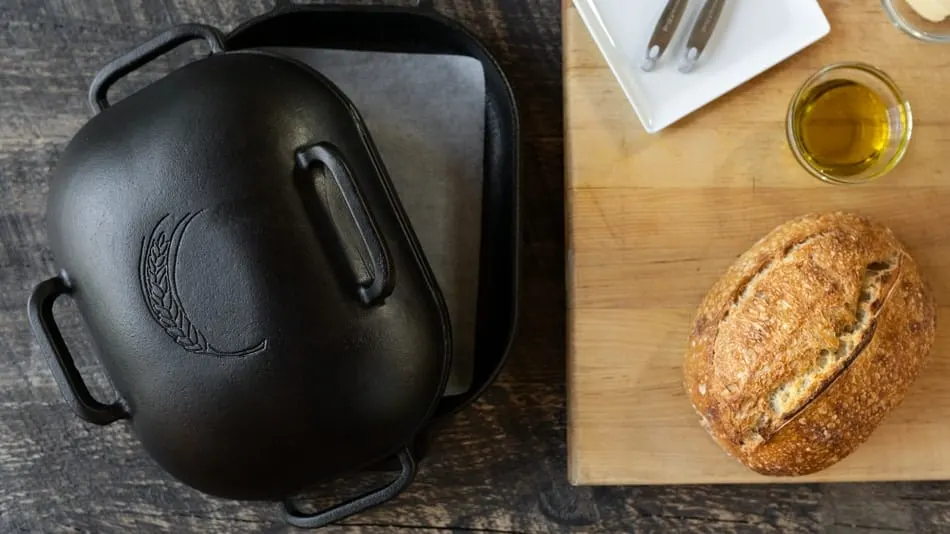
Key Dutch Oven Features for Bread
When choosing a Dutch oven for sourdough, some features matter more than others. Here’s what to look for.
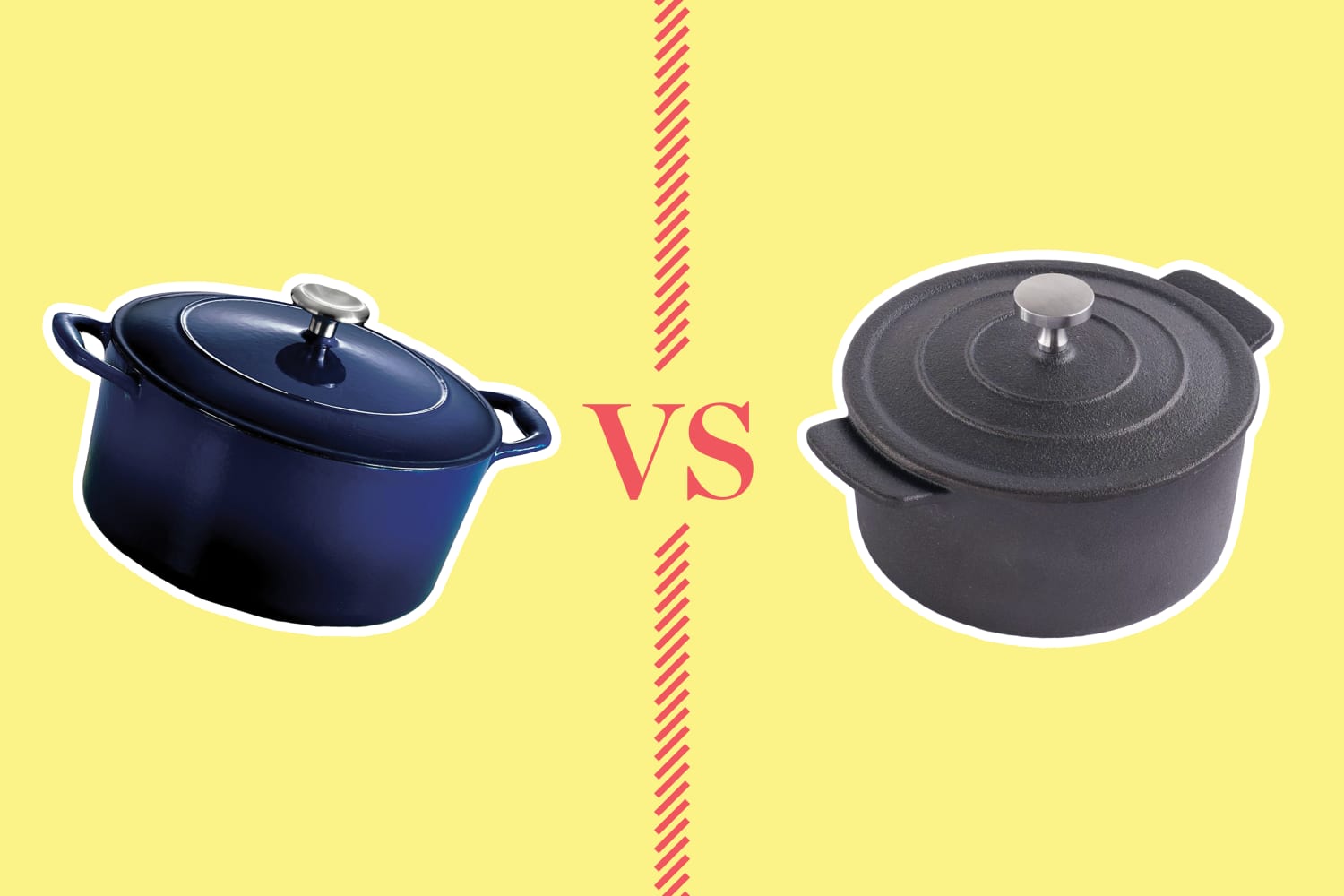
Cast iron is the most common material. Bare cast iron needs seasoning to prevent rust and sticking, but it holds heat well. Enameled cast iron is easier to care for, resists rust, and needs no seasoning, though it can chip if dropped.
A tight-fitting lid is crucial for trapping steam. Domed lids offer more room for the loaf to rise, which is great for taller sourdoughs. Flat lids work too, especially for smaller loaves. Watch out for the knob material; metal ones get very hot.
A 5-quart Dutch oven works for smaller loaves. A 6-quart or larger pot gives more room for bigger loaves and better oven spring. Think about how much bread you usually bake.
Thicker walls mean more even heat and better retention, which is key for consistent baking temperatures. Heavier Dutch ovens often bake better but are harder to lift when hot.
Top 7 Dutch Ovens for Sourdough (2026)
Here are seven great Dutch ovens for sourdough. Prices are approximate as of late 2025.
Lodge 6-Quart Cast Iron Dutch Oven ($70-$100): This is a classic for good reason. Lodge offers great value. It comes pre-seasoned and its excellent heat retention is perfect for sourdough. The interior can be a bit rough, so use parchment paper to prevent sticking. It's a reliable workhorse.
Staub 5.5-Quart Round Dutch Oven ($300-$450): Staub is known for its enameled cast iron. The black matte enamel interior helps with browning and reduces sticking. Its self-basting lid, with concentric rings, returns moisture to the dough for a crisp crust. It's an investment many serious bakers love.
Le Creuset 5.5-Quart Round Dutch Oven ($350-$500): This is another premium enameled cast iron choice. Le Creuset comes in many colors and is known for durability and even heating. It performs similarly to Staub but costs a bit more. The smooth enamel cleans easily.
Cuisinart 7-Quart Cast Iron Dutch Oven ($100-$150): This is a good mid-range option that performs well without the high price. It's heavier than some others, but the large size is great for bigger loaves. It needs seasoning and might not retain heat as well as Staub or Le Creuset.
Amazon Basics 6-Quart Enameled Cast Iron Dutch Oven ($60-$80): This is a surprisingly capable option for the price. Amazon Basics offers an affordable enameled Dutch oven that works well for basic sourdough. It's not as polished as pricier models, but it's a good starting point for beginners. The enamel can chip if handled roughly.
Victoria Cast Iron 6-Quart Dutch Oven ($150-$200): Victoria is becoming popular for its well-made cast iron at a good price. Their Dutch ovens have smooth interiors and excellent heat retention. It competes well with Lodge, offering a more refined finish. It needs seasoning, but takes to it well.
Brabantia 6.3-Quart Cast Iron Dutch Oven ($200-$250): Brabantia is better known for kitchen accessories, but their Dutch oven performs well. It's praised for comfortable handles and a well-fitting lid. It's a good choice if you want something a bit different. It needs seasoning.
Enameled vs. Bare Cast Iron: Which Wins?
Choosing between enameled and bare cast iron for sourdough involves weighing their pros and cons.
Bare cast iron needs seasoning, which involves baking oil into the iron to create a non-stick surface and prevent rust. This needs regular upkeep. A well-seasoned bare cast iron pot can add a subtle flavor to the crust that some bakers like. It also offers superior heat retention.
Enameled cast iron needs no seasoning and cleans easily. It's non-reactive, so it won't interact with sourdough's acids, which some believe could affect flavor. However, the enamel can chip if dropped or exposed to sudden temperature changes.
Here's a quick comparison:
| Feature | Bare Cast Iron | Enameled Cast Iron | |-------------------|-----------------|--------------------| | Seasoning | Required | Not Required | | Maintenance | Higher | Lower | | Reactivity | Potential | None | | Heat Retention | Excellent | Very Good | | Cleaning | More Difficult | Easier |
Dutch Oven Comparison for Sourdough Bread Baking
| Feature | Enameled Cast Iron | Bare Cast Iron |
|---|---|---|
| Ease of Cleaning | High | Lower - Requires more effort |
| Seasoning Requirements | None | Regular seasoning is essential |
| Reactivity with Dough | None - Non-reactive surface | Potential for some reactivity, especially with acidic doughs |
| Heat Retention | Excellent | Excellent - Generally slightly better |
| Cost | Generally Higher | Generally Lower |
| Durability | Good - Enamel can chip | Very High - Extremely durable if maintained |
| Maintenance | Less demanding | More demanding - Requires consistent care |
| Bread Crust | Generally softer crust | Generally crisper crust |
Qualitative comparison based on the article research brief. Confirm current product details in the official docs before making implementation choices.
Beyond the Bake: Dutch Oven Care
Proper care ensures your Dutch oven lasts. For bare cast iron, clean with hot water and a stiff brush; avoid soap, as it strips seasoning. After cleaning, dry thoroughly and lightly oil the interior. Enameled cast iron is fine with soap and water, but skip abrasive cleaners.
undefined If you stack other cookware inside, protect the cooking surface with a cloth or paper towel.
Regular use will actually improve the seasoning on bare cast iron. The more you bake, the more non-stick it will become. Maintaining your Dutch oven is an investment in years of delicious sourdough.
Troubleshooting Common Sourdough Issues
Even with the right Dutch oven, you might encounter some challenges. Here’s how to address common sourdough problems.
Flat Loaves: This often indicates insufficient steam. Ensure your lid is tightly sealed. You can also try adding a small amount of water to the bottom of the Dutch oven before placing the dough inside. Another factor could be under-proofing – allow the dough to rise for a longer period.
Pale Crusts: Increase the baking temperature slightly, or extend the baking time. Removing the lid for the last 15-20 minutes of baking will also help the crust brown. Make sure your Dutch oven is preheated thoroughly.
Sticking: Always use parchment paper to line the bottom of the Dutch oven. This will prevent the loaf from sticking and make it easier to remove. A well-seasoned Dutch oven will also reduce the risk of sticking.
Burning: Reduce the baking temperature, or place a baking sheet on the rack below the Dutch oven to deflect some of the heat. Watch the loaf carefully during the last stages of baking.
Recipes to Get You Started
Ready to put your Dutch oven to work? Here are two simple sourdough recipes to get you started. These recipes are designed to showcase the Dutch oven’s capabilities, not to be complex culinary challenges.
Simple Dutch Oven Sourdough: Combine 500g bread flour, 350g water, 100g sourdough starter, and 10g salt. Mix, bulk ferment for 4-6 hours, shape, and proof in the Dutch oven for 12-18 hours in the refrigerator. Bake, covered, at 450°F (232°C) for 20 minutes, then uncovered for another 25-30 minutes.
Rustic Sourdough with Herbs: Follow the Simple Dutch Oven Sourdough recipe, adding 2 tablespoons of chopped fresh herbs (rosemary, thyme, or oregano) to the dough during the mixing process. The Dutch oven will help to infuse the bread with the herbal flavors.
For more sourdough inspiration, check out Cooking On The Weekends (cookingontheweekends.com). Their recipe roundups offer a wealth of ideas for using your Dutch oven to create delicious comfort food.
No comments yet. Be the first to share your thoughts!