
Sourdough & Dutch Ovens: A Perfect Pairing
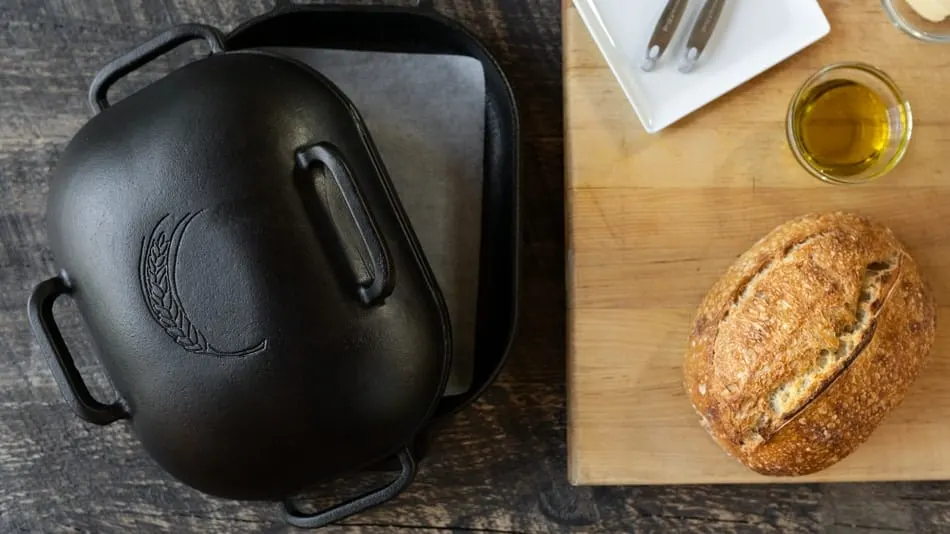
Dutch ovens are a popular choice for baking sourdough, creating an ideal environment for incredible bread. Their ability to trap steam during the initial baking phase is key for sourdough, leading to a crisp crust and an open crumb.
Historically, Dutch ovens were essential tools for bakers. Their even heat distribution and moisture retention made them perfect for consistent results, a tradition that continues today. Sourdough, with its longer fermentation and need for consistent temperatures, benefits from this controlled environment. The steam prevents the crust from setting too early, allowing the loaf to fully expand.
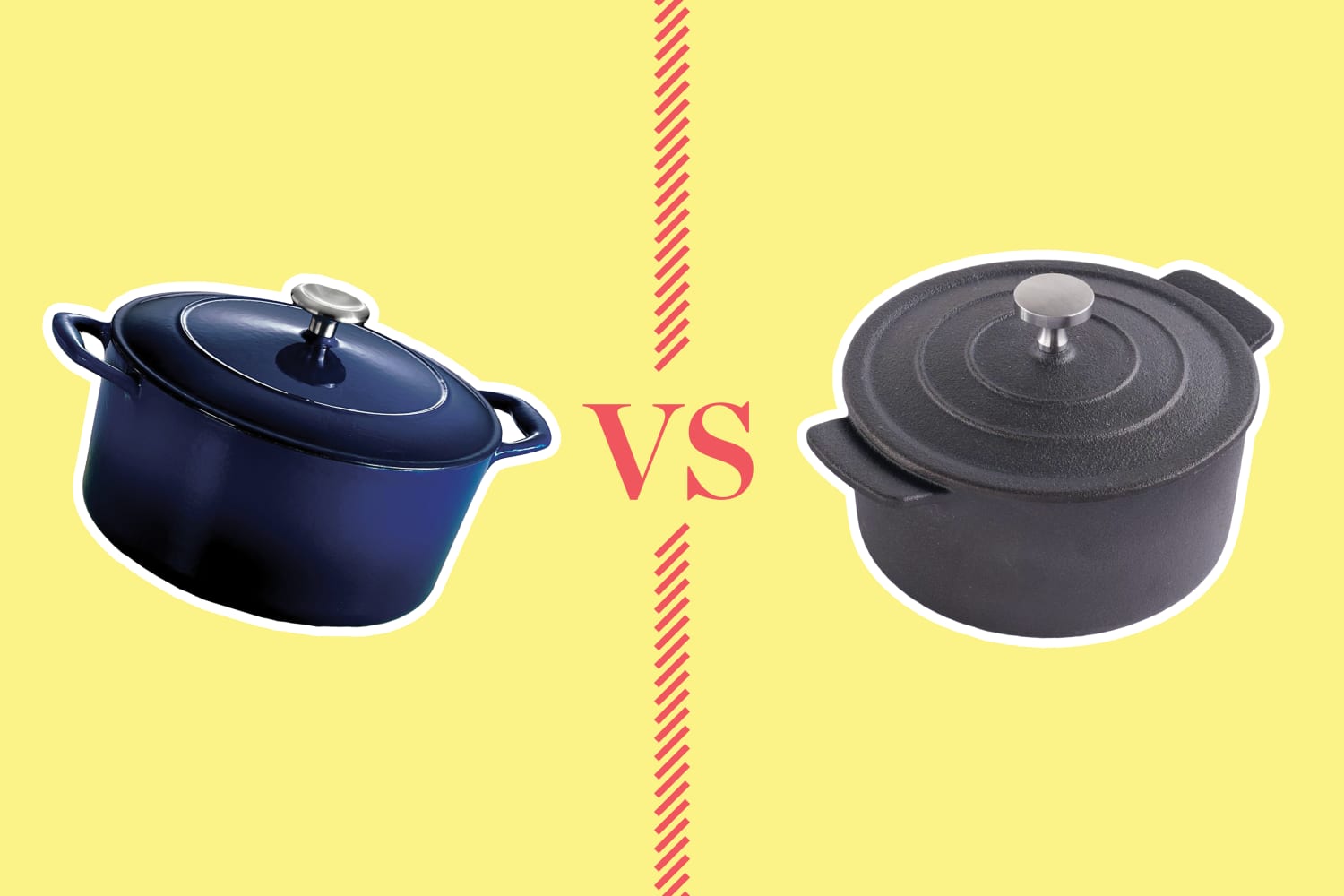
Dutch ovens are a symbol of slow, intentional cooking, and the results speak for themselves. This article explores the differences between cast iron and enameled Dutch ovens for sourdough baking to help you choose the best option for your kitchen.
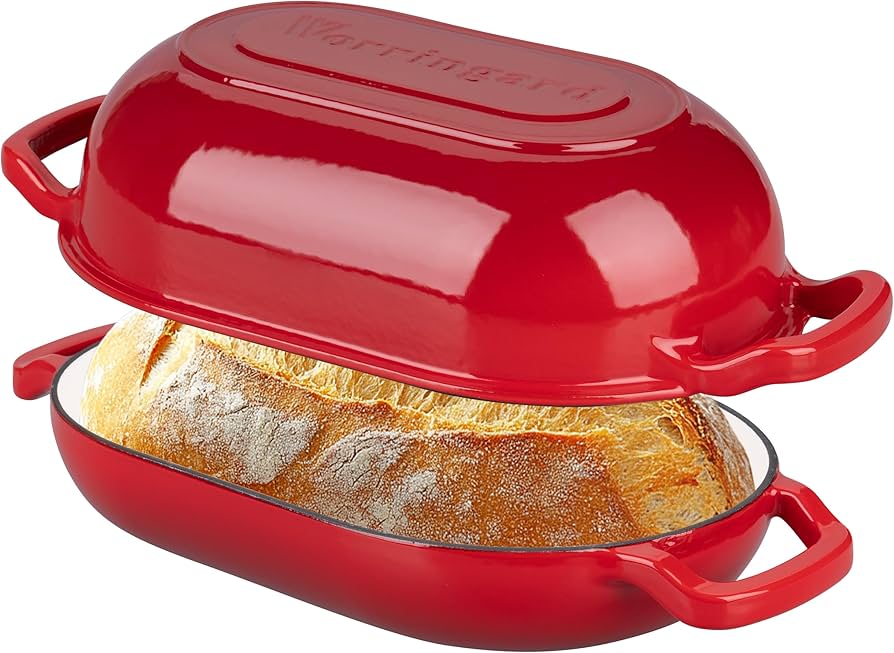
Cast Iron: The Traditional Workhorse
Bare cast iron Dutch ovens are a traditional choice. They offer unmatched heat retention, providing a stable temperature for consistent baking. This is especially important for sourdough, where maintaining a consistent temperature throughout the bake is key to achieving a good rise and crumb structure.
The seasoning on a cast iron Dutch oven isn’t just about preventing sticking; it contributes to the flavor of your bread over time, imparting a subtle, almost nutty flavor. However, this seasoning requires maintenance. Re-seasoning is needed every few months, or whenever food starts to stick. It’s a bit of work, but many bakers find it worthwhile.
One potential downside is reactivity. The acidity in sourdough can react with the iron over time, potentially imparting a metallic taste and stripping away some of the seasoning. While this isn’t a major concern for most bakers, it’s something to be aware of. Cast iron also tends to be heavy, which can make it difficult to maneuver when hot. Generally, unenameled cast iron Dutch ovens range from $100 to $300, depending on size and brand. Lodge is a popular, affordable option.
Enameled Dutch Ovens: Convenience & Color
Enameled Dutch ovens offer convenience as no seasoning is required. The porcelain enamel coating prevents rusting and makes cleanup easy. This is a plus for bakers who want to spend less time on maintenance and more time enjoying their bread. The enamel is glass bonded to the cast iron at extremely high temperatures.
While enameled Dutch ovens retain heat well, they don’t quite match the heat retention of bare cast iron. The enamel layer acts as an insulator, slightly reducing the pot’s ability to store and distribute heat. However, this difference is often negligible for most sourdough recipes. The enamel coating also eliminates the risk of reactivity with acidic sourdough starter.
Enameled Dutch ovens are available in a wide array of colors, making them an attractive addition to any kitchen. This is an aesthetic benefit that many bakers appreciate. They typically come with a higher price tag than their unenameled counterparts, ranging from $200 to $450 or more, depending on the brand and size. Some enamel coatings can subtly affect the flavor of the bread, but for many, it’s a minor trade-off for the convenience.
Steam & Crust: The Baking Science
A Dutch oven's ability to trap steam is key for sourdough. When dough is placed in a hot Dutch oven, the moisture released creates a humid environment. This steam delays crust formation, allowing the loaf to expand fully, resulting in a higher rise and a lighter, airier crumb. Without this steam, the crust would set too quickly, restricting the loaf’s expansion.
The steam also influences the Maillard reaction, the chemical reaction between amino acids and reducing sugars that gives bread its characteristic brown color and complex flavors. In a humid environment, the Maillard reaction occurs more slowly and evenly, leading to a deeper, more uniform crust color. A drier environment can lead to a paler crust and less developed flavor.
Cast iron Dutch ovens tend to retain steam better than enameled ones, due to the porous nature of the bare iron. However, both types create a more humid baking environment than baking directly on a baking sheet. The tight-fitting lid is key to trapping the steam, regardless of the material.
Sourdough Test: Cast Iron vs. Enameled
To understand the differences, the same sourdough recipe was baked in both a 5.5-quart Lodge cast iron Dutch oven and a 5.5-quart Le Creuset enameled Dutch oven. The recipe used was a standard country loaf, with a hydration level of 75% and a 12-hour bulk fermentation. Both Dutch ovens were preheated to 450°F (232°C) for 30 minutes before adding the dough.
The cast iron Dutch oven produced a loaf with a darker, more rustic crust. The crust was thicker and had a more pronounced crackle. The crumb was open and airy, but slightly less uniform in texture. The loaf released from the cast iron with some effort, requiring a nudge with a spatula.
The enameled Dutch oven yielded a loaf with a lighter, more golden crust. The crumb was open and even, with a softer texture. Releasing the loaf from the enameled pot was effortless—it slid right out. The difference in crust color was subtle, but noticeable. The enamel seemed to retain less heat, resulting in a longer baking time (about 5 minutes longer).
Overall, the differences were subtle. Both loaves were excellent, and a casual observer might not have noticed much of a distinction. For a serious sourdough baker, the nuances in crust color, texture, and ease of release could be significant. The recipe used: 500g bread flour, 375g water, 100g sourdough starter, 10g salt. Mix, bulk ferment, shape, proof, and bake covered at 450F for 20 minutes, then uncovered for another 25-30 minutes.
Cleaning & Long-Term Care
Cleaning a cast iron Dutch oven requires attention. Avoid using soap, as it can strip away the seasoning. Scrape out any excess dough with a plastic scraper and rinse with hot water. For stubborn residue, simmer water in the Dutch oven for a few minutes to loosen it. Dry thoroughly and lightly oil the interior after each use.
Enameled Dutch ovens are easier to clean. Use soap and water without worry. Avoid abrasive cleaners, as they can scratch the enamel. For stuck-on dough, soak the Dutch oven in hot, soapy water before scrubbing gently. Be careful not to drop anything heavy inside, as the enamel can chip.
Rust is a concern with cast iron Dutch ovens
Top Dutch Ovens for Sourdough (2026)
Choosing the right Dutch oven for sourdough depends on your budget and preferences. Here are a few standouts in 2026, with options for both cast iron and enameled finishes. I’ve focused on features like lid shape (a domed lid is ideal for steam circulation) and heat retention.
Cast Iron Options:
1. Lodge 5.5-Quart Dutch Oven ($100-150): A classic, affordable choice. Excellent heat retention and a durable construction. Great for beginners. Available on Amazon.
2. Finex 8-Quart Dutch Oven ($300-400): A premium option with a unique, ergonomic design and exceptional heat distribution. A bit of an investment, but worth it for serious bakers. Available on Amazon.
3. Field Company 6-Quart Dutch Oven ($200-250): Lightweight for a cast iron option, and pre-seasoned for convenience. Also available on Amazon.
Enameled Options:
4. Le Creuset 5.5-Quart Dutch Oven ($350-450): The gold standard in enameled cast iron. Beautiful, durable, and excellent heat retention. Available on Amazon.
5. Staub 5.5-Quart Dutch Oven ($300-400): A close competitor to Le Creuset, known for its textured interior that promotes better browning. Also available on Amazon.
6. Cuisinart 7-Quart Dutch Oven ($200-250): A more affordable enameled option that still delivers good performance. Available on Amazon.
Featured Products

Iconic Le Creuset quality and durability · Excellent heat retention and distribution · Stain-resistant enamel interior
This premium enameled Dutch oven is a top-tier choice for its superior heat retention and even cooking, ensuring a fantastic sourdough crust.
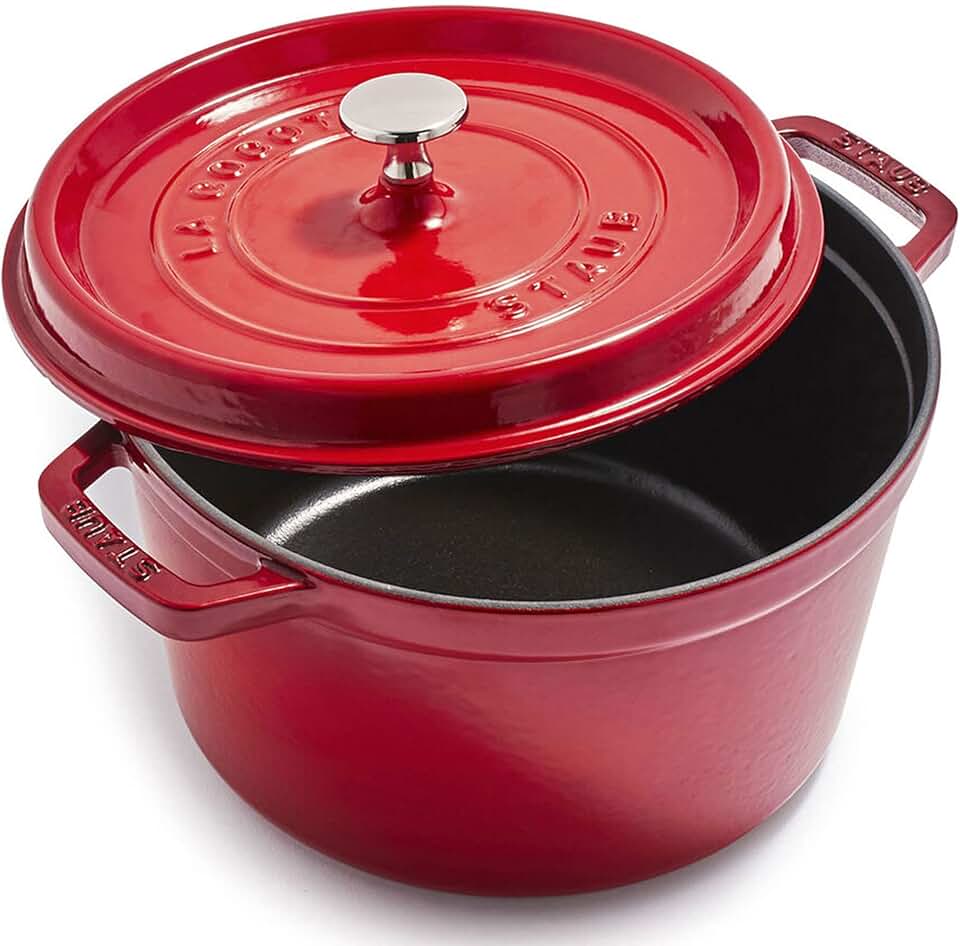
Unique micro-point system on lid for self-basting · Heavy-duty cast iron construction · Tall design ideal for larger loaves
The Staub's innovative lid design and excellent heat retention make it a fantastic option for achieving a perfectly crisp sourdough crust.
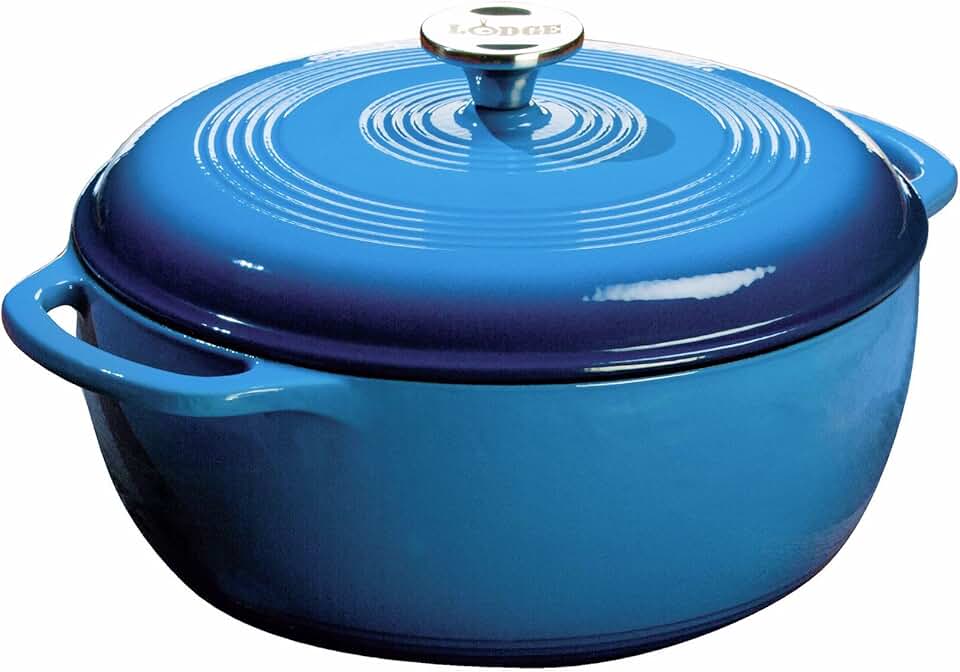
Affordable and durable enameled cast iron · Moisture-sealing lid for tender results · Generous 6-quart capacity
A budget-friendly yet highly effective enameled Dutch oven, the Lodge is perfect for home bakers looking to achieve great sourdough results without breaking the bank.
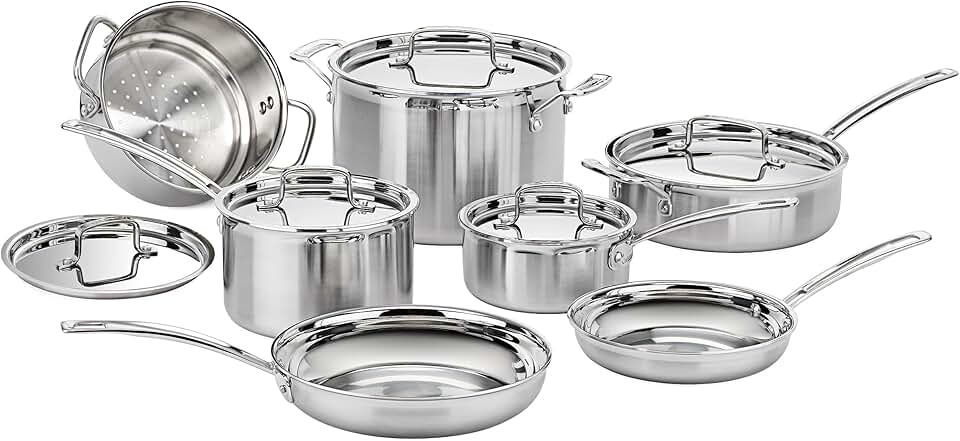
Triple-ply stainless steel construction · Even heating and warp resistance · Versatile for various cooking methods
While not a Dutch oven, this stainless steel set offers excellent heat control and durability, making it a solid choice for bakers who prefer to experiment with open baking methods.

Durable chip-resistant enamel · Thick cast iron core for superior heat retention · Includes grill and silicone lid for added versatility
This Misen Dutch oven combines robust heat retention with a resilient enamel coating, offering a reliable and versatile option for consistently great sourdough.
As an Amazon Associate I earn from qualifying purchases. Prices may vary.
Your Sourdough Dutch Oven Decision
Ultimately, the best Dutch oven for sourdough is the one that best suits your needs and preferences. If you’re on a budget and don’t mind a bit of maintenance, a cast iron Dutch oven is an excellent choice. If convenience and ease of cleaning are your priorities, an enameled Dutch oven is the way to go.
Consider your baking style. If you prefer a darker, more rustic crust, cast iron might be your preference. If you want a lighter, more evenly browned crust, enameled might be a better fit. No matter which you choose, a Dutch oven is an invaluable tool for any sourdough baker.
Which Dutch oven do you prefer for sourdough?
Vote below!
No comments yet. Be the first to share your thoughts!