
Dutch Ovens in 2026: What’s Changed?
The dutch oven remains a cornerstone of many kitchens, but the market looks a little different in 2026 than it did even five years ago. While the fundamental purpose – slow, even cooking in a heavy-walled pot – hasn’t changed, we're seeing subtle but important developments. Manufacturers are experimenting with lighter-weight cast iron alloys, aiming for easier handling without sacrificing heat retention.
Enamel technology continues to improve, with brands claiming increased chip resistance and a wider range of color options. Consumer preferences are also shifting; there's a growing interest in versatility, with people wanting one pot that can go from stovetop to oven to table. We're also seeing more emphasis on sustainable manufacturing practices, which is influencing purchasing decisions for a lot of cooks.
It’s not a revolution, but an evolution. Cast iron isn’t going anywhere – it’s been around for centuries for a reason – but the options available give cooks more choices than ever before. The core appeal remains: a durable, effective way to cook a wide variety of meals. The question now is which version best suits your needs.
Cast Iron: The Traditional Workhorse
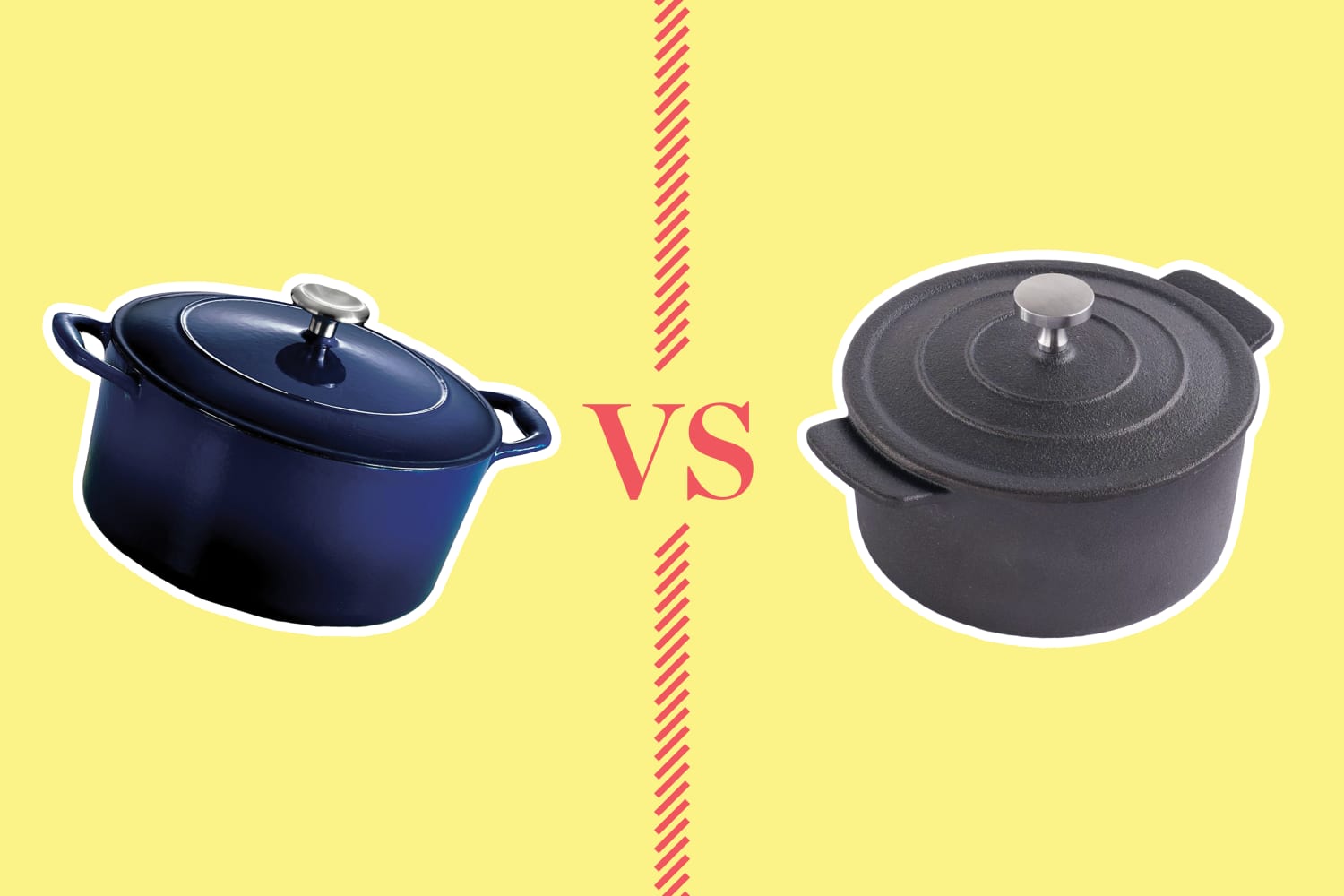
A traditional cast iron dutch oven is, at its heart, a simple tool. Its strength lies in its ability to retain heat incredibly well, making it ideal for braising, stewing, and even baking. This heat retention also means it takes a while to heat up, but that even temperature distribution is worth the wait. Generally, cast iron is more affordable upfront than its enameled counterparts, though high-end brands can still command a premium price.
The biggest commitment with cast iron is the seasoning process. This isn’t just about preventing rust; it’s about building a natural, non-stick surface. It requires regular oiling and use, and can be intimidating for beginners. If neglected, cast iron will rust, and while it can be salvaged, it’s a hassle. Different types of cast iron exist, too. Smooth cast iron is easier to clean, while textured cast iron holds seasoning slightly better, though it can be harder to scrub.
Seasoning works by polymerizing fats – essentially, creating a plastic-like coating bonded to the iron. Without regular seasoning, food will stick, and the iron will be susceptible to corrosion. It's not a huge amount of work, but it's a consistent responsibility. Many people find the maintenance a rewarding part of the cooking process, creating a connection to a tradition that spans generations.
Brands like Lodge are well-known for their affordable and durable cast iron. Many will last for generations with proper care, becoming heirlooms passed down through families. It’s a testament to the material’s longevity and enduring appeal.
Enameled Dutch Ovens: Convenience and Color
Enameled dutch ovens offer significant convenience: no seasoning is required. The enamel coating prevents rust and provides a non-stick surface, making cleanup easy. They come in a variety of colors, adding visual appeal that traditional cast iron lacks. This makes them a popular choice for serving dishes directly from the oven or stovetop.
However, enameled dutch ovens aren’t without their drawbacks. The enamel coating can chip, particularly if exposed to sudden temperature changes or dropped. While minor chipping doesn’t necessarily affect functionality, it can be unsightly and, in severe cases, lead to rust forming beneath the enamel. They also tend to be more expensive than comparable cast iron options.
Enamel quality varies between brands. Le Creuset is often considered a top choice, with a particularly durable enamel, but it comes at a high price. Other brands, like Staub, also offer high-quality enamel coatings. Recent improvements in enamel formulations are focusing on increased chip resistance and smoother surfaces for easier cleaning.
A major benefit is their compatibility with all cooktops, including induction. Cast iron can sometimes be problematic on induction ranges, while enameled dutch ovens work well. This versatility makes them a good choice for cooks with modern kitchens.
Performance Head-to-Head: What Do Tests Show?
When it comes to heat retention, both cast iron and enameled cast iron perform admirably, though traditional cast iron generally edges out enameled versions. Tests conducted by Serious Eats in 2024 showed that a seasoned cast iron dutch oven maintained a more consistent temperature for longer periods when cooking a low-and-slow braised short rib. However, the difference wasn’t massive, and enameled versions still provided excellent results.
Evenness of heating is another key factor. Enameled dutch ovens often have a slightly more even heat distribution due to the enamel coating, though this can depend on the thickness of the base. For searing, cast iron often gets the nod, as it can withstand higher temperatures without damaging the coating. But a well-preheated enameled dutch oven can still achieve a good sear, though you need to be more careful.
Lid design plays a significant role in performance. Lids with condensation ridges on the underside help to return moisture to the food, keeping it moist during braising. Some lids are also designed to be used as a skillet, adding to the versatility of the dutch oven.
The best choice depends on the specific cooking task. For long, slow braises, cast iron is a good option. For simmering sauces or one-pot pasta dishes, an enameled dutch oven can be more convenient.
Cast Iron vs. Enameled Dutch Oven Comparison (2026)
| Feature | Cast Iron | Enameled | Notes |
|---|---|---|---|
| Heat Retention | Excellent | Very Good | Both retain heat exceptionally well, a hallmark of Dutch ovens. Cast iron generally holds heat *slightly* longer due to its material composition. |
| Responsiveness | Slower to Heat/Cool | More Responsive | Enameled dutch ovens heat up and cool down a bit faster than bare cast iron, offering more control for temperature adjustments. Cast iron takes longer to adjust. |
| Maintenance | Requires Seasoning | Easy Cleanup | Cast iron requires regular seasoning to prevent rust and maintain its non-stick properties. Enameled dutch ovens are easier to clean and don't require seasoning. |
| Versatility | Highly Versatile | Highly Versatile | Both are incredibly versatile – excellent for stovetop, oven, and even campfire cooking (cast iron only). |
| Cooktop Compatibility | All Cooktops | Generally All Cooktops | Bare cast iron is compatible with all cooktops. Enameled dutch ovens are generally compatible, but it's always best to check manufacturer specifications, particularly for induction. |
| Weight | Heavy | Heavy | Both types are quite heavy, especially in larger sizes. Weight is comparable, though enameled may be marginally lighter due to thinner walls. |
| Price | Generally Less Expensive | Generally More Expensive | Typically, a bare cast iron Dutch oven will be more affordable than an enameled version of comparable size and quality. Price varies significantly by brand and features. |
Illustrative comparison based on the article research brief. Verify current pricing, limits, and product details in the official docs before relying on it.
Durability: How Long Will They Last?
A properly cared-for cast iron dutch oven is very durable. Stories of cast iron pans being passed down through generations are common. With regular seasoning and protection from rust, it can last for centuries. The biggest threat is physical damage – dropping it can cause it to crack or break, but even then, it’s often repairable.
Enameled dutch ovens are more vulnerable. The enamel coating can chip or crack, especially with rough handling or sudden temperature changes. However, even with some chipping, the pot can remain usable for years. High-quality enamel, like that found on Le Creuset, is more resistant to chipping than cheaper alternatives.
Rust is a concern with cast iron if the seasoning is compromised, but it’s usually treatable. Chipping on enamel isn’t easily fixed, though some repair kits are available. Prevention is key for both types. Avoid using metal utensils on enameled surfaces, and always preheat gradually to avoid thermal shock.
Ultimately, both types of dutch ovens can be incredibly long-lasting. A little care and attention will ensure that your dutch oven remains a trusted companion in the kitchen for many years to come.
Top Dutch Ovens to Consider in 2026
Choosing the right dutch oven depends on your budget and needs. Here are a few options to consider, spanning different price points and features.
Lodge 6-Quart Cast Iron Dutch Oven ($80): A classic choice for those starting out with cast iron. It's affordable, durable, and performs well. Requires seasoning, but offers excellent value for the price. Best for: Budget-conscious cooks, those willing to learn seasoning.
Le Creuset 5.5-Quart Round Dutch Oven ($360): The gold standard in enameled cast iron. Exceptional heat retention, beautiful colors, and a durable enamel coating. It’s an investment, but one that will likely last a lifetime. Best for: Serious cooks, those who prioritize aesthetics and convenience.
Staub 5.5-Quart Round Dutch Oven ($300): A strong competitor to Le Creuset, offering similar performance and quality at a slightly lower price point. Known for its 'black matte enamel' interior, which is particularly good for braising. Best for: Cooks who want high-end performance without the Le Creuset price tag.
Cuisinart 7-Quart Cast Iron Dutch Oven ($100): A larger capacity option for families or those who like to cook in bulk. Offers good heat retention and durability at a reasonable price. Best for: Large families, meal prepping.
Amazon Basics 6-Quart Enameled Cast Iron Dutch Oven ($60): A surprisingly good value for an enameled dutch oven. It's not as refined as Le Creuset or Staub, but it gets the job done and is a great option for beginners. Best for: Beginner cooks, those on a tight budget.
Great Jones Holland Dutch Oven ($140): A newer brand gaining popularity for its stylish designs and solid performance. Offers a good balance of quality and affordability. Best for: Cooks who want a modern aesthetic.
Featured Products

Iconic Le Creuset quality and durability · Excellent heat retention and distribution · Stain-resistant enamel interior
A top-tier choice for those seeking the ultimate in enameled cast iron performance and timeless style.

Exceptional heat retention and even cooking · Unique matte black enamel interior for self-basting · Handcrafted in France for superior quality
This French-made cocotte offers unparalleled cooking results with its innovative self-basting lid.
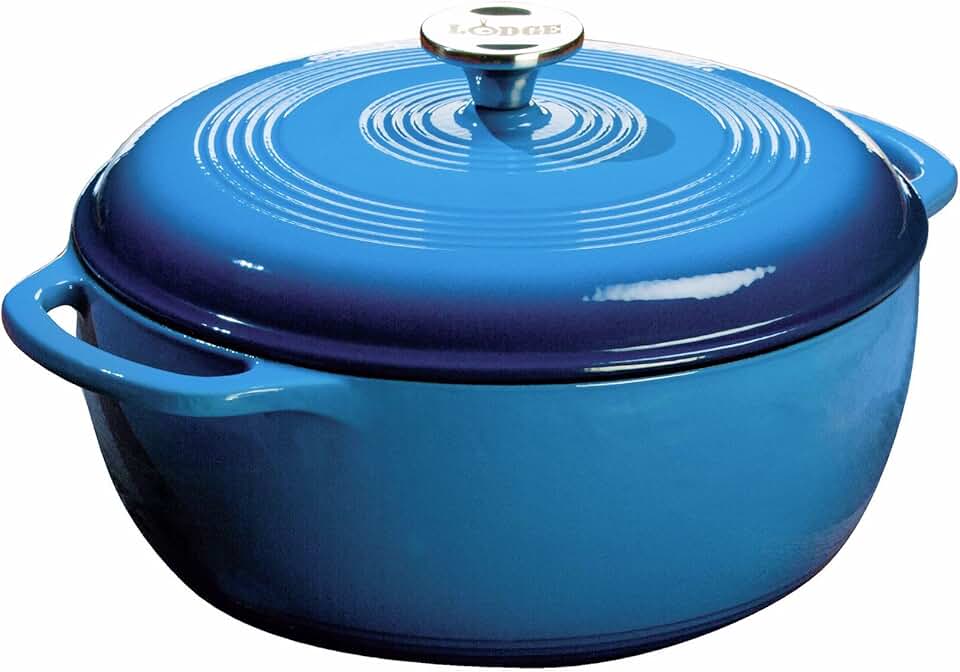
Affordable enameled cast iron option · Versatile for various cooking methods · Durable and easy to clean
A fantastic budget-friendly option that delivers great performance for everyday cooking needs.

Even heat distribution for consistent results · Drip-free pouring rim · Durable enamel coating
This Cuisinart offers a reliable and stylish enameled cast iron experience at a mid-range price point.

Thick iron core for superior heat retention · Chip-resistant enamel coating · Includes grill and silicone lid for added versatility
A feature-rich option that combines excellent heat performance with practical accessories for enhanced cooking.
As an Amazon Associate I earn from qualifying purchases. Prices may vary.
Real Owners Weigh In
Online reviews offer valuable insights into the real-world experiences of dutch oven owners. On Amazon, one reviewer of the Lodge cast iron dutch oven wrote, “This thing is a tank! I’ve had it for years and it just keeps getting better with seasoning. It’s heavy, but that’s part of what makes it so good at retaining heat.”
A Le Creuset owner on Williams Sonoma commented, “I was hesitant about the price, but it’s worth every penny. It’s so easy to clean, and I love the way it looks. I use it multiple times a week.” However, not all reviews are glowing. One Amazon reviewer of the Amazon Basics enameled dutch oven noted, “The enamel chipped after only a few uses. It still works, but it’s disappointing.”
Several reviewers across multiple platforms mention the weight of cast iron as a significant factor. While the heat retention is appreciated, some find it difficult to maneuver, especially when full. Enameled dutch ovens generally receive fewer complaints about weight, though they are still substantial.
Making the Right Choice for *You*
Ultimately, the best dutch oven for you depends on your individual needs and preferences. If you’re a beginner cook or prioritize convenience, an enameled dutch oven is a great place to start. The no-seasoning requirement and easy cleanup make it a user-friendly option.
If you’re serious about searing, enjoy the process of maintaining a seasoned surface, and don’t mind a little extra weight, cast iron is the way to go. It’s a durable, versatile, and affordable option that will last a lifetime. Consider your budget, cooking style, and how much effort you’re willing to put into maintenance when making your decision.
No comments yet. Be the first to share your thoughts!