
Dutch Ovens Get Smarter
The dutch oven, a centuries-old kitchen staple, is known for its simple, effective design: heavy cast iron that retains heat exceptionally well. Now, technology is being integrated into this traditional cookware, creating 'smart' dutch ovens. This blend of modern tech with a classic tool might seem unusual at first.
These smart ovens aim to solve common dutch oven challenges, like maintaining consistent temperatures, which often requires careful attention to your stovetop and vigilance during long simmering times.
Precise temperature control, app-based remote monitoring, and recipe integration offer convenience. However, smart dutch ovens are more expensive and add complexity. They offer a different cooking experience, augmenting rather than replacing culinary skill.
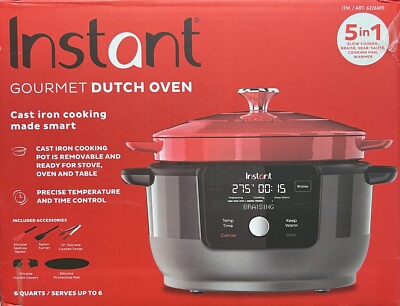
Temperature Control: The Core Innovation
Precise temperature control is the main innovation in smart dutch ovens. Traditional dutch oven cooking relies on learned experience: understanding your stovetop, how the cast iron heats, and adjusting the flame for a steady simmer. This skill takes time to develop and is rewarding for many cooks.
Smart dutch ovens use built-in sensors and automated adjustments to replicate and improve this process. Some use induction heating for responsive temperature changes, while others integrate thermostats and heating elements into the pot's base for granular control. The aim is to eliminate hot spots and ensure consistent cooking temperatures.
Two main approaches exist for smart temperature control. You can buy a new 'smart' dutch oven designed with these features, or explore retrofitting options—devices that attach to an existing dutch oven for monitoring and control. The effectiveness of retrofitting varies significantly based on device quality and stovetop type.
The upfront cost is a significant factor, with new smart dutch ovens costing several hundred dollars more than traditional models. Retrofitting is cheaper but may lack precision or integration. It's a trade-off between cost, convenience, and performance. A good thermometer and practice can achieve similar results with a traditional dutch oven.
Apps and Ecosystems: Beyond the Pot
The smart dutch oven experience extends to its accompanying app, which typically offers features like recipe libraries, guided cooking modes, remote monitoring, and notifications. For example, you might receive a phone alert when your braised short ribs reach the perfect temperature.
These apps often allow remote monitoring of internal temperature and adjustment of cooking settings via phone. This is useful when multitasking or starting a slow-cooking recipe before leaving home. However, app quality and functionality vary significantly, with some being well-designed and others feeling unfinished.
A key question is whether apps are proprietary or integrate with broader smart home ecosystems like Apple HomeKit, Google Assistant, or Alexa. Ecosystem integration enables voice commands and incorporation into existing smart home routines, enhancing utility.
Long-term viability depends on ongoing software support, including app updates for new features and bug fixes, and compatibility with future operating system versions. A neglected app can render expensive hardware useless.
- Recipe Libraries: Access to a curated collection of recipes designed for dutch oven cooking.
- Guided Cooking: Step-by-step instructions with automated temperature adjustments.
- Remote Monitoring: Track the cooking process from your smartphone.
- Notifications: Receive alerts when the dish is ready or requires attention.
Smart Dutch Oven App Comparison - 2026
| Oven Model | App Name | Recipe Library Size | Remote Monitoring | Guided Cooking | Smart Home Integration |
|---|---|---|---|---|---|
| Staub Smart Oven | Staub Connect | Extensive, focused on French cuisine | Temperature and cooking progress | Step-by-step instructions with visual cues | Yes (Amazon Alexa, Google Assistant) |
| Le Creuset Digital Kitchen | Le Creuset Recipe Center | Large, diverse range of recipes | Temperature, timer, and alerts | Adaptive guidance based on ingredient weight | Yes (Apple HomeKit) |
| Lodge Cast Iron Connect | Lodge Cookware App | Moderate, growing library with user submissions | Temperature and time remaining | Basic recipe instructions | No |
| Cuisinart Smart Dutch Oven | Cuisinart Smart Cooking | Good selection, emphasizes family meals | Temperature, internal food temperature (with probe) | Voice-guided cooking mode | Yes (IFTTT compatible) |
| Brinkmann Smart Oven | Brinkmann ChefAssist | Limited, but expanding with community contributions | Temperature and timer | Recipe scaling and ingredient substitution suggestions | No |
| Camp Chef Connected Oven | Camp Chef Connect | Moderate, geared towards outdoor cooking | Temperature and fuel level (for propane models) | Pre-programmed settings for common dishes | Yes (limited to Camp Chef ecosystem) |
Illustrative comparison based on the article research brief. Verify current pricing, limits, and product details in the official docs before relying on it.
Recipe Integration: More Than Just Instructions
The true potential of smart dutch ovens is their ability to actively control the cooking process based on selected recipes, automatically adjusting temperature and cooking time for optimal results.
While some smart ovens allow recipe uploads, integration levels vary. Consider how easily handwritten recipes can be converted and how well the oven handles complex, multi-stage recipes with precise timing. More detailed recipes generally yield better results.
Websites like cookingontheweekends.com and theirishmanswife.com offer dutch oven recipes. The ideal scenario is seamlessly importing a recipe from such a site directly into a smart oven for automatic cooking management.
Future developments may include AI-powered recipe adaptation, where the oven analyzes ingredients to adjust cooking time and suggests substitutions based on available items. This is currently theoretical but represents an interesting area of development.
The Limits of 'Smart': What Can't They Do?
Smart appliances, including dutch ovens, have limitations. While they automate some cooking aspects, users still handle ingredient prep, loading the pot, and cleanup.
A smart oven cannot improve ingredient quality; subpar ingredients will still result in a subpar dish. Like any tool, its effectiveness depends on the user's skill and palate.
Potential failure points include malfunctioning sensors, app crashes, and software bugs, which can disrupt cooking. Data privacy and security are also concerns, as ovens may collect and share cooking habit data.
Standout Models: A Quick Look (2026)
The market for smart dutch ovens is still relatively new, but a few models have emerged as noteworthy options. The Staub Smart Dutch Oven stands out for its integration with a comprehensive app and its precise temperature control system. It’s on the higher end of the price spectrum, but it offers a polished and user-friendly experience.
The Cuisinart Smart Dutch Oven takes a different approach, focusing on simplicity and ease of use. It offers a more limited set of features, but it’s also more affordable. It’s a good option for cooks who want the benefits of smart technology without the complexity.
Finally, the Breville Smart Dutch Oven offers a unique combination of features and performance. It boasts a powerful induction heating system and a versatile app with a wide range of recipes. It's a solid all-around performer, though it is a considerable investment. I'm hesitant to make definitive recommendations without more long-term testing, but these three models are worth considering.
Beyond 2026: What's Next?
The future of smart dutch oven technology is likely to be driven by advances in sensor technology and artificial intelligence. We might see ovens with the ability to automatically recognize ingredients and adjust cooking times accordingly. Imagine simply adding your ingredients and letting the oven take care of the rest.
AI could also play a bigger role in recipe creation and optimization. The oven could analyze your cooking preferences and suggest new recipes based on your tastes. It could even learn from your mistakes and provide personalized cooking guidance. The possibilities are exciting.
Ultimately, the goal is to create a fully integrated smart kitchen, where all of your appliances work together seamlessly. The smart dutch oven could become a central hub for meal planning, cooking, and even grocery shopping. Subscription services offering premium recipe libraries and personalized cooking guidance are also a likely development. It’s a rapidly evolving field, and it will be interesting to see what the next few years bring.
What's the most appealing feature of a smart dutch oven?
Vote below!

No comments yet. Be the first to share your thoughts!