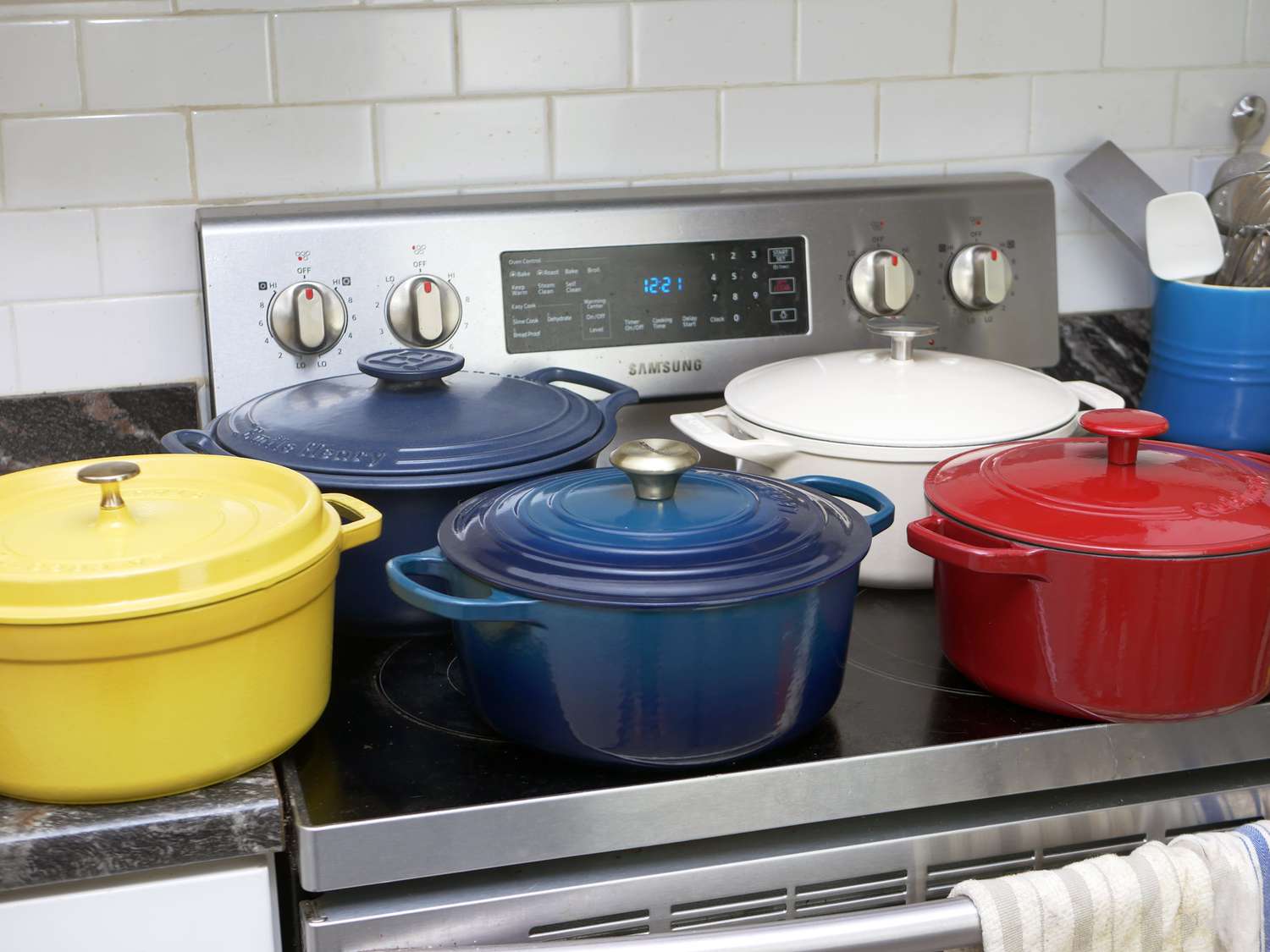

Dutch oven choices that change the plan
Choosing between cast iron and enameled cast iron comes down to how you plan to use the pot and how much maintenance you want to handle. There is no single winner; the best Dutch oven depends on whether you prioritize raw heat retention, ease of cleaning, or visual appeal.
Enameled cast iron features a glass-like coating fused to the metal. This makes it non-reactive, meaning you can safely cook acidic dishes like tomato sauce or wine reductions without worrying about metallic tastes or damaging the seasoning. The smooth surface is also much easier to clean and doesn’t require the regular oiling that bare cast iron does. However, the enamel can chip if dropped or struck with metal utensils, and these pots are generally more expensive.
Bare cast iron lacks the glass coating but offers superior heat retention and durability. It develops a natural non-stick seasoning over time and can withstand higher temperatures, making it ideal for searing steaks or baking sourdough bread. The tradeoff is that it requires more care: you must hand wash it, dry it immediately to prevent rust, and occasionally re-season the surface. It is also reactive to acids, so long-simmered tomato dishes aren’t recommended.
If you cook acidic foods frequently or want a low-maintenance pot that looks good on the table, enameled cast iron is the better choice. If you prioritize searing power, extreme durability, and don’t mind the upkeep, bare cast iron serves you well. Both types can last for generations if treated correctly, so the decision rests on your cooking habits and tolerance for maintenance.
| Feature | Enameled Cast Iron | Bare Cast Iron |
|---|---|---|
| Acid Resistance | Excellent | Poor |
| Heat Retention | Good | Excellent |
| Maintenance | Low | High |
| Durability | Fragile enamel | Indestructible |
| Price Range | $$$-$$$$ | $-$$ |
Where each option wins
Choosing between cast iron and enameled Dutch ovens isn't about which material is objectively superior; it is about matching the cookware to your cooking habits. Both types are built to last generations, but they handle heat, acid, and maintenance differently. Understanding these trade-offs helps you pick the right tool for your kitchen.
Cast iron: The workhorse for high heat
Bare cast iron is the better choice if you frequently sear, fry, or bake bread at high temperatures. It offers superior heat retention and can go from stovetop to a blazing hot oven without worrying about chipping. It is also the only option that develops a natural non-stick patina over time, making it ideal for long-simmered stews, fried chicken, and cornbread.
The trade-off is maintenance. You must season it regularly and avoid abrasive cleaners. If you leave it wet, it will rust. It is also reactive to acidic ingredients like tomato sauce or wine, which can strip the seasoning and impart a metallic taste if the pot isn't well-seasoned.
Enameled cast iron: The versatile all-rounder
Enameled cast iron, such as Le Creuset or Staub, is the better choice for versatility and ease of use. The glass-like coating prevents staining and reacts with no acidic ingredients, making it perfect for braising meats in wine, making tomato-based sauces, or cooking dairy-heavy dishes. It requires minimal maintenance—just warm soapy water—and comes in a variety of colors that look good enough to serve directly at the table.
However, the enamel is susceptible to chipping if dropped or struck against hard surfaces. It also cannot handle the extreme thermal shock that bare cast iron can. While it retains heat well, it does not sear quite as effectively as bare iron, and the smooth interior can make fond (the browned bits at the bottom) harder to release for deglazing.


As an Amazon Associate, we may earn from qualifying purchases.
Details worth checking
The Dutch Oven Buying works best when the purchase path is explicit. Verify the source, compare the offer against real alternatives, check the total cost, and confirm what happens after payment before you decide. After each comparison, write down the one risk that would change your mind. If the seller, condition, support, warranty, shipping, or upkeep still feels uncertain, resolve that question before moving to checkout.
-
Verify the sellerCheck reputation, included details, delivery terms, and return policy before treating the listing as credible.
-
Compare total costAdd shipping, accessories, maintenance, warranty, and likely replacement costs to the listed price.
-
Confirm fitMatch the option to the real use case before paying for features that will not matter.
No comments yet. Be the first to share your thoughts!