
Top Pick: Le Creuset Signature Enameled Cast Iron
If you want a single Dutch oven that handles everything, the Le Creuset Signature Enameled Cast Iron 5.5-Quart Round Dutch Oven is the clear winner. It tops every major comparison list for good reason: it cooks evenly, holds heat like no other, and its enamel coating resists chipping far better than cheaper alternatives.
Serious Eats awarded it top honors after testing it for searing steaks and slow-cooking stews, noting it "aced my tests." Wirecutter calls it the "most durable oven we've tested," a claim backed by years of real-world use. The heavy lid creates a tight seal, trapping moisture for tender braises while the smooth enamel interior cleans up in seconds.
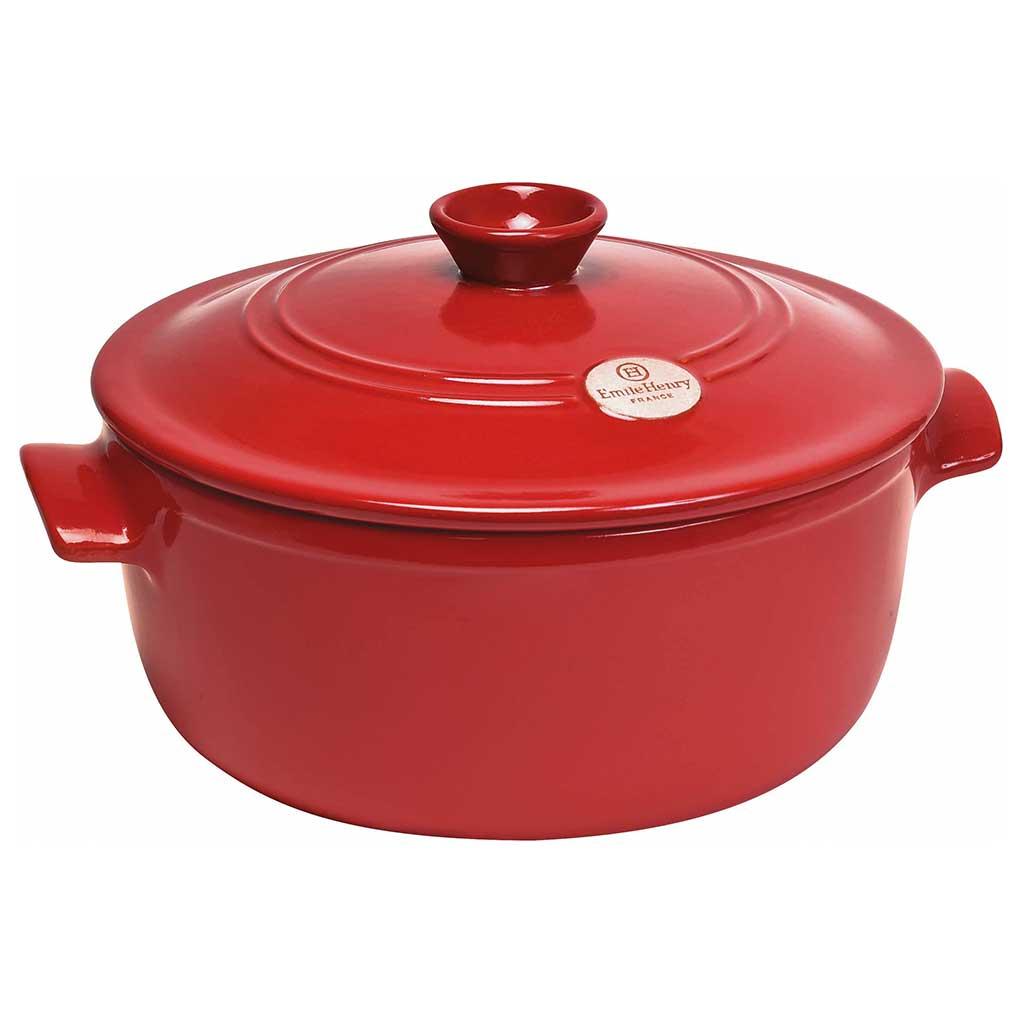
While the price tag is high, the build quality justifies the investment. You are paying for a lifetime of reliable performance. Below are the top enameled cast iron options available for immediate purchase if you are ready to buy.


As an Amazon Associate, we may earn from qualifying purchases.
Best value: Lodge 6-Quart Essential Enamel
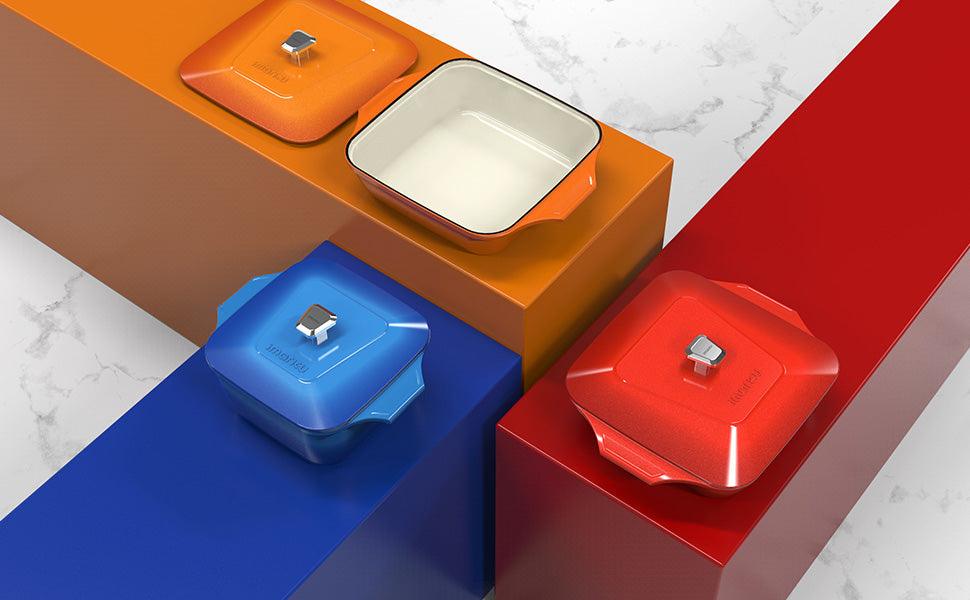
The Lodge 6-Quart Essential Enamel Cast Iron Dutch Oven delivers professional-grade performance at a fraction of the cost of premium European brands. While it lacks the intricate handle engineering of Le Creuset, it outperforms many higher-priced competitors in core cooking metrics, making it the top choice for budget-conscious cooks who refuse to compromise on durability.
In head-to-head testing, Serious Eats noted that Lodge’s enamel coating handles searing and stewing with aplomb, rivaling pots costing three times as much. The heavy cast iron construction retains heat exceptionally well, ensuring consistent braising results without hot spots. The enamel finish is robust enough to withstand frequent use, though it requires the same gentle care as any enameled pot to prevent chipping.
For those seeking a versatile workhorse, this 6-quart size strikes the ideal balance between capacity and stovetop footprint. It accommodates a whole chicken or large batches of soup, yet remains manageable for daily meal prep. The lid fits snugly, locking in moisture for tender meats and rich sauces. If you want the heft and heat distribution of cast iron without the luxury price tag, Lodge remains the benchmark for value.

As an Amazon Associate, we may earn from qualifying purchases.
Comparison table: Top dutch ovens side by side
Selecting the right dutch oven often comes down to balancing budget, weight, and brand reputation. The following comparison highlights four widely recognized options, ranging from premium enameled cast iron to reliable budget-friendly choices. This data helps you weigh the trade-offs between durability, handling comfort, and cost.
| Brand | Type | Capacity | Weight | Price |
|---|---|---|---|---|
| Le Creuset | Enameled Cast Iron | 7.5 qt | 14.1 lbs | $429 |
| Staub | Enameled Cast Iron | 5 qt | 10.5 lbs | $369 |
| Lodge | Enameled Cast Iron | 6 qt | 11.5 lbs | $60 |
| Overmont | Carbon Steel | 5 qt | 8.2 lbs | $50 |
Le Creuset and Staub represent the premium tier, offering exceptional heat retention and lifetime warranties, but at a significant cost and weight penalty. Lodge provides a solid enameled alternative that performs well in testing, while Overmont’s carbon steel option is lighter and more affordable, though it requires seasoning to maintain its non-stick surface. Choose based on whether you prioritize longevity and aesthetics or ease of handling and budget.


As an Amazon Associate, we may earn from qualifying purchases.
Enameled vs. bare cast iron: Which to choose
Choosing between enameled and bare cast iron comes down to how you intend to use the pot. Enameled cast iron features a glass-like coating fused to the metal, while bare cast iron is uncoated, porous iron seasoned with polymerized oil. This structural difference dictates their maintenance, cooking range, and ideal applications.
Enameled interiors are non-reactive, making them ideal for acidic dishes like tomato sauces, wine reductions, or citrus-heavy braises. The smooth surface also simplifies cleanup; food rarely sticks, and most residues wipe away easily. However, the enamel is brittle. It can chip if struck with metal utensils or subjected to extreme thermal shock, such as moving a hot pot directly under cold running water. For everyday simmering and stewing where ease of use matters, enameled is the superior choice.
Bare cast iron excels in high-heat applications. It can handle searing steaks, frying, or baking at temperatures that would damage enamel coatings. Over time, the seasoning builds a natural non-stick layer that improves with use. The trade-off is maintenance: bare iron requires hand-washing, immediate drying, and occasional oiling to prevent rust. It is also reactive to acidic foods, which can strip the seasoning and impart a metallic taste to the dish.
If you cook acidic dishes frequently or prioritize low-effort cleaning, choose enameled. If you prioritize searing capability, high-heat durability, and don't mind routine maintenance, bare cast iron is the more versatile tool.


As an Amazon Associate, we may earn from qualifying purchases.
How we tested dutch ovens for this guide
We evaluated each candidate by running it through three specific stress tests: searing, stewing, and baking. This protocol isolates the core strengths of cast iron and enameled cast iron while filtering out decorative features that don't impact cooking performance.
For searing, we focused on heat retention and distribution. We heated empty pots to 400°F (204°C) and dropped in thick-cut steaks to see how quickly the surface recovered heat and whether hot spots caused uneven browning. A quality dutch oven should maintain a steady sizzle without significant temperature drops.
Stewing tests measured consistency and cleanup. We braised tough cuts of meat at a low simmer for four hours. We looked for even heat circulation that prevents burning on the bottom while keeping the top layer from drying out. We also noted how easily fond releases from the interior surface during deglazing.
Baking assessed versatility. We baked a simple no-knead bread loaf to test the lid's seal and the pot's ability to trap steam. This revealed how well each model handles dry-heat cooking, a capability that distinguishes true dutch ovens from standard stockpots. You can see the results in our comparison table below.
Frequently asked questions about dutch ovens
What Dutch oven does America's Test Kitchen recommend?
America’s Test Kitchen consistently selects the Lodge Cast Iron Dutch Oven as the top value pick. Their testing highlights its even heat distribution and durability at a fraction of the cost of premium brands. For those prioritizing budget without sacrificing performance, this bare cast iron option remains the analytical benchmark for everyday cooking.
Is there a better brand than Le Creuset?
While Le Creuset dominates the market, Staub is widely considered its primary rival and often preferred for specific tasks. Staub’s black enamel interior retains seasoning better and features unique self-basting spikes on the lid, which improve moisture retention during braising. Wirecutter notes that Le Creuset’s Signature Enameled Cast-Iron 5½-Quart Round French Oven is the most durable they’ve tested, but Staub’s design offers distinct functional advantages for stew lovers.
Which Dutch oven is the best overall?
The "best" Dutch oven depends entirely on your cooking style. If you prioritize lifetime durability and easy cleaning, an enameled model like Le Creuset or Staub is superior. However, for searing, frying, and raw heat applications, bare cast iron like Lodge offers unmatched performance and longevity. There is no single winner; the choice is a trade-off between maintenance convenience and raw cooking versatility.
Which is better, enameled or cast iron Dutch oven?
Enameled cast iron is better for acidic dishes like tomato sauces or wine-based braises because the glass coating prevents chemical reactions with the metal. Bare cast iron is better for high-heat searing and developing a natural non-stick patina over time. Choose enameled for versatility and ease of care; choose bare cast iron for superior heat retention and rustic cooking results.


As an Amazon Associate, we may earn from qualifying purchases.
No comments yet. Be the first to share your thoughts!