
Dutch oven choices that change the plan
Choosing between enameled and raw cast iron comes down to how you handle maintenance versus cooking performance. Both types distribute heat evenly and retain it well, but their surface properties dictate what you can cook and how you clean up.
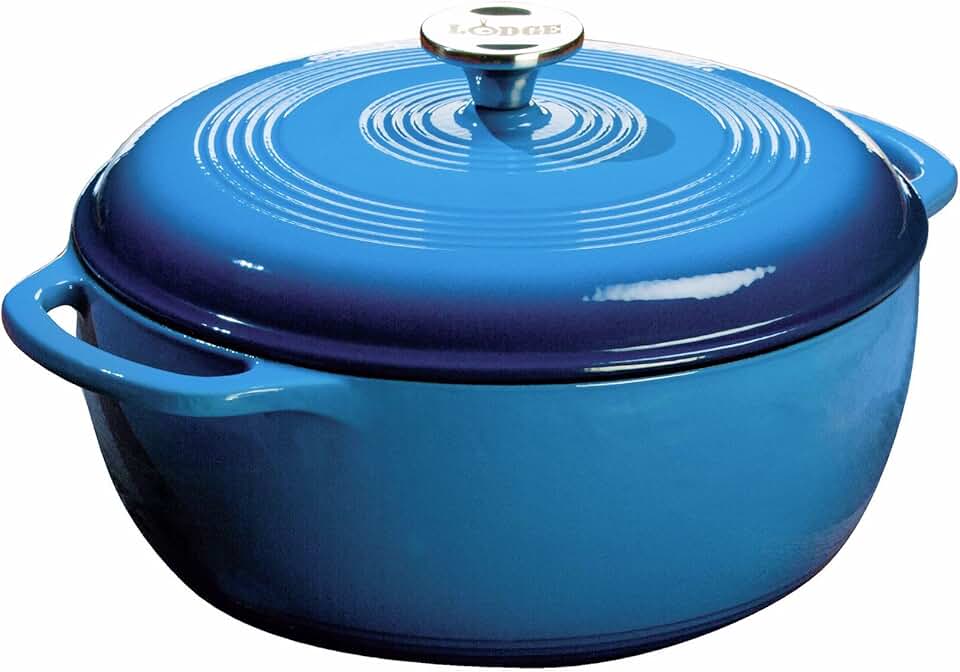
Enameled cast iron features a glass-like coating that prevents acidic foods from reacting with the metal. This makes it ideal for slow-cooking tomatoes, wines, or braises where you want to avoid metallic flavors. However, the enamel can chip if dropped or scratched with metal utensils, and it generally cannot handle the extreme high-heat searing that raw iron can.
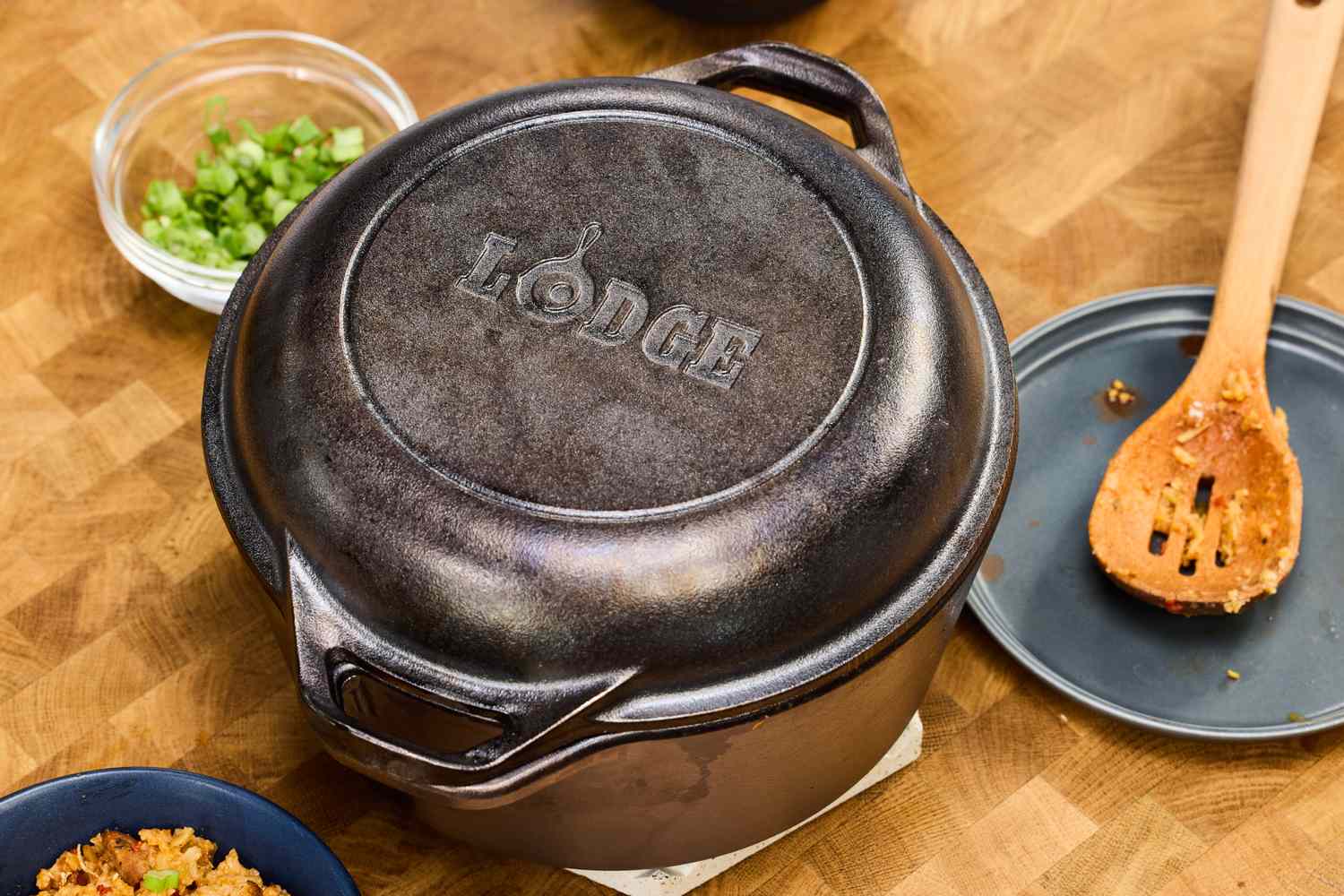
Raw cast iron requires seasoning—a polymerized layer of oil that creates a natural non-stick surface. It is virtually indestructible and can go from stovetop to open fire without worry. The trade-off is maintenance; you must dry it thoroughly after every wash to prevent rust, and you cannot cook highly acidic dishes for long periods without risking the seasoning or flavor.
If you plan to cook acidic dishes frequently or want minimal cleanup, enameled is the practical choice. If you prioritize versatility, high-heat performance, and a pan that can last generations with simple care, raw cast iron is the better investment.
Where each option wins
Choosing between enameled and bare cast iron comes down to what you cook most often and how much maintenance you want to handle. Both types retain heat exceptionally well, but their surface properties create distinct trade-offs for different kitchen tasks.
Enamel: Best for acidic foods and low-effort cleaning
Enameled Dutch ovens, like the Le Creuset 5.5-Quart Round Dutch Oven, feature a glass-like coating that prevents reactions with acidic ingredients. This makes them ideal for simmering tomato sauces, wine-based stews, and braises where bare iron might impart a metallic taste or strip its seasoning. The smooth interior also releases food easily and cleans up with minimal scrubbing, making them the superior choice for home chefs who prioritize convenience and versatility over raw heat retention.
Bare Cast Iron: Best for searing and durability
Bare cast iron, such as the Lodge 6-Quart Essential Enamel alternative, develops a natural non-stick patina over time. It handles extreme heat better than enamel, making it the better tool for high-temperature searing, frying, or baking bread where you want a crispy crust. While it requires seasoning and careful drying to prevent rust, bare iron is virtually indestructible. If you are willing to invest time in maintenance, it offers superior durability and performance for high-heat cooking techniques.
Which should you buy?
If you cook acidic dishes frequently or want a pot that looks good on the table and cleans easily, choose enameled. If you prioritize searing power, durability, and don't mind seasoning your cookware, bare cast iron is the more robust long-term investment.


As an Amazon Associate, we may earn from qualifying purchases.
Details worth checking
Enamel is glass fused to cast iron at high heat. It resists stains and doesn’t require seasoning, but it is brittle. A hard drop against a cold counter or a sharp metal utensil can chip the surface. Once the enamel cracks, the exposed cast iron underneath begins to rust, and the damage is permanent.
Always verify the oven’s temperature limits. Most enameled Dutch ovens are safe up to 500°F, but some cheaper brands or specific lid materials may have lower thresholds. Check the manufacturer’s manual for the exact maximum. Exceeding these limits can discolor the enamel or warp the lid.
Check what the warranty covers. Premium brands like Le Creuset and Staub typically offer lifetime warranties, but they often exclude chips and cracks caused by thermal shock or misuse. Budget brands may have shorter terms or void coverage if the pot is used on induction without proper contact. Read the fine print before buying.
Dutch oven: what to check next
Before committing to a purchase, it helps to know how these pots actually behave in a home kitchen. The choice between enameled and bare cast iron comes down to maintenance versus heat retention. Enameled versions offer a non-reactive surface that handles acidic tomato sauces without stripping, while raw cast iron develops a natural seasoning layer over time. Both are heavy, durable, and designed to last decades if stored properly.
Is enameled cast iron worth the higher price?
Yes, if you cook with acids like wine, tomatoes, or citrus daily. The glass-like enamel coating prevents metallic tastes and eliminates the need to season the pot. Brands like Le Creuset and Staub hold their value and performance well, making the upfront cost justifiable for frequent home chefs who want convenience without sacrificing heat retention.
Can I use metal utensils with enameled Dutch ovens?
You can, but it is not recommended. Metal spoons and whisks can chip the enamel, exposing the cast iron underneath to rust. Wooden, silicone, or nylon utensils are safer choices. If you do chip the enamel, the pot remains functional for roasting or baking, but avoid simmering acidic foods in that specific spot to prevent further degradation.
Do I need to season a new enameled Dutch oven?
No. Unlike bare cast iron, enameled Dutch ovens do not require seasoning. They come ready to use right out of the box. Simply wash them with warm soapy water before your first meal. Some users apply a thin layer of oil to the exterior to protect the finish, but this is optional and not necessary for cooking performance.
What is the best size for a family of four?
A 5.5-quart or 6-quart Dutch oven is the sweet spot for most households. This size accommodates a whole chicken, a large batch of chili, or enough dough for two loaves of bread without being overly bulky. Smaller 3-quart pots are better for couples, while larger 7-quart+ models are ideal for meal prepping or large gatherings.
No comments yet. Be the first to share your thoughts!