
Dutch oven choices that change the plan
Choosing between cast iron and enameled options comes down to how you cook and what you value most. Both types heat evenly and retain heat well, but they behave differently in the kitchen. Cast iron is a raw, porous metal that needs seasoning to build a natural nonstick surface. Enameled cast iron adds a glass-like coating, which changes how it reacts to acid, cleaning, and high heat.
The primary tradeoff is maintenance versus convenience. Raw cast iron requires active care to prevent rust and build flavor over time. Enameled versions offer a hands-off experience but come with a higher price tag and the risk of chipping. Your decision should hinge on whether you prioritize the rugged durability of raw iron or the ease of an enameled finish.
| Feature | Raw Cast Iron | Enameled Cast Iron |
|---|---|---|
| Price | Lower ($20-$50) | Higher ($150-$350) |
| Maintenance | Requires seasoning & drying | Dishwasher safe, no seasoning |
| Acid Resistance | Can react with tomatoes/wine | Safe for acidic sauces |
| Durability | Indestructible, re-seasonable | Enamel can chip or crack |
| Aesthetics | Matte black, rustic | Glossy, multiple colors |
Best for searing and baking
Raw cast iron is the superior choice for high-heat searing and bread baking. Its uncoated surface allows for better browning and crust formation on sourdough loaves. The seasoning layer improves with use, creating a natural nonstick surface that enameled pots cannot match. If your main goal is perfect crusts and heavy searing, raw cast iron is the practical winner.
Best for stews and sauces
Enameled Dutch ovens shine when cooking acidic dishes like tomato sauces, wine reductions, or citrus-based stews. The glass coating prevents the metallic taste that can sometimes occur with raw iron reacting to acid. It also looks better on the table, making it suitable for serving directly from the oven. For home bakers who make a lot of braises and soups, the ease of cleaning and visual appeal of enamel is worth the extra cost.
Where each option wins
Choosing between cast iron and enameled Dutch ovens comes down to how you plan to use them in your kitchen. Neither material is objectively superior; each has distinct strengths that make it the better tool for specific cooking tasks. Understanding these trade-offs helps you decide which type fits your baking and cooking habits.
Best for baking and heat retention
Traditional bare cast iron excels at creating consistent, high-heat environments. The thick walls retain heat exceptionally well, making it ideal for artisan bread baking where a steady, intense oven spring is crucial. The surface develops a natural seasoning over time, becoming increasingly non-stick and flavorful with use. This makes bare cast iron a favorite for sourdough loaves and heavy, long-simmered stews that benefit from slow, even heat distribution.
Best for acidic foods and ease of care
Enameled cast iron features a glass-like coating that protects the iron underneath, making it resistant to acidic ingredients like tomatoes, wine, and citrus. This prevents the metallic taste that can sometimes occur with bare cast iron when cooking acidic dishes. The smooth enamel surface is also easier to clean and doesn’t require seasoning, making it a more convenient option for everyday cooking and for those who prefer a low-maintenance kitchen tool.
Best for versatility and aesthetics
Enameled Dutch ovens come in a wide range of colors and designs, making them suitable for serving directly at the table. This versatility appeals to home bakers who value presentation alongside performance. While they may not retain heat quite as intensely as bare cast iron, modern enameled ovens offer excellent heat distribution and are compatible with all stovetops, including induction, offering a flexible solution for various cooking methods.

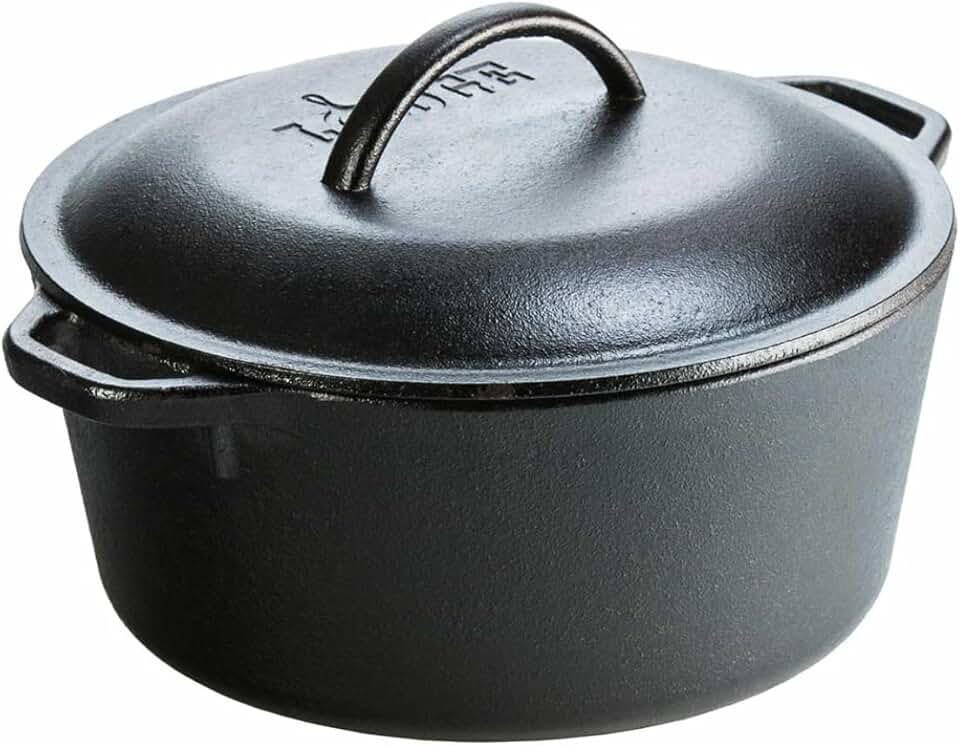

As an Amazon Associate, we may earn from qualifying purchases.
Details worth checking
Before committing to a purchase, verify the specific capabilities and limitations of each pot. Manufacturers often list broad specifications, but real-world performance depends on exact dimensions and material properties. Use this checklist to avoid buying a Dutch oven that doesn’t fit your cooking habits.
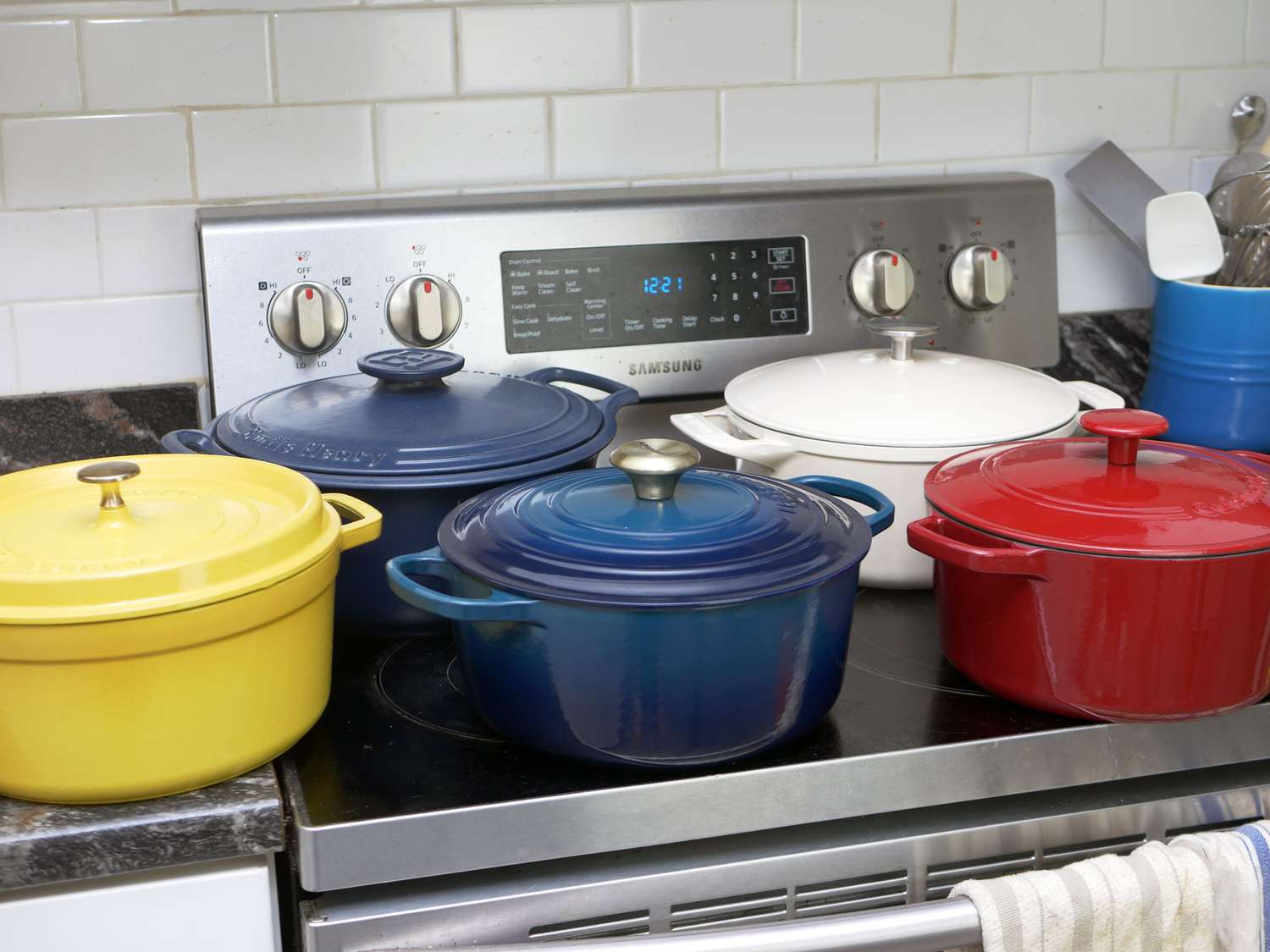
A heavy lid traps steam, which is essential for baking bread, but it also makes the pot difficult to handle. Check if the handles remain cool during stovetop use. If the pot is too heavy to lift with one hand, you will struggle to move it to the oven or sink.
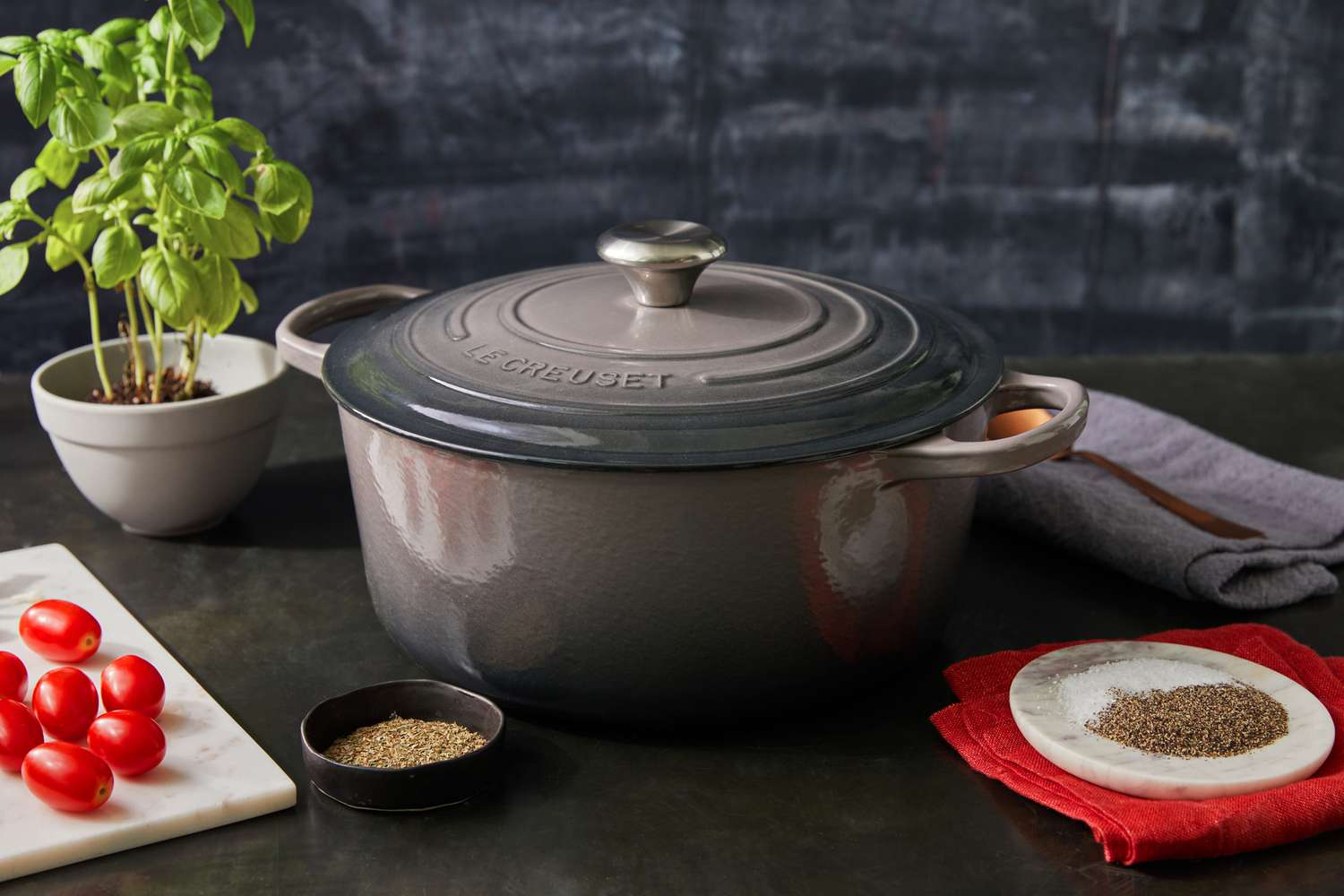
Enameled cast iron can chip if dropped or struck against hard surfaces. Review warranty terms for chip coverage. Some brands offer lifetime warranties that exclude accidental damage, while others replace the pot entirely. Plain cast iron requires seasoning, which changes over time but never chips.
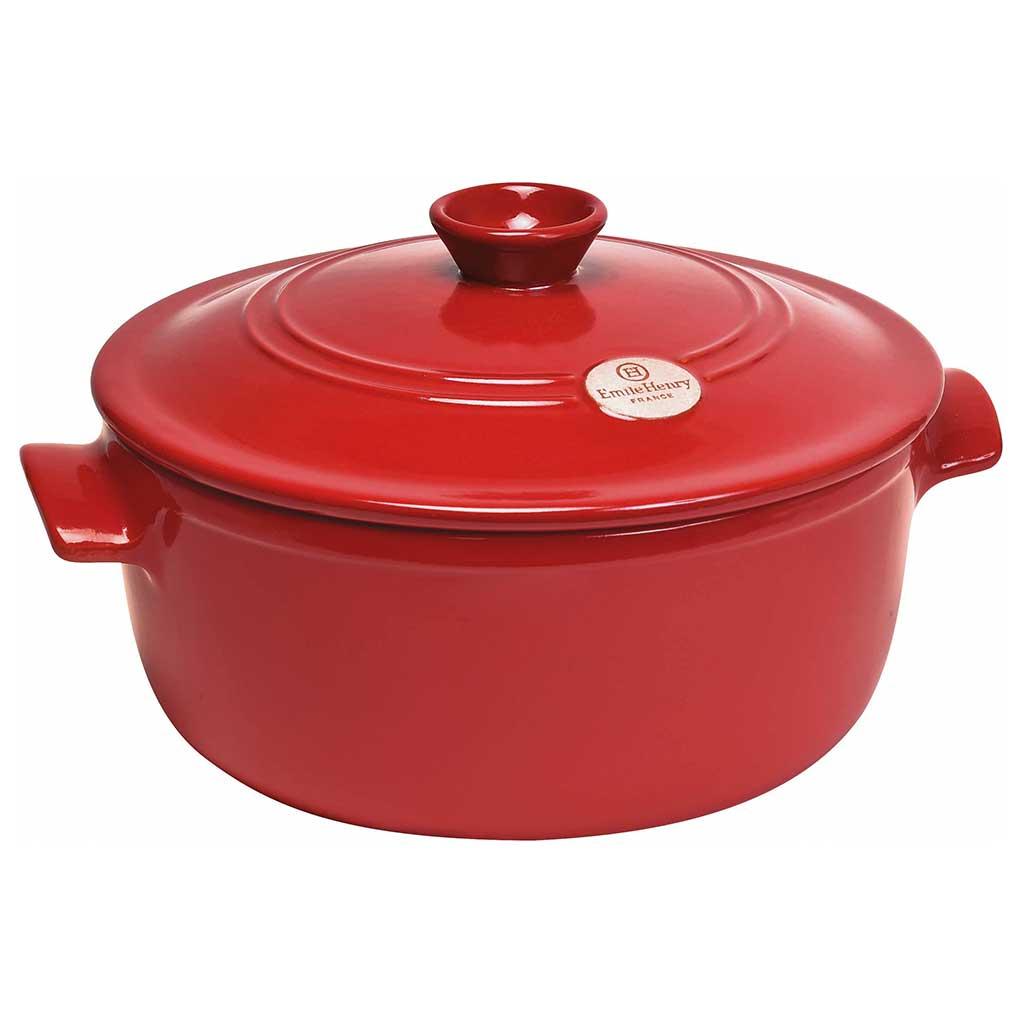
Not all enameled pots are safe for high-heat searing on gas burners. Verify the maximum temperature rating on the manufacturer’s website. If you plan to use the pot on an induction cooktop, ensure the base is flat and magnetic. Some older or cheaper enameled models may warp under direct flame.
No comments yet. Be the first to share your thoughts!