
Top picks for every budget
Finding the best dutch oven comes down to knowing how you use it. If you want a pan that lasts a lifetime and handles high heat without fuss, enameled cast iron is the way to go. For budget-friendly daily cooking, bare cast iron offers the same durability with a fraction of the price.
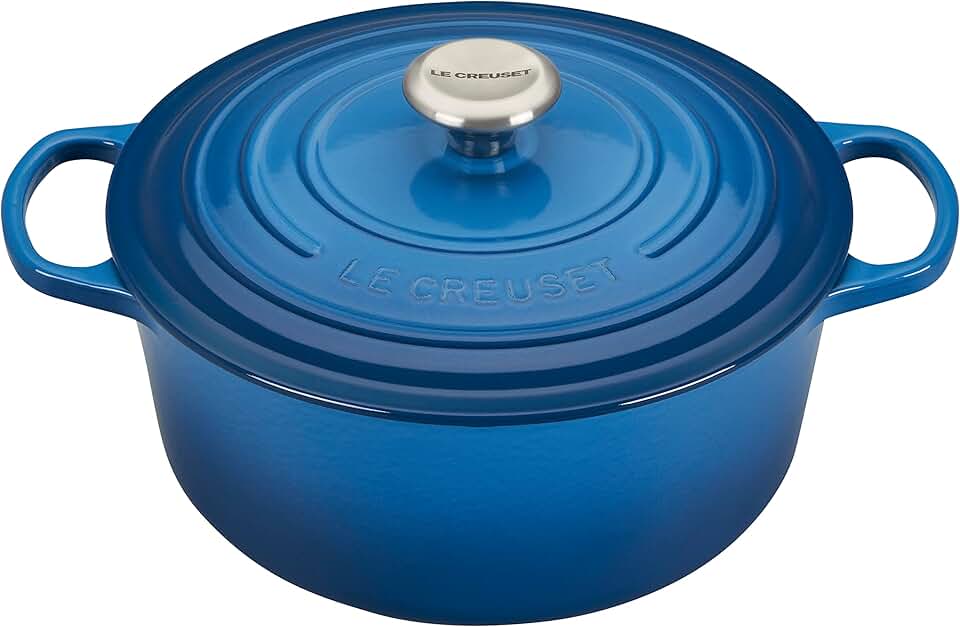
We tested dozens of models to separate marketing hype from actual performance. The Le Creuset Signature Enameled Cast-Iron 5½-Quart Round French Oven remains our top overall pick. It sears, stews, and bakes with consistent precision, making it the most durable oven we’ve tested. If that price tag is too steep, the Lodge 6-Quart Essential Enamel Dutch Oven delivers nearly identical results for less.
As an Amazon Associate, we may earn from qualifying purchases.
Each option serves a different need. The Le Creuset is an investment piece that looks great on the table. The Lodge enameled version is a practical workhorse for everyday meals. The bare cast iron Lodge is for those who don’t mind a bit of maintenance for the lowest cost.
Enameled vs raw cast iron explained
Choosing the best dutch oven starts with understanding the two main material families: raw cast iron and enameled cast iron. The difference isn't just about color; it changes how the pot interacts with food, heat, and your cleaning routine. Raw cast iron is uncoated metal that develops a natural non-stick surface called seasoning over time. Enameled cast iron has a glass-like coating fused to the metal during manufacturing.
The Enameled Option
Enameled Dutch ovens are the most popular choice for home cooks who want the heat retention of cast iron without the maintenance. The glass enamel coating makes them non-reactive, meaning you can safely cook acidic foods like tomato sauce, wine reductions, or citrus without worrying about metallic tastes or damaging the pot. They are also much easier to clean—usually just a warm soapy wash—and they don't require seasoning.
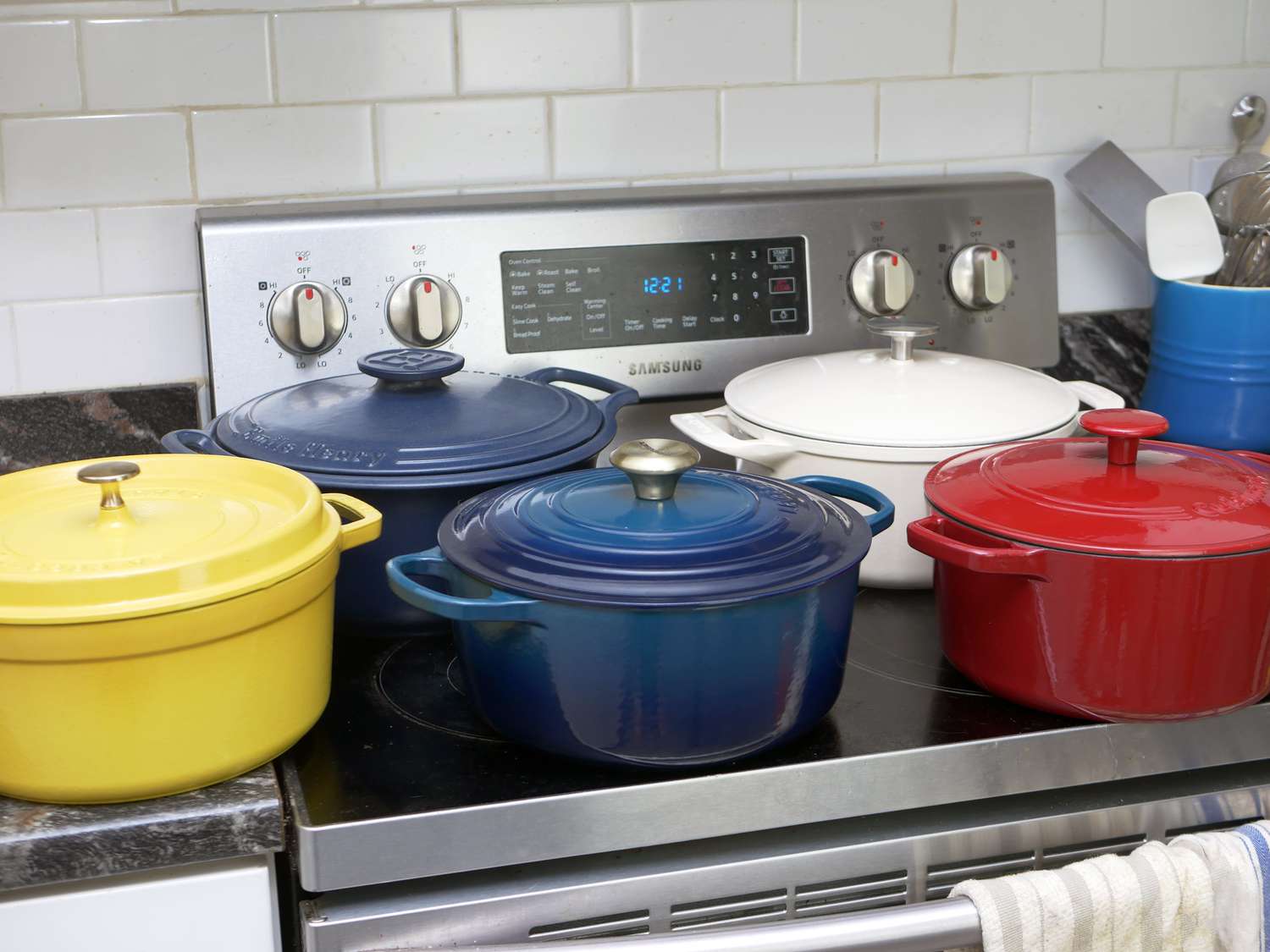
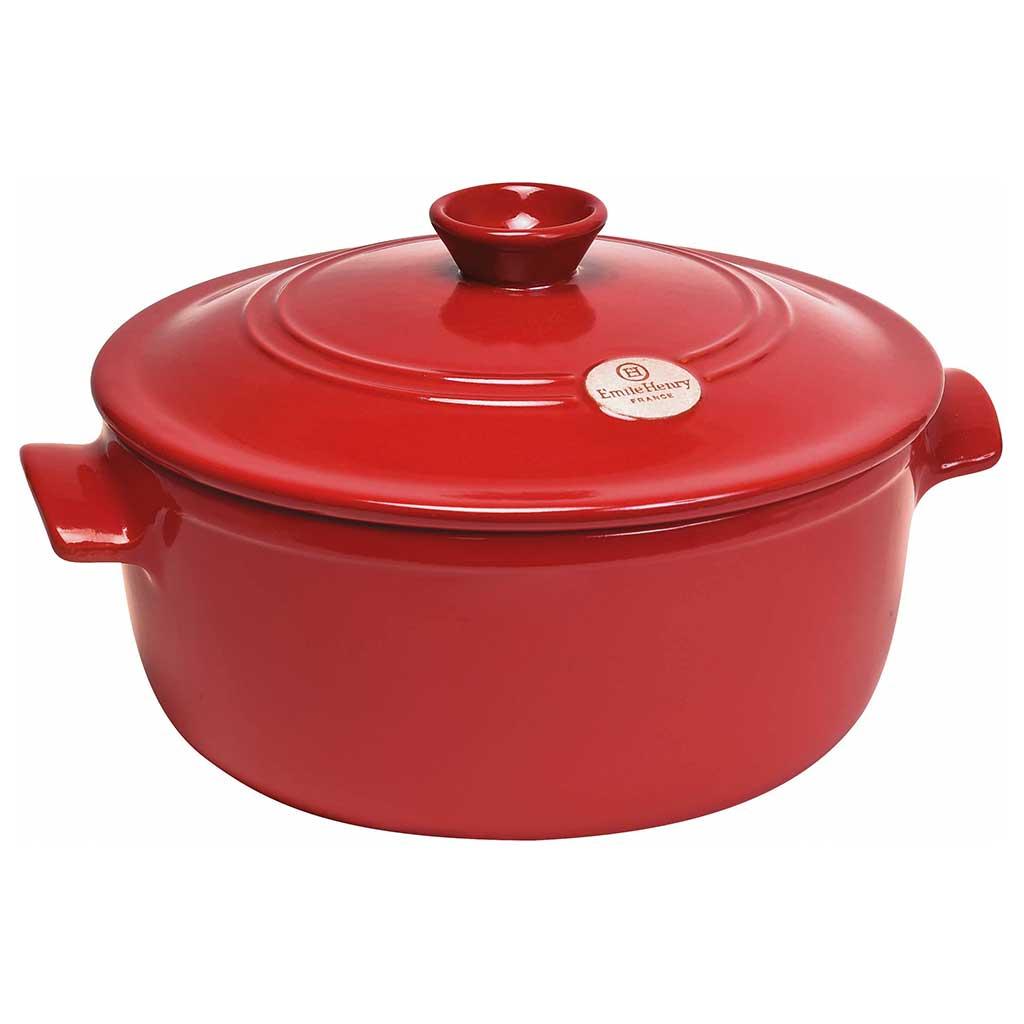
The trade-off is durability. The enamel can chip if dropped or struck against hard surfaces, and it generally cannot withstand the high heat of an outdoor campfire or broiler. However, for everyday stovetop and oven cooking, enameled pots like the Emile Henry shown here offer a vibrant, consistent look that lasts for years.
The Raw Cast Iron Option
Raw cast iron is the traditional workhorse. It requires seasoning—a layer of polymerized oil—to create a natural non-stick surface. This seasoning improves with use, making the pot increasingly non-stick over time. Raw iron is incredibly durable, resistant to chipping, and can handle extreme heat, making it ideal for searing steaks or cooking over open flames.
However, raw cast iron is reactive. Acidic foods can strip the seasoning and impart a metallic flavor, so it's best for long-simmering stews, braises, and baked goods. It also requires more care: you typically shouldn't soak it in water or use harsh detergents, and you must dry it thoroughly to prevent rust.
Which Should You Choose?
If you cook acidic dishes frequently or hate the idea of maintaining seasoning, enameled cast iron is the better fit. If you prioritize durability, high-heat searing, and don't mind a bit of extra care, raw cast iron is a lifetime investment. Most home cooks find that owning one of each covers all their cooking needs, but if you can only start with one, enameled is the more versatile daily driver.
Best enameled dutch oven models
When choosing the best dutch oven for everyday cooking, enameled cast iron offers the best of both worlds: heavy-duty heat retention without the maintenance of bare metal. The glass-like coating prevents acidic foods like tomato sauce or wine reductions from reacting with the iron, keeping your flavors pure and your pot looking new. However, the enamel surface requires a bit more care than cast iron, as it can chip if handled roughly or subjected to sudden temperature shocks.
Le Creuset Signature Round Dutch Oven
Le Creuset remains the gold standard for enameled cast iron, and for good reason. The Signature Enameled Cast-Iron 5½-Quart Round French Oven consistently tops our testing charts for its superior heat distribution and incredibly tight-fitting lid. The interior enamel is exceptionally smooth, making cleanup a breeze even after long braises. While the price tag is steep, the durability is unmatched; many users report their Le Creuset pots looking brand new decades after purchase. It is the best dutch oven for those who want a lifetime investment that performs flawlessly every time.
Staub Cast Iron Round Cocotte
Staub offers a compelling alternative with a focus on functionality over pure aesthetics. Its matte black interior enamel is self-basting, featuring raised spikes on the lid that condense moisture and drip it back onto the meat. This design is perfect for stews and roasts, keeping meats moist without the need for frequent basting. The lid is heavier than Le Creuset’s, which helps seal in heat and moisture effectively, though it can make the pot slightly more cumbersome to handle. Staub’s vibrant exterior colors are also highly resistant to chipping and staining.
Lodge 6-Quart Essential Enamel
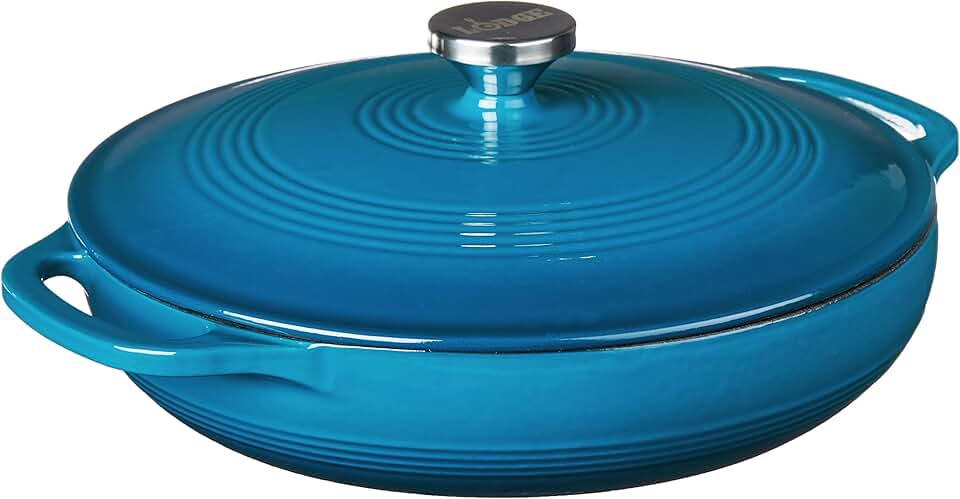
For home cooks who want enameled performance without the premium price, Lodge’s 6-Quart Essential Enamel is a strong contender. It delivers solid heat retention and even cooking for a fraction of the cost of the luxury brands. While the lid fit isn’t as tight as Le Creuset or Staub, it is more than adequate for most braising and baking tasks. The enamel is durable enough for daily use, though it may show wear sooner than its pricier counterparts. It’s an excellent entry point for those new to enameled cast iron or those who need a larger pot for family meals.
Best raw cast iron dutch oven options
Raw cast iron is the workhorse of the kitchen. It’s uncoated, incredibly durable, and usually the most budget-friendly choice on the market. If you want a dutch oven that can handle decades of abuse without worrying about chipping enamel, this is the way to go.
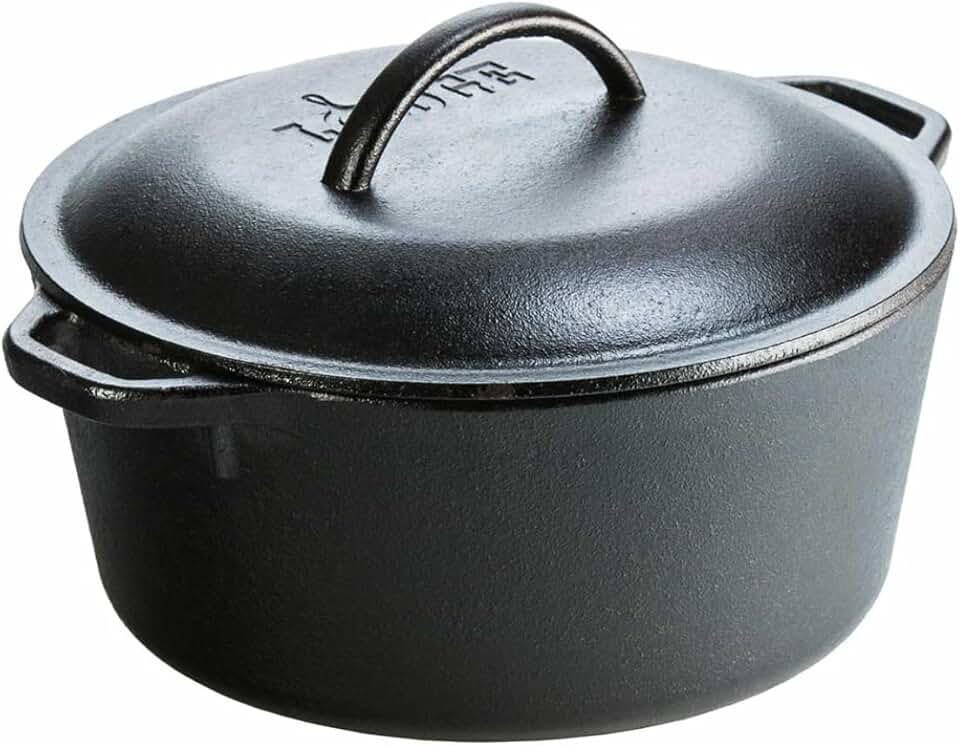
The Lodge Cast Iron Dutch Oven is the default choice for most home cooks. It’s affordable, widely available, and seasons beautifully over time. While it starts rough, regular use creates a natural non-stick surface. It’s not the prettiest pot for serving, but it cooks evenly and holds heat like no other.
For those who want a smoother finish right out of the box, the Tramontina Enameled Cast Iron Dutch Oven offers a great middle ground. Though technically enameled, its raw iron core provides the same structural resilience. Many testers prefer it for its easier maintenance and consistent performance, making it a strong contender if you want durability without the seasoning hassle.
Both options are built to last. As one long-time user noted on Reddit, a well-maintained cast iron pot will outlive almost any other cookware you own. You just need to be willing to care for it with a little oil and heat.
How to choose the right size
Picking the best dutch oven often comes down to one number: volume. While marketing materials push massive 10-quart pots for every occasion, most home cooks only need a 5- to 7-quart pot. Choosing a size that matches your actual household prevents wasted energy and awkwardly heavy cookware.
The 5-quart model is the sweet spot for most families. It holds enough broth for a batch of chili or a whole chicken for four people without taking up excessive shelf space. If you bake bread regularly, this size accommodates standard loaves comfortably. For couples or small families who meal prep, it strikes the right balance between capacity and manageability.
If you frequently host dinner parties or cook in bulk, step up to a 7-quart or 8-quart pot. These larger models handle whole turkeys or large batches of stew without crowding the ingredients. However, be aware that a full 8-quart cast iron pot is heavy and difficult for one person to lift when hot. If your cooking style leans toward solo meals or simple weeknight dinners, a smaller 3- to 4-quart pot may serve you better than overbuying.
Care tips for lasting performance
A best dutch oven is an investment that pays off if you treat it right. The difference between a pot that lasts decades and one that chips or rusts in years often comes down to how you handle it after cooking. Here is how to keep yours in top shape.
Cleaning without damage
Avoid abrasive scouring pads or harsh chemicals, especially on enamel. They can scratch the surface and dull the finish. For stuck-on food, soak the pot in warm, soapy water for 15 minutes. A soft sponge or nylon brush is usually enough to lift residue. If you have a cast iron interior (like Lodge), dry it thoroughly and apply a thin layer of oil to prevent rust. Never leave a wet cast iron pot sitting in a sink.
Storage and transport
Stacking pots is convenient but risky. The enamel on the inside can chip if it hits another pot’s rim. Place a paper towel or cloth liner between stacked pots to create a buffer. If you have lids, store them separately or use a dedicated lid rack. For cast iron, keep the lid slightly ajar or use a breathable cover to allow air circulation and prevent moisture buildup.
When to seek help
Even with the best care, accidents happen. If your enamel chips deeply, exposing the cast iron underneath, it’s time to consider professional refinishing or replacement. Minor surface scratches are cosmetic and won’t affect performance. For stubborn stains or odors, a paste of baking soda and water can help lift them without damaging the material.
"Lodge, Cuisinart, Staub, Le Creuset, Made-In, even the Target brand enamel cast iron will last if you take care of it." — Reddit user, r/BuyItForLife
Quick care checklist
- Cool down: Let the pot cool before washing to avoid thermal shock.
- Soak first: Soften food residue before scrubbing.
- Dry completely: Especially for cast iron interiors.
- Oil lightly: Apply a thin coat of oil to bare cast iron after drying.
- Line stacks: Use cloth or paper between pots to prevent chipping.
- Store dry: Keep in a dry, ventilated area.
Common questions about dutch ovens
Buying a best dutch oven is a significant investment for your kitchen. We’ve answered the most frequent questions from home cooks to help you decide between cast iron and enameled options.
No comments yet. Be the first to share your thoughts!