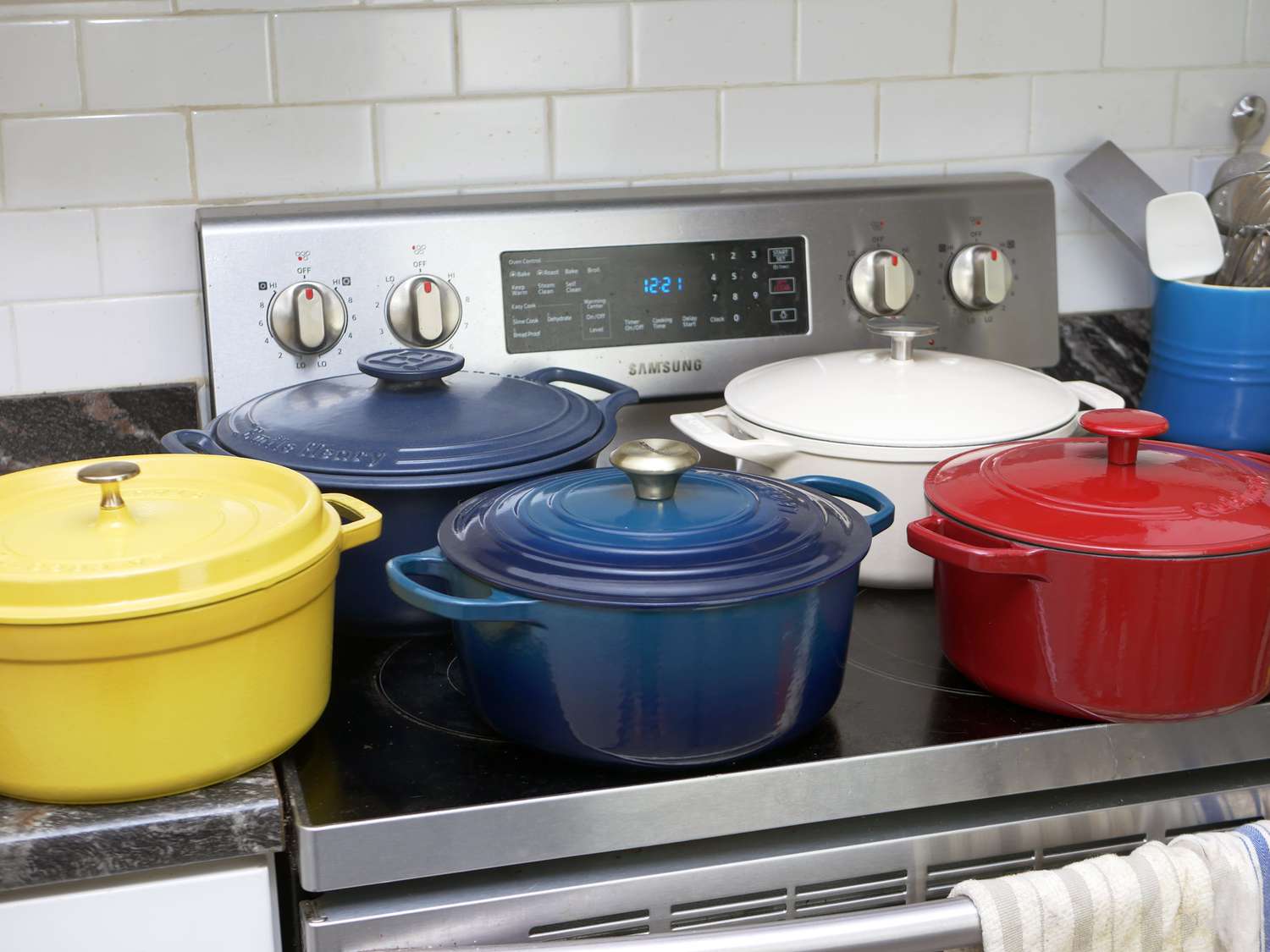

How we picked the best dutch oven
Finding the best dutch oven requires looking beyond marketing claims and focusing on three measurable performance metrics: heat retention, lid fit, and enamel durability. We tested models from Le Creuset, Staub, and Lodge by simulating high-heat sears and long-duration braises to see how each pot performed under stress.
Heat retention is the primary differentiator. Cast iron holds temperature better than thinner alternatives, but the weight and thickness of the walls vary significantly. We measured how quickly each pot recovered heat after adding cold ingredients, a critical factor for searing meats without dropping the internal temperature.
Lid fit determines moisture retention. A tight seal keeps liquids from evaporating too quickly, ensuring stews remain moist and grains cook evenly. We inspected the rim-to-lid interface on every model, looking for gaps that could let steam escape. Even a slight misalignment can turn a braise into a reduction.
Enamel durability is the final test. The coating protects the iron from rust and acidic foods, but it is vulnerable to chipping. We subjected each pot to thermal shock—moving it from hot oven to cold counter—to check for cracks. We also noted how well the enamel resisted staining from tomato-based sauces and turmeric, common culprits for permanent discoloration.
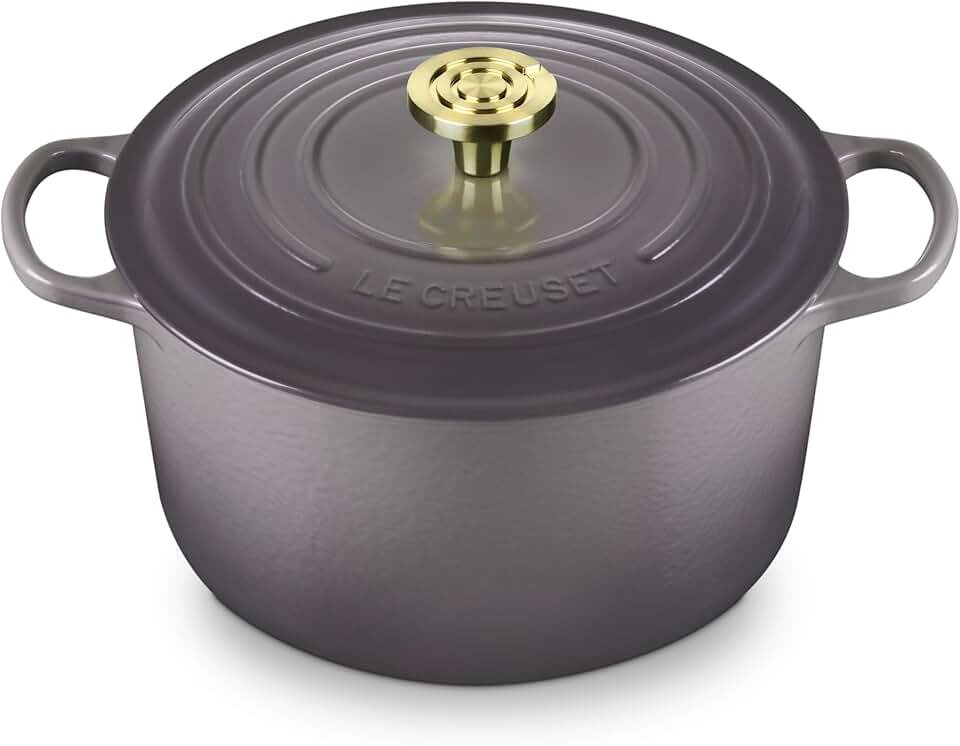
Best dutch oven: Le Creuset 5.5-Quart Round French Oven
When heat retention and lid fit are the primary metrics, the Le Creuset 5.5-Quart Round French Oven remains the benchmark. It is the most durable enameled cast iron option we have tested, consistently outperforming competitors in searing and stewing tasks. The heavy lid creates a tight seal that circulates moisture effectively, ensuring even cooking without the need for constant supervision.
While the price point is significantly higher than entry-level alternatives, the engineering justifies the cost for serious home bakers. The enamel coating is resistant to chipping and staining, and the ergonomic handles are designed for safe handling even when the pot is at maximum capacity. This durability means the pot can withstand decades of daily use without degrading in performance.
For those who prioritize precision and longevity over budget, this model sets the standard. It handles high-heat roasting and slow braising with equal competence, making it a versatile centerpiece for any kitchen.
Best budget enameled dutch oven
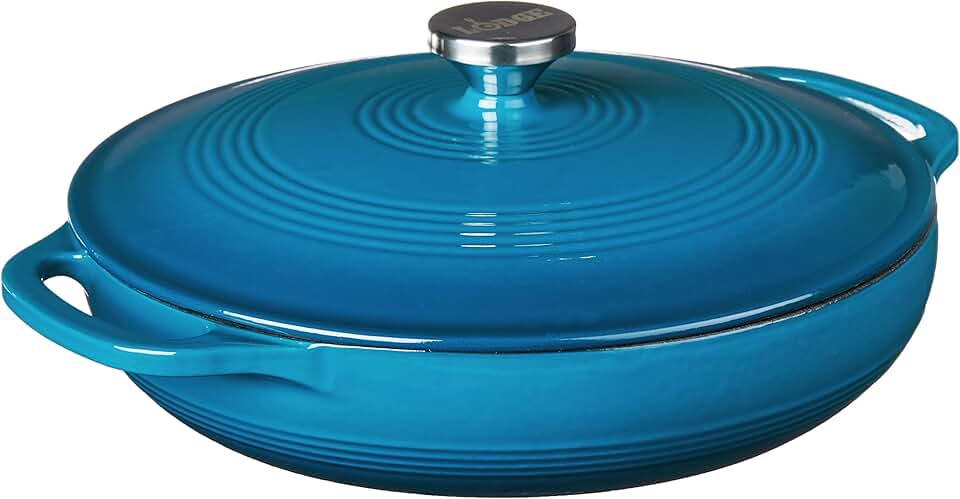
When the premium price of Le Creuset or Staub feels like a stretch, the Lodge 6-Quart Essential Enamel offers a compelling alternative. It delivers the core benefits of enamel-coated cast iron—easy cleaning and resistance to acidic foods—without the luxury markup. For readers hunting the best dutch oven that balances performance with affordability, this model consistently ranks as the top value pick in editorial testing.
The enamel coating here is durable enough for daily braising and stewing, yet it retains the heavy heat retention characteristic of cast iron. The lid fit is tight enough to seal in moisture, which is critical for tenderizing tough cuts of meat or baking crusty bread. While the finish may not match the glass-smooth perfection of high-end European brands, it performs comparably in real-world cooking scenarios.
The 6-quart capacity is the sweet spot for most households, handling everything from weeknight chili to weekend roasts. Dual helpers on the sides make it manageable to lift when full, a feature often missing in lighter enameled options. For those who want the best dutch oven experience without the premium price tag, the Lodge Essential Enamel is the logical choice.

Best cast iron dutch oven for baking
When the goal is sourdough, the best dutch oven is often the one that looks the least like a pot. Bare cast iron, specifically unenameled models from Lodge or Made-In, offers a distinct advantage for bread baking: superior heat retention and a lid that seals tightly without the weight of enamel.
Enamel coatings can sometimes cause steam to escape more readily or retain heat too aggressively, leading to uneven crusts. Bare cast iron acts as a thermal battery. It absorbs the oven’s heat and releases it steadily, creating the initial oven spring required for a high-rise loaf. The heavy lid, often weighted with a knob, traps moisture effectively, mimicking the steam-injected environment of a professional deck oven.
Lodge remains the accessible standard. Its 6-Quart Essential Enamel model (which comes pre-seasoned) or their bare cast iron variants provide the necessary mass for consistent baking. Made-In offers a similar profile with slightly refined machining, ensuring a flatter base that sits more evenly on oven racks. For pure bread performance, the lack of glaze means you can develop a darker, crisper crust without the risk of chipping enamel under high heat.

Enameled vs bare cast iron
Choosing the best dutch oven often comes down to a fundamental trade-off: convenience versus longevity. The decision splits cleanly between enameled and bare cast iron, each serving distinct cooking styles and maintenance tolerances.
Enameled cast iron, exemplified by the Le Creuset Signature and Staub Cocotte, features a glass-like coating fused to the metal. This enamel layer creates a non-reactive surface, making these pots ideal for simmering acidic dishes like tomato sauces, wine reductions, or citrus-based braises without metallic aftertastes. The smooth interior also simplifies cleanup, as food residues release more easily than from seasoned surfaces. However, this porcelain finish is susceptible to chipping if struck by metal utensils or subjected to rapid thermal shock.
Bare cast iron, such as the Lodge Cast Iron Dutch Oven, offers unmatched durability and superior heat retention. Without a coating to degrade, a well-seasoned bare pot develops a natural non-stick patina over time. It excels at high-heat searing and can transition seamlessly from stovetop to open fire. The trade-off is maintenance: bare iron requires hand-washing, immediate drying, and periodic oiling to prevent rust. It is also reactive to acids, meaning it should not be used for long-simmering tomato or vinegar-based dishes.
| Feature | Enameled (Le Creuset, Staub) | Bare Cast Iron (Lodge) |
|---|---|---|
| Acid Resistance | High (safe for tomatoes/wine) | Low (reacts with acids) |
| Maintenance | Dishwasher safe, no seasoning | Hand-wash, dry, oil regularly |
| Heat Retention | Excellent | Superior |
| Durability | Enamel can chip | Indestructible with care |
| Seasoning | Not required | Required for non-stick |
Best dutch oven buying guide checklist
Selecting the right vessel requires balancing capacity with your stovetop and oven constraints. The Le Creuset 5.5-Quart Round Dutch Oven remains a top performer for most households, offering enough volume for family meals without dominating the burner. For larger gatherings or bread baking, the Lodge 6-Quart Essential Enamel provides a cost-effective alternative with ample space.
Weight is a practical consideration that often gets overlooked until you are lifting a hot pot. Cast iron retains heat exceptionally well, but that density makes the pot heavy. If you have limited counter space or wrist strength, test the heft of models like Staub or Made-In before committing. The enamel coating adds slight weight but protects against chipping better than bare iron.
The lid fit is the most critical technical metric for moisture retention. A tight seal traps steam, which is essential for braising tough cuts of meat or achieving a crusty artisan bread. The Lodge 6-Quart Essential Enamel features a moisture-sealing lid design that rivals higher-end options. Ensure the lid sits flush without wobbling; gaps allow heat to escape, reducing cooking efficiency and extending prep times.


As an Amazon Associate, we may earn from qualifying purchases.
No comments yet. Be the first to share your thoughts!