
Dutch oven choices that change the plan
Choosing between cast iron and enameled cast iron comes down to how you plan to use the pot and how much effort you want to put into maintenance. Both types hold heat exceptionally well, but their surface treatments dictate what you can cook in them and how you clean up afterward.
Enameled cast iron features a glass-like coating that resists acidic foods like tomatoes and wine without reacting with the metal. This makes it ideal for braises, stews, and sauces that would otherwise impart a metallic taste to raw cast iron. However, the enamel can chip if dropped or struck against hard surfaces, and it generally commands a higher price point. Brands like Le Creuset and Staub are industry standards here, offering durability that justifies the cost for many home cooks.
Raw cast iron, often seen in brands like Lodge or Made-In, requires seasoning to build a natural non-stick surface. It excels at high-heat searing and baking because it can handle temperatures that might crack enamel. It is also significantly lighter and more affordable than its enameled counterparts. The tradeoff is maintenance: you cannot soak raw cast iron in water for long, and you must avoid abrasive cleaners to preserve the seasoning layer.
| Feature | Enameled Cast Iron | Raw Cast Iron | Weight |
|---|---|---|---|
| Acid Resistance | Excellent (glass coating) | Poor (reacts with acid) | N/A |
| Heat Retention | High | High | N/A |
| Max Temperature | ~500°F (150°C) | Unlimited (oven safe) | N/A |
| Maintenance | Dishwasher safe, no seasoning | Hand wash, re-season regularly | N/A |
| Durability | Can chip if dropped | Nearly indestructible | N/A |
| Cost | $$$ ($50-$300+) | $ ($20-$80) | N/A |
For most home cooks, the decision hinges on convenience versus versatility. If you frequently cook acidic dishes or want a pot that looks good on the table and requires minimal upkeep, enameled is the safer bet. If you prioritize high-heat searing, baking bread, or want a tool that will last generations with basic care, raw cast iron offers superior performance for the price.
Where each option wins
Choosing between cast iron and enameled Dutch ovens comes down to how you cook and how much maintenance you want to handle. Neither material is strictly superior; they simply excel in different environments. The right choice depends on your heat tolerance, cooking style, and willingness to care for the cookware.
Raw cast iron: the workhorse
Raw cast iron is built for durability and heat retention. It develops a natural non-stick surface over time and can handle extreme temperature changes without chipping. This makes it ideal for high-heat searing, campfire cooking, and long, slow braises where the pot might take a beating.
However, it requires seasoning and hand-washing to maintain its patina. Metal utensils are safe, but acidic foods like tomato sauce can strip the seasoning if left too long. If you want a pot that lasts generations and doesn’t care about scratches, raw cast iron is the practical choice.
Enameled cast iron: the versatile performer
Enameled cast iron features a glass-like coating that resists staining and reacts less with acidic ingredients. You can simmer tomato sauces or wine-based braises without worrying about metallic flavors or damaging the surface. The smooth interior also makes cleaning easier, and you don’t need to season it.
The trade-off is fragility. The enamel can chip if dropped or struck with metal utensils, making it less suitable for rough handling or outdoor use. It’s heavier than raw iron in some designs and generally more expensive, but it offers a wider range of cooking applications without the maintenance burden.
Quick comparison
| Feature | Raw Cast Iron | Enameled Cast Iron |
|---|---|---|
| Heat Retention | Excellent | Excellent |
| Maintenance | Requires seasoning | No seasoning needed |
| Acidic Foods | Can strip seasoning | Safe for acidic foods |
| Durability | Very high (scratch-resistant) | Moderate (chipping risk) |
| Weight | Heavy | Heavy |
| Price | Lower | Higher |
How to choose the right Dutch oven for your kitchen
If you cook frequently with acidic ingredients, value easy cleanup, or want a pot that looks good on the table, choose enameled cast iron. If you prioritize ruggedness, high-heat performance, or budget, raw cast iron is the better fit. Many home cooks end up owning both, using enameled for daily stews and raw iron for searing and baking.
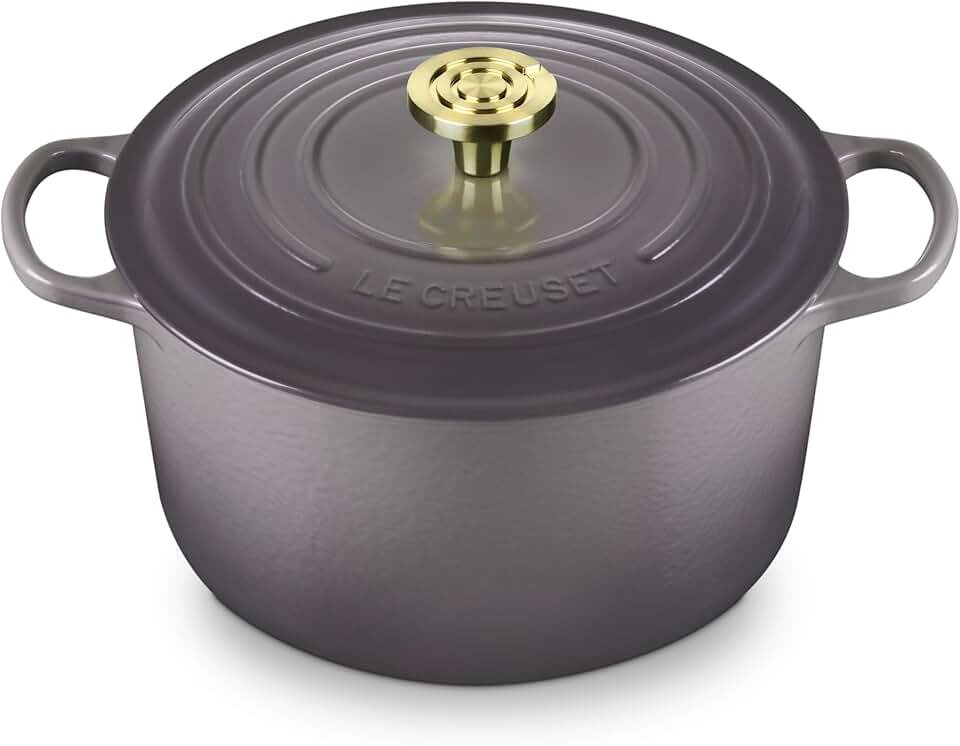


As an Amazon Associate, we may earn from qualifying purchases.
Details worth checking
Before buying a Dutch oven, look past the marketing claims and inspect the physical details. Enameled cast iron is heavy and expensive, so the manufacturing tolerances matter more than with bare metal. Here are the specific risks and exclusions to verify.
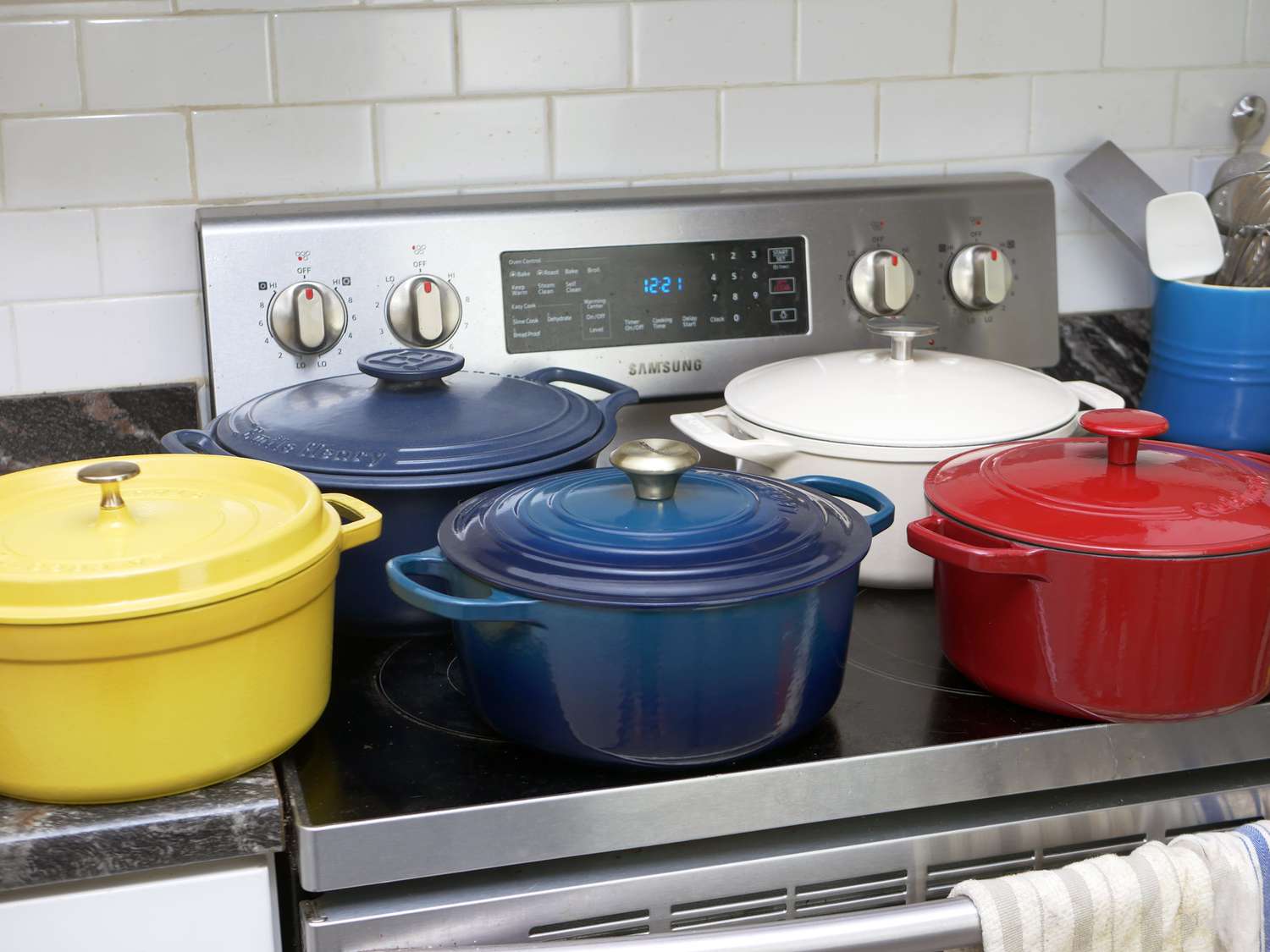
A poor seal ruins slow-cooked dishes. Look for self-basting lids with condensation spikes that drip liquid back onto the food. The lid should sit flush without wobbling; gaps let steam escape and dry out braises.
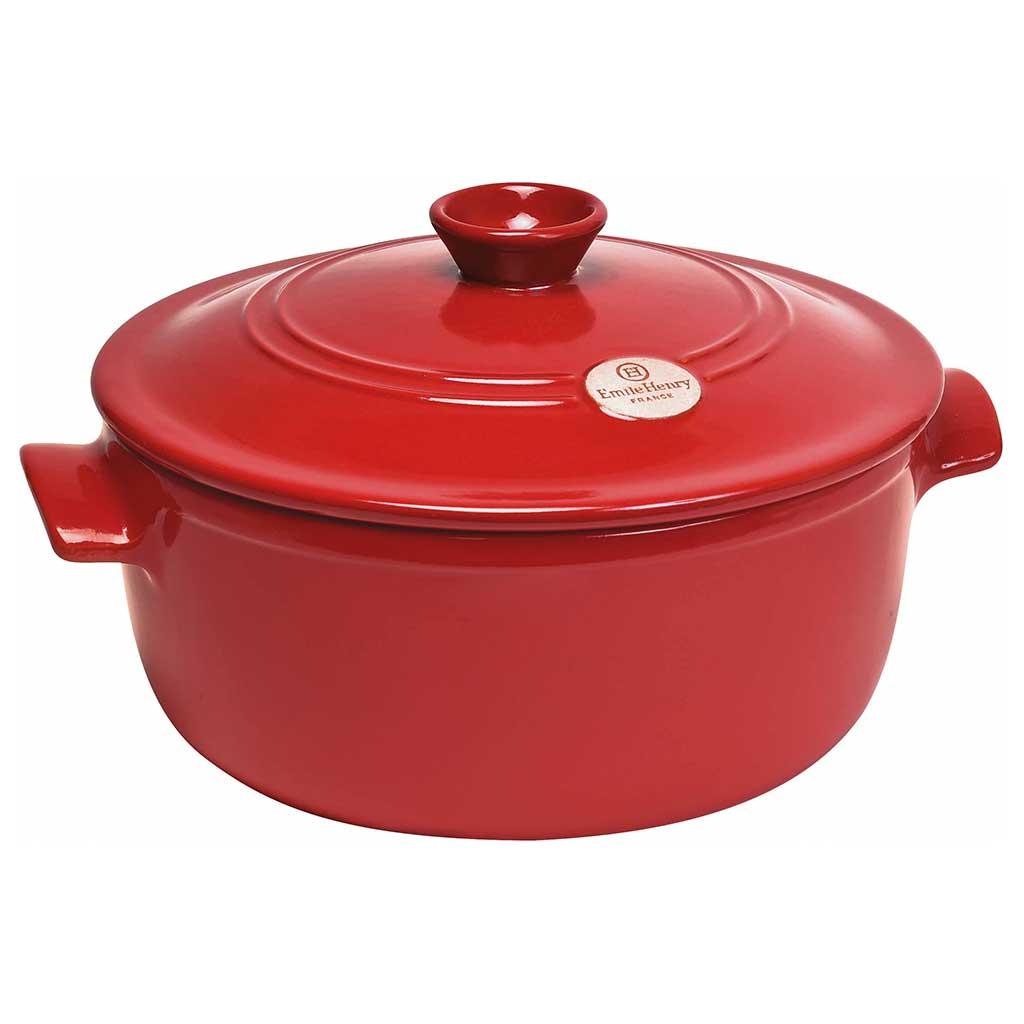
Enameled surfaces are glass. Check the rim and handle attachment points for hairline cracks or thin spots. A single chip can expose the cast iron underneath, leading to rust and metal flaking into your food. This is a common defect in cheaper brands.
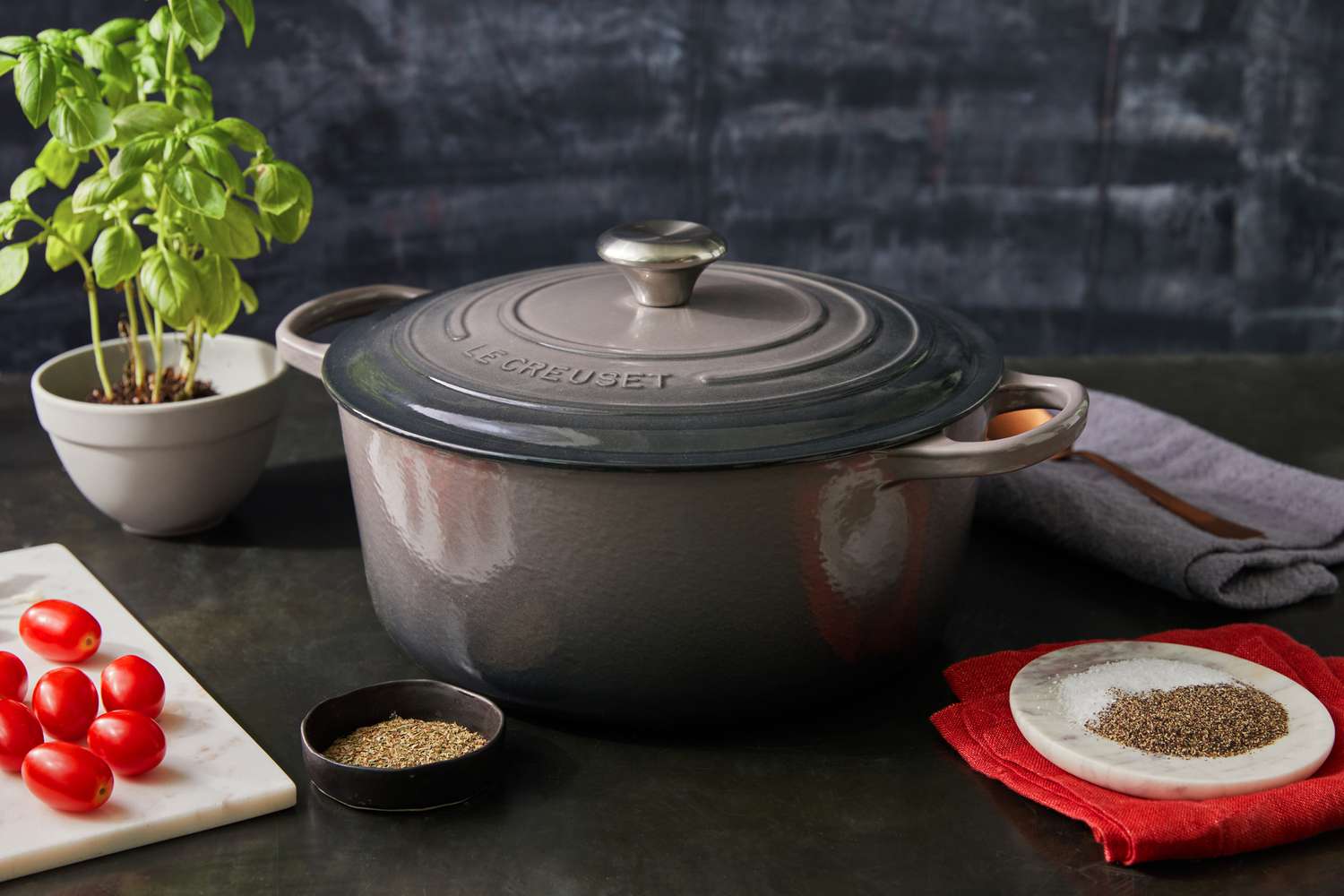
Cast iron holds heat long after the stove is off. Check if the handles are designed to stay cool or if they require oven mitts for temperatures above 350°F. Some enameled handles have hollow cores that get dangerously hot, while others are solid and safer to touch.
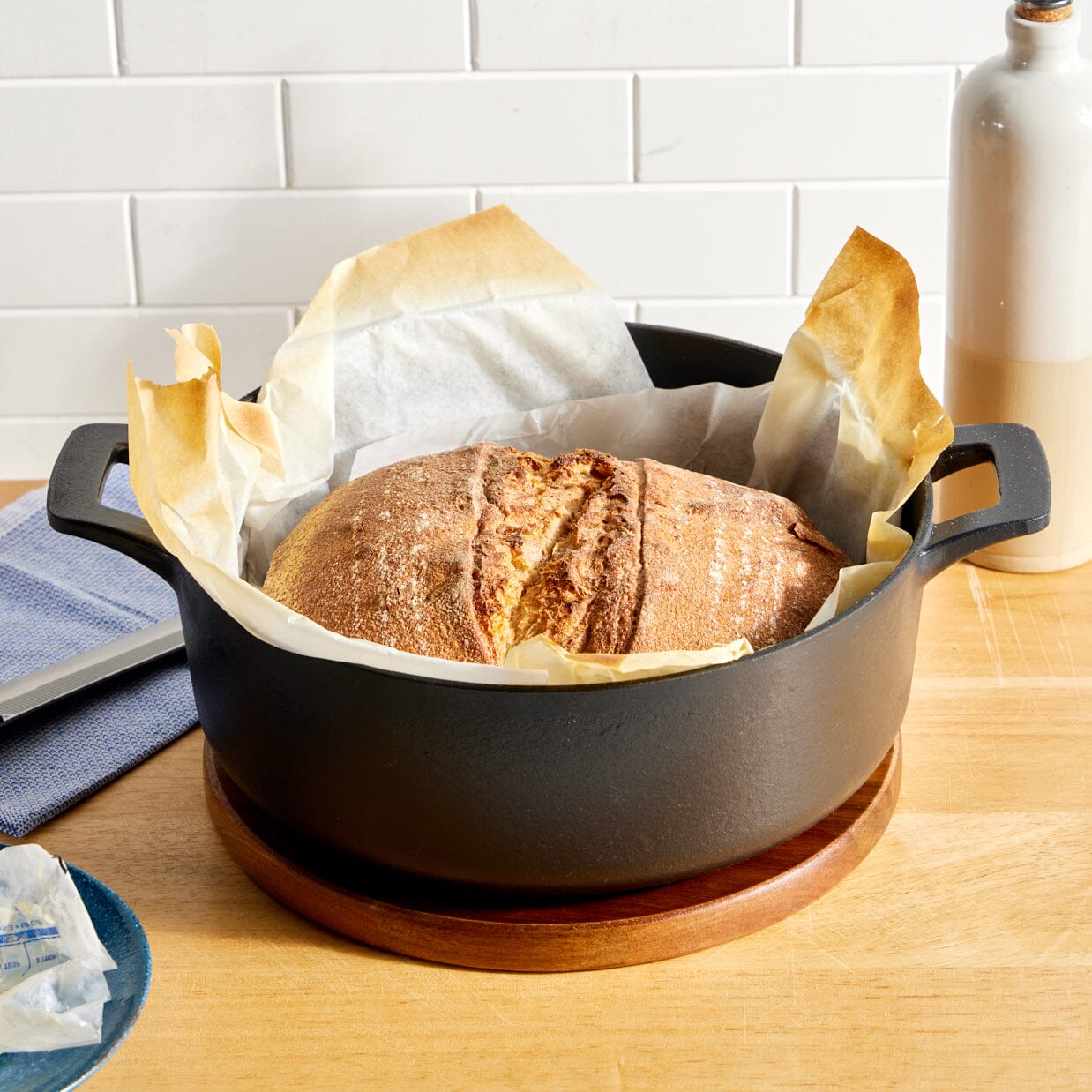
Not all Dutch ovens are created equal. Some enameled lids have plastic knobs that melt in high-heat roasting. Verify the maximum oven-safe temperature, especially if you plan to sear meat or bake bread at 500°F. Many standard lids cap out at 400°F or 450°F.
Always check the warranty terms. A good enamel coating should resist chipping under normal use. If the manufacturer offers a lifetime warranty against enamel defects, it signals confidence in their coating process.
Finally, consider the weight. A 7-quart enameled Dutch oven can weigh over 15 pounds. If you have limited counter space or arthritis, a lighter aluminum or carbon steel alternative might be a practical choice, even if it lacks the heat retention of cast iron.
Dutch oven: what to check next
Before committing to a specific model, it helps to know what the top testing labs actually look for. America’s Test Kitchen recommends the Le Creuset 7¼ Quart Round Dutch Oven for its durability and even heating, while Wirecutter points to the same brand’s 5½-Quart Round French Oven as the best overall choice for most households. These recommendations highlight a simple tradeoff: premium enameled cast iron offers superior heat retention and aesthetic longevity, but it comes with a significantly higher price tag than budget-friendly alternatives.
If you are worried about maintenance, remember that enameled cast iron requires less effort than bare cast iron. You do not need to season the interior, and you can safely use metal utensils and non-abrasive cleaners without damaging the surface. However, the enamel can chip if dropped or struck against a hard surface, so it requires a bit more care than raw iron. For everyday braising and baking, an enameled pot is generally easier to live with, while bare cast iron is better suited for high-heat searing if you do not mind the upkeep.
No comments yet. Be the first to share your thoughts!