
Start with the right size
Most home cooks make the same mistake: buying a Dutch oven that is too large. A 5- to 6-quart pot is the standard starting point for a reason. It is the ideal size for everyday cooking, handling family meals for four to six people without taking up excessive storage space or requiring two-handed lifting when full.
Consumer Reports tests consistently show that 5- to 6-quart round Dutch ovens are the most versatile. They are large enough to hold a whole chicken or a substantial batch of stew, yet small enough to fit comfortably on standard stovetop burners and work on induction cooktops. This size offers the right balance of capacity and handling.
Buying a larger pot, such as an 8-quart or bigger, might seem like a good idea for entertaining, but it often leads to underfilling. Cooking small amounts in a massive pot causes moisture to evaporate too quickly, drying out meats and sauces. Conversely, a 3-quart pot is often too small for browning meat properly, forcing you to cook in batches. The 5- to 6-quart range avoids these pitfalls, serving as the workhorse of the kitchen for everything from braising to baking bread.
Enameled vs. bare cast iron: which is right for you?
Choosing a dutch oven often comes down to a simple trade-off between convenience and performance. Enameled cast iron pots feature a glass-like coating that makes them virtually maintenance-free and resistant to acidic foods. Bare cast iron, by contrast, relies on seasoning—a polymerized layer of oil—to create a natural non-stick surface. This bare metal requires more care but offers superior searing capabilities and greater durability over decades of use.
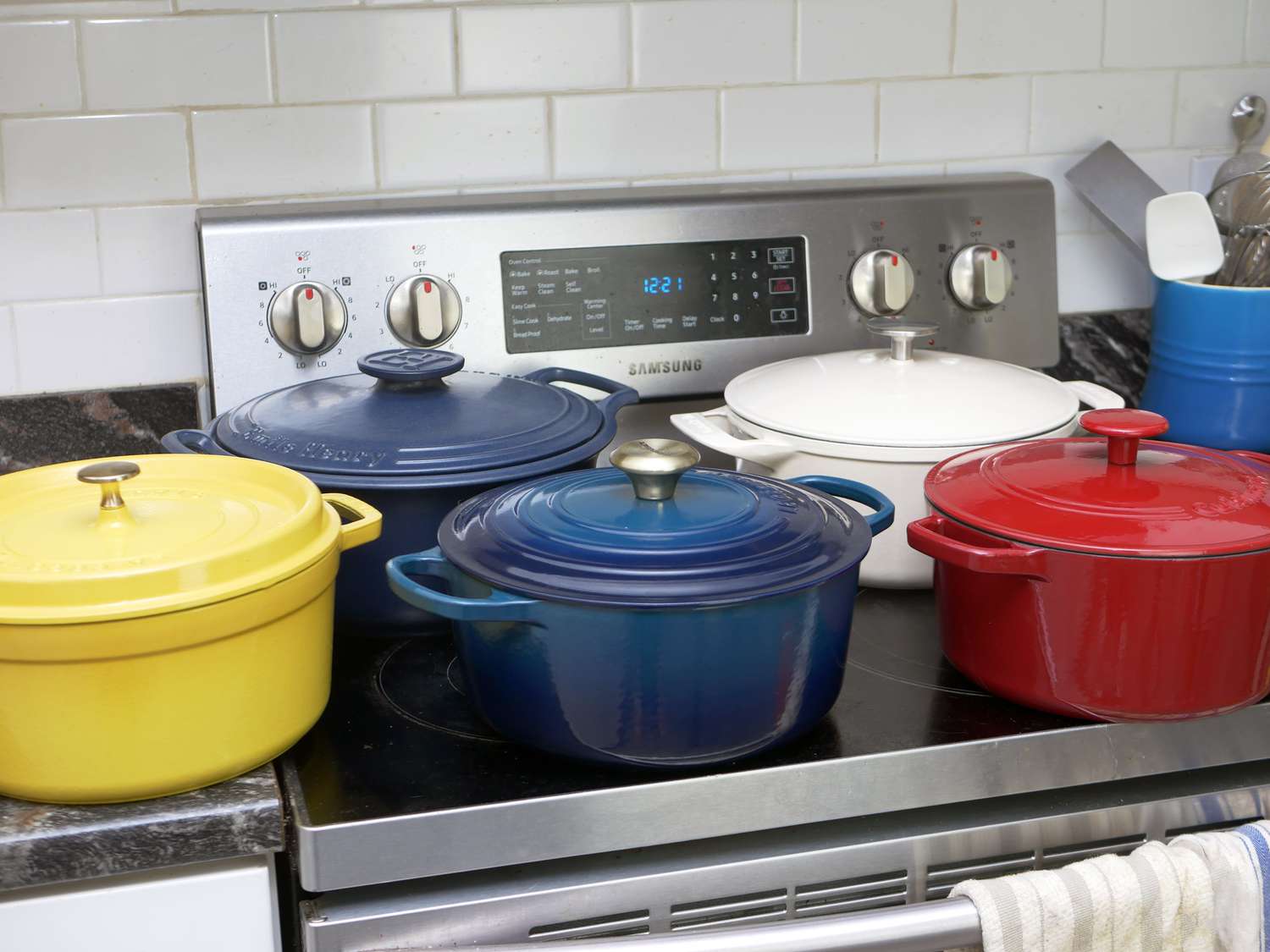
The visual difference is immediate. Enameled pots come in a wide array of colors and finishes, making them suitable for serving directly at the table. Bare cast iron retains its classic black, matte appearance and develops a unique patina with use.
Comparison at a glance
The table below breaks down the key differences to help you decide based on your cooking habits.
| Feature | Enameled Cast Iron | Bare Cast Iron |
|---|---|---|
| Maintenance | None (dishwasher safe) | Requires regular seasoning |
| Acid Resistance | Excellent (tomatoes, wine) | Poor (can react/metallic taste) |
| Searing Performance | Good | Excellent (superior heat retention) |
| Durability | Chips if dropped | Indestructible (can re-season) |
| Price Range | $100 - $300+ | $30 - $100 |
| Oven Safe | Yes (up to 500°F) | Yes (up to 500°F+) |
When to choose enameled cast iron
Enameled dutch ovens are the better choice if you cook with acidic ingredients like wine, vinegar, or tomatoes frequently. The glass coating prevents these acids from reacting with the iron, which can ruin the flavor of your food and damage the seasoning on bare pots. They are also ideal for cooks who want a pot that looks good on the table and requires minimal effort to clean. If you prefer the ease of putting your cookware in the dishwasher, enameled is the clear winner.
When to choose bare cast iron
Bare cast iron is the superior tool for high-heat cooking techniques like searing steaks or frying. It heats up evenly and retains heat longer than enameled counterparts, creating a better crust on meats. If you are on a budget or want a pot that can last for generations, bare cast iron is more affordable and nearly indestructible. You can drop it, overheat it, or scrub it with steel wool, and it will always recover with a re-seasoning.
Top enameled picks
Enameled cast iron offers the easiest maintenance of any Dutch oven type. The glass-like coating prevents acidic foods from reacting with the metal and eliminates the need for seasoning. You can scrub it with soap and store it without drying it obsessively. The trade-off is the enamel can chip if dropped or struck against a hard surface.
Staub: Best for baking
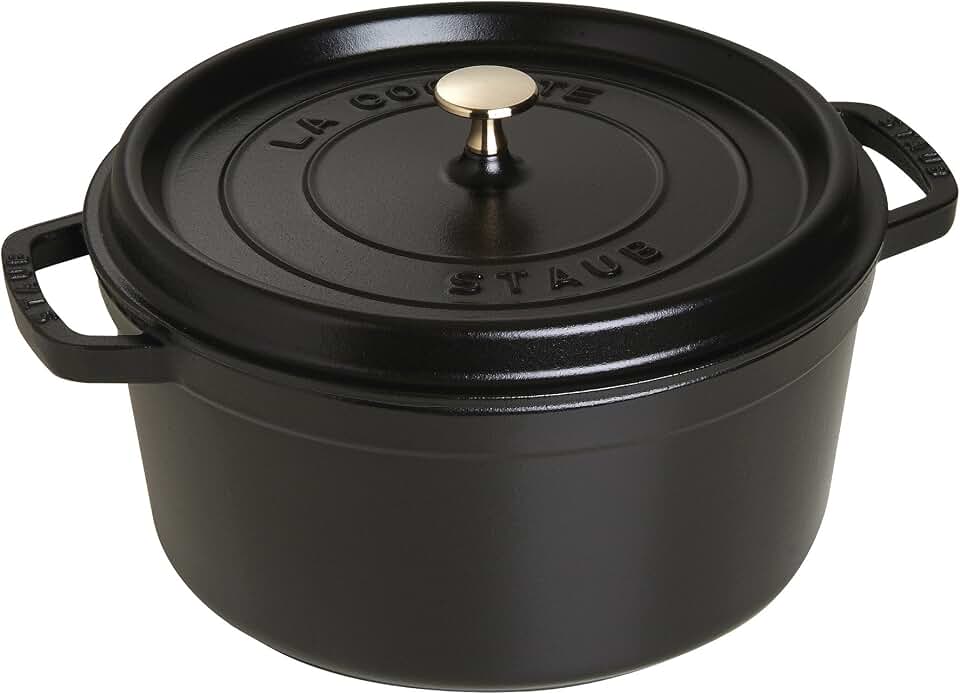
Staub’s matte black interior is designed to trap moisture and circulate condensation back into the food. This self-basting lid makes it the superior choice for baking bread, where steam generation creates a crisp crust. The heavy lid also distributes heat evenly for slow braises.
Le Creuset: Best for prestige and versatility
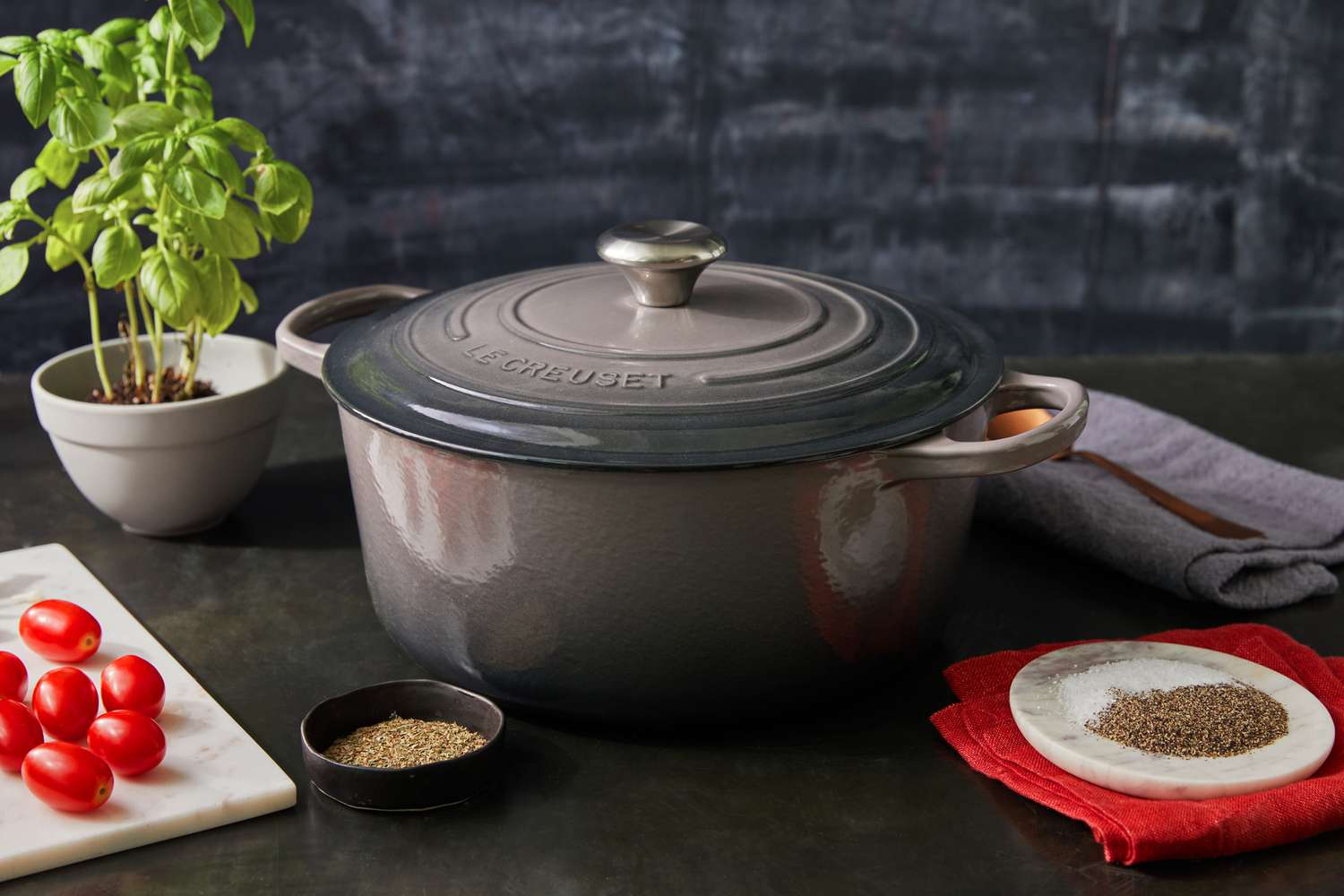
Le Creuset remains the industry standard for enameled cookware. Its smooth white interior allows you to monitor browning and sauce consistency visually, which Staub’s black interior obscures. The vibrant colors and classic shape make it a centerpiece on the stovetop.
Made In and Zulay: Best value
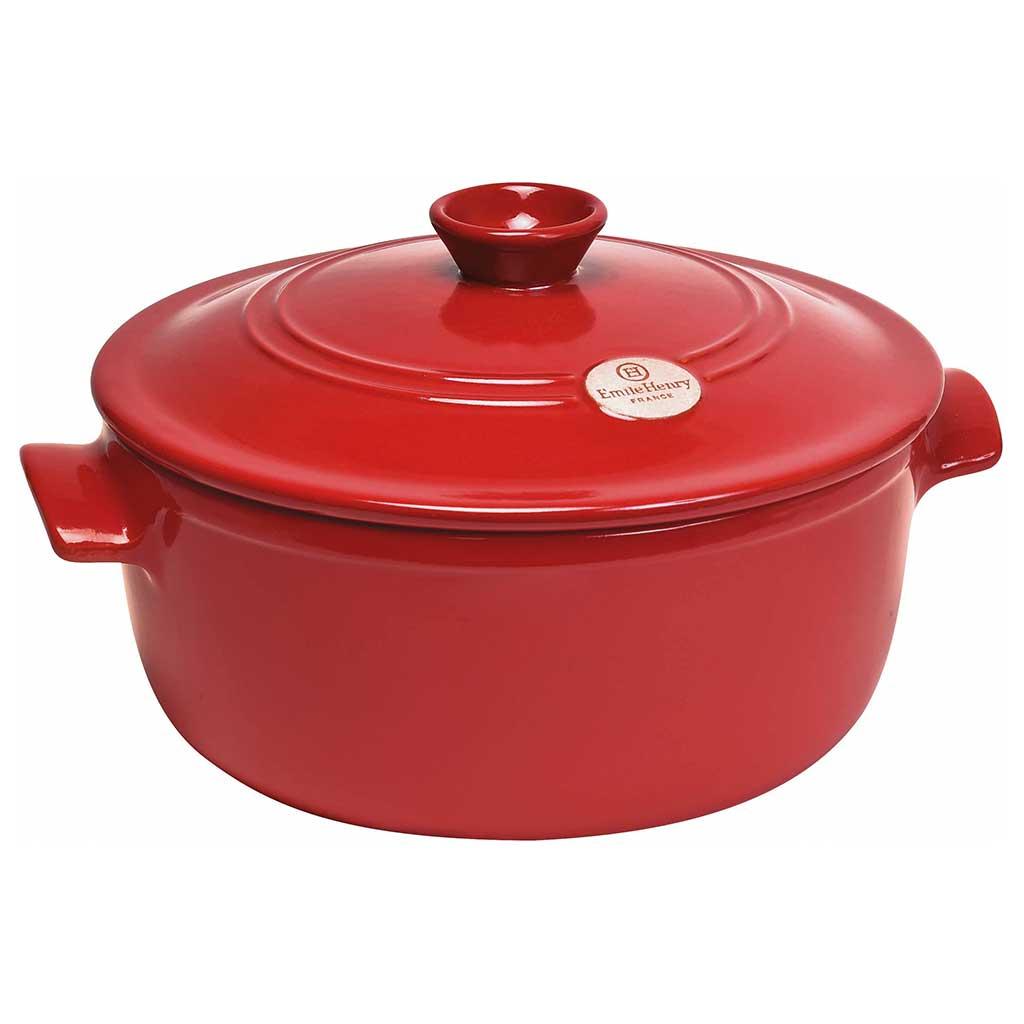
Made In offers a durable enamel finish with tight tolerances at a lower price point than the French giants. Zulay provides an even more budget-friendly entry point for home cooks who want the convenience of enameled cast iron without the premium markup. Both brands handle everyday tasks like roasting and boiling well.



As an Amazon Associate, we may earn from qualifying purchases.
Best bare cast iron options
Bare cast iron offers the highest heat retention and durability, but it demands active maintenance. Unlike enameled versions, you must season the interior to build a non-stick surface and prevent rust. This path is for cooks who prioritize performance over convenience and don't mind the upkeep.
Lodge remains the default choice for budget-conscious buyers. Their 6-Quart Round Dutch Oven is widely available and affordable, making it an accessible entry point. However, the factory seasoning is thin, and the interior often feels rough until you build layers of oil over time. It works on gas, electric, and induction, but the heavy lid and basic handle design can feel clunky compared to premium brands.
Field Company addresses the common complaints about rough interiors and poor ergonomics. Their Dutch Oven features a polished interior that requires less initial seasoning and offers a smoother cooking surface from day one. The handles are designed for better grip and weight distribution, making the heavy pot easier to maneuver. You pay a premium for this refinement, but the trade-off is a significantly more pleasant user experience.
AmazonProductGrid is the best way to compare current pricing for these bare cast iron picks.


As an Amazon Associate, we may earn from qualifying purchases.
Check lid fit and handle design
A tight-fitting lid is the difference between a dry roast and a tender braise. When the lid seals snugly against the pot, moisture stays inside and circulates, keeping meats and vegetables moist during long, slow cooking. Look for lids that sit flush without wiggling. If you can see daylight between the rim and the lid, steam will escape, and your food will dry out before it’s done.
Handle design matters just as much as the seal. Loop handles are generally safer and easier to lift than small, flat knobs. They allow you to grip the pot firmly with an oven mitt, distributing the weight of the heavy cast iron more evenly. Small knobs can be awkward to grip and offer less leverage when you’re hauling a full pot out of a hot oven.
Also check for knobs that are oven-safe to high temperatures. Some cheaper models have plastic or wooden knobs that can’t handle the heat, forcing you to remove the lid with tongs or risk melting the hardware. Metal knobs or those with silicone covers are the most reliable choice for high-heat roasting.
Your final decision checklist
Choosing the right dutch oven comes down to balancing maintenance effort with cooking versatility. Use this quick checklist to decide between enameled and bare cast iron, and ensure the size fits your household.
Choose enameled if you want easy cleaning and don't mind higher costs. Pick bare cast iron if you don't mind building a natural non-stick seasoning layer over time but want a durable, budget-friendly option.
Stick to a 5-to-6-quart capacity for most home cooks. This size handles family meals and braising without being too heavy to lift or too large for standard stovetops and ovens.
Look for looped side handles for a secure grip and a tight-fitting lid to retain moisture. A heavy lid is better for baking bread, while a lighter lid suits general stovetop use.
If budget is your main constraint, bare cast iron offers the best value. If convenience and color variety matter more, enameled cast iron is the better long-term investment for your kitchen.
Common questions about dutch ovens
What do I look for when buying a dutch oven?
Focus on size, lid fit, and interior finish. A heavy lid seals moisture better, while the interior material determines maintenance. Enameled interiors resist staining and require no seasoning, whereas bare cast iron builds a natural non-stick patina over time. Choose the finish based on whether you cook acidic dishes frequently or prefer the rustic texture of seasoned metal.
Should I get a 5 quart or 7 quart Dutch oven?
A 5- to 7-quart capacity is the sweet spot for most households. This size accommodates roasts for five people and provides enough surface area to brown meat without being too heavy to lift. Smaller 3- to 4-quart pots work for solo cooking or small families, but the 6-quart range offers the most versatility for stews, braises, and baking bread.
Which is better, enameled or cast iron?
The choice depends on your cooking style and maintenance preferences. Enameled cast iron is easier to clean, doesn't require seasoning, and handles acidic foods like tomatoes without reacting. Bare cast iron is generally more affordable and develops a superior non-stick surface with use, but it requires regular oiling and cannot be used with abrasive cleaners or long-simmered acidic sauces.
No comments yet. Be the first to share your thoughts!