
Top Picks at a Glance
Finding the best dutch oven depends on whether you prioritize durability, ease of cleaning, or budget. We tested dozens of models to identify the clear winners in three distinct categories: best overall, best value, and best enameled option.
The Le Creuset Signature Enameled Cast-Iron 5½-Quart Round French Oven remains the gold standard for performance and longevity. It heats evenly, retains heat exceptionally well, and withstands daily use without chipping. While it carries a premium price tag, it is the most durable oven we have tested, making it the best dutch oven for serious home cooks who want a lifetime investment.
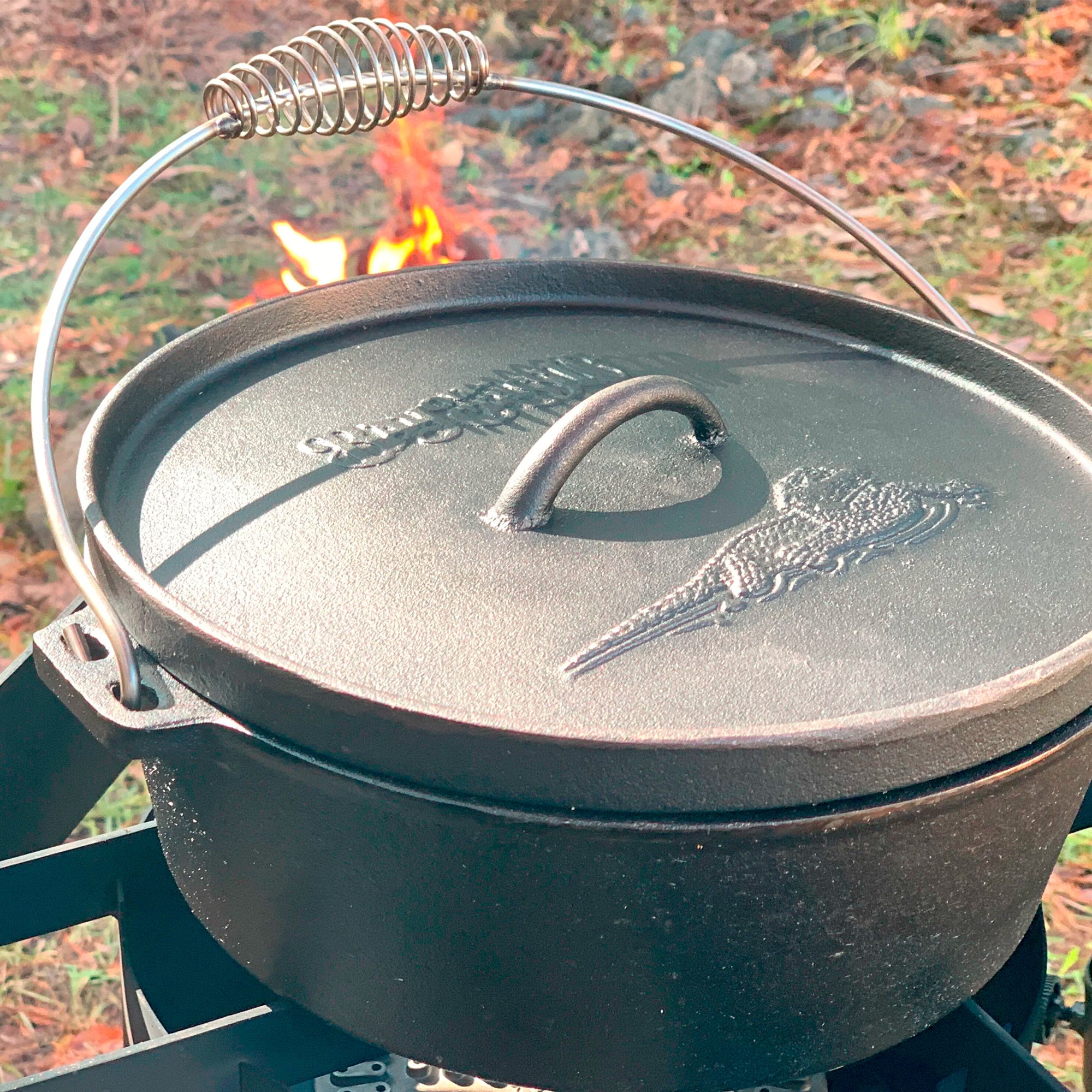
For those seeking a budget-friendly alternative, the Lodge 6-Quart Essential Enameled Cast-Iron Dutch Oven offers nearly identical performance at a fraction of the cost. It sears and stews with aplomb, though the enamel may chip more easily over time compared to Le Creuset. If you are willing to season a bare cast iron pot, the Lodge 6-Quart Cast Iron Dutch Oven is the best value pick, offering unmatched heat retention for the lowest price.


As an Amazon Associate, we may earn from qualifying purchases.
Enameled vs. bare cast iron
Choosing between enameled and bare cast iron comes down to how you handle maintenance and what you cook most often. Both types are made from heavy cast iron that retains heat exceptionally well, but the surface coating changes everything about how you use them.
Enameled cast iron
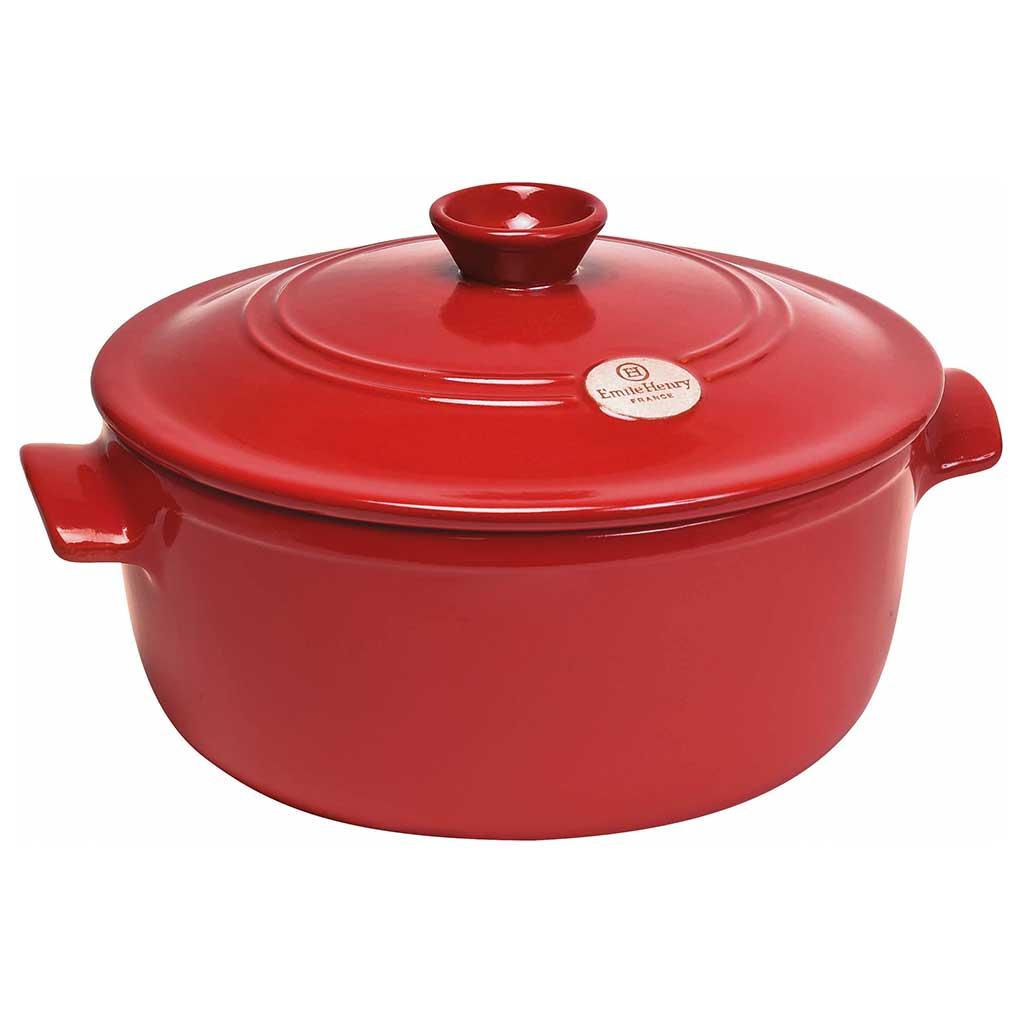
Enameled Dutch ovens feature a glass-like coating fused to the iron. This makes them non-reactive, meaning you can safely simmer acidic dishes like tomato sauce or wine-based braises without worrying about metallic flavors or damaging the pot. They require no seasoning and are generally easier to clean, making them the preferred choice for everyday versatility.
However, the enamel is brittle. Dropping a heavy lid or banging the pot against a hard surface can chip the coating, exposing the iron underneath to rust. They also tend to be significantly more expensive than their bare counterparts. Brands like Le Creuset and Staub dominate this space, with independent testing groups consistently praising the Le Creuset 7¼ Quart Round Dutch Oven for its durability and even heating.
Bare cast iron
Bare cast iron is uncoated, raw iron that requires seasoning—a process of building up layers of polymerized oil to create a natural non-stick surface. Once seasoned, these pots develop a patina that improves with use. They are incredibly durable, resistant to chipping, and can withstand extreme heat, making them ideal for searing steaks or baking bread on a grill.
The trade-off is maintenance. You must dry bare cast iron immediately after washing to prevent rust, and you cannot cook highly acidic foods for long periods, as they will strip the seasoning and react with the iron. Despite this, bare cast iron is far more affordable and virtually indestructible if cared for properly.
Side-by-side comparison
Use this table to quickly see which best dutch oven type aligns with your cooking habits.
| Feature | Enameled Cast Iron | Bare Cast Iron |
|---|---|---|
| Maintenance | Low (dishwasher safe, no seasoning) | High (hand wash, dry immediately, re-season) |
| Acidic Foods | Safe for tomatoes, wine, vinegar | Avoid long simmering; can strip seasoning |
| Durability | Can chip if dropped or struck | Virtually indestructible; can withstand abuse |
| Non-stick Surface | Moderate (depends on quality) | Excellent once well-seasoned |
| Price Range | $100–$400+ | $30–$100 |
| Best For | Braising, soups, baking, versatility | Searing, frying, grilling, rustic cooking |
Best enameled dutch ovens
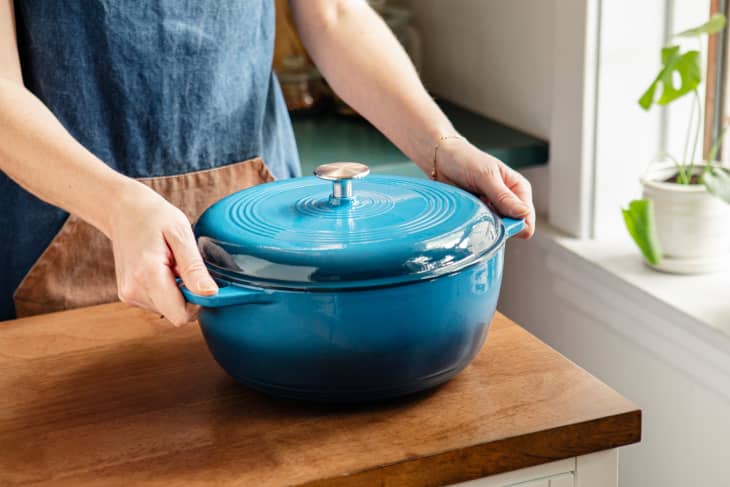
When searching for the best dutch oven, enameled cast iron stands out for its versatility and ease of maintenance. Unlike bare cast iron, the glass-like coating eliminates the need for seasoning and prevents acidic ingredients like tomato sauce or wine from reacting with the metal. This makes enameled pots ideal for braising, stewing, and baking bread without worrying about rust or metallic flavors.
Le Creuset Signature Enameled Cast-Iron Round French Oven
Le Creuset remains the gold standard for enameled dutch ovens, a reputation built on decades of consistent performance. Testing from Serious Eats and Wirecutter consistently ranks the 5.5-quart round model as the top choice due to its superior heat retention and durability. The tight-fitting lid creates an excellent self-basting environment, keeping meats tender during long braises. While the price point is high, the pot is built to last generations, making it a worthwhile investment for serious home cooks.
Staub Cast Iron Round Cocotte
Staub offers a compelling alternative with a slightly different design philosophy. Its matte black interior is naturally non-stick and requires no seasoning, while the unique lid features inward-pointing spikes that circulate moisture more effectively than Le Creuset’s smooth lids. This makes Staub particularly excellent for roasting meats and baking crusty bread. The heavy, tight-sealing lid ensures minimal evaporation, resulting in richer sauces and more tender dishes.
Lodge 6-Quart Essential Enameled Dutch Oven
For those seeking the best dutch oven without the premium price tag, Lodge provides a reliable and budget-friendly option. The 6-quart essential enameled dutch oven delivers solid performance for everyday cooking, from searing chicken to simmering chili. While the enamel may not be as chip-resistant as Le Creuset’s over many years, it offers exceptional value. It is a great entry point for beginners or those who need a larger pot for family meals.
Best bare cast iron dutch ovens
Bare cast iron remains the gold standard for searing and heat retention. Unlike enameled options, the raw surface develops a polymerized seasoning layer that improves with use, effectively becoming non-stick over time. This makes it the superior choice for frying steaks, baking bread, and cooking rustic dishes without worrying about chipping enamel.
Lodge Cast Iron Dutch Oven
The Lodge Dutch Oven is the definitive entry point for bare cast iron. It offers the same 120-year-old manufacturing heritage as their skillets but in a heavy, round vessel. The lid features a tight-fitting design with small gaps that allow controlled steam release, ideal for braising. It is affordable, durable, and widely available. While it requires seasoning and maintenance to prevent rust, its performance-to-price ratio is unmatched in the category.
Made-In Cast Iron Dutch Oven
For those willing to pay a premium for modern engineering, the Made-In Dutch Oven stands out. It features a smoother interior finish than Lodge, which aids in initial seasoning and cleaning. The lid is weighted with a central knob that fits perfectly, ensuring better moisture retention during long braises. It is slightly lighter than traditional Lodge pots, making it easier to handle for one-person cooking, while still delivering exceptional heat distribution.
Tramontina Enameled Cast Iron Dutch Oven
Tramontina bridges the gap between budget and premium with its enameled line. While technically enameled, it shares the structural integrity of bare cast iron. The interior enamel is smooth and resistant to staining, requiring no seasoning. It performs admirably for everyday cooking and is often recommended by experts like Serious Eats for its consistent quality and reasonable price point. It is a low-maintenance alternative for those who want cast iron benefits without the upkeep.
Choosing the right size
Buying the wrong capacity is the most common mistake when shopping for a best dutch oven. A pot that is too small crowds food, preventing proper browning, while one that is too large wastes energy and makes stirring difficult. Your ideal size depends on your household count and the recipes you cook most often.
For couples or solo cooks, a 3 to 4-quart round Dutch oven is the sweet spot. It handles weeknight stews, single roasts, and bread baking without taking up excessive storage space. If you regularly cook for four to six people, aim for a 5 to 6-quart model. This size accommodates family-sized meals and offers enough headspace for sourdough expansion, which Serious Eats notes performs best in this range for crust development.
Households of seven or more, or those who entertain frequently, should look at 7-quart and larger options. These pots are essential for large batches of chili, stock, or whole turkeys. However, consider your stove burner size and oven capacity; a massive pot may not heat evenly on smaller burners or fit comfortably in standard home ovens.
Use this checklist to finalize your decision:
-
Count the number of people you regularly feed.
-
Identify your most frequent recipes (stew, roast, bread).
-
Check your stove burner diameter and oven interior dimensions.
-
Verify lid fit and handle comfort for lifting heavy loads.
Frequently asked: what to check next
What is the best dutch oven for sourdough bread?
A 5 to 6-quart round dutch oven is ideal for sourdough. This size provides enough room for the dough to expand without touching the lid, ensuring proper oven spring and crust development. Both enameled and bare cast iron work well, provided the lid fits tightly to trap steam.
Can I use metal utensils with enameled dutch ovens?
It is generally recommended to avoid metal utensils with enameled dutch ovens, as they can scratch or chip the glass-like coating. Wooden, silicone, or nylon utensils are safer choices to preserve the enamel’s integrity and prevent rust exposure.
How do I remove burnt-on food from a dutch oven?
For enameled pots, fill the pot with water and a splash of dish soap, then simmer on the stove for 10–15 minutes. The loosened residue can usually be wiped away with a non-abrasive sponge. For bare cast iron, avoid soap if possible; instead, use coarse salt and a stiff brush to scrub away debris, then re-season if the surface feels rough.
Is cast iron safe for acidic foods like tomato sauce?
Bare cast iron is not safe for long-simmering acidic foods, as the acid can strip the seasoning and impart a metallic taste. Enameled cast iron is safe for acidic dishes like tomato sauce, wine-based braises, and citrus marinades because the glass coating prevents reaction with the iron.
No comments yet. Be the first to share your thoughts!