
Why enameled cast iron wins
When searching for the best dutch oven for baking viral bread, material choice dictates the outcome. Enameled cast iron has become the standard in professional and home kitchens because it solves the two biggest headaches of raw cast iron: maintenance and reactivity. The glass-like coating creates a non-porous surface that prevents acidic ingredients like tomatoes or wine from leaching into your food, while eliminating the need to season the pot before every use.
Beyond convenience, the enamel layer acts as an insulator. It retains heat significantly longer than standard stainless steel or thin aluminum pots, creating the stable, radiant heat environment necessary for a proper crust on artisan bread. This thermal mass allows the dough to rise evenly without hot spots that can cause uneven baking or burnt bottoms.
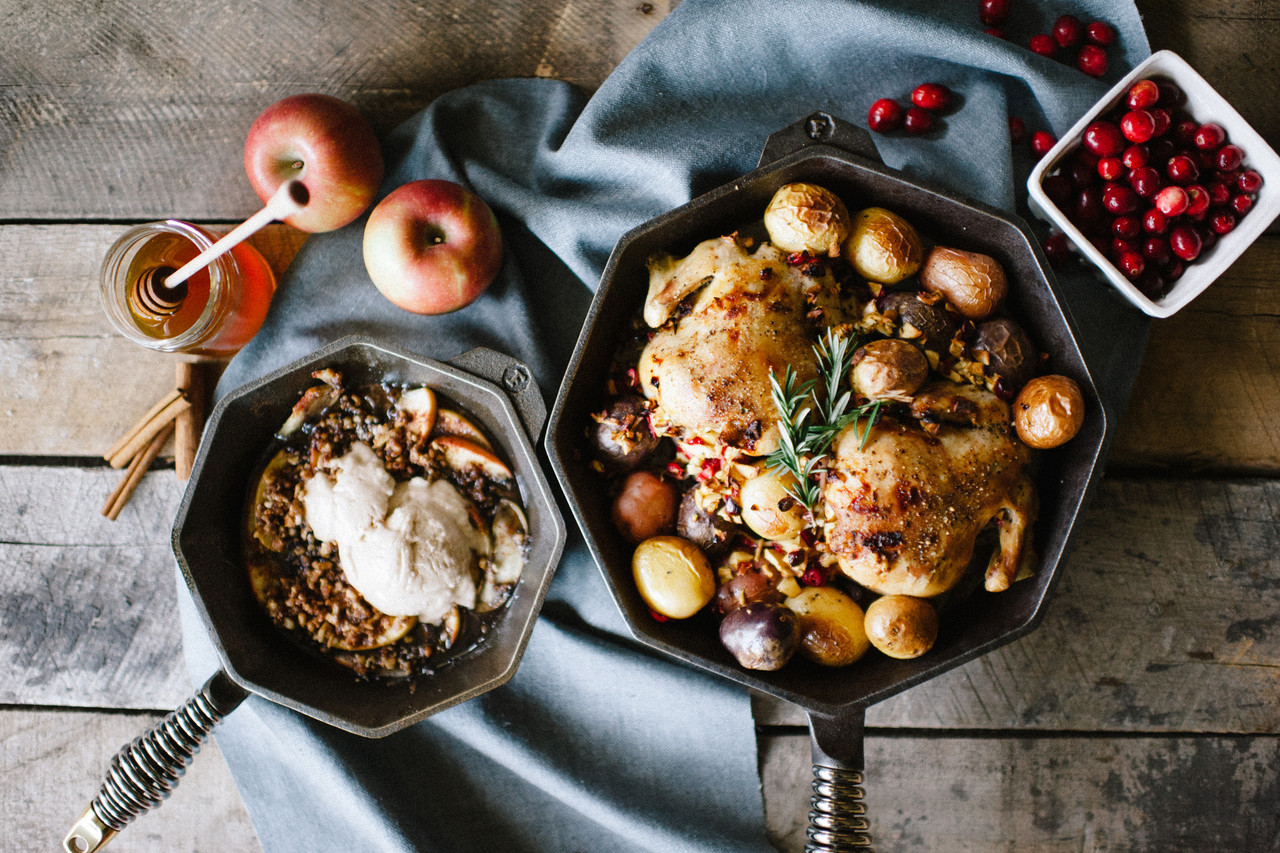
While raw cast iron requires careful drying to prevent rust and can react with acidic sauces, enameled versions offer the same superior heat distribution with the ease of a ceramic pot. You can go from searing meat to simmering a sauce without worrying about stripping the seasoning or scrubbing with soap. This versatility makes enameled cast iron the most reliable tool for the complex baking process required for viral sourdough.
Top rated dutch ovens compared
Choosing the right dutch oven depends on how often you cook and what you prioritize in your kitchen. We tested the leading brands to see how they handle the heavy lifting required for viral bread recipes, slow braises, and high-heat searing. The results show a clear divide between premium craftsmanship and budget-friendly reliability.
| Brand | Price Range | Weight (5.5qt) | Lid Type | Warranty |
|---|---|---|---|---|
| Le Creuset | $300–$400 | 13.5 lbs | Dome with spikes | Lifetime |
| Staub | $250–$350 | 12.5 lbs | Dome with spikes | Lifetime |
| Lodge | $40–$60 | 10.5 lbs | Flat with knob | Limited |
Le Creuset remains the gold standard for even heat distribution and durability. Its signature enamel finish resists chipping better than most, making it a lifetime investment for serious home cooks. Staub offers a close competitor with a slightly darker interior that hides stains better, though some users find the lid knobs easier to grip.
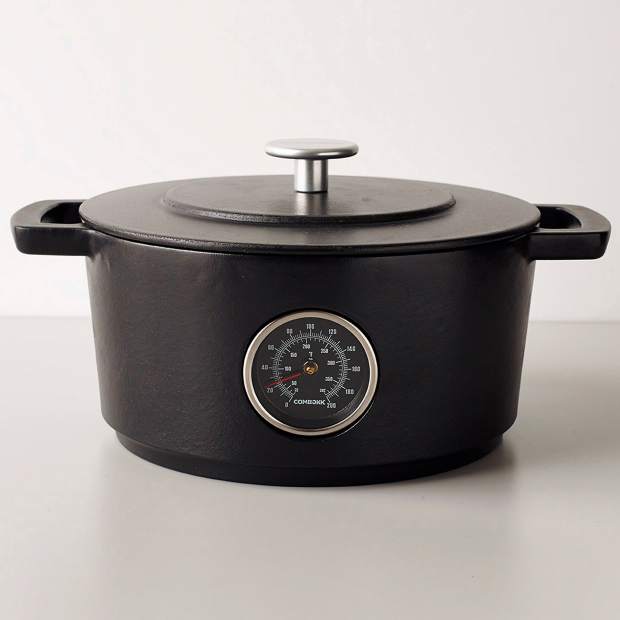
For those on a budget, Lodge provides surprising performance. While it lacks the refined finish of its premium rivals, the Lodge 6-Quart Essential Enamel holds heat effectively and delivers excellent results for bread baking and roasting. It is the most accessible entry point into enameled cast iron.
Viral no knead bread recipe
The secret to professional-quality crusty bread at home isn't complex technique; it's the vessel. A high-quality enameled cast iron Dutch oven acts as a miniature steam-injected oven, trapping moisture during the initial bake to create an airy crumb and a deep, blistered crust. Whether you choose a premium Le Creuset or a budget-friendly Lodge, the 6-quart size is the sweet spot for this specific viral no-knead method.
This recipe relies on time rather than effort. You mix the ingredients, let the dough rest for 12 to 18 hours, and then bake it in the preheated pot. The enamel interior prevents sticking and ensures even heat distribution, while the heavy lid seals in steam. Below is the precise method to get that bakery-style result every time.
Common Bread Baking Mistakes
Even with the best dutch oven, a loaf can fail if the process is rushed or misunderstood. Cast iron retains heat with intense consistency, which means small errors in timing or temperature control become obvious quickly. A dense crumb usually signals under-proofing or insufficient steam, while a pale crust often points to a lid that stayed on too long or an oven that wasn't hot enough.
Troubleshooting Density and Color
The most frequent culprit for a tight, gummy interior is removing the lid too early. The trapped steam softens the crust, allowing the loaf to expand fully before setting. If you lift the lid before the thirty-minute mark, the bread loses its lift potential and bakes into a dense brick. Conversely, leaving it on for the entire bake prevents the Maillard reaction, resulting in a pale, soft shell rather than a crisp, golden crust.
Oven temperature stability matters just as much as the pot itself. A dutch oven acts as a miniature convection chamber; if your oven fluctuates, the bread won't rise evenly. Use an oven thermometer to verify the actual heat inside, and ensure your oven is fully preheated before the pot goes in. An underheated pot shocks the dough, killing the yeast activity needed for the "oven spring" that gives bread its airy structure.
The Pre-Bake Checklist
To avoid these pitfalls, follow this simple routine before the dough hits the pot. Consistency in these steps is what separates a good loaf from a great one.
-
Preheat the empty dutch oven and lid for at least 30 minutes at 450°F (230°C).
-
Score the dough deeply with a razor blade to control expansion and prevent tearing.
-
Verify oven temperature with a standalone thermometer to ensure accuracy.
-
Keep the lid on for the first 20–30 minutes to maximize steam and rise.
-
Remove the lid only when the crust has set and begun to brown.
No comments yet. Be the first to share your thoughts!