
The best dutch oven overall
For most home cooks, the Le Creuset Signature Enameled Cast-Iron 5½-Quart Round Dutch Oven is the best dutch oven you can buy. It consistently tops our testing charts, delivering superior heat retention and even cooking for everything from searing steaks to slow-simmering stews. While it carries a premium price tag, the investment pays off in durability and performance that lasts for decades.
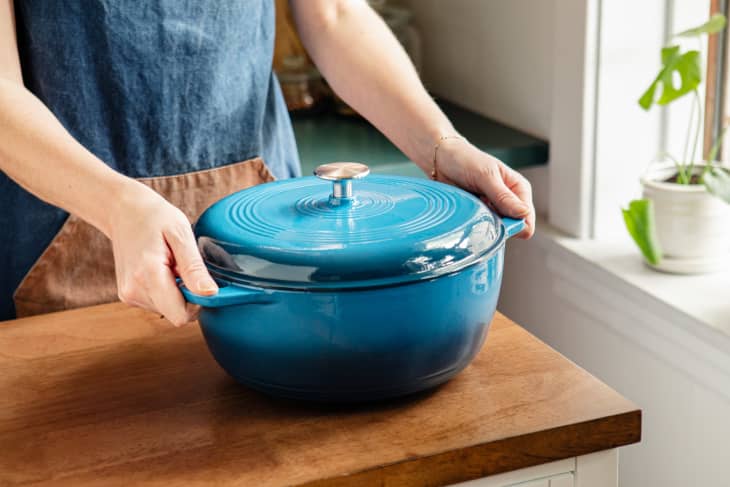
Le Creuset’s signature enamel coating is not just about aesthetics; it creates a smooth, non-reactive surface that makes cleanup effortless. You can cook acidic dishes like tomato sauce or wine reductions without worrying about metallic tastes or damaging the pot. The heavy lid locks in moisture, ensuring tender results every time.
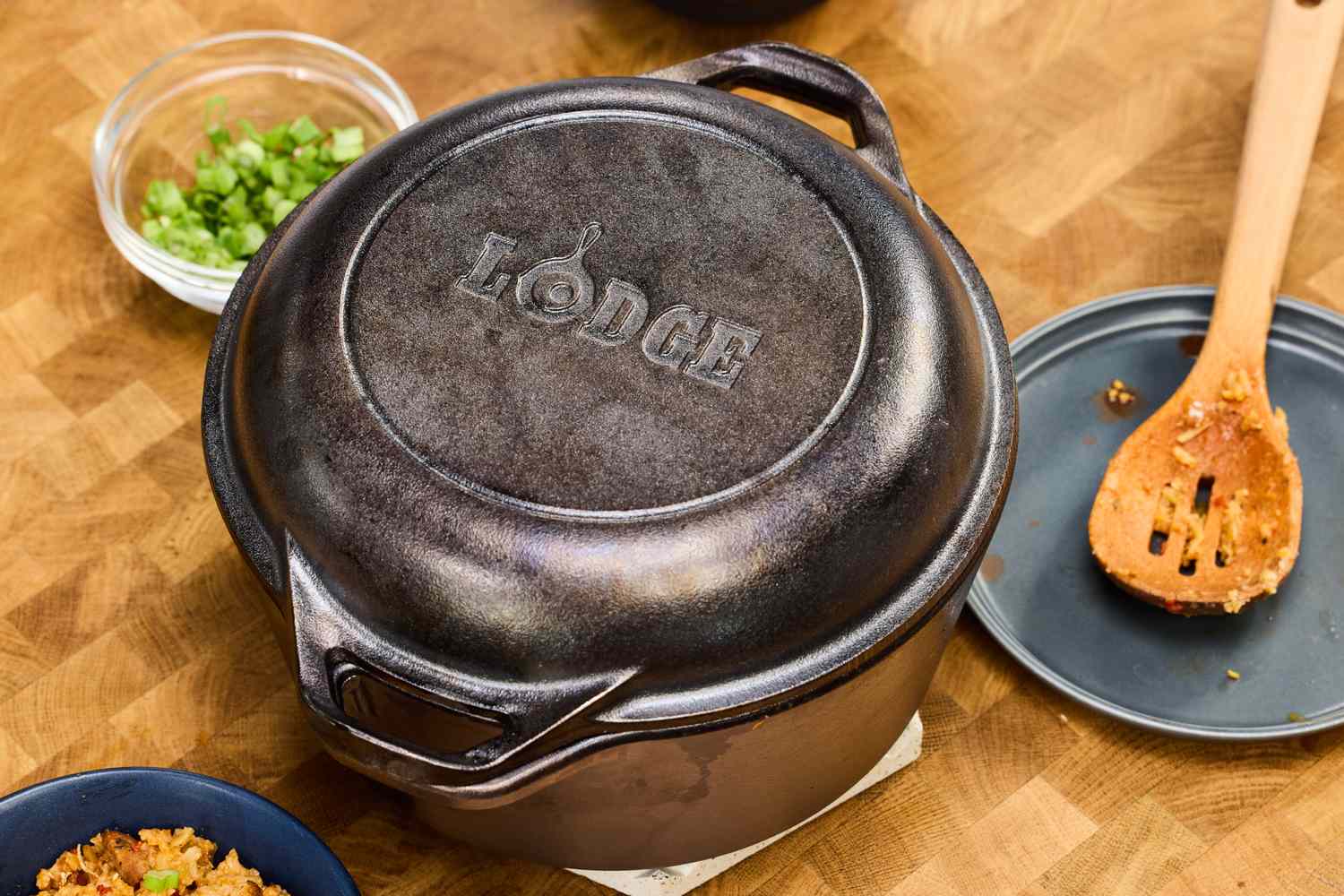
If you are looking for a budget-friendly alternative that still performs well, the Lodge 6-Quart Essential Enameled Cast-Iron Dutch Oven is a strong contender. It offers similar capacity and decent heat distribution for a fraction of the cost. However, the enamel on budget pots can chip more easily over time, and the finish may not be as smooth or easy to clean as Le Creuset’s. For daily, heavy-duty use, the Le Creuset remains the gold standard.
Compare the top dutch oven picks
Before diving into the detailed reviews, it helps to see how the leading models stack up against each other. Whether you are looking for the best dutch oven for everyday braising or weekend bread baking, this side-by-side view highlights the key differences in price, weight, and capacity.
The Le Creuset 5.5-Quart remains a longtime favorite for its superior heat retention and searing capabilities, though it comes at a premium. For those seeking value without sacrificing performance, the Lodge Essential Enamel offers a robust 6-quart capacity that handles everything from slow cooking to marinating with ease.
| Model | Material | Capacity | Weight | Price |
|---|---|---|---|---|
| Le Creuset 5.5-Quart Round | Enameled Cast Iron | 5.5 qt | 12.8 lbs | $300+ |
| Lodge Essential Enamel 6-Quart | Enameled Cast Iron | 6 qt | 11.5 lbs | $50-$70 |
| Lodge Cast Iron 5-Quart | Bare Cast Iron | 5 qt | 11.2 lbs | $30-$40 |
| Cuisinart Chef's Classic 6-Quart | Enameled Cast Iron | 6 qt | 10.9 lbs | $80-$100 |
Cast iron vs enameled dutch oven
Choosing between bare cast iron and enameled cast iron comes down to two main factors: maintenance and flavor. Both types share the same heavy, heat-retaining core, but the surface coating changes how you cook and clean.
Bare cast iron is the traditional choice. It requires seasoning—a layer of polymerized oil—to create a natural non-stick surface. This process takes time, but the payoff is a pan that gets better with age. It handles high-heat searing and oven-to-table transitions beautifully. However, it demands attention. You can’t soak it in water, and acidic foods like tomato sauce can strip the seasoning if left too long.
Enameled cast iron features a glass-like coating fused to the metal. This eliminates the need for seasoning and makes cleanup much easier. You can cook acidic dishes without worry, and the smooth surface doesn’t require special detergents. The trade-off is durability. The enamel can chip if dropped or struck with metal utensils, and it generally shouldn’t go through thermal shocks like going from a hot oven to cold water.
For most home cooks, an enameled dutch oven is the easier daily driver. It’s forgiving and versatile for soups, stews, and braises. If you love the ritual of seasoning and want to sear steaks at high heat, bare cast iron is worth the extra effort.
Best budget dutch oven picks
You don't need to spend $300 to get a dutch oven that handles bread baking, braising, and slow cooking with ease. The market is full of enamel cast iron options that cut the price tag while keeping the heat retention that makes these pots so reliable. We've rounded up the top high-value alternatives that deliver serious performance without the luxury brand markup.
The Lodge Essential Enamel Cast Iron Dutch Oven is often the go-to recommendation for budget shoppers. It offers a generous 6-quart capacity, a moisture-sealing lid, and dual pour spouts for less than half the cost of premium brands. While the enamel finish might not be as glossy as Le Creuset, it holds up well to daily use and cleans up easily. It's a workhorse that proves you can get professional results at a home cook's price point.
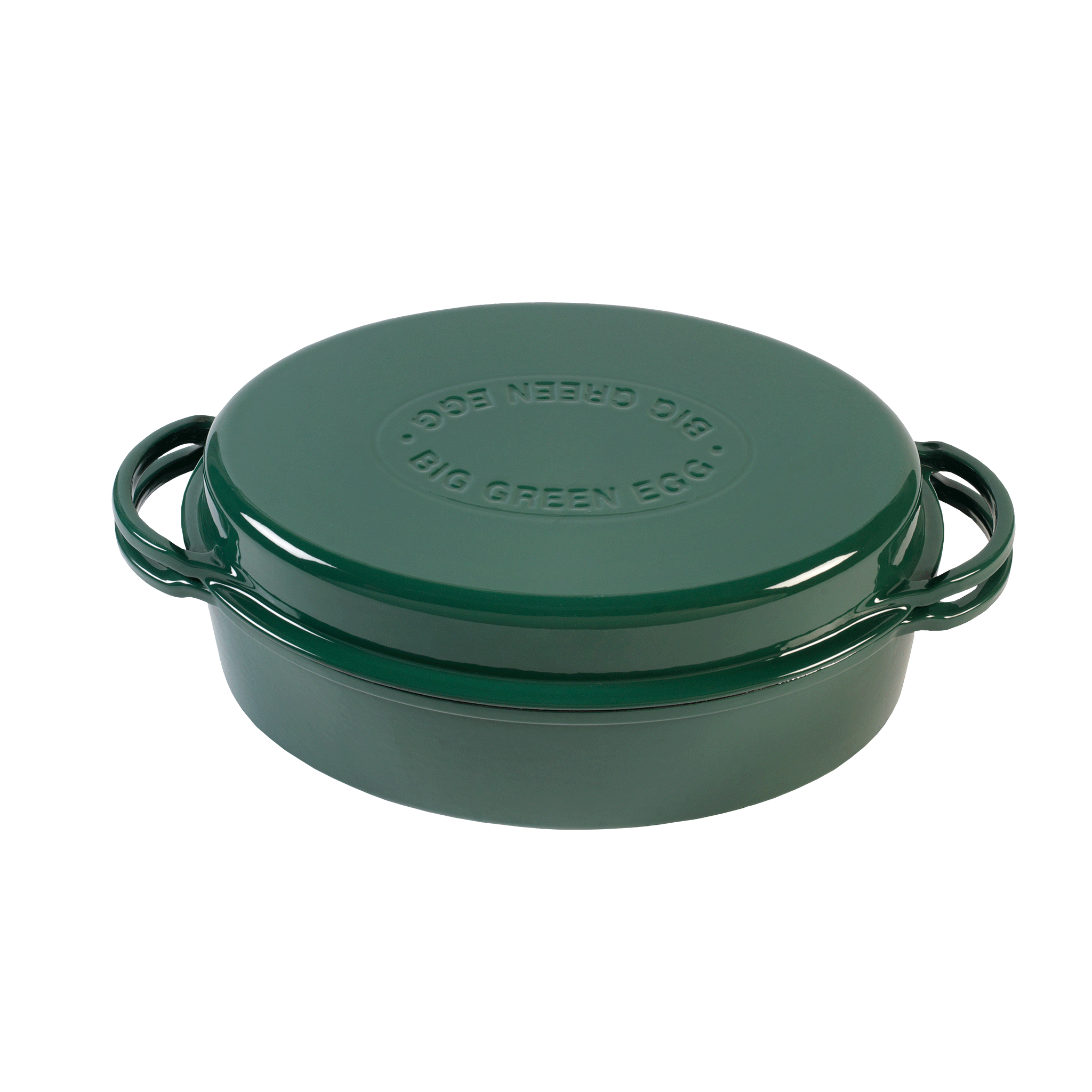
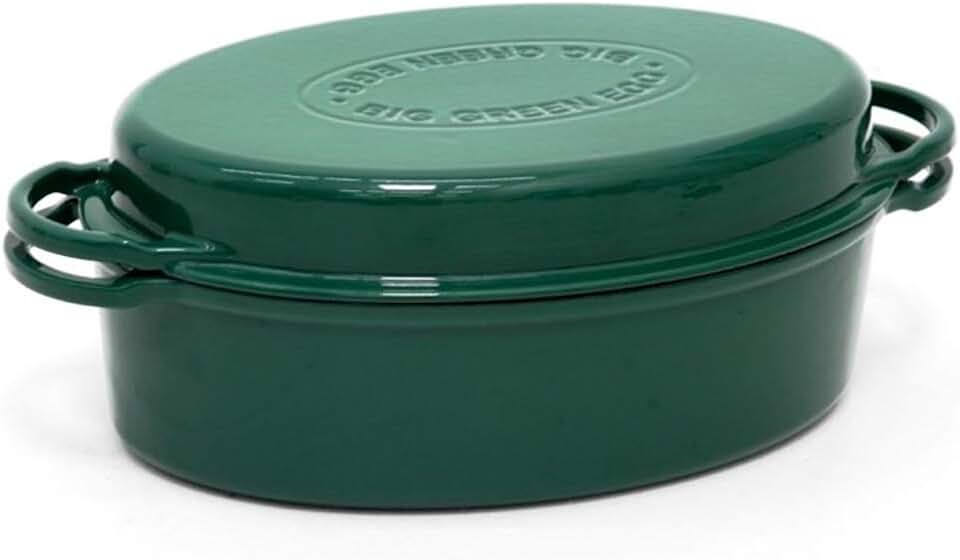
If you prefer a more oval shape for roasting whole chickens or large cuts of meat, the Big Green Egg Enameled Cast Iron Oval Dutch Oven is a strong contender. It combines the durability of cast iron with a sleek enamel coating that resists chipping. The lid fits snugly to lock in moisture, making it ideal for tough cuts of meat that need long, slow cooking. It's a bit heavier than some competitors, but the even heat distribution makes it worth the extra weight in your pantry.
For those who want a no-nonsense, utilitarian option, the Cuisinart Chef's Classic Enameled Cast Iron Dutch Oven is hard to beat. It features a smooth enamel interior that doesn't require seasoning and is safe for metal utensils, which is a rare feature in this category. The handles are designed for a comfortable grip, even when the pot is full of heavy stew. It's not the prettiest pot on the shelf, but it gets the job done reliably every time.


As an Amazon Associate, we may earn from qualifying purchases.
How to choose your dutch oven
Picking the best dutch oven for your kitchen comes down to three main factors: size, material, and lid type. Getting these right ensures the pot fits your household and handles your cooking style without taking up too much cabinet space.
A 5-quart dutch oven is the standard for most families. It fits a whole chicken and handles soups for four to six people. If you cook for two or meal prep in batches, a 3-quart model is easier to store and heat. For larger gatherings, look for 6-quart or 8-quart options, but remember they are heavier and require more storage space.
Traditional bare cast iron is durable and retains heat exceptionally well, but it requires seasoning and can react with acidic foods like tomato sauce. Enameled cast iron has a glass-like coating that prevents staining and rust, making it easier to clean and safe for acidic dishes. It’s more expensive but offers more versatility for daily cooking.
A tight-fitting lid is crucial for trapping moisture, which is essential for braising and baking bread. Look for lids with a self-basting design, where the interior bumps drip condensation back onto the food. Also, check that the handles are sturdy and oven-safe, as you’ll likely need to move the pot from the stovetop to the oven.
| Feature | Bare Cast Iron | Enameled Cast Iron |
|---|---|---|
| Heat Retention | Excellent | |
| Maintenance | Requires seasoning | |
| Acidic Foods | Can react | |
| Cleaning | Hand wash only | |
| Heat Retention | Excellent | |
| Maintenance | Low maintenance | |
| Acidic Foods | Safe | |
| Cleaning | Dishwasher safe |
Keep your dutch oven in top shape
Cleaning your dutch oven doesn’t have to be a chore. For enameled cast iron, hot soapy water and a non-abrasive sponge are usually enough. If food sticks, fill the pot with water and a little dish soap, bring it to a simmer on the stove, and let it loosen up before wiping clean. Avoid steel wool or harsh scouring pads, which can scratch the enamel finish and ruin the non-stick surface over time.
Raw cast iron requires a slightly different approach. Skip the dishwasher at all costs. After cooking, rinse with hot water and use a stiff brush or chainmail scrubber to remove residue. If you need extra scrubbing power, a small amount of coarse salt can act as a gentle abrasive. Dry the pot thoroughly on low heat to prevent rust, then apply a thin layer of neutral oil to maintain the seasoning.
Storage matters just as much as cleaning. Always ensure your dutch oven is completely dry before putting it away to prevent moisture buildup and potential rust or mold. If you stack other pots inside your dutch oven, place a paper towel or cloth between them to protect the enamel or seasoning from scratches. With proper care, a quality dutch oven will last for decades, becoming a reliable staple in your kitchen rather than a disposable item.
Common questions about dutch ovens
Choosing the best dutch oven often comes down to how you plan to use it and how much effort you want to put into maintenance. Here are the most frequent questions we get from home cooks comparing cast iron and enameled options.
Can I put a cast iron dutch oven in the dishwasher?
Never put a traditional cast iron dutch oven in the dishwasher. The harsh detergents and prolonged water exposure will strip away the seasoned surface, leaving the metal vulnerable to rust. Hand-washing with warm water and a stiff brush is the standard care method. After washing, dry it thoroughly on the stove over low heat and apply a thin layer of oil to maintain the non-stick patina.
Is enameled cast iron better than raw cast iron?
Enameled cast iron is generally better for everyday versatility, especially if you cook acidic foods like tomato sauce or wine-based stews. The glass-like coating prevents reactions that can alter the taste of your food or damage the seasoning of raw cast iron. However, raw cast iron is more durable against metal utensils and thermal shock, and it develops a superior natural non-stick surface over time. For the best dutch oven experience, many cooks own both.
Why is my enameled dutch oven chipping?
Enameled cast iron chips when subjected to sudden temperature changes or physical impact. Never place a hot enameled pot directly into cold water or on a cold surface. Also, avoid using metal utensils that can strike the interior coating, and never place the pot on a rough, uneven stovetop burner that creates pressure points. If the enamel chips, the exposed cast iron underneath can rust, so it is best to retire the pot for safety and hygiene.
Can I use a dutch oven on an induction cooktop?
Yes, both cast iron and enameled cast iron dutch ovens work perfectly on induction cooktops because the magnetic base heats efficiently. Just ensure the bottom of the pot is flat and clean to maintain good contact with the burner. This compatibility makes these pots highly versatile for modern kitchens that rely on induction technology for precise temperature control.
No comments yet. Be the first to share your thoughts!