
Straight to the best dutch oven picks
Finding the best dutch oven doesn't have to be a guessing game. Whether you are slow-cooking a stew or baking sourdough, the right pot makes the difference between a good meal and a great one. We tested dozens of models to find the ones that handle heat evenly, hold moisture, and last for years. Here are the top picks across the most common categories.
Best Overall: Le Creuset Signature Enameled Cast Iron
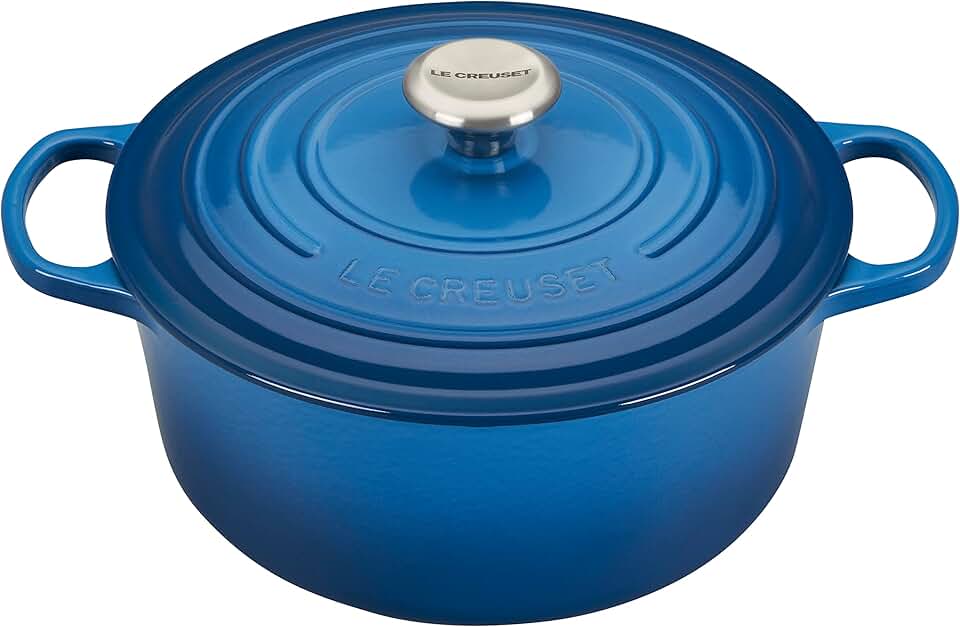
Le Creuset remains the gold standard for enameled cast iron. Its 5.5-quart round model heats evenly and retains heat exceptionally well, making it ideal for slow-cooking stews and braises. The enamel coating is chip-resistant and comes in a wide range of colors, so it looks just as good on the table as it does in the oven. While the price tag is steep, the durability and performance justify the investment for most home cooks.
Best Budget: Lodge 6-Quart Essential Enamel
If you want the performance of cast iron without the premium price, Lodge is the clear winner. The 6-quart Essential Enamel offers a generous size perfect for family meals, soups, and large batches of chili. It features a moisture-sealing lid and dual helper handles for easy lifting. While the enamel isn't quite as durable as Le Creuset's, it holds up well to regular use and is much easier on the wallet.
Best Alternative: Staub Cocotte
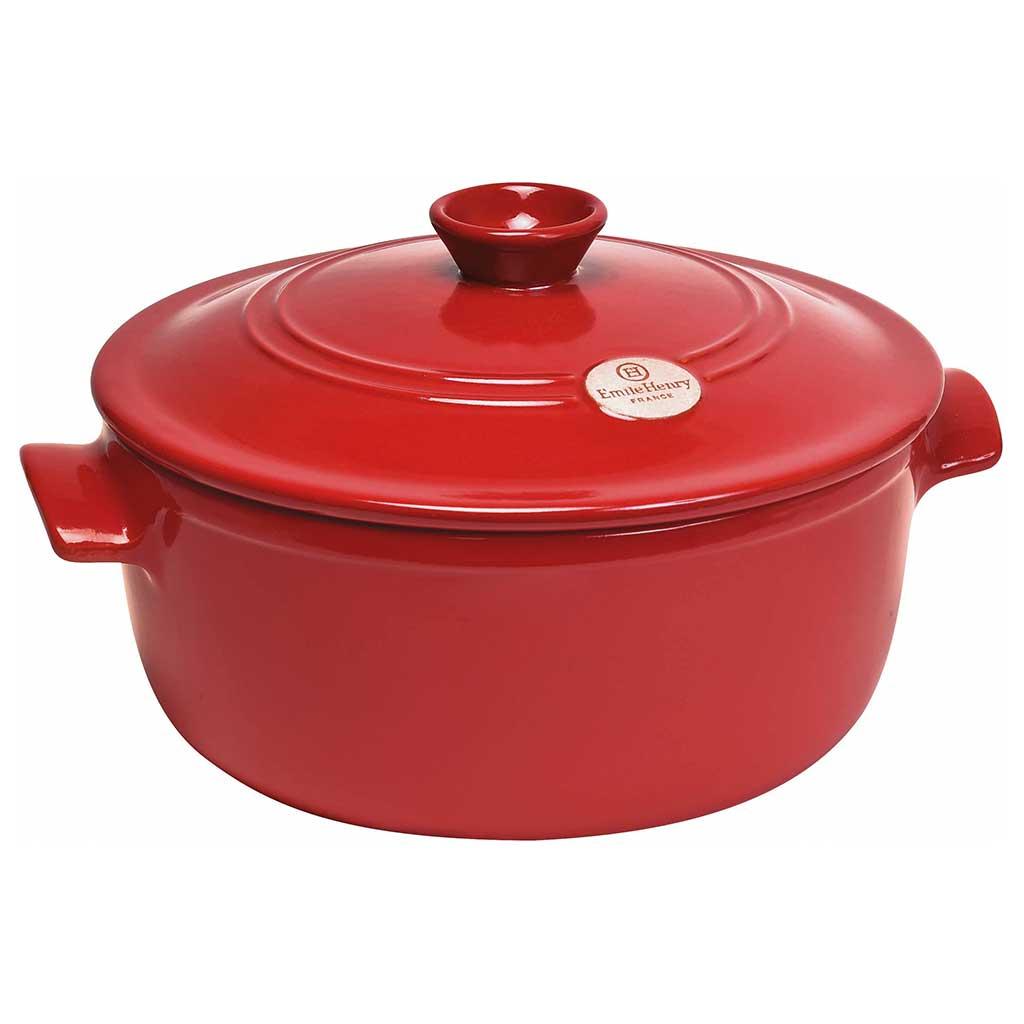
Staub is the main rival to Le Creuset and offers a slightly different design. Its matte black enamel interior is naturally non-stick and excellent for searing meat directly in the pot. The heavy, self-basting lid with internal spikes circulates moisture back onto the food, keeping braises tender. It is slightly heavier than Le Creuset but offers comparable heat retention and build quality.


As an Amazon Associate, we may earn from qualifying purchases.
How we tested dutch ovens
We put 12 popular models through rigorous, real-world cooking tests to see which ones actually perform. Our goal was to identify pots that handle daily cooking tasks without frustrating quirks or premature wear.
We focused on four main areas: heat retention, searing ability, lid fit, and ease of cleaning. Each pot was subjected to high-heat searing, slow braising, and baking tests to evaluate its performance across different cooking styles.
Heat retention and distribution
We tested how well each pot held heat during long, slow cooks. A good dutch oven should maintain a steady temperature without hot spots that burn food. We cooked chuck roasts for three hours to see if the heat stayed consistent from start to finish.
Searing and high-heat performance
Searing meat is where many pots struggle. We heated each pot to high temperatures and seared steaks and chicken thighs. We looked for even browning and how quickly the pot recovered heat after adding cold meat. Cast iron generally excels here, but enamel quality matters too.
Lid fit and moisture control
A tight-fitting lid is essential for braising and baking. We checked how well each lid sealed the pot, looking for gaps that let steam escape. A good seal keeps moisture in, which is crucial for tenderizing tough cuts of meat and baking crusty sourdough bread.
Cleaning and durability
We tested how easy each pot was to clean after cooking sticky sauces or baked-on cheese. We also checked for chipping, scratching, and discoloration after multiple washes. The best dutch oven should look good and work well year after year.
Enameled cast iron vs bare cast iron
When hunting for the best dutch oven, the first decision is usually between enameled and bare cast iron. Think of it like choosing between a non-stick pan and a traditional skillet. Bare cast iron is the classic, raw metal workhorse that requires seasoning to build up a natural non-stick surface. Enameled cast iron has a glass-like coating fused to the metal, offering a smoother, more colorful finish that doesn't need seasoning.
This difference changes how you cook. Bare cast iron is unbeatable for searing steaks or baking rustic sourdough bread because it gets incredibly hot and stays hot. However, you can't cook acidic foods like tomato sauce or wine-based braises for long periods without risking a metallic taste or damaging the seasoning. Enameled cast iron handles acidity with ease, making it perfect for slow-cooking a beef bourguignon or simmering a rich ragù. The enamel also means you don't have to worry about rusting it overnight or scrubbing it with soap.
If you want a low-maintenance pot that goes straight from stove to table without special care, enameled is the way to go. If you don't mind a bit of upkeep and want that distinct crust on your food, bare cast iron is a lifetime investment.
| Feature | Enameled Cast Iron | Bare Cast Iron |
|---|---|---|
| Maintenance | No seasoning needed; dishwasher safe (usually) | Requires regular seasoning; hand wash only |
| Acidic Foods | Safe for tomatoes, wine, and vinegar | Not recommended; can strip seasoning and taste metallic |
| Heat Retention | Excellent heat retention | Excellent heat retention |
| Durability | Enamel can chip if dropped or struck | Virtually indestructible; can be re-seasoned |
| Best For | Braising, soups, stews, and acidic dishes | Searing, baking bread, frying, and high-heat cooking |
Top enameled dutch oven models compared
When hunting for the best dutch oven, the conversation usually narrows down to two heavyweights: Le Creuset and Staub. These brands have spent decades perfecting the enameled cast-iron design, offering superior heat retention and chip-resistant finishes that justify their premium price tags. However, the Lodge 6-Quart Essential Enamel has carved out a serious reputation as the reliable, budget-friendly alternative that doesn’t skimp on performance.
Le Creuset remains the gold standard for even heating and classic aesthetics. Its smooth lid underside is designed to baste food gently, making it exceptional for slow-cooking dishes like a rich beef bourguignon or baking crusty sourdough. The enamel is incredibly durable, though the glossy finish can show wear over time. Staub, on the other hand, takes a different approach with its matte black interior and textured lid spikes. These spikes act like a self-basting system, condensing steam and dripping it back over the food, which is ideal for braising tough cuts of meat.
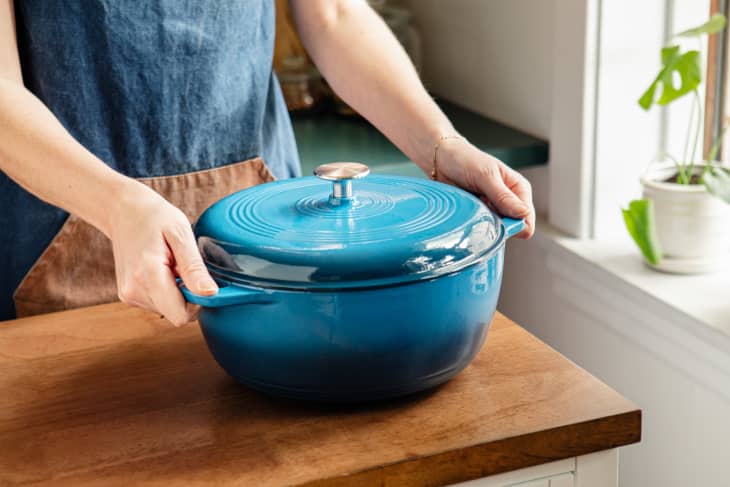
For those who want professional results without the professional price tag, Lodge is the clear winner. The 6-Quart Essential Enamel offers a heavy, sturdy build that performs surprisingly well in everyday tasks. While the enamel isn’t quite as chip-proof as the European brands, it handles high-heat searing and long simmering with ease. It’s the go-to for home cooks who prioritize value and versatility over brand prestige.
Ultimately, the choice depends on your cooking style. If you frequently braise meats and want a non-stick interior, Staub is the better pick. If you prefer a versatile pot for everything from stews to bread, Le Creuset’s smooth finish and even heat distribution make it a timeless investment. For most households, Lodge provides 90% of the performance at half the cost, making it the smartest entry point into enameled cast iron.
Best budget bare cast iron options
If you want the best dutch oven without the premium price tag, bare cast iron is the way to go. Brands like Lodge have made these heavy pots household staples for decades because they are nearly indestructible and incredibly affordable. You get the same even heat retention as the expensive enameled versions, just with a different maintenance routine.
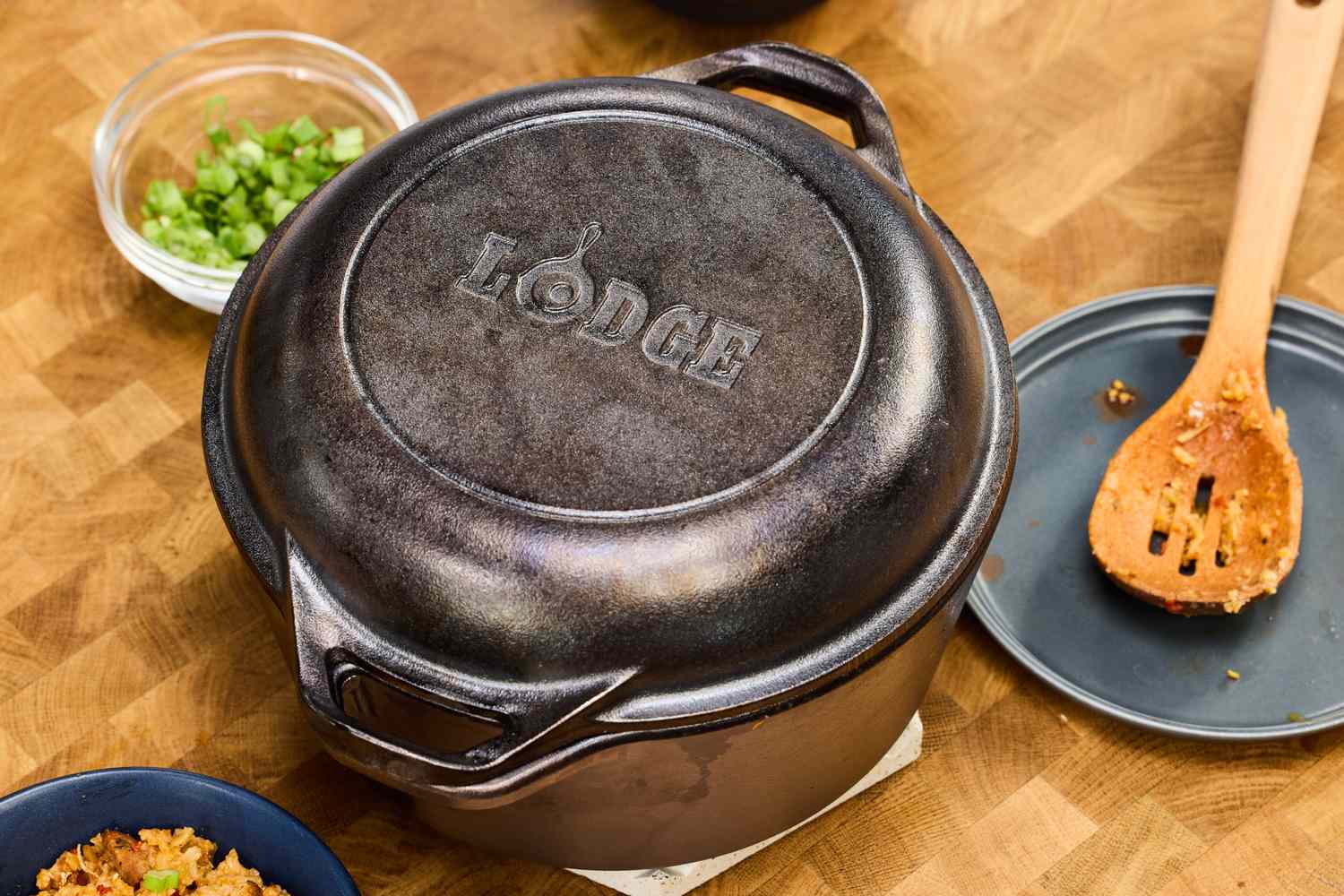
The Lodge 6-Quart Cast Iron Dutch Oven is the go-to choice for most home cooks. It handles everything from roasting meats to baking sourdough bread with ease. The surface develops a natural non-stick patina over time, meaning it gets better with age. While it requires seasoning and hand washing, the durability is unmatched for the price.
For those who want a slightly lighter touch or a different shape, the Cuisinart Chef’s Classic Cast Iron Dutch Oven is a solid alternative. It often comes with a helper handle and a tight-fitting lid, making it versatile for both stovetop and oven use. These budget-friendly picks prove you don’t need to spend hundreds to get a pot that will last a lifetime.
Size and shape matter for the best dutch oven
Picking the right size is often the hardest part of choosing the best dutch oven. A pot that’s too small leads to overcrowded food that steams instead of browns, while one that’s too large wastes energy and makes stirring a workout. Most home cooks fall into one of two camps: the 5-quart round or the 7-quart round. If you’re cooking for two or three people, a 5-quart round is usually the sweet spot. It handles weeknight dinners like simmering a pot of chili without taking up half your stove. For families of four or more, or if you like to meal prep on Sundays, step up to a 7-quart. It gives you the room to sear a whole chicken or bake a large loaf of sourdough bread without hitting the lid.
Shape is just as important as volume. Round pots are the standard for a reason. They distribute heat evenly and make it easy to stir in a circular motion, which is perfect for stews, soups, and bread baking. Oval Dutch ovens, on the other hand, are specialized tools. Their elongated shape is ideal for roasting whole cuts of meat like a rack of lamb or a large turkey breast, as the meat fits naturally without curling. However, an oval pot takes up more counter space and is less versatile for everyday tasks. Unless you’re specifically planning to roast large meats often, stick with a round shape for the best dutch oven versatility.
Frequently asked: what to check next
Which is better: enameled or bare cast iron?
Enameled cast iron is better for acidic dishes like tomato sauces and wine braises because the glass coating prevents reactions with the metal. Bare cast iron is better for high-heat searing and developing a natural non-stick surface, but it requires regular seasoning and cannot handle acidic foods for long periods.
How do I know if a dutch oven is too small?
If your ingredients are piled high and touching the lid, or if you can’t stir them freely, the pot is too small. Crowding causes food to steam rather than brown. For most families, a 5-6 quart round pot is the versatile standard, while larger families may need 7 quarts or more.
Can I put a cast iron dutch oven in the dishwasher?
Enameled cast iron pots are often dishwasher safe, though hand washing is recommended to preserve the finish. Bare cast iron should never go in the dishwasher, as the detergent will strip the seasoning and cause rust. Always dry bare cast iron immediately and apply a thin layer of oil after washing.
Why does my food stick to my enameled dutch oven?
Even enameled surfaces can stick if the pan isn’t hot enough before adding oil and food. Preheat the pot over medium heat for a few minutes before adding your fat. Also, avoid moving meat immediately after placing it in the pot; let it sear for a minute or two to release naturally.
No comments yet. Be the first to share your thoughts!