
Cast Iron vs. Enameled: A Visual Breakdown
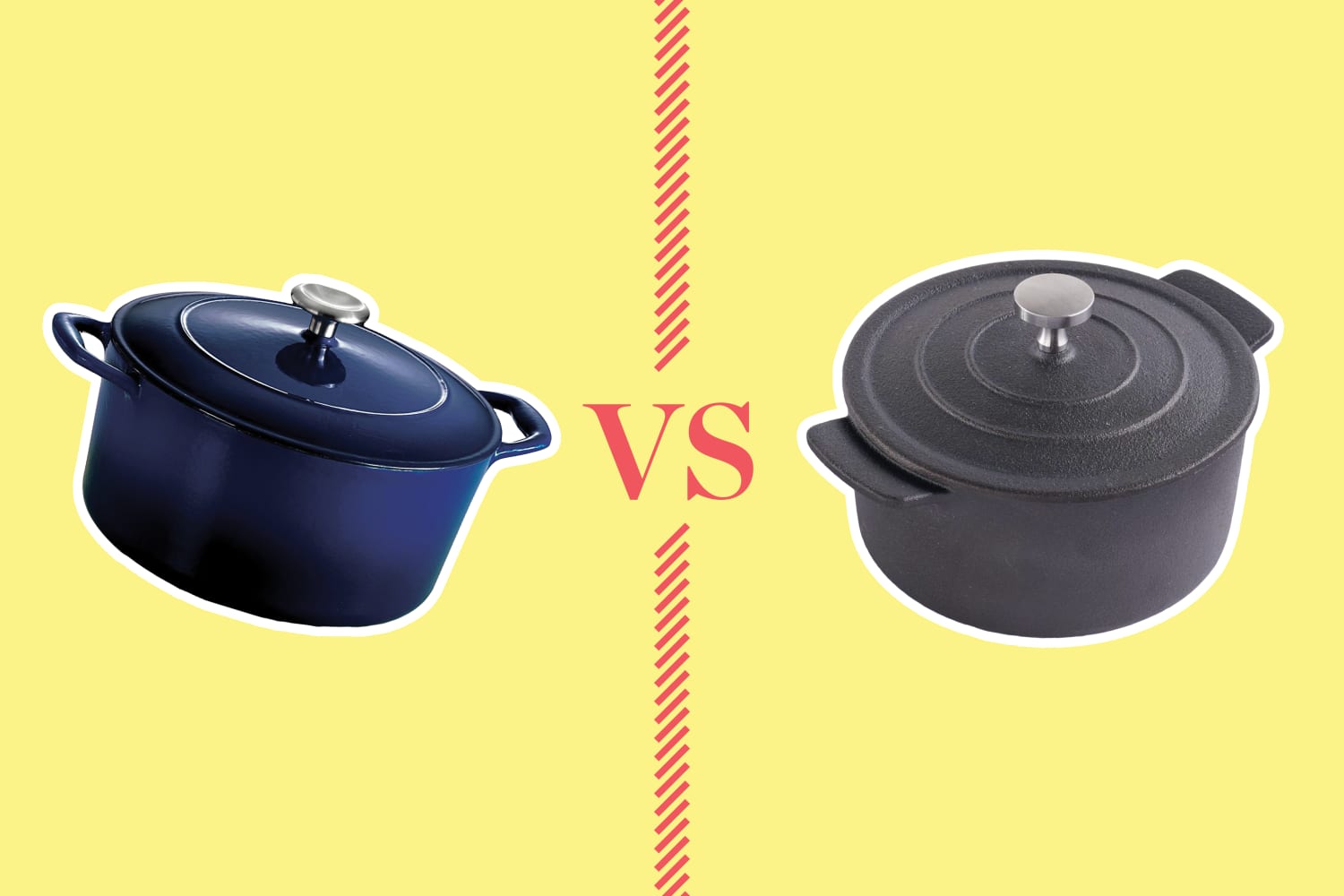
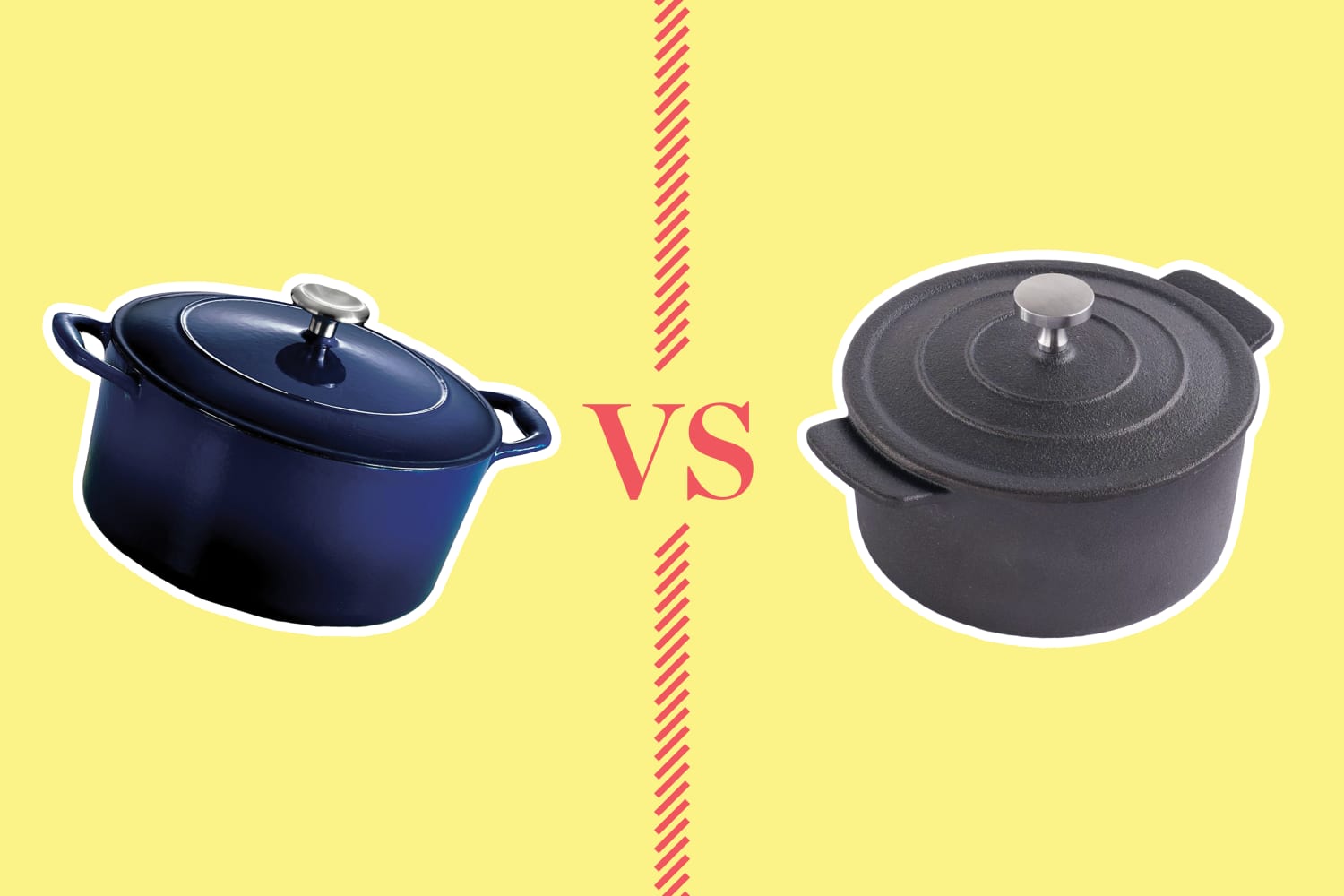
When you picture a dutch oven, chances are a specific image comes to mind – either the classic, matte black cast iron or the brightly colored, glossy enameled version. The differences are immediately apparent. Cast iron dutch ovens are typically a darker color, often black, and have a rougher texture. They're known for their rugged, no-nonsense appearance. Enameled dutch ovens, on the other hand, come in a wide array of colors and have a smooth, porcelain-like finish.
Common uses also differ slightly. Both excel at braising, stewing, and slow cooking, but cast iron is favored by some for searing at very high temperatures, while enameled dutch ovens are preferred for simmering delicate sauces. A quick overview: cast iron is generally more affordable upfront, but requires more maintenance. Enameled versions cost more initially but are easier to clean and don’t require seasoning. Ultimately, the "best" look is a matter of personal preference – and how much effort you're willing to put in.
The biggest pro of cast iron is its heat retention and affordability. The biggest con is the required seasoning and potential for rust. For enameled, the pro is easy cleanup and no seasoning needed. The con is the potential for chipping and the higher price point. It’s a trade-off, and understanding these fundamentals is the first step.
The Heat Retention Game
Let’s talk about how these dutch ovens actually cook. The key difference lies in their thermal mass – the ability to absorb and retain heat. Cast iron has a significantly higher thermal mass than enameled cast iron. This means it takes longer to heat up, but once it's hot, it stays hot for a long time, even when the heat source is removed. This is fantastic for slow cooking and braising, where consistent, even heat is essential.
Enameled dutch ovens heat up a bit faster, but they don’t retain heat quite as effectively as bare cast iron. The enamel layer, while beautiful and easy to clean, does reduce the overall thermal mass. However, they still offer excellent heat distribution, meaning there are fewer hot spots. This is especially useful when cooking things like rice or sauces where you want consistent temperatures throughout the pot.
Think about it this way: cast iron is like a slow-burning ember, providing steady, consistent heat. Enameled is more like a controlled flame, offering quicker heating and good temperature regulation. Both have their advantages. For a long, slow braise of short ribs, the cast iron's heat retention will give you a more tender result. For a quick weeknight chili, the enameled version might be more convenient.
Reactivity and Food Flavor
This is a big one for many cooks. Cast iron can react with acidic foods like tomatoes, citrus, or wine. This reaction isn’t dangerous, but it can impart a metallic taste to your food and even leach some iron into it. While a little iron isn’t harmful, excessive amounts aren’t ideal. A well-seasoned cast iron dutch oven minimizes this reactivity, but it’s still something to be aware of.
Enameled dutch ovens completely avoid this issue. The enamel coating creates a barrier between the food and the cast iron, preventing any reaction. This makes them ideal for simmering tomato sauce, braising with wine, or cooking anything else acidic. However, some cooks feel that the enamel can sometimes mute the flavors of delicate dishes. I’ve found this to be less of an issue with higher-quality enamelware.
I’ve personally found that a well-seasoned cast iron dutch oven doesn’t impart a noticeable metallic taste to most dishes, even those with some acidity. But if you’re particularly sensitive to flavors or plan on cooking a lot of acidic foods, an enameled dutch oven is the safer bet. Here’s a quick comparison:
| Food Type | Cast Iron | Enameled |
|---|---|---|
| Acidic (Tomatoes, Citrus) | Potential for reaction | No reaction |
| Delicate Flavors | May mute slightly | Minimal impact |
| Hearty Stews | Excellent | Excellent |
Reactivity Concerns: Food Type & Dutch Oven Material (2026)
| Food Type | Cast Iron (Unseasoned) | Cast Iron (Well-Seasoned) | Enameled |
|---|---|---|---|
| Tomatoes | High | Minimal | None |
| Wine-based Sauces | High | Low | None |
| Citrus | High | Low | None |
| Neutral (Stocks, Broths) | Minimal | None | None |
| Dairy-based Sauces | Minimal | None | None |
| Pickled Vegetables | High | Minimal | None |
Illustrative comparison based on the article research brief. Verify current pricing, limits, and product details in the official docs before relying on it.
Maintenance: The Real Time Commitment
Let’s be real: owning a cast iron dutch oven is a relationship. It requires some effort to keep it happy. Seasoning is the key to preventing rust and creating a non-stick surface. This involves coating the pot with oil and baking it at a high temperature. You’ll need to repeat this process periodically, especially after cooking acidic foods or if you notice any rust forming. Regular cleaning with mild soap and water is also essential, followed by thorough drying and a light coating of oil.
Enameled dutch ovens are much easier to clean. You can use soap and water without worrying about stripping the seasoning. However, the enamel coating can chip, especially if you’re not careful. Avoid using metal utensils, and don’t drop the pot. Thermal shock – rapidly changing the temperature, like taking a hot pot and putting it in cold water – can also cause chipping.
Here's a breakdown of typical maintenance tasks: For cast iron, you’re looking at seasoning every few months, or as needed, plus regular cleaning and oiling after each use. For enameled, it’s mostly just cleaning with soap and water, but you need to be careful about avoiding chips. The time commitment is significantly less for enameled, but the potential for damage is higher. I’ve found that a little preventative care goes a long way with both types.
Beyond cleaning, consider storage. Storing cast iron in a dry place is vital to prevent rust. Enameled dutch ovens are less susceptible to this, but storing them carefully can help prevent chipping. A pot protector or a padded shelf can be a good investment.
Durability: What Happens When Things Go Wrong?
Cast iron is incredibly durable, and with proper care, it can last for generations. However, it’s not indestructible. Thermal shock can cause it to crack, and if left unseasoned, it will rust. Rust isn’t the end of the world – you can remove it and re-season the pot – but it’s a hassle. A well-cared-for cast iron dutch oven is a true heirloom piece.
Enameled dutch ovens are more susceptible to chipping. Once the enamel is chipped, the underlying cast iron is exposed, which can rust. While small chips don’t necessarily render the pot unusable, larger chips can be a problem, especially if they occur on the rim or cooking surface. Repairing chipped enamel is possible, but it's often costly and not always successful.
If your cast iron cracks, it’s generally not repairable. If your enameled dutch oven chips, you might be able to find a repair service, but it’s often more cost-effective to replace it. Le Creuset, for example, offers a limited lifetime warranty on their enameled cast iron, but it doesn’t cover chips caused by misuse or thermal shock. Considering the potential for damage, handling both types with care is key.
Top Dutch Ovens in 2026: Our Picks
Okay, let's get to the good stuff – specific recommendations. In 2026, the market is still dominated by a few key players, but there are some excellent options at various price points. Here are a few standouts:
Lodge Cast Iron Dutch Oven (around $80-120): This is the workhorse. It’s affordable, incredibly durable, and holds heat beautifully. It requires seasoning, but that’s part of the fun for many cooks. It's a great entry point for anyone wanting to experience cast iron.
Le Creuset Enameled Cast Iron Dutch Oven (around $300-450): The gold standard. Le Creuset offers exceptional quality, beautiful colors, and consistent performance. It’s an investment, but it’s one that will likely last a lifetime. Their enamel is incredibly durable and resistant to chipping.
Cuisinart Chef’s Classic Enameled Cast Iron Dutch Oven (around $150-200): A great mid-range option. Cuisinart offers a good balance of quality and affordability. The enamel is durable, and the pot heats evenly. It’s a solid choice for everyday cooking.
Great Jones Dutch Oven (around $145-165): This brand has gained popularity for its stylish designs and reliable performance. The enamel is durable and comes in a range of attractive colors. It’s a good option for those who want a dutch oven that looks as good as it performs.
Amazon Basics Enameled Cast Iron Dutch Oven (around $60-80): An excellent budget option. While it may not have the same level of refinement as Le Creuset or Lodge, it’s a surprisingly capable dutch oven for the price.
Featured Products
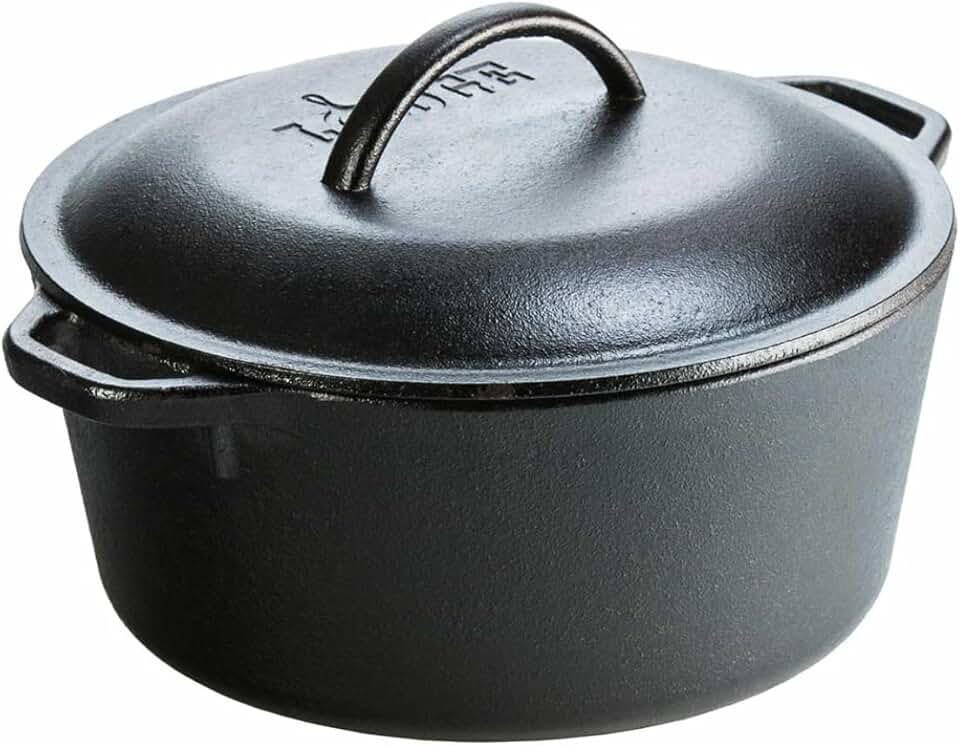
Durable cast iron construction for excellent heat retention and even cooking. · Loop handles for a secure grip when moving. · Versatile for baking, braising, roasting, and more.
This classic bare cast iron option is a budget-friendly workhorse, perfect for those who want the benefits of cast iron without the higher price tag.

Vibrant, chip-resistant enamel coating for easy cleanup and beautiful presentation. · Superior heat retention and distribution for consistent cooking results. · Oven-safe design for versatility in cooking methods.
A premium choice, this enameled cast iron Dutch oven offers exceptional performance and durability with a stunning aesthetic, ideal for both everyday use and special occasions.
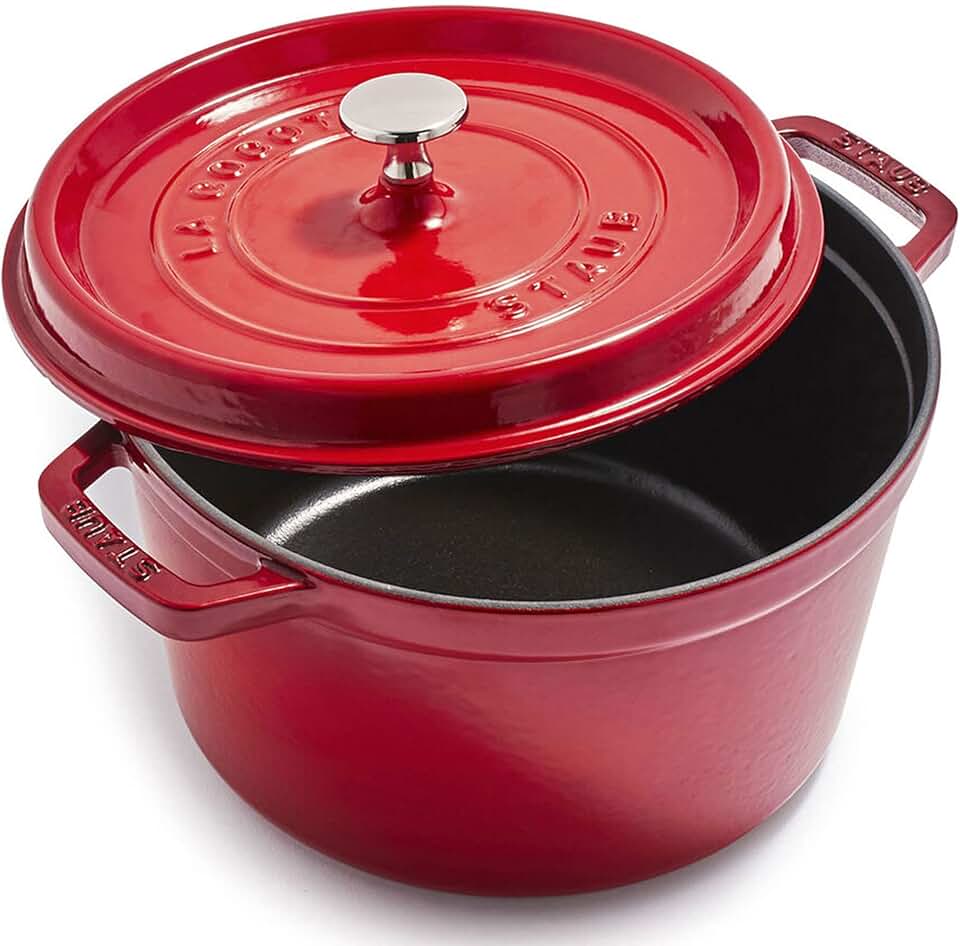
Tall, deep design ideal for larger cuts of meat and simmering stews. · Heavy-duty cast iron with a durable enamel finish. · Self-basting condensation bumps on the lid for moist results.
This French-made enameled cast iron pot is a high-performance option known for its excellent heat distribution and moisture-retaining lid, perfect for slow-cooked meals.

Smooth, non-reactive enamel interior that resists staining and sticking. · Even heat distribution for consistent cooking. · Durable cast iron construction for long-lasting use.
A great mid-range enameled cast iron option, this Cuisinart offers reliable performance and easy cleanup at a more accessible price point.

Generous 6-quart capacity, perfect for families or batch cooking. · Durable enameled cast iron for even heating and easy cleaning. · Dual handles for a secure and comfortable grip.
This Amazon Basics enameled cast iron Dutch oven provides excellent value, offering the benefits of enameled cast iron cooking at a very affordable price.
As an Amazon Associate I earn from qualifying purchases. Prices may vary.
Recipe Standouts: Where Each Type Shines
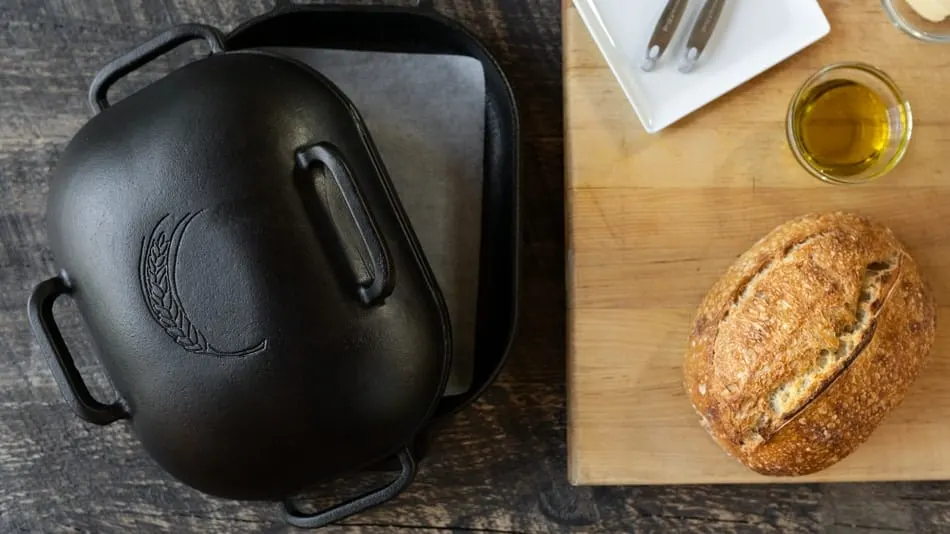
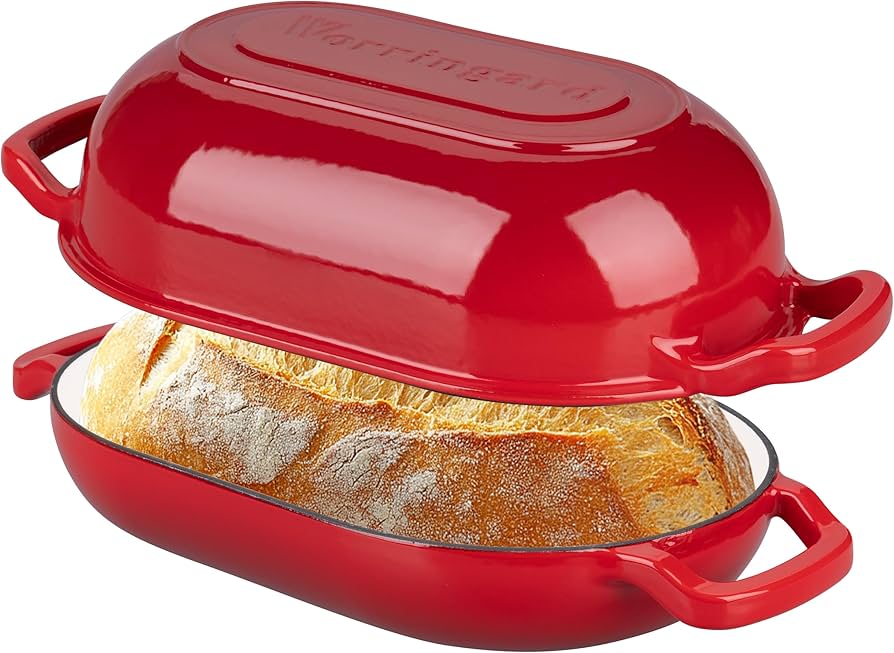
Now, let's put these dutch ovens to work. Some recipes truly benefit from the unique characteristics of each type. For recipes that require long, slow cooking and maximum heat retention, cast iron is the clear winner. Think braised short ribs, stews, or even no-knead bread. The consistent heat helps to tenderize tough cuts of meat and create a beautifully crusty loaf.
Enameled dutch ovens excel at recipes that involve acidic ingredients or delicate flavors. Tomato-based sauces, soups, and even poaching fish are all well-suited to an enameled pot. The non-reactive surface ensures that the flavors remain pure and untainted. Here are a few recipe ideas to get you started:
Cast Iron Standouts:
* Braised Short Ribs (Food52 has a fantastic recipe: )
* Dutch Oven No-Knead Bread
* Hearty Beef Stew
Enameled Dutch Oven Standouts:
* Classic Tomato Sauce (Cooking With Carlee offers a great base recipe: )
* French Onion Soup (Le Creuset offers several variations: )
* Poached Salmon
No comments yet. Be the first to share your thoughts!