
Cast Iron vs. Enameled: First Impressions
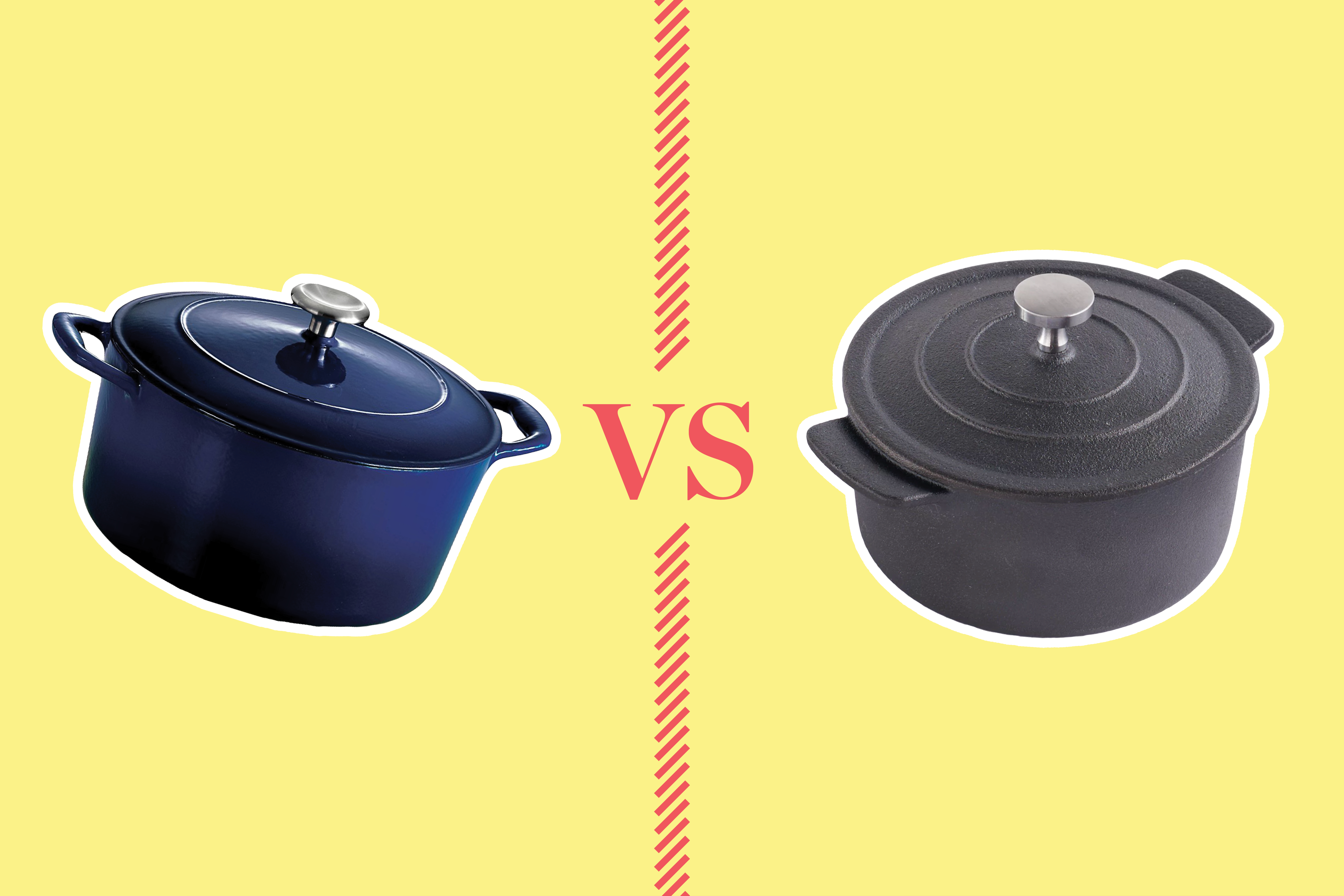
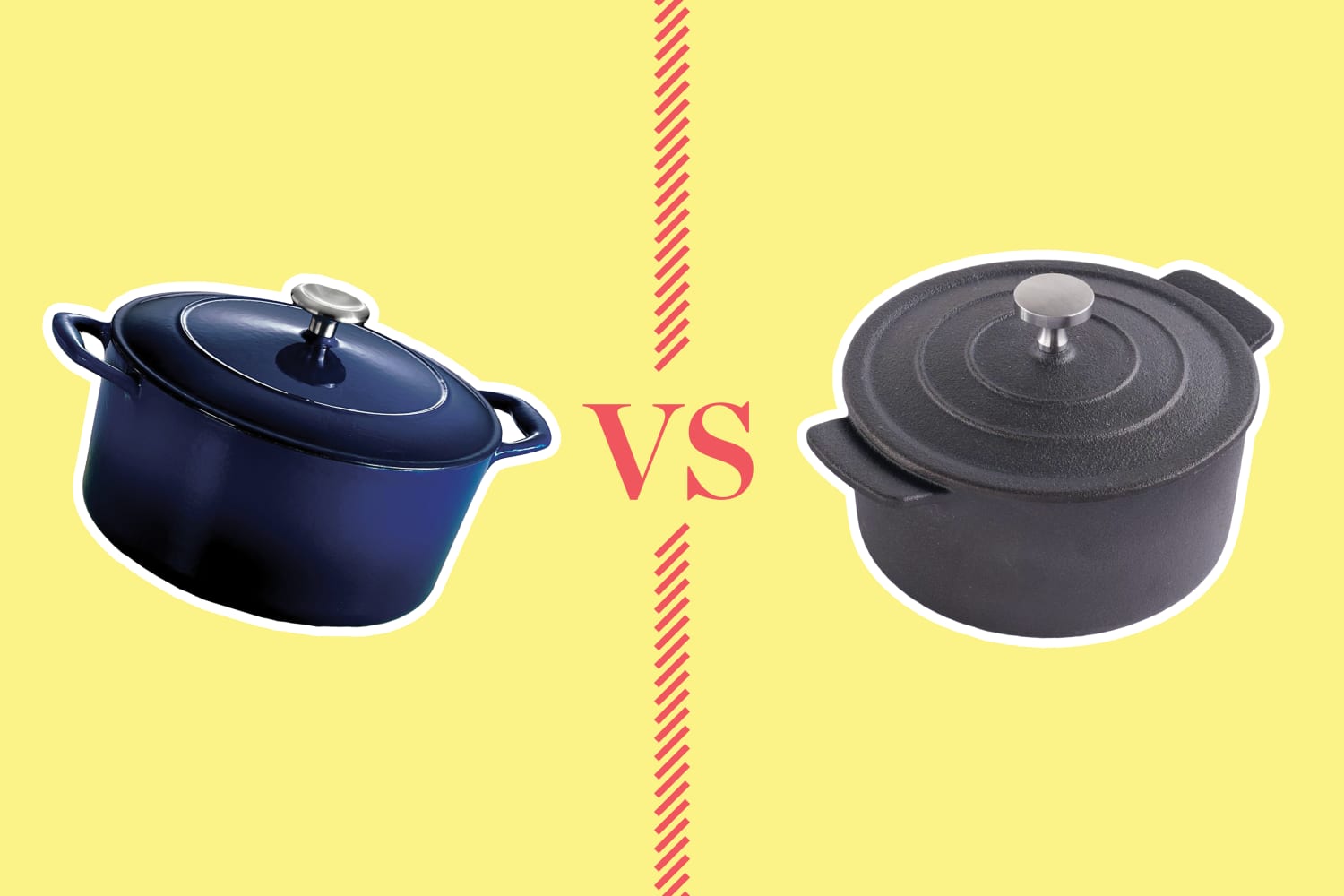
The debate between enameled and cast iron Dutch ovens is a common one, and honestly, there’s no single winner. Both are incredibly versatile tools, capable of tackling everything from slow-braised stews to crusty loaves of bread. The initial appeal is quite different though. Cast iron, with its raw, dark finish, feels inherently rugged and timeless. It speaks to generations of cooks who relied on its durability.
Enameled Dutch ovens, on the other hand, present a more polished and convenient face. The colorful exterior and non-stick surface are immediately inviting. While cast iron has a history stretching back centuries – think early American pioneers – enamel coating is a relatively modern innovation, gaining popularity in the 20th century with brands like Le Creuset leading the charge.
Ultimately, the "best’ choice depends on your cooking style and priorities. Someone who values a traditional aesthetic and doesn’t mind a bit of maintenance might lean towards cast iron. A cook prioritizing ease of cleaning and a non-reactive surface might prefer enameled. This isn"t about one being objectively superior; it's about finding the right fit for you.
The Heat Game: Retention & Distribution
Cast iron's density is its superpower when it comes to heat. The material holds heat incredibly well, meaning it takes a while to heat up, but once it does, it stays hot for a long time. This is ideal for slow cooking, braising, and maintaining a consistent temperature for deep frying. The even heat distribution also prevents hot spots, which is important for delicate sauces and preventing scorching.
Enameled cast iron performs well in this area, but the enamel layer introduces a slight difference. While still excellent, the enamel acts as a buffer, meaning it doesn’t retain heat quite as effectively as bare cast iron. A thicker enamel layer will minimize this effect, so quality matters. It still distributes heat very evenly though, making it great for those recipes where consistent temperature is key.
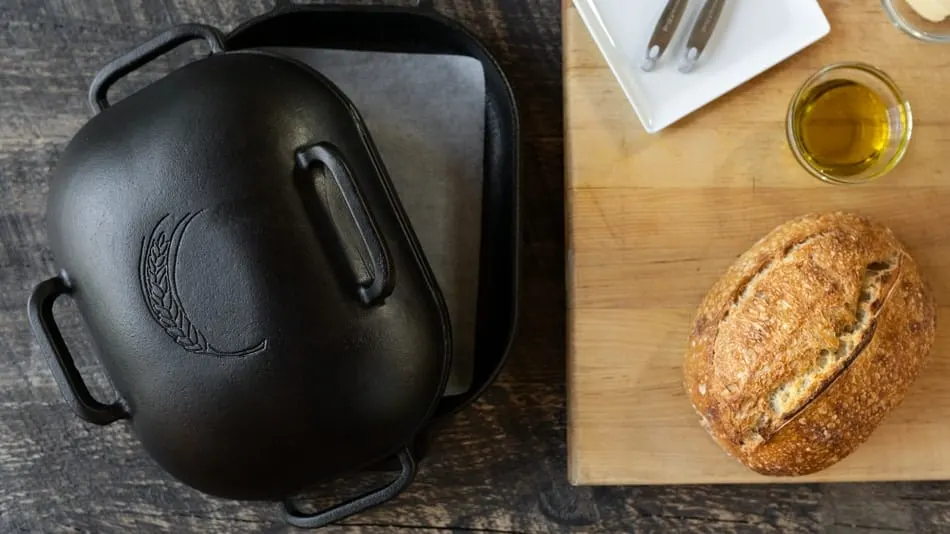
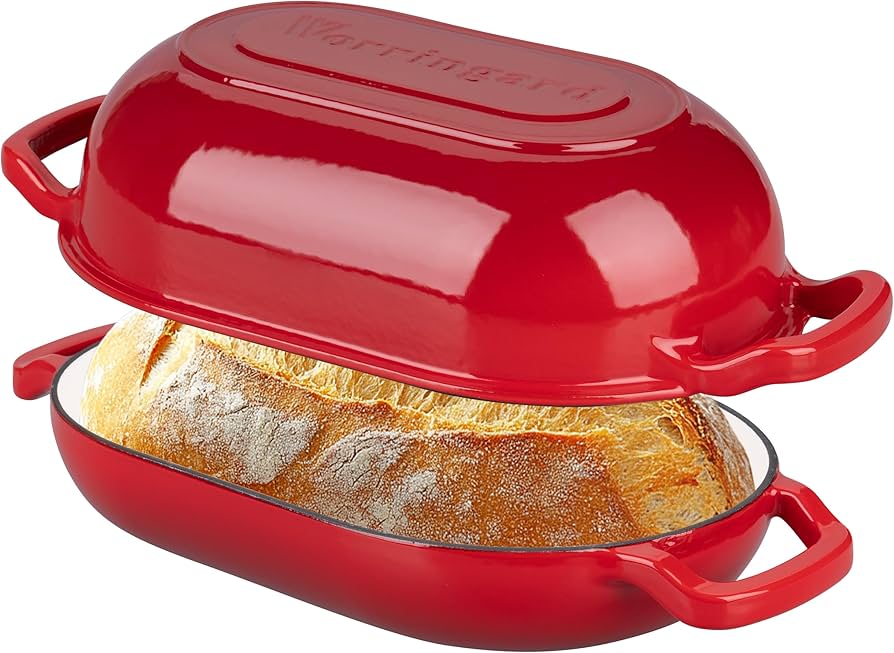
Consider the cooking method. For recipes like no-knead bread, where sustained high heat is crucial, cast iron has a clear edge. For simmering delicate sauces or making a slow-cooked stew, the difference is less noticeable. I've found both perform admirably with roasts, though the cast iron seems to develop a slightly better sear.
Maintenance: Seasoning & Cleaning
This is where the biggest divide often lies. Uncoated cast iron requires seasoning – a process of baking layers of oil onto the surface to create a natural non-stick coating and protect against rust. It's not overly complicated, but it is an ongoing commitment. You’ll need to re-season periodically, especially after cooking acidic foods or if rust appears. I prefer using flaxseed oil for seasoning; it builds a very durable layer.
Cleaning cast iron involves avoiding soap (which can strip the seasoning) and drying it immediately and thoroughly. A little bit of elbow grease and a stiff brush are your friends. Enameled cast iron, thankfully, is much more forgiving. It can be washed with soap and water, and doesn’t require seasoning. This is a huge convenience for many cooks.
However, enamel isn’t indestructible. It can chip, especially if subjected to thermal shock (going from hot to cold too quickly) or dropped. I’ve chipped the enamel on one of my older pots, but it hasn’t affected its functionality – just its appearance. Avoiding metal utensils and using gentle cleaning methods can help prevent chipping. It’s a trade-off: less maintenance, but a potential vulnerability.
I own both a Lodge cast iron Dutch oven and a Le Creuset enameled version. I reach for the Le Creuset when I'm short on time or making something delicate, and the Lodge when I want that extra heat retention for a really good sear or a long simmer.
- Seasoning Cast Iron: Apply a thin coat of oil (flaxseed, canola, or vegetable) to all surfaces.
- Bake: Place upside down in a 350-400°F oven for an hour.
- Repeat: Repeat the process several times to build up layers.
Reactivity & Food Safety
Uncoated cast iron can react with acidic foods like tomatoes, wine, or vinegar. This reaction can leach iron into the food, potentially imparting a metallic taste and, in some cases, discolouring the dish. A well-seasoned pan minimizes this effect, but it's still a consideration. Shorter cooking times with acidic ingredients also help.
Enameled cast iron, being coated, is completely non-reactive. This makes it ideal for recipes involving acidic ingredients or those where you want to preserve the true color of the food. It’s a particularly good choice for tomato-based sauces or fruit compotes.
Interestingly, some cooks prefer the slight metallic tang that cast iron can impart to certain dishes, like beans. It’s a matter of personal preference. I've spoken to chefs who intentionally use cast iron for this reason, believing it enhances the flavour profile.
Durability: Will It Last?
Cast iron, with proper care, is legendary for its durability. It can literally last for generations, becoming a family heirloom. I’ve seen cast iron pans over a century old that are still in use. The key is consistent seasoning and preventing rust.
Enameled cast iron is also quite durable, but more susceptible to damage. The enamel coating can chip or crack if dropped or subjected to extreme temperature changes. While a chip doesn’t necessarily render the pot unusable, it can be unsightly and potentially worsen over time.
The fear of enamel chipping is valid, but it’s not an automatic death sentence. Many people continue to use chipped enameled Dutch ovens without issue. Most brands offer warranties against defects, but these typically don’t cover accidental damage like chipping. Le Creuset, for example, has a limited lifetime warranty, but it doesn't cover chips or cracks caused by misuse.
Price Breakdown: What to Expect
The price of Dutch ovens varies widely depending on the material, brand, size, and quality. Uncoated cast iron is generally the most affordable option, with a basic Lodge Dutch oven starting around $50 - $100. Enameled cast iron is significantly more expensive, with Le Creuset and Staub typically ranging from $300 to $500 or more for a comparable size.
You generally get what you pay for. Higher quality cast iron and enamel coatings are more durable and perform better. Sales and discounts can significantly impact the price, so it’s worth shopping around. Amazon often has good deals, especially during holidays.
Don’t forget to factor in the cost of accessories. Lid lifters, trivets, and silicone handle holders can add to the overall expense. A good lid lifter is essential for cast iron, as the lid can get very hot.
- Lodge Cast Iron Dutch Oven (6 qt): $70 - $100
- Le Creuset Enameled Cast Iron Dutch Oven (5.5 qt): $350 - $450
- Staub Enameled Cast Iron Dutch Oven (5.5 qt): $400 - $500
Featured Products

Pre-seasoned cast iron construction for immediate use. · Dual functionality as a pot and skillet. · 5-quart capacity suitable for smaller households or side dishes.
This option provides a budget-friendly entry into cast iron cookware with its versatile 2-in-1 design.

Enameled cast iron for superior heat distribution and retention. · Signature rounded interior for enhanced stirring and even cooking. · 5.5-quart capacity ideal for most family meals.
A premium choice known for its exceptional durability, aesthetic appeal, and consistent cooking performance.

Enameled cast iron with a matte black interior for enhanced browning. · Unique self-basting lid design for moist results. · 5.5-quart capacity suitable for a variety of recipes.
This Dutch oven offers advanced cooking features and a robust build, appealing to serious home chefs.

Enameled cast iron for even heating and easy cleanup. · Generous 7-quart capacity for larger batches or family-sized meals. · Cardinal Red color offers a vibrant aesthetic.
A cost-effective enameled cast iron option with a larger capacity, balancing performance and value.

Chip-resistant enamel coating over a thick iron core. · Large cooking surface area for versatile use. · Includes grill and silicone lids for expanded functionality.
This Dutch oven combines durability with thoughtful accessories, offering a comprehensive cooking solution.
As an Amazon Associate I earn from qualifying purchases. Prices may vary.
Popular Recipes: Which Oven Shines?
Certain recipes truly showcase the strengths of each type of Dutch oven. For a classic no-knead bread, cast iron’s superior heat retention is a game-changer. The even heating creates a beautifully browned crust and a soft, airy interior. Food52 has a great no-knead bread recipe that works wonders in cast iron.
Enameled Dutch ovens excel at recipes where you want to avoid reactivity or maintain delicate flavors. A French boeuf bourguignon benefits from the non-reactive surface, allowing the flavours of the wine and vegetables to shine through. Cooking with Carlee offers a fantastic boeuf bourguignon recipe perfect for an enameled Dutch oven.
Le Creuset's website also features a wealth of Dutch oven recipes, highlighting the versatility of enameled cast iron. From soups and stews to braised meats and even desserts, the possibilities are endless. I personally love using my enameled Dutch oven for making jams and preserves, as the non-reactive surface prevents discoloration.
Quick Decision Guide
Here's a quick overview to help you decide. Remember, these are generalizations – individual performance can vary.
- Heat Retention: Cast Iron (Excellent) | Enameled (Very Good)
- Maintenance: Cast Iron (High – seasoning required) | Enameled (Low – easy cleaning)
- Reactivity: Cast Iron (Can react with acidic foods) | Enameled (Non-reactive)
- Durability: Cast Iron (Exceptional – can last generations) | Enameled (Good – susceptible to chipping)
- Price: Cast Iron (Affordable) | Enameled (Expensive)
Cast Iron vs. Enameled Dutch Oven Comparison (2026)
| Feature | Cast Iron Dutch Oven | Enameled Cast Iron Dutch Oven |
|---|---|---|
| Heat Retention | Excellent 🔥 | Excellent |
| Reactivity with Foods | High – Can react with acidic ingredients | None – Coating prevents reactivity |
| Maintenance | Requires Effort – Regular seasoning and oiling needed to prevent rust. | Moderate – Dishwasher safe in many cases, but handwashing is recommended to preserve enamel. |
| Durability | Excellent – Virtually indestructible with proper care. | Good – Enamel can chip or crack with thermal shock or impact. |
| Cleaning | Requires Effort – Avoid soap; use salt and oil for cleaning. | Easy – Generally dishwasher safe, though handwashing extends lifespan. |
| Weight | Heavy ⚖️ | Generally Heavy, sometimes slightly lighter than bare cast iron |
| Price | Moderate – Typically less expensive upfront. | High – Generally more expensive upfront due to the enamel coating. |
| Versatility | Excellent – Suitable for all cooktops, campfire cooking, and oven use. | Good – Compatible with most cooktops; check manufacturer's specifications regarding induction. |
Illustrative comparison based on the article research brief. Verify current pricing, limits, and product details in the official docs before relying on it.
No comments yet. Be the first to share your thoughts!