
Dutch Ovens in 2026: What’s Changed?
The Dutch oven is a kitchen staple, and while its basic design hasn't changed, manufacturing and material science have improved. Prices vary from entry-level to premium, with brands like Lodge in the affordable segment and Le Creuset and Staub at the higher end.
Direct-to-consumer brands are emerging, offering competitive prices by cutting out the middleman. Manufacturers are also improving enameled coatings for durability and chip resistance. While the core function remains, the details are more important than ever.
The Dutch oven's versatility endures, making it ideal for braising, soups, stews, and baking. Decisions now hinge on material preference, budget, and features. Increased information availability means buyers are more informed.
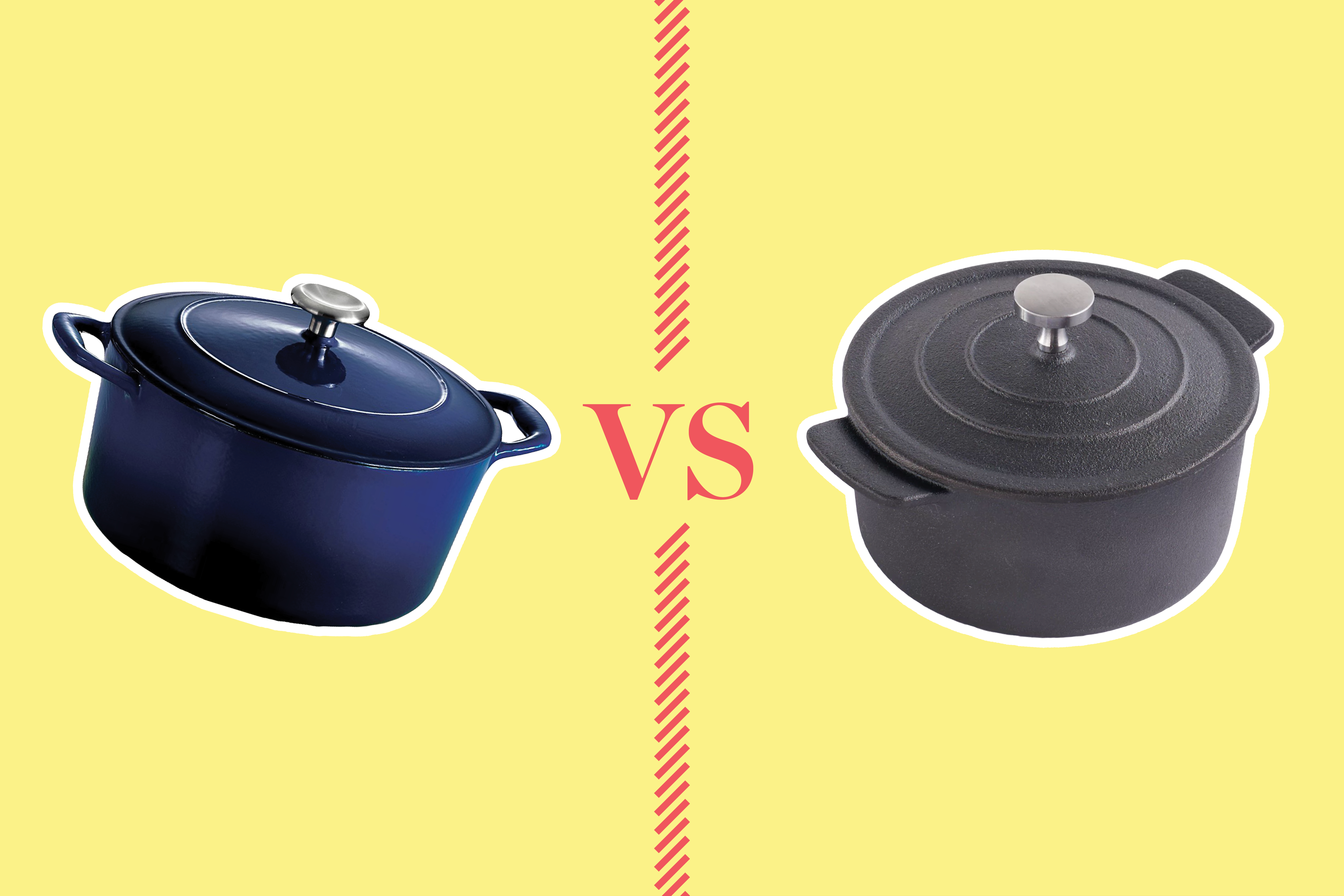
Cast Iron: The Traditional Workhorse
Traditional cast iron Dutch ovens are prized for their exceptional heat retention. Once heated, they stay hot, providing even cooking ideal for slow-cooking, braising, and stews. They are durable and can last for generations with proper care.
Cast iron Dutch ovens are generally more affordable but require seasoning—coating the iron with baked-on oil. This creates a non-stick surface and protects against rust. Maintaining seasoning is essential and requires regular use and careful cleaning.
Bare cast iron reacts with acidic foods, potentially imparting a metallic taste and damaging seasoning. Its weight can also make it difficult to maneuver. Smooth cast iron is easier to clean, while textured surfaces may offer better non-stick properties.
Seasoning involves applying a thin layer of oil (flaxseed, canola, or vegetable oil) to the Dutch oven and baking it upside down at a high temperature for an hour. Repeat this several times to build a solid layer. Southern Cast Iron offers detailed guides.
Many cooks prefer bare cast iron's feel and performance, appreciating the connection to culinary history. Maintaining a well-used piece rewards with exceptional cooking results and a lasting kitchen companion.
Enameled Dutch Ovens: Convenience and Style
Enameled Dutch ovens provide a convenient alternative to cast iron. The glass-like enamel coating is fused to the cast iron, creating a non-reactive surface that eliminates the need for seasoning, a major benefit for those avoiding bare cast iron maintenance.
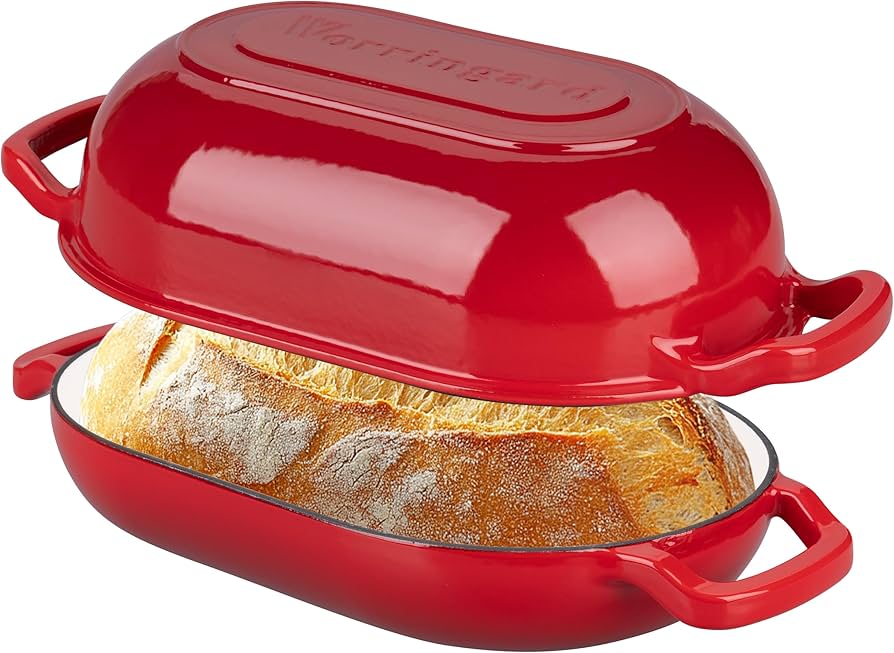
The non-reactive surface allows cooking acidic foods without metallic tastes or pot damage. Cleaning is easier, with most residue wiping away. Available in various colors, enameled Dutch ovens are visually appealing kitchen additions, a key selling point for many.
Enameled Dutch ovens can chip or crack from sudden temperature changes or impacts. Minor chips usually don't affect performance, but significant damage can compromise the pot. They also generally cost more than bare cast iron.
Matte enamel is more scratch and stain resistant, while glossy enamel offers a traditional look. Some manufacturers use titanium-reinforced enamel for claimed enhanced durability. GreenPan promotes ceramic non-stick options for their enameled Dutch ovens.
Check manufacturer instructions for oven-safe temperature limits, as some enameled Dutch ovens have lower limits than bare cast iron. Convenience and aesthetic appeal often outweigh these concerns for home cooks.
- Matte Enamel: More scratch resistant, modern look.
- Glossy Enamel: Traditional appearance, potentially more prone to staining.
- Titanium-Reinforced Enamel: Enhanced durability, often at a higher price point.
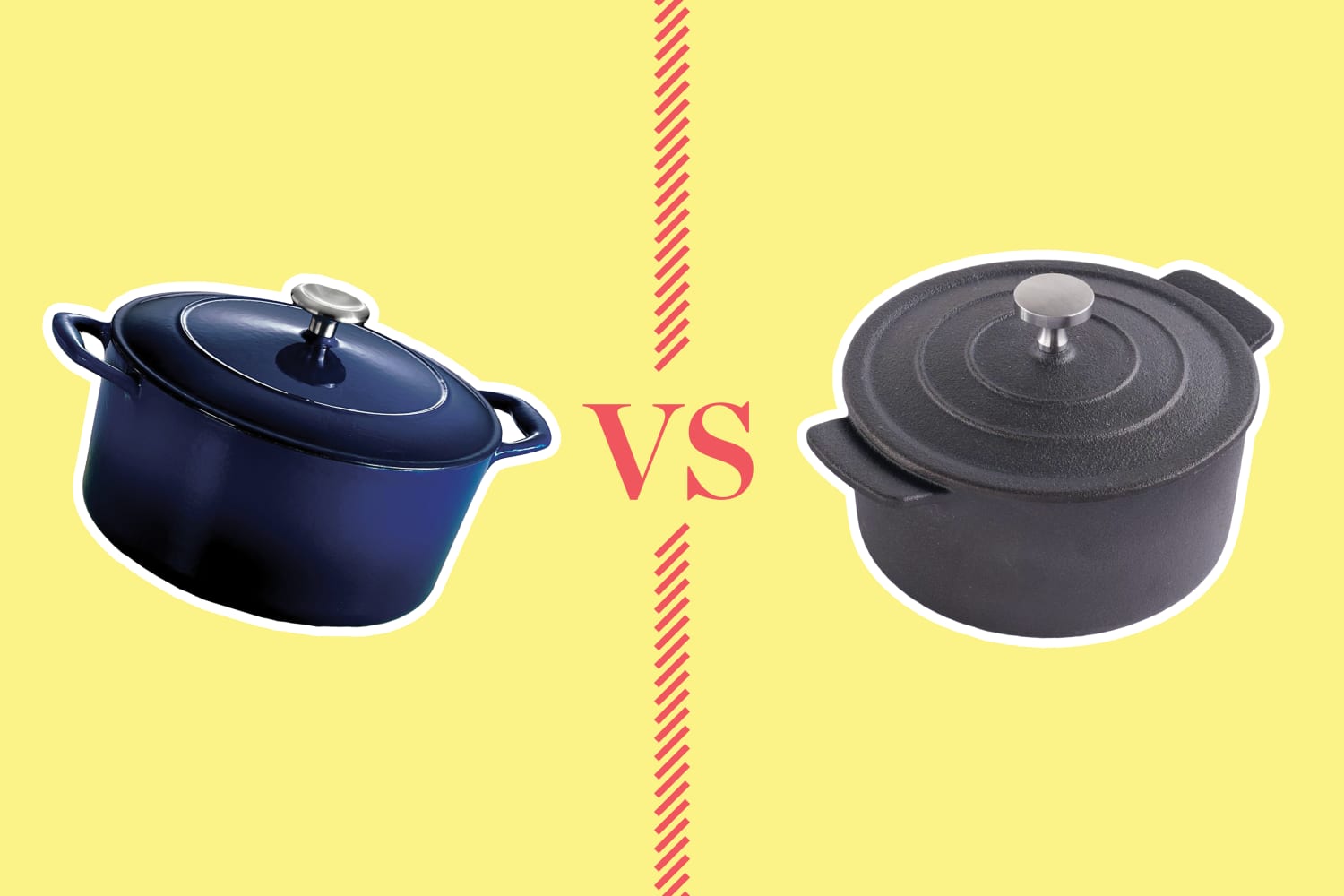
Cast Iron vs. Enameled Dutch Oven: Feature Comparison – 2026
| Feature | Cast Iron | Enameled |
|---|---|---|
| Heat Retention | Excellent | Good |
| Reactivity | High | None |
| Maintenance | High | Moderate |
| Weight | Heavy | Heavy to Moderate |
| Price | Generally Lower | Generally Higher |
| Versatility | Good | Excellent |
| Seasoning Required | Yes | No |
| Acidic Food Cooking | Not Recommended | Recommended |
Illustrative comparison based on the article research brief. Verify current pricing, limits, and product details in the official docs before relying on it.
Performance Face-Off: Cooking Tests
Both cast iron and enameled Dutch ovens perform well, but excel in different areas. Serious Eats’ testing highlights cast iron's advantages for searing, with bare iron heating faster and retaining heat better for a superior crust on meats.
For braising, cast iron's even heat distribution gives it a slight edge. Enameled Dutch ovens are more forgiving with temperature control, as the enamel coating prevents hot spots, useful for delicate sauces or long-simmering stews.
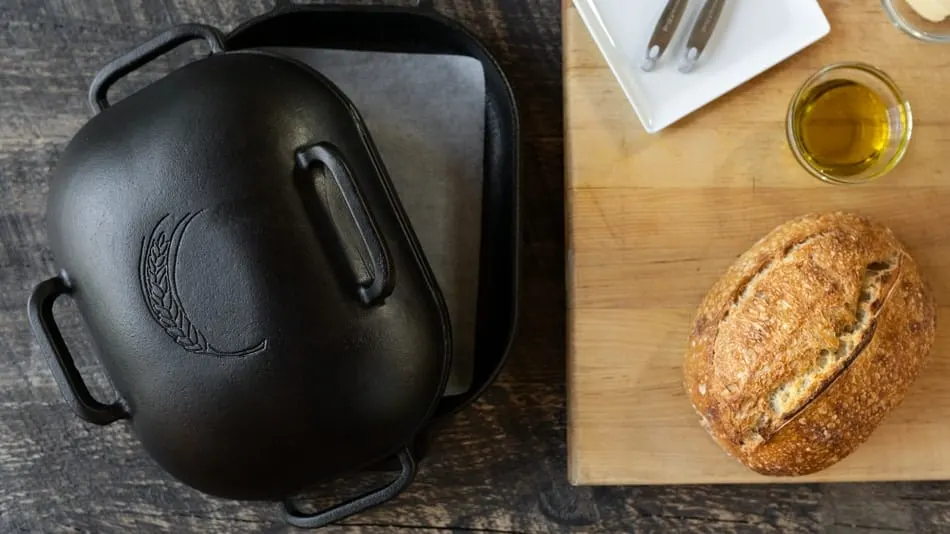
Both types excel at baking bread, with the heavy lid creating a steamy environment for a crusty loaf. Some bakers prefer cast iron for maintaining higher temperatures for a more robust crust, while enameled Dutch ovens simplify cleanup.
Cast iron's superior heat retention helps maintain oil temperature consistently for deep-frying. For soups and stews with acidic ingredients, an enameled Dutch oven's non-reactive surface is advantageous. Cast iron excels with high, consistent heat, while enameled Dutch ovens offer versatility and ease of use.
The 'better' performer depends on your cooking task and preferences. Prioritize searing and durability with cast iron. Value convenience, ease of cleaning, and versatility with an enameled Dutch oven.
Brand Breakdown: Key Players in 2026
Strong contenders populate the Dutch oven market. Lodge is the go-to for affordable, reliable cast iron, offering a wide range of durable sizes and styles. Lodge is a solid choice for beginners or those needing a workhorse.
Le Creuset sets the standard for enameled Dutch ovens, known for quality, craftsmanship, and beautiful design, though they come with a hefty price tag. Many cooks find Le Creuset worth the investment for long-term performance and aesthetic appeal.
Staub is a premium brand and competitor to Le Creuset, known for its black matte enamel interior that enhances browning. Staub ovens are slightly more affordable than Le Creuset but still represent a significant investment.
undefined are generally more affordable than Le Creuset or Staub, and they are a good option for those looking for a more eco-friendly choice. Several newer direct-to-consumer brands are emerging, often focusing on specific features or aesthetics. These brands can offer competitive pricing, but it’s important to research their reputation and quality.
- Lodge: Affordable, durable, classic cast iron.
- Le Creuset: Premium, high-quality, beautiful design (expensive).
- Staub: Premium, excellent browning, slightly more affordable than Le Creuset.
- GreenPan: Ceramic non-stick, PFAS-free, good value.
Featured Products

Iconic Le Creuset quality and durability · Superior heat distribution and retention · Stain-resistant enamel interior
A premium choice for those seeking unparalleled performance and timeless design in their cookware.

Handcrafted in France for exceptional quality · Unique micro-nubs on lid for self-basting · Durable matte black enamel interior
Offers superior moisture retention and even cooking, making it ideal for slow-cooked dishes and braises.
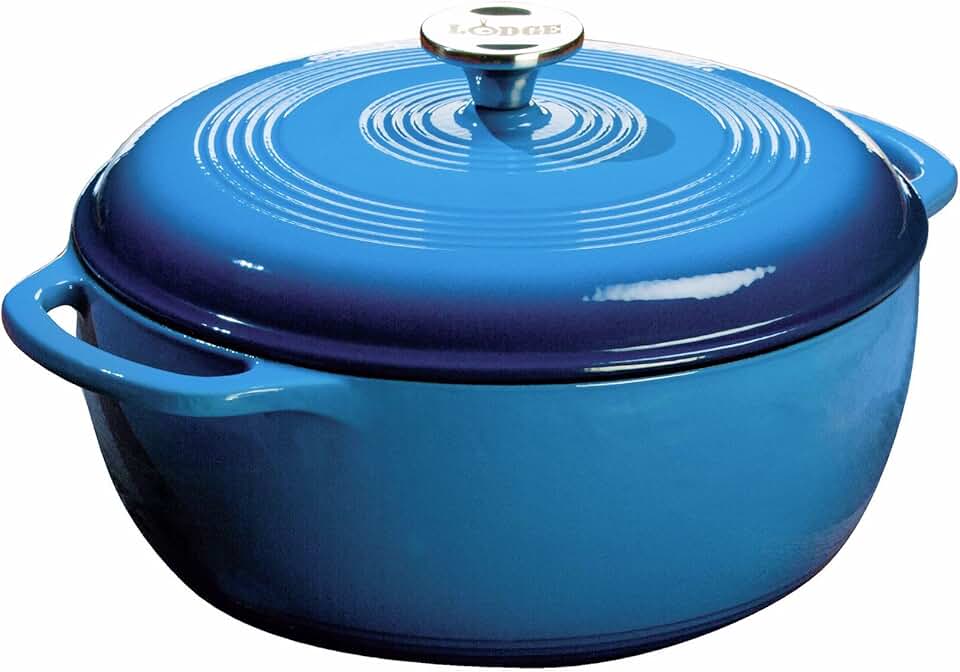
Versatile for baking, braising, and slow cooking · Moisture-sealing lid for tender results · Durable construction for everyday use
An excellent value proposition, delivering reliable performance for a wide range of culinary tasks.

Even heat distribution for consistent cooking · Non-reactive interior enamel · Classic design with ergonomic handles
A budget-friendly option that provides solid performance for everyday cooking needs.

Affordable entry into enameled cast iron cooking · Suitable for baking, roasting, and stews · Heavy-duty construction for durability
An accessible and functional choice for home cooks looking to explore the benefits of enameled cast iron without a significant investment.
As an Amazon Associate I earn from qualifying purchases. Prices may vary.
Beyond the Basics: Features to Consider
Beyond the basic material choice, several features can significantly impact the usability of a Dutch oven. Lid design is crucial. Self-basting knobs create condensation that drips back into the pot, keeping food moist during braising. Flat lids are more versatile for use as a griddle or for stacking other cookware.
Handle style is another consideration. Loop handles are traditional and sturdy, but can be difficult to grip with oven mitts. Side handles offer a more comfortable grip, but may be less durable. Consider your hand size and cooking style when choosing a handle design.
Oven-safe temperature limits are important to check. Most Dutch ovens are oven-safe to 500°F (260°C), but some may have lower limits. Compatibility with induction cooktops is also a factor if you have an induction range. Ensure the Dutch oven’s base is magnetic.
Size and capacity are critical. A 5- to 6-quart Dutch oven is a good all-around size for most families. Larger sizes are ideal for entertaining or cooking large batches of soup or stew. Consider your typical cooking needs when choosing a size. Don't overestimate; a heavier, larger Dutch oven can be unwieldy.
Care and Maintenance: Keeping Your Dutch Oven Happy
Proper care is essential for maximizing the lifespan of your Dutch oven. For cast iron, avoid using soap, as it can strip away the seasoning. Instead, use hot water and a stiff brush to remove food residue. Dry the Dutch oven thoroughly and apply a thin layer of oil after each use. To prevent rust, avoid letting the Dutch oven sit wet for extended periods.
For enameled Dutch ovens, cleaning is generally easier. Most food residue can be removed with soap and water. However, avoid using abrasive cleaners or scouring pads, as they can scratch the enamel. For stubborn stains, you can simmer water with a tablespoon of baking soda in the Dutch oven.
Minor enamel chips can sometimes be repaired with enamel repair kits, but significant damage may require replacing the pot. Avoid dropping your Dutch oven or subjecting it to sudden temperature changes, as this can cause the enamel to crack. Long-term storage should involve ensuring the Dutch oven is completely dry to prevent rust or mildew.
A common problem with cast iron is rust. If rust does appear, scrub it off with steel wool, then re-season the Dutch oven. Never put a hot Dutch oven into cold water – this can cause thermal shock and damage the pot. Careful handling and consistent maintenance will ensure your Dutch oven remains a valuable kitchen tool for years to come.
- Clean cast iron with hot water and a brush, not soap.
- Dry cast iron thoroughly and apply oil after each use.
- Avoid abrasive cleaners on enameled Dutch ovens.
- Never subject a hot Dutch oven to a cold water shock.
Worth a Closer Look: Emerging Trends
The Dutch oven market is relatively stable, but some interesting trends are emerging. Lighter-weight cast iron alloys are being developed, aiming to reduce the weight of these pots without sacrificing heat retention. Innovative enamel coatings are also being explored, with a focus on increased durability and chip resistance. There’s even some discussion about 'smart' Dutch ovens with integrated temperature sensors and connectivity, though these are still in the early stages of development.
These trends suggest a continued focus on improving usability and convenience. While the core functionality of a Dutch oven remains unchanged, manufacturers are constantly seeking ways to enhance the cooking experience. The future likely holds more specialized Dutch ovens tailored to specific cooking tasks, as well as continued advancements in materials and coatings.
No comments yet. Be the first to share your thoughts!