
Why a Dutch Oven Still Matters
The Dutch oven. It’s a name that conjures images of crackling fires, hearty stews, and generations of home cooks. But this isn’t some recent trend; the story of the Dutch oven stretches back centuries. Originally, these heavy pots weren’t "Dutch’ at all. They were perfected in the early 17th century by English brass founder Abraham Darby, who adapted casting techniques he learned from the Dutch to create a more efficient and affordable way to make pots. That"s where the name stuck.
What’s truly remarkable is how little the core design has changed. And for good reason. A good Dutch oven isn’t just a pot; it’s a workhorse. You can bake bread, slow-cook a tough cut of meat until it’s fall-apart tender, fry chicken to crispy perfection, or even roast a whole chicken. According to research from Utah State University, Dutch ovens are celebrated for their versatility and are ideal for all kinds of outdoor cooking, and that holds true in the kitchen as well.
Dutch ovens are an investment every home cook should consider. While not cheap, their longevity and the sheer range of dishes they enable make them worthwhile. They are pieces of cookware that improve with age, developing a patina and a history with each use.
The unique satisfaction of cooking in a Dutch oven, perhaps from its weight, even heating, or connection to tradition, is why these pots remain popular in kitchens.
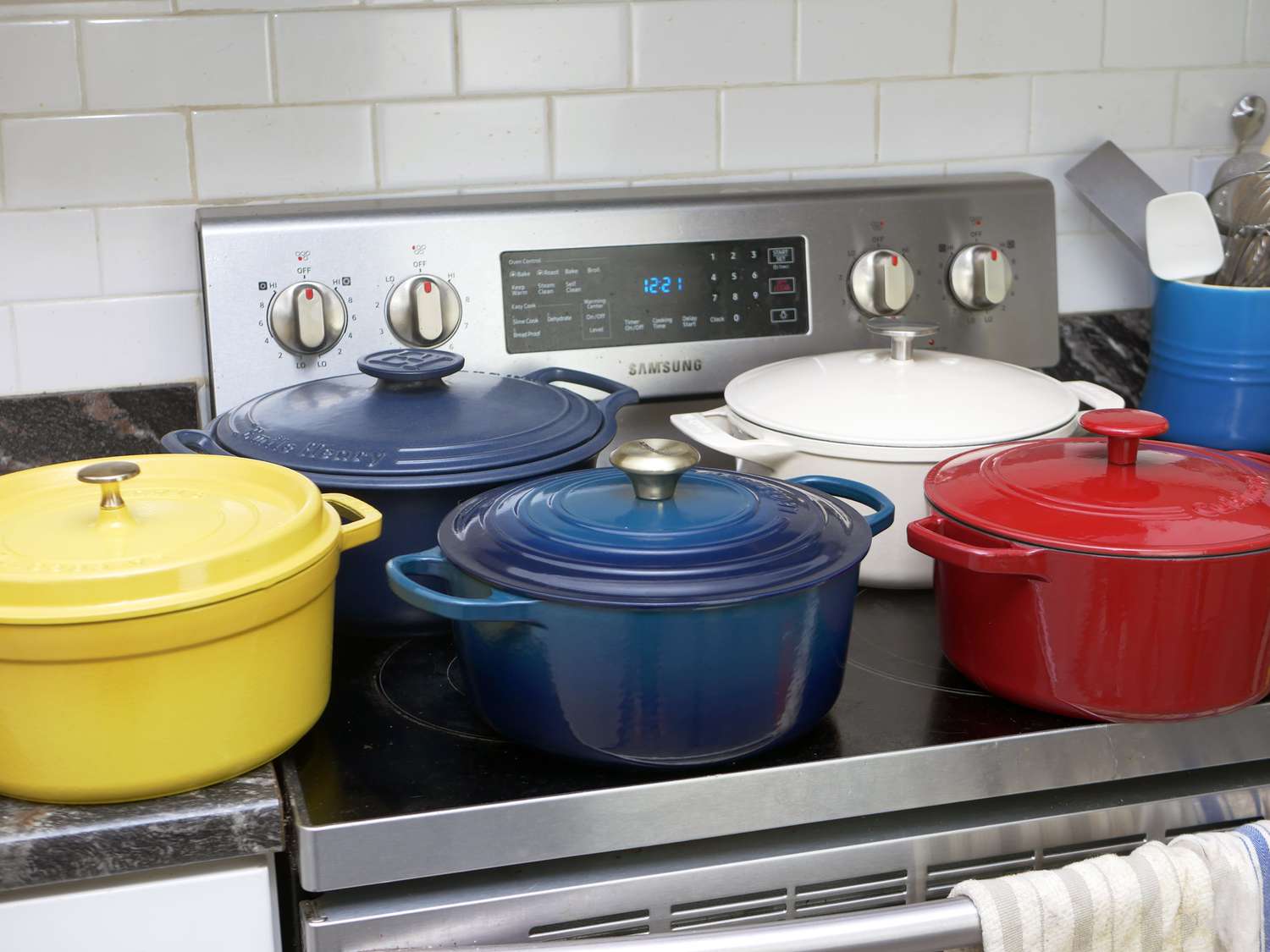
Cast Iron vs. Enameled: Which is Right?
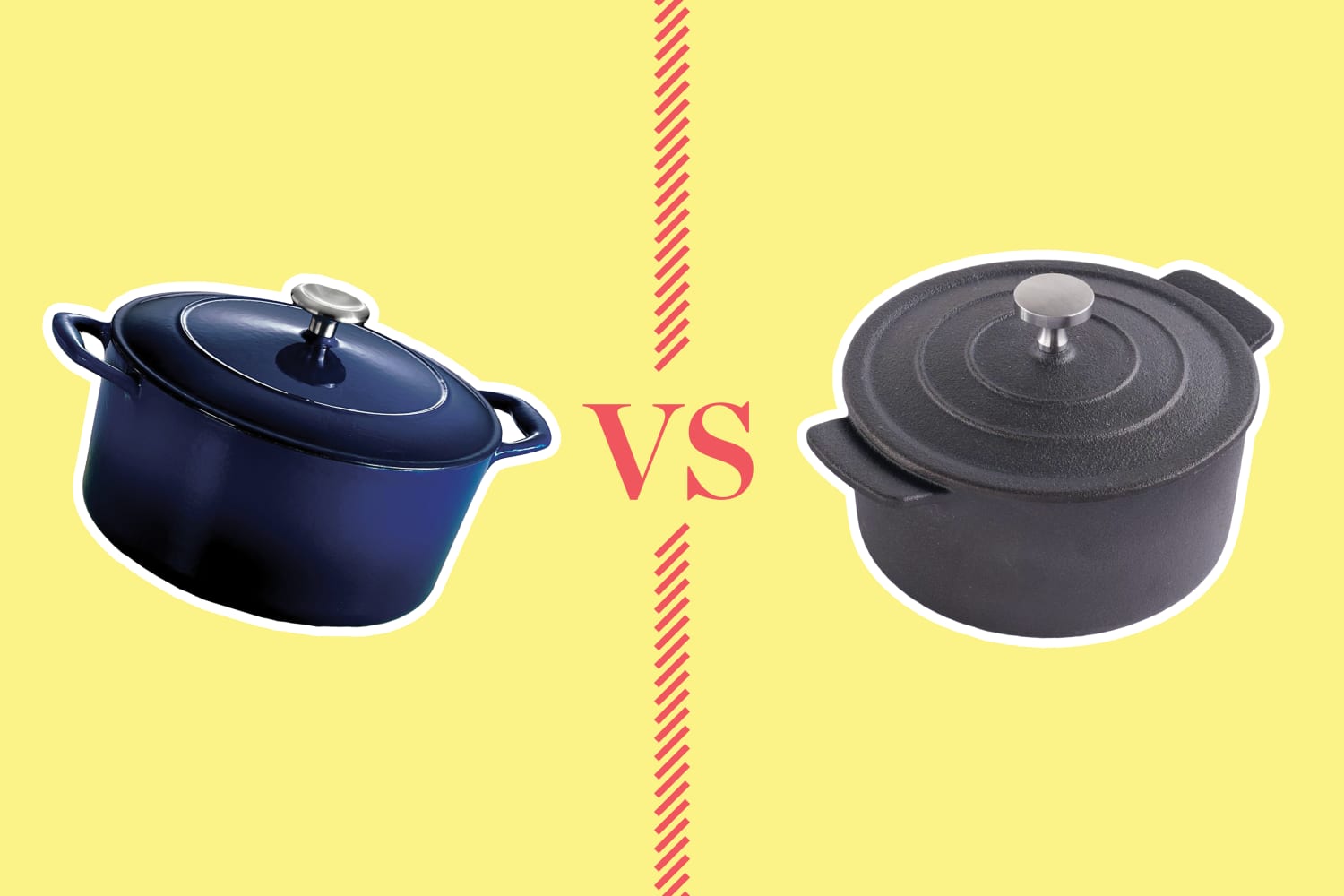
Choosing between cast iron and enameled Dutch ovens is the first big decision. Both have their strengths and weaknesses, and the best choice depends on your cooking style and preferences. Traditional cast iron is the original, and it’s known for its exceptional heat retention. This makes it ideal for searing, frying, and maintaining consistent temperatures for long periods of cooking.
The biggest benefit of cast iron is its durability. A well-maintained cast iron Dutch oven can literally last a lifetime – and be passed down through generations. They're also generally more affordable upfront than enameled options. However, cast iron requires seasoning, a process of building up layers of polymerized oil to create a natural non-stick surface and prevent rust. It’s not difficult, but it does require some effort.
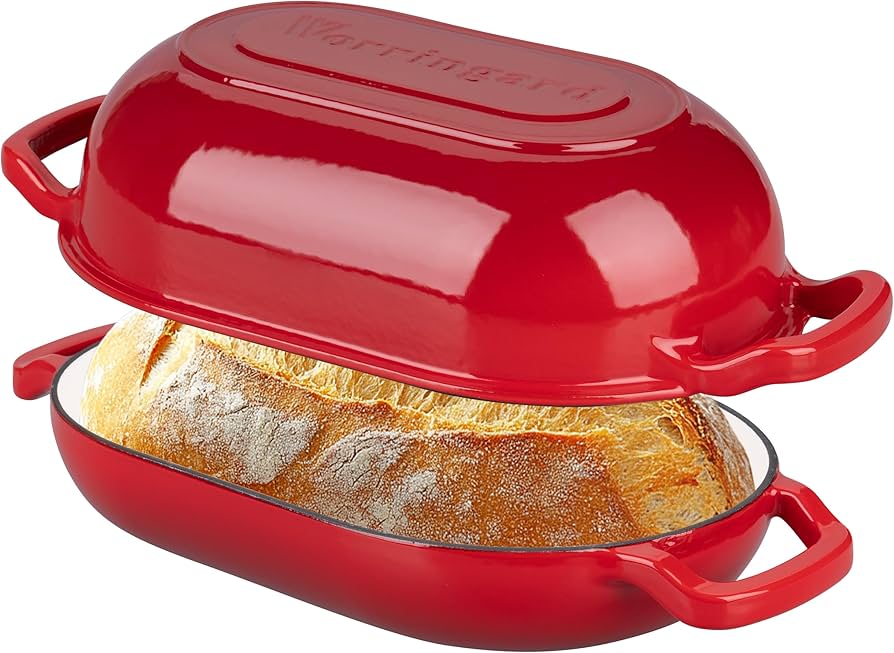
Enameled Dutch ovens, on the other hand, offer a more convenient experience. They don’t require seasoning, and they’re much easier to clean. The enamel coating also prevents rusting and adds a pop of color to your kitchen. A vibrant Le Creuset Dutch oven adds a pop of color to the stovetop.
But that convenience comes at a cost. Enameled Dutch ovens are typically more expensive, and the enamel coating can chip or crack if subjected to high heat or sudden temperature changes. The enamel coating can chip around the rim, even with careful use. This is something to be aware of. Ultimately, both types are excellent, it’s about which trade-offs you’re willing to make.
- Cast Iron: Excellent heat retention, incredibly durable, generally more affordable, requires seasoning.
- Enameled: No seasoning required, easy to clean, doesn’t rust, available in various colors, can be prone to chipping.
Dutch Oven Comparison: Cast Iron vs. Enameled (2026)
| Feature | Cast Iron | Enameled Cast Iron |
|---|---|---|
| Price | Medium to High | High |
| Weight | High | High to Very High |
| Maintenance | High (Requires seasoning & care to prevent rust) | Low (Generally dishwasher safe, but handwashing recommended) |
| Reactivity | High (Can react with acidic foods, affecting flavor) | Low (Coating prevents reactivity) |
| Heat Retention | Very High | High |
| Versatility | High (Excellent for all cooking methods, including campfire) | High (Suitable for stovetop and oven, some models campfire-safe – check manufacturer's guidance) |
| Aesthetic | Classic, Rustic | Wide Variety of Colors & Finishes |
Illustrative comparison based on the article research brief. Verify current pricing, limits, and product details in the official docs before relying on it.
Key Features to Consider
Beyond the material, a few key features can significantly impact your Dutch oven experience. The lid is perhaps the most important. Look for a lid that fits snugly to trap moisture and heat. Self-basting spikes on the underside of the lid are a fantastic feature, as they condense steam and return it to the pot, keeping your food moist and flavorful.
Oven-safe handles are also essential. You want to be able to seamlessly transition from stovetop to oven without worrying about damaging your cookware. Make sure the handles are securely attached and can withstand high temperatures. The size of the Dutch oven is another important consideration. A 5-6 quart Dutch oven is a good all-around size for most families, suitable for everything from soups and stews to roasting a chicken.
If you frequently cook for larger groups, you might want to consider a 7-8 quart option. The shape of the Dutch oven also matters. Round Dutch ovens are versatile and ideal for soups, stews, and braises. Oval Dutch ovens are better for roasting larger cuts of meat or poultry. A tight-fitting lid is non-negotiable; it makes all the difference in retaining heat and moisture.
Don't overlook the weight. Dutch ovens are heavy, especially cast iron. Consider whether you can comfortably lift and maneuver the Dutch oven when it’s full. It might seem like a small detail, but it can impact your enjoyment of cooking with it.
Top 10 Dutch Ovens for 2026
Alright, let’s get to the good stuff. Here are my top 10 Dutch oven picks for 2026, covering a range of budgets and needs. I’ve included both cast iron and enameled options, with a focus on quality, performance, and value.
1. Lodge 6-Quart Cast Iron Dutch Oven: The workhorse. A classic for a reason, Lodge offers exceptional value and durability. It requires seasoning, but it’s a relatively inexpensive way to get into cast iron cooking. Best for: Beginners, budget-conscious cooks.
2. Le Creuset 5.5-Quart Round Dutch Oven: The gold standard. Le Creuset is renowned for its quality and beautiful enameled finish. It’s an investment, but it will last a lifetime. Best for: Serious cooks, those who value aesthetics.
3. Cuisinart 7-Quart Cast Iron Dutch Oven: A solid contender. Cuisinart offers a good balance of quality and affordability. It’s pre-seasoned, making it easy to get started. Best for: Intermediate cooks, larger families.
4. Staub 5.5-Quart Round Cast Iron Dutch Oven: A close competitor to Le Creuset. Staub’s black matte enamel interior is particularly well-suited for braising. Best for: Braising enthusiasts, those who prefer a matte finish.
5. Amazon Basics 6-Quart Enameled Cast Iron Dutch Oven: Surprisingly good for the price. Amazon Basics offers a budget-friendly enameled option that performs well. Best for: First-time enameled Dutch oven owners, occasional users.
6. Great Jones 6-Quart Dutch Oven: Stylish and functional. Great Jones offers a modern aesthetic and solid performance. It's a bit of a splurge, but it looks great on the stovetop. Best for: Design-conscious cooks, those who want a statement piece.
7. Camp Chef 5-Quart Cast Iron Dutch Oven: Built for the outdoors. Camp Chef specializes in outdoor cooking gear, and their Dutch oven is no exception. It’s designed to withstand the rigors of camping and open-fire cooking. Best for: Outdoor enthusiasts, camping trips.
8. Misen 5.5-Quart Enameled Cast Iron Dutch Oven: Direct-to-consumer value. Misen offers high-quality cookware at a reasonable price by cutting out the middleman. Best for: Value-seeking cooks, those who appreciate minimalist design.
9. Brabantia 6.3-Quart Cast Iron Dutch Oven: European quality. Brabantia is a Dutch company known for its well-made kitchenware. Their Dutch oven is a solid performer with a classic design. Best for: Those seeking European craftsmanship, traditional cooking.
10. Tramontina 6.5-Quart Enameled Cast Iron Dutch Oven: Another excellent value option. Tramontina offers a good balance of quality and affordability, making it a great choice for everyday cooking. Best for: Everyday cooking, budget-conscious shoppers.
Dutch Oven Standouts: Deeper Dives
From the list above, a few Dutch ovens really stand out. The Le Creuset 5.5-Quart Round Dutch Oven consistently receives rave reviews for its even heating and beautiful enamel finish. I’ve used it for everything from no-knead bread to complex braises, and it’s never disappointed. The lid’s self-basting spikes work incredibly well, keeping food moist and tender. It’s an investment, yes, but the quality justifies the price.
The Lodge 6-Quart Cast Iron Dutch Oven is a different kind of standout – it’s the best value on the market. While it requires seasoning, the process isn’t as daunting as some people think. I’ve found that a few coats of flaxseed oil seasoning create a fantastic non-stick surface. It’s incredibly durable and can handle anything you throw at it. It’s also perfect for taking camping.
Finally, the Staub 5.5-Quart Round Cast Iron Dutch Oven deserves a closer look. The black matte enamel interior is a game-changer for braising. It creates a superior sear and develops a rich, flavorful fond. I’ve found that it’s particularly good for making stews and sauces. It’s a bit more expensive than Lodge, but the performance is worth the extra cost.
Caring for Your Dutch Oven
Proper care is essential for keeping your Dutch oven in top condition. For cast iron Dutch ovens, seasoning is key. After each use, clean the pot with warm water and a soft sponge. Avoid soap, as it can strip the seasoning. Dry the pot thoroughly and then apply a thin coat of oil. Heat the pot in the oven for an hour at 350°F to polymerize the oil and reinforce the seasoning.
Enameled Dutch ovens are easier to clean. Simply wash with warm water and a mild detergent. Avoid abrasive cleaners, as they can scratch the enamel. If food is stuck on, soak the pot in warm water for a few hours. For stubborn stains, you can try a paste of baking soda and water. Proper storage is also important. Avoid stacking other pots and pans on top of your Dutch oven, as this can chip the enamel or damage the seasoning.
Rust is the enemy of cast iron. If you notice any rust, scrub it off with steel wool and re-season the pot. Chipping is a concern with enameled Dutch ovens. While you can’t repair a chip, you can prevent it by avoiding sudden temperature changes and using wooden or silicone utensils. I've found that a little preventative care goes a long way.
- Seasoning Cast Iron: Clean, dry, oil, heat.
- Cleaning Enameled: Warm water, mild detergent, avoid abrasives.
- Storage: Avoid stacking, protect enamel/seasoning.
Beyond the Basics: Recipes to Try
The beauty of a Dutch oven lies in its versatility. The possibilities are truly endless. Websites like Cooking On The Weekends (cookingontheweekends.com) are full of inspiring Dutch oven recipes, from classic comfort foods to innovative new dishes. The Irishman’s Wife (theirishmanswife.com) also has a great collection of cozy Sunday suppers perfect for a Dutch oven.
Braised short ribs, beef bourguignon, and chicken pot pie are all Dutch oven staples. But don’t limit yourself to savory dishes. You can also bake bread, make cobblers, and even cook desserts in a Dutch oven. Here’s a simple recipe to get you started:
Simple Dutch Oven Apple Crisp: Dice 6 apples and toss with 1/2 cup sugar, 1 tsp cinnamon, and 2 tbsp flour. Place in a Dutch oven. For the crumble topping, combine 1/2 cup oats, 1/2 cup flour, 1/4 cup brown sugar, and 1/4 cup cold butter. Sprinkle over the apples and bake at 375°F for 30-40 minutes, or until golden brown.
Community Favorites and Discussions
Online forums and social media are buzzing with Dutch oven enthusiasts. On Reddit’s r/castiron, users frequently share their favorite recipes, tips, and experiences. A common topic of discussion is seasoning – everyone seems to have their own preferred method. Another frequent question is about enamel chipping, with users sharing advice on preventing and dealing with it.
Many users swear by Lodge as the best value for money, while others are loyal to Le Creuset for its quality and aesthetics. There’s a real sense of community among Dutch oven owners, and people are always eager to share their knowledge and passion. It's clear that this isn't just cookware; it's a tradition.
No comments yet. Be the first to share your thoughts!