
First Impressions: Cast Iron vs. Enameled
Standing in a kitchen store, you'll see two main types of Dutch ovens: classic black cast iron and brightly colored enameled versions. Both promise versatility and delicious results, but they feel different from the start.
Cast iron Dutch ovens have a rugged, substantial feel, hinting at generations of use. Enameled Dutch ovens offer a smoother, more refined look in a stunning array of colors, fitting modern kitchens. Historically, Dutch ovens, typically cast iron, were essential tools for pioneers, proving their durability and adaptability.
Both are excellent choices, catering to different needs. The goal is to understand the strengths and weaknesses of each to choose the pot that best aligns with your cooking style and lifestyle.
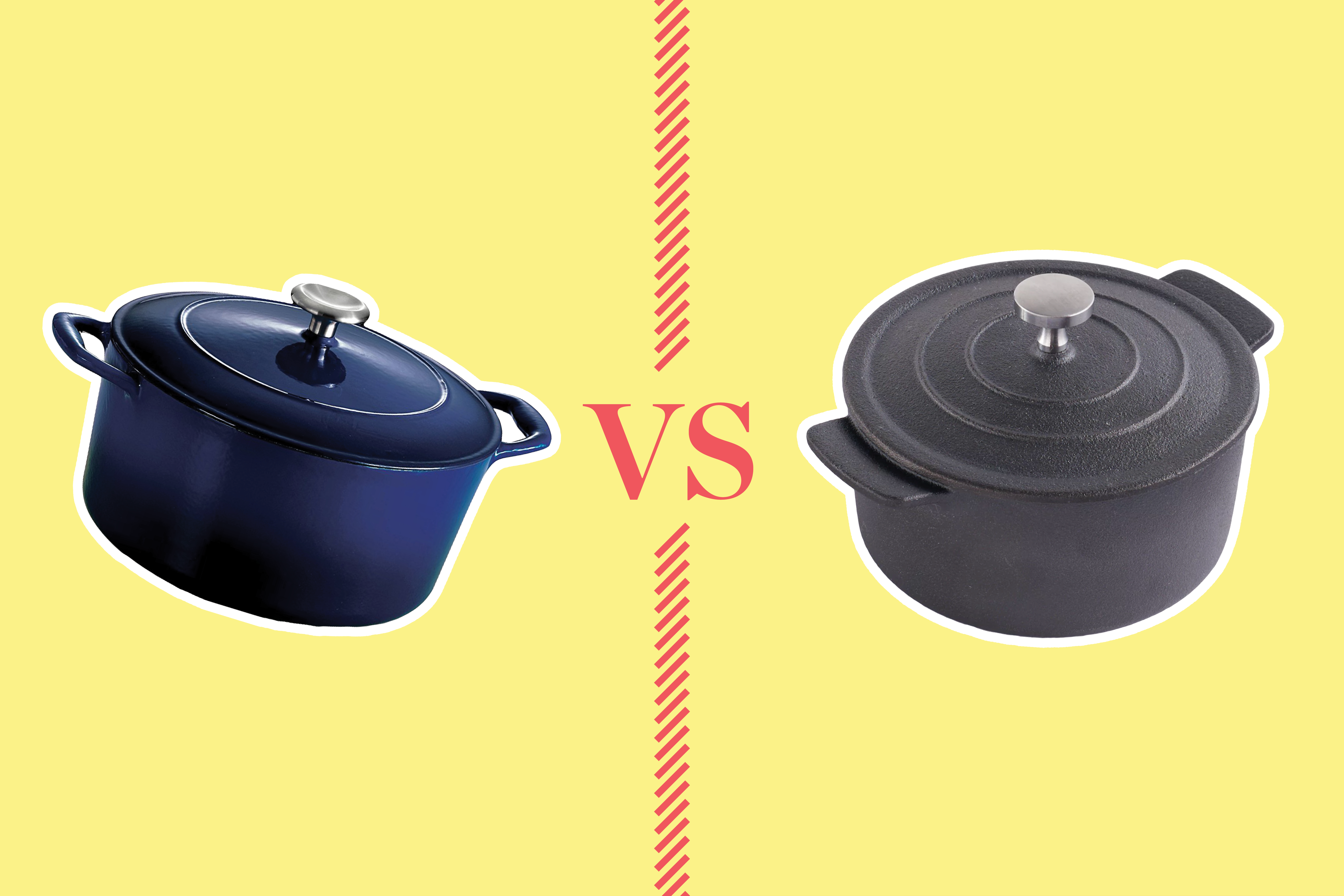
Cast Iron: The Workhorse
Traditional cast iron Dutch ovens are a kitchen staple, known for durability and exceptional heat retention. Their performance and longevity come from seasoning, a process where repeated heating and oil application alter the iron, creating a naturally non-stick surface.
Maintaining seasoning is crucial, requiring proper cleaning (usually no soap) and regular oiling to prevent rust. A well-seasoned cast iron Dutch oven distributes heat incredibly evenly, ideal for everything from slow-cooked stews to perfectly browned roasts. This even heating is a significant advantage.
Properly cared for, a cast iron Dutch oven can become a family heirloom. However, that durability comes with significant weight, making it challenging to maneuver. Despite the weight, its versatility is unmatched – you can use it on the stovetop, in the oven, or even directly over a campfire.
The maintenance requires effort but is a rewarding process, connecting you to a long tradition of cooking. The initial seasoning takes time, and consistent care is needed, but the results are worth it.
Enameled Dutch Ovens: Convenience & Color
Enameled Dutch ovens offer a different set of benefits. The enamel coating, typically porcelain, creates a smooth, non-reactive surface that eliminates the need for seasoning. This is a huge convenience for cooks who don’t want the upkeep of cast iron. Cleanup is also much easier, as you can typically use soap and water without damaging the finish.
A major draw is the wide range of colors available, from classic black and cream to vibrant reds, blues, and greens, allowing you to choose a pot that complements your kitchen décor. This aesthetic appeal is a significant factor for many home cooks.
However, the enamel coating isn't indestructible and can chip or crack if subjected to sudden temperature changes or rough handling. Dropping a fully loaded enameled Dutch oven is a serious risk. While generally good, heat distribution isn’t quite as even as with well-seasoned cast iron, and the enamel can sometimes create hot spots.
Enameled Dutch ovens aren’t ideal for open flame cooking, as the enamel can be damaged by direct heat. They’re best suited for stovetop and oven use. They offer a fantastic balance of performance and convenience, but have limitations that cast iron does not.
Cooking Performance: Side-by-Side
Both cast iron and enameled Dutch ovens excel in cooking, but in different areas. Cast iron’s superior heat retention makes it the clear winner for searing; a steak cooked in a well-heated cast iron Dutch oven will develop a beautiful, flavorful crust. The enameled version, while capable of searing, won't achieve the same level of browning.
For braising, both perform admirably, but cast iron’s even heating helps prevent scorching during long, slow cooks. Enameled Dutch ovens are excellent for delicate sauces and dishes that might react with bare iron, like tomato-based sauces, as the enamel coating prevents any metallic taste from leaching into the food.
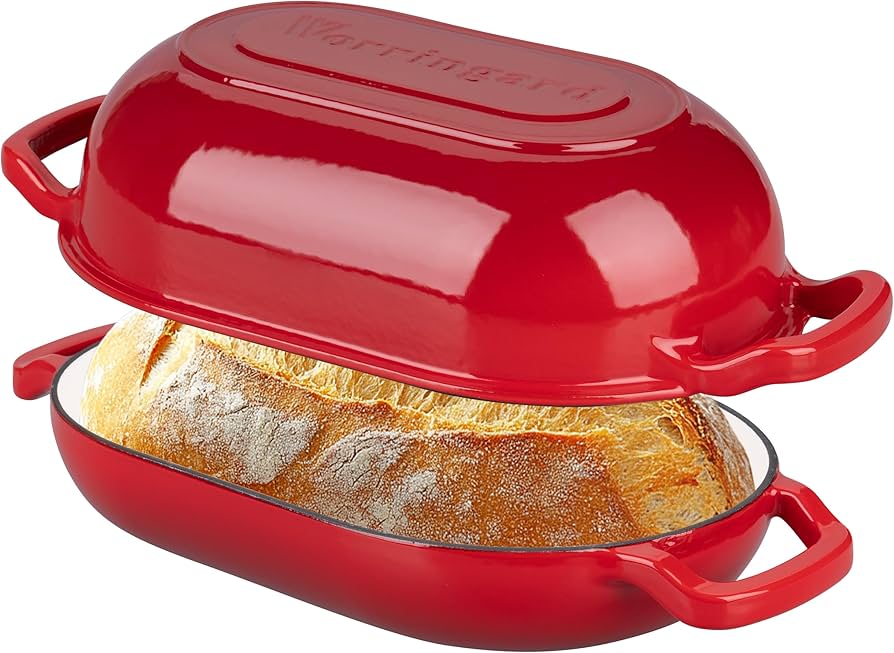
Both can produce excellent baking results. Enameled Dutch ovens are often preferred for bread baking due to the smooth surface making loaf release easier. Cast iron can also bake bread beautifully, but requires more careful seasoning and release techniques.
For a slow-cooked stew, cast iron distributes heat evenly, ensuring consistent cooking. An enameled version might require more frequent stirring to prevent sticking. Dutch ovens are versatile enough for baking, stewing, frying, and roasting, but the specific material impacts the best application for each.
- Searing: Cast Iron excels due to superior heat retention.
- Braising: Both perform well, but cast iron offers more even heating.
- Baking: Enameled is often favored for bread, cast iron works well with proper seasoning.
- Sauces: Enameled prevents reactions with acidic ingredients.
Cast Iron vs. Enameled Dutch Oven Performance Comparison - 2026
| Cooking Task | Cast Iron Performance | Enameled Performance | Notes |
|---|---|---|---|
| Searing | Better for | Good | Cast iron’s superior heat retention and responsiveness allows for a more effective sear, developing a richer crust on meats. Enameled Dutch ovens require higher heat to achieve similar results. |
| Braising | Trade-off | Excellent | Both perform well for braising. Cast iron distributes heat evenly after preheating, while enameled Dutch ovens maintain consistent temperature and are easier to clean after long braises with sticky sauces. |
| Baking | Good | Better for | Enameled Dutch ovens are less reactive and easier to clean when baking delicate items like cakes or bread. Cast iron can work, but requires careful seasoning and may impart a slight flavor. |
| Simmering | Good | Excellent | Enameled Dutch ovens excel at simmering due to their non-reactivity and ease of temperature control. Cast iron can simmer effectively but requires more attention to prevent scorching. |
| Frying | Better for | Good | Cast iron’s heat retention is ideal for maintaining oil temperature during frying. Enameled surfaces can be damaged by high heat and abrasive cleaning needed after frying. |
| Acidic Foods | Poor | Excellent | Enameled surfaces are non-reactive and won't impart metallic flavors when cooking acidic foods like tomatoes or wine-based sauces. Cast iron *can* be used, but prolonged exposure can degrade seasoning and impart flavors. |
| Maintenance | Higher | Lower | Cast iron requires regular seasoning and careful cleaning to prevent rust. Enameled Dutch ovens are easier to maintain, though chipping can occur if mishandled. |
Qualitative comparison based on the article research brief. Confirm current product details in the official docs before making implementation choices.
Price Breakdown: What to Expect
The price of a Dutch oven varies significantly by material, size, brand, and features, generally ranging from $50 to $400 or more. Entry-level cast iron Dutch ovens, often unseasoned, can be found for around $50-$100.
Mid-range cast iron Dutch ovens, pre-seasoned and with higher-quality construction, typically range from $150 to $250. Enameled Dutch ovens generally start around $100, with prices climbing rapidly depending on brand and capacity; a basic enameled Dutch oven from a reputable brand might cost $150-$200.
High-end brands like Le Creuset and Staub command premium prices, often exceeding $300 and reaching $400 or more for larger sizes or special editions. Factors influencing price include cast iron quality, enamel durability, wall thickness, and brand reputation.
Consider the long-term cost. A well-maintained cast iron Dutch oven can last a lifetime, potentially saving money. Enameled Dutch ovens, while convenient, may need replacement if the enamel chips or cracks.
- Entry-Level Cast Iron: $50 - $100
- Mid-Range Cast Iron: $150 - $250
- Basic Enameled: $100 - $200
- High-End (Le Creuset, Staub): $300+
Featured Products
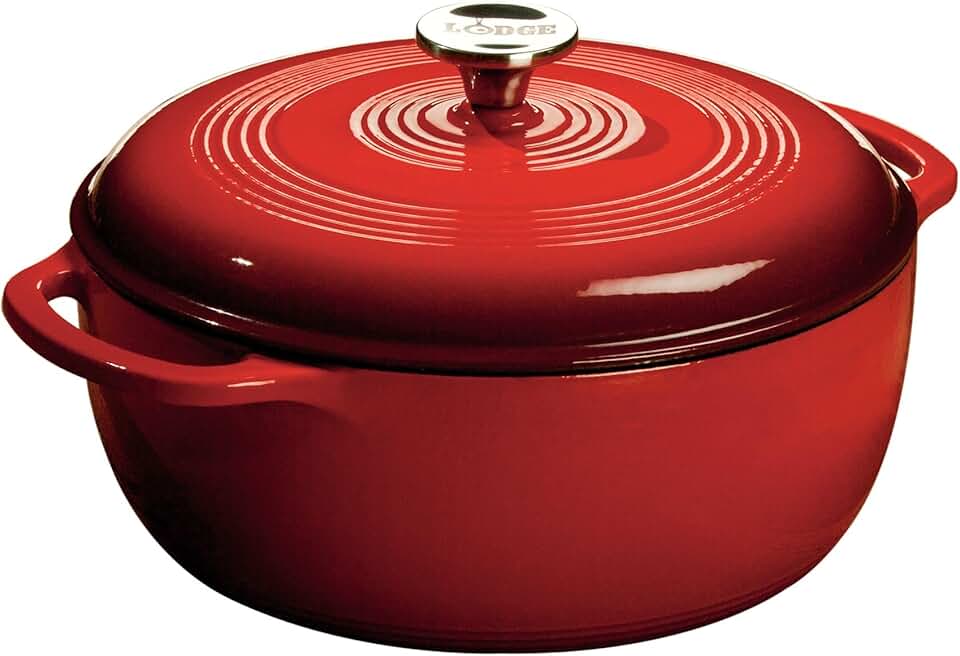
Durable cast iron construction with a vibrant enamel finish · Moisture-sealing lid for tender results · Dual handles for secure transport
The Lodge Essential Enamel Dutch Oven is a highly versatile and budget-friendly option, ideal for home cooks seeking reliable performance for everyday cooking and baking.

Premium enameled cast iron for superior heat distribution and retention · Signature design with enhanced lid for increased steam capture · Durable, non-reactive enamel interior
The Le Creuset Signature Round Dutch Oven represents the pinnacle of enameled cast iron cookware, offering exceptional durability, performance, and timeless style for discerning chefs.

Heavy-duty cast iron with a matte black enamel interior · Unique lid design with micro-spikes for self-basting · Exceptional heat retention for slow cooking and braising
The Staub Cast Iron Round Cocotte is a professional-grade Dutch oven renowned for its superior heat distribution and innovative self-basting lid, perfect for achieving rich, flavorful slow-cooked dishes.

Enameled cast iron for even heating and easy cleanup · Includes cotton potholders for safe handling · Generous 5-quart capacity suitable for various recipes
The Umite Chef Enameled Cast Iron Dutch Oven provides an excellent entry-level option, delivering solid performance and essential features at an accessible price point.

Generous 7-quart capacity, ideal for larger families or batch cooking · Durable enameled cast iron construction · Even heat distribution for consistent cooking results
The Cuisinart Chef's Classic Enameled Cast Iron Round Covered Casserole is a practical and spacious choice for those who frequently cook for larger groups, offering reliable performance and classic design.
As an Amazon Associate I earn from qualifying purchases. Prices may vary.
Maintenance & Care: A Realistic View
Maintaining a cast iron Dutch oven requires consistent attention. After each use, clean it with hot water and a stiff brush (avoid soap unless absolutely necessary). Dry it thoroughly immediately to prevent rust. Then, apply a light coat of oil to the entire cooking surface to maintain seasoning and prevent corrosion.
Enameled Dutch ovens are much easier to clean; soap and water are generally safe. Avoid abrasive cleaners that can scratch the enamel. To prevent chipping, avoid sudden temperature changes—don't place a hot pot directly into cold water—and be careful not to drop it.
undefined ovens. While minor chips don't necessarily render the pot unusable, extensive chipping can compromise the enamel coating and potentially expose the iron underneath.
Cast iron requires more effort, but it can last generations with proper care. Enameled is easier day-to-day, but it has a finite lifespan. Choose the maintenance routine that fits your lifestyle and commitment level.
- Cast Iron Cleaning: Hot water, brush, dry immediately, oil lightly.
- Enameled Cleaning: Soap and water, avoid abrasives.
- Cast Iron Prevention: Prevent rust with oil and thorough drying.
- Enameled Prevention: Avoid thermal shock and drops.
Standout Models: Worth a Closer Look
Choosing a specific model depends on your budget and needs, but a few consistently receive high praise. The Lodge Cast Iron Dutch Oven is a fantastic value option, offering excellent performance at an affordable price point. It’s pre-seasoned and ready to use right out of the box.
For those seeking a premium enameled option, the Le Creuset Enameled Cast Iron Dutch Oven is a classic. It’s known for its exceptional quality, even heat distribution, and stunning range of colors. It's an investment, but one that can last a lifetime. Finally, the Staub Enameled Cast Iron Dutch Oven is another top contender, offering similar performance to Le Creuset at a slightly lower price.
The Amazon Basics Enameled Cast Iron Dutch Oven provides a solid entry point into enameled cookware without the premium price tag. It consistently receives positive reviews for its performance and durability.
Lodge Essential Enamel Cast Iron Dutch Oven - Perfect for Bread Baking, Braising, Marinating & Slow Cooking - Features Moisture-Sealing Lid & Dual Handles - Kitchen Essentials - 6 Quarts - Island Spice Red
- Durable cast iron construction for superior heat retention and distribution.
- Vitreous enamel coating resists chipping, staining, and dulling.
- Moisture-sealing lid traps steam for tender, flavorful results.
- Dual loop handles for secure lifting and transport.
- Versatile for baking, braising, marinating, slow cooking, and more.
The Lodge Essential Enamel Dutch Oven is an excellent benchmark for enameled cast iron, offering robust performance and classic aesthetics at a competitive price point, making it an ideal choice for those seeking the benefits of enameled cast iron for a wide range of cooking tasks.
View on Amazon →As an Amazon Associate I earn from qualifying purchases.
Your Cooking Style: The Deciding Factor
Ultimately, the best Dutch oven for you depends on your cooking style and priorities. Do you prioritize convenience and ease of cleaning? An enameled Dutch oven might be the better choice. Do you love the idea of a pot that will last a lifetime, and are you willing to put in the effort to maintain it? Cast iron is the way to go.
Do you frequently cook over an open flame? Cast iron is essential. Do you need a pot that matches your kitchen décor? Enameled Dutch ovens offer a wider range of colors. Consider your cooking habits and your lifestyle, and choose the pot that best aligns with your needs. There’s no wrong answer, just the right pot for you.
- Prioritize Convenience? Choose Enameled.
- Value Longevity? Choose Cast Iron.
- Cook Over Open Flame? Choose Cast Iron.
- Need Color Options? Choose Enameled.
Dutch Oven Decision: Cast Iron or Enameled?
Choosing between a cast iron and enameled Dutch oven can be tricky! Both offer incredible versatility, but suit different cooking styles and preferences. This quick quiz will help pinpoint which type is the best fit for *your* kitchen.
No comments yet. Be the first to share your thoughts!