
Sourdough’s Dutch Oven Love Affair
Sourdough thrives in a Dutch oven because it mimics a professional steam-injection oven. While pioneers used these pots for survival, modern bakers use them to solve the problem of dry home ovens. The heavy lid traps moisture escaping from the dough, keeping the surface supple enough to expand before the crust sets.
But why does sourdough, in particular, thrive in a Dutch oven? It all comes down to steam and consistent heat. The enclosed environment traps moisture released from the dough during the initial baking phase, creating a steamy oven. This steam inhibits crust formation, allowing the loaf to expand fully—what bakers call "oven spring." Then, as the bake continues and the steam dissipates, a beautifully crisp, blistered crust develops.
The Dutch oven’s thick walls and tight-fitting lid also ensure even heat distribution, preventing hot spots that can lead to uneven baking. This is crucial for sourdough, which benefits from a consistent temperature throughout the entire process. It's a simple principle, but incredibly effective. The question then becomes: does the material of the Dutch oven – cast iron or enamel – significantly impact these results? That's what we'll explore.
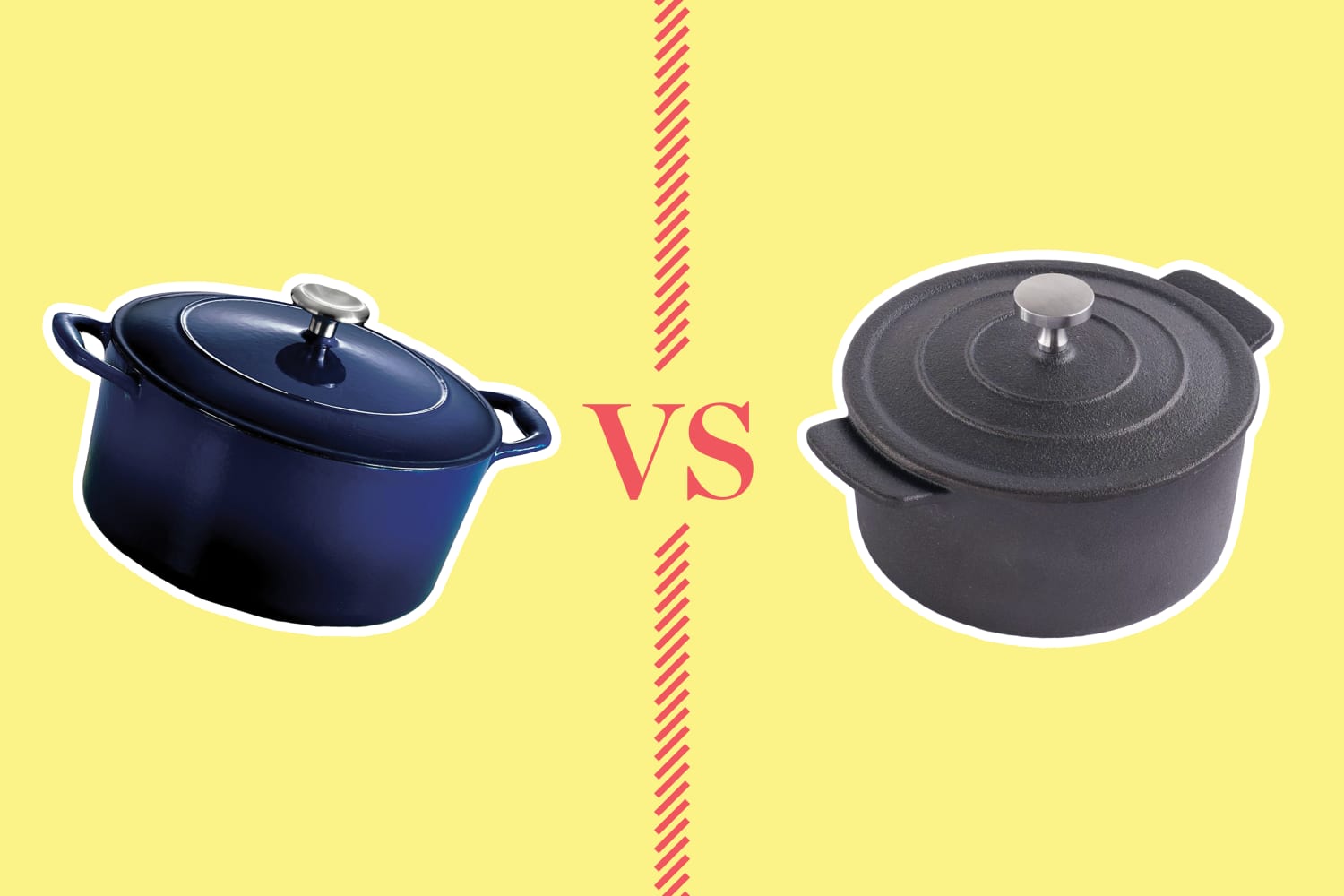
Choosing between raw cast iron and enamel comes down to how much you value a dark, aggressive crust versus easy cleanup. I've found that while both produce great bread, they require different handling when the oven hits 500°F.
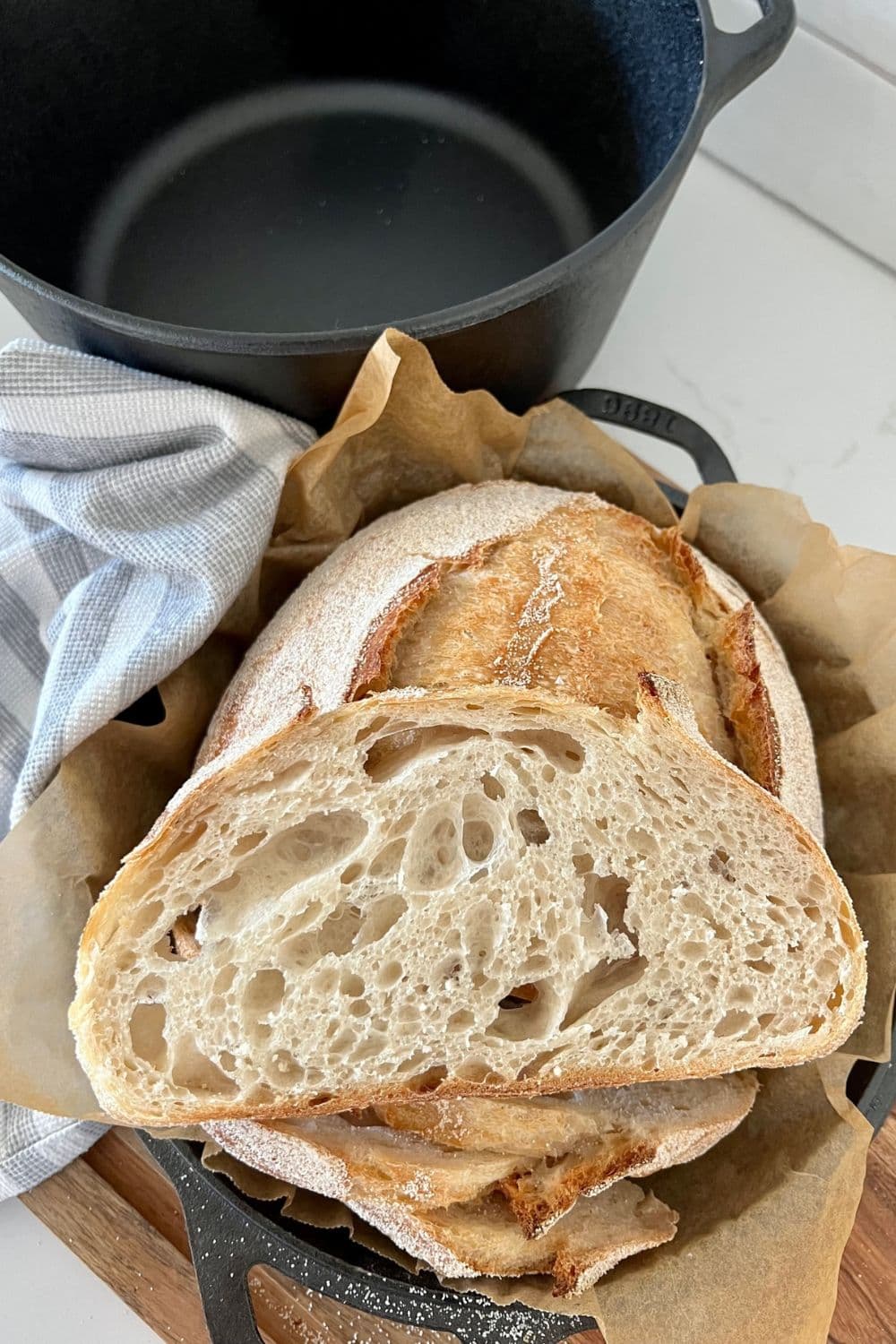
Raw cast iron: the high-maintenance workhorse
Cast iron Dutch ovens are the original, and for many, still the best. Their defining characteristic is their exceptional heat retention. Once heated, cast iron stays hot for a very long time, providing a stable and consistent baking environment. This is particularly beneficial for sourdough, which often involves long fermentation times and a prolonged bake. It’s a quality that enameled Dutch ovens often struggle to match.
The even heating of cast iron is another major advantage. The thick walls distribute heat uniformly, minimizing hot spots and ensuring that your loaf bakes evenly. However, this comes with a trade-off: cast iron takes a while to heat up. It's not ideal if you're looking for quick turnaround times. But for sourdough, where patience is a virtue, this isn’t necessarily a drawback.
Seasoning is the key to a well-maintained cast iron Dutch oven. This process, where oil is baked onto the surface, creates a natural, non-stick coating. A well-seasoned Dutch oven will release loaves easily, but it requires regular upkeep. Neglecting seasoning can lead to sticking and rust, which is not ideal for your sourdough. It's a commitment, there’s no getting around that.
The versatility of a Dutch oven is something to consider. As noted in studies of historical cooking practices, these pots weren’t just for baking. You can use them on the stovetop, over a campfire, or even directly on coals. This makes a cast iron Dutch oven a truly multi-purpose kitchen tool. But for sourdough, the seasoning does impart a subtle flavor to the bread over time, which some bakers appreciate.
Brands like Lodge are a solid starting point, offering reliable quality at a reasonable price point (typically $80-$200 for a 5-6 quart Dutch oven). More premium brands such as Finex (around $300-$450) offer refined designs and heavier construction. Smithey is also a popular choice, often falling in the $350-$500 range, known for their smooth cooking surfaces.
Raw cast iron is cheaper upfront, but you pay for it in labor. If you hate scrubbing and oiling pans, the $80 price tag on a Lodge is a trap. If you enjoy the ritual of maintaining a tool, it's the better value.
Enamel pots: convenience at a price
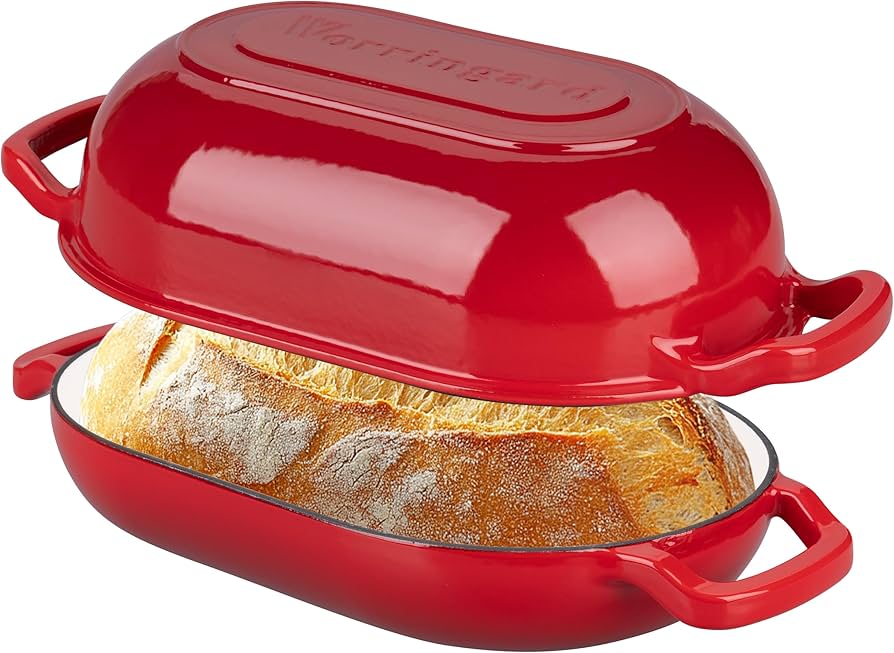
Enameled cast iron Dutch ovens offer a different set of benefits. The primary advantage is convenience. Unlike their bare cast iron counterparts, enameled Dutch ovens require no seasoning. The enamel coating provides a naturally non-stick surface, making it easy to release loaves and simplifies cleanup significantly. This is a huge plus for bakers who want to spend less time on maintenance and more time enjoying their bread.
Another appealing aspect of enameled Dutch ovens is the wide range of colors available. From classic black to vibrant reds and blues, you can find one that matches your kitchen décor. While this is purely aesthetic, it's a factor that many bakers consider. Le Creuset is the iconic brand here, known for its extensive color selection and high quality (typically $300-$500+ for a 5.5-quart Dutch oven). Staub is another respected brand, often praised for its black matte enamel interior (around $350-$600).
However, enameled Dutch ovens aren’t without their drawbacks. The enamel coating is susceptible to chipping, especially if exposed to sudden temperature changes or harsh cleaning tools. While a small chip won't necessarily ruin the pot, it can be unsightly and may eventually worsen. You need to be careful about how you handle and clean it.
The price is generally higher for enameled Dutch ovens compared to bare cast iron. You're paying for the convenience of the enamel coating and the broader range of color options. Furthermore, some bakers argue that enameled Dutch ovens don’t retain heat quite as effectively as well-seasoned cast iron, though this is often a matter of debate.
Does enamel affect the sourdough crust? Some bakers report that enamel tends to produce a slightly less crispy crust compared to cast iron, potentially due to the enamel’s slightly lower heat retention. However, this difference is often subtle and can be mitigated by adjusting baking times and temperatures. It really comes down to personal preference.
The enamel coating itself can vary in quality. Look for brands that use multiple layers of enamel for increased durability and resistance to chipping. Porcelain enamel is a common choice, offering a smooth, non-reactive surface.
The heat retention myth
When it comes to heat retention, cast iron generally has the edge. The material itself is denser and holds heat more effectively than enameled cast iron. This means that a cast iron Dutch oven will maintain a more consistent temperature throughout the baking process, even if you open the lid to check on your loaf.
However, the difference isn’t always dramatic. A high-quality enameled Dutch oven with thick walls can still retain a significant amount of heat. The key factor is the thickness of the cast iron—both the walls and the base. Thicker cast iron will always outperform thinner cast iron, regardless of whether it’s enameled or not.
The lid plays a crucial role in heat retention as well. A heavy lid, whether cast iron or enameled, will help trap steam and maintain a consistent temperature. Some lids even have condensation ridges on the underside, which help return moisture to the dough, further enhancing steam retention. This is an important feature to look for.
For long fermentation times, the superior heat retention of cast iron can be particularly beneficial. It helps maintain a stable temperature for the dough even during cooler periods. But, a well-insulated kitchen and a properly preheated enameled Dutch oven can minimize the difference in performance.
Dutch Oven Comparison for Sourdough Bread Baking
| Feature | Cast Iron Dutch Oven | Enameled Cast Iron Dutch Oven |
|---|---|---|
| Heat Retention | Excellent | Excellent |
| Seasoning Required | Yes | No |
| Cleaning Effort | High | Medium |
| Reactivity with Dough | High | Low |
| Durability | Excellent | Good |
| Price | $$ | $$$ |
| Weight | Generally Heavier | Generally Lighter than unenameled |
| Maintenance | Regular seasoning needed to prevent rust | Less maintenance, but enamel can chip |
Illustrative comparison based on the article research brief. Verify current pricing, limits, and product details in the official docs before relying on it.
Top Dutch Ovens for Sourdough (2026)
Choosing the right Dutch oven can feel overwhelming, but here are a few standouts for sourdough baking in 2026, considering both cast iron and enameled options.
Lodge Cast Iron Dutch Oven (5.5 Quart): A classic for a reason. Lodge provides excellent value, with a durable and reliable cast iron Dutch oven that’s perfect for beginners. It requires seasoning, but it’s a workhorse that will last a lifetime. Price Range: $80 - $120. Pros: Affordable, incredibly durable, excellent heat retention. Cons: Requires seasoning, can be heavy.
Le Creuset Enameled Cast Iron Dutch Oven (5.5 Quart): The gold standard of enameled Dutch ovens. Le Creuset offers exceptional quality, beautiful colors, and easy cleanup. It's an investment, but it's one that will pay off in the long run. Price Range: $350 - $450. Pros: No seasoning required, easy to clean, wide range of colors. Cons: Expensive, enamel can chip.
Staub Enameled Cast Iron Dutch Oven (5.5 Quart): A strong contender to Le Creuset, Staub is known for its black matte enamel interior, which is particularly good at browning. It's also very durable and retains heat well. Price Range: $400 - $600. Pros: Excellent browning, durable enamel, good heat retention. Cons: Expensive.
Smithey Cast Iron Dutch Oven (5.7 Quart): A modern take on classic cast iron. Smithey Dutch ovens feature a polished cooking surface and a comfortable handle. They're a bit more expensive than Lodge, but offer a premium experience. Price Range: $350 - $500. Pros: Smooth cooking surface, comfortable handle, excellent heat retention. Cons: More expensive than Lodge, requires seasoning.
Cuisinart Chef's Classic Enameled Cast Iron Dutch Oven (6 Quart): A more budget-friendly enameled option. Cuisinart provides a good balance of quality and affordability. It’s a great choice for bakers who want the convenience of enamel without breaking the bank. Price Range: $150 - $200. Pros: Affordable, easy to clean, no seasoning required. Cons: Enamel may not be as durable as Le Creuset or Staub.
Care & Maintenance: Keeping it Seasoned
Proper care and maintenance are essential for extending the life of your Dutch oven, regardless of whether it’s cast iron or enameled. For cast iron Dutch ovens, seasoning is paramount. After each use, clean the pot with hot water and a gentle scrub brush. Avoid using soap, as it can strip away the seasoning. Dry the pot thoroughly and then apply a thin layer of oil (such as flaxseed oil, canola oil, or vegetable oil) to the entire surface.
Heat the oiled pot in the oven at 350°F (175°C) for an hour to polymerize the oil and create a stronger seasoning layer. Repeat this process regularly to maintain a well-seasoned surface. To prevent rust, always dry the pot completely after washing and avoid storing it in a damp environment.
Enameled Dutch ovens require less maintenance, but they’re still susceptible to damage. Avoid using abrasive cleaners or scouring pads, as they can scratch the enamel. Instead, use a gentle dish soap and a soft sponge. Avoid sudden temperature changes, as this can cause the enamel to crack or chip. Don't drop cast iron or enameled dutch ovens, as damage can occur.
If you notice a chip in the enamel, it’s generally safe to continue using the pot, but be careful not to let the chip worsen. For stubborn food residue, try simmering water in the pot for a few minutes to loosen it up. With proper care, your Dutch oven will provide years of reliable service and countless delicious loaves of sourdough.
Featured Products

Pre-seasoned cast iron · 2-in-1 pot and skillet design · Excellent heat retention
It's a budget-friendly, durable cast iron option that excels at heat retention for a great sourdough crust.

Enameled cast iron construction · Unique lid design for moisture retention · Superior heat distribution and retention
This high-end enameled cast iron pot offers superior moisture retention and even heating for consistently excellent sourdough.

Enameled cast iron construction · Excellent heat distribution and retention · Durable, non-reactive enamel coating
A classic choice, the Le Creuset provides reliable, even heating and superior heat retention for beautiful sourdough loaves.

Enameled cast iron construction · Generous 7-Quart capacity · Good heat retention
This Cuisinart offers a large capacity and good heat retention at an accessible price point for sourdough baking.

Enameled cast iron construction · Even heat distribution and retention · Durable and easy-to-clean enamel
A great value, this Tramontina Dutch oven delivers even heating and good heat retention for impressive sourdough.
As an Amazon Associate I earn from qualifying purchases. Prices may vary.
No comments yet. Be the first to share your thoughts!