
Smart dutch ovens emerge
The Dutch oven – that heavy, versatile pot – has a history stretching back centuries. As documented by USU Extension Agent Susan Haws, these pots were essential tools for pioneers heading west, prized for their ability to bake, stew, fry, and roast nearly anything over an open fire. They’re remarkably simple, really. A thick-walled pot with a tight-fitting lid. And for a long time, that was enough.
But cooking is evolving. We’re seeing a shift towards more precise control and convenience, and that's starting to influence even the most traditional kitchen tools. Enter the "smart’ Dutch oven. These aren’t your grandmother"s cast iron pots – although they certainly can look the part. They integrate technology, most notably temperature sensors and advanced heat distribution systems, to assist with cooking.
The appeal? Consistency. Anyone who’s wrestled with a finicky sauce or a scorched stew understands the desire for more predictable results. Smart features promise to take some of the guesswork out of Dutch oven cooking. The timing feels right now, too. Sensors have become more affordable and accurate, wireless technology is more reliable, and people are increasingly comfortable with connected devices in their kitchens.
These tools don't replace a cook's intuition. They just provide better data so you aren't tethered to the stove checking for hot spots every ten minutes.
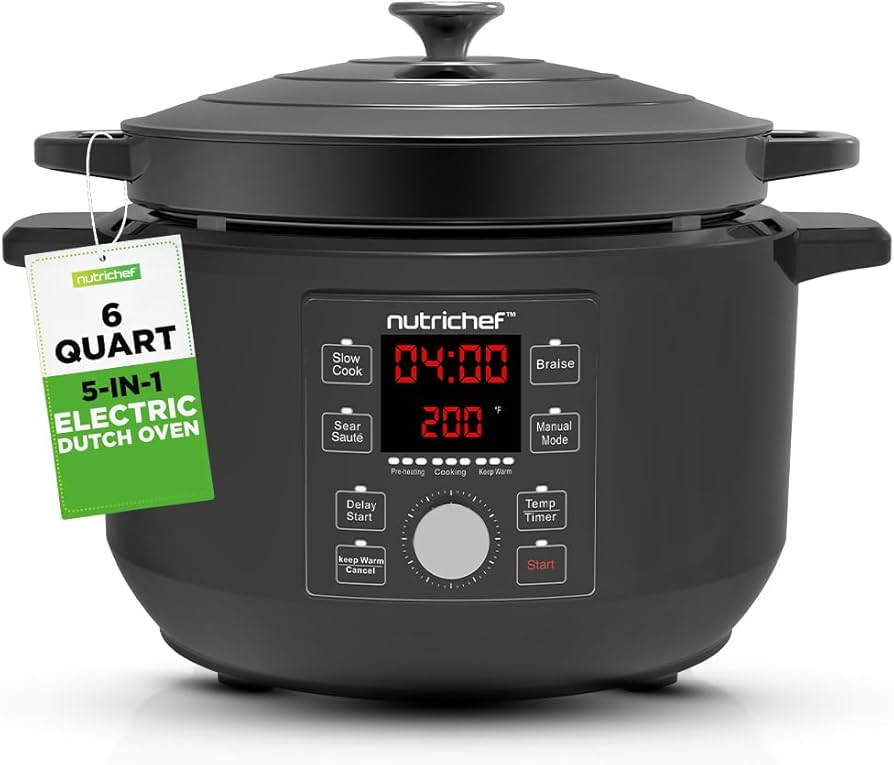
How sensors handle the heat
At the heart of most smart Dutch ovens is a temperature sensor. These sensors aren't all created equal, and the type used significantly impacts accuracy. While I don’t have specifics on which models use which, generally you’ll find thermistors or Resistance Temperature Detectors (RTDs) being employed. Thermistors are often cheaper but can be less accurate over a wider temperature range. RTDs are generally more precise, but also more expensive.
Realistically, you can expect accuracy within a few degrees Fahrenheit—maybe 2-5°F—with a good quality sensor. That’s a significant improvement over relying solely on visual cues or a stove-top thermometer. The benefits are clear: preventing scorching, ensuring food reaches a safe internal temperature, and consistently replicating recipes. Imagine perfectly caramelized onions every time.
Sensor placement is everything. A probe at the base measures the direct heat of the burner, while one near the lid tracks the ambient steam. I prefer models with movable probes because they let you choose which zone to monitor.
Remote monitoring is another appealing feature, allowing you to check the temperature of your dish from another room – or even while you’re at the grocery store. But don’t mistake this for a "set it and forget it" solution. Dutch oven cooking still requires attention and judgment. A sensor provides data, but you still need to interpret it.
Solving the hot spot problem
One of the biggest challenges with traditional Dutch ovens is ensuring even heat distribution. Cast iron is excellent at retaining heat, but it can be slow to respond to temperature changes and prone to hot spots. This is where the technology gets interesting. Some manufacturers are experimenting with modified base designs – thicker bases, or bases with integrated heat pipes – to spread heat more evenly.
Others are exploring alternative materials. While pure cast iron remains the gold standard for heat retention, combining it with other metals (like aluminum) can improve conductivity. I’ve seen some prototypes with internal heating elements, but these are still relatively rare and raise concerns about cleaning and durability.
Why is even heat so important? Think about braising a tough cut of meat. You want consistent, gentle heat to break down the connective tissue without scorching the exterior. Or consider baking bread – even heat is critical for a consistent rise and a golden-brown crust. As Cooking On The Weekends points out, Dutch ovens are incredibly versatile, but even heat is necessary to unlock that full potential.
Compared to traditional methods – rotating the oven, using a diffuser plate – these technologies aim to automate the process. A diffuser plate is a good solution, but requires active management. A well-designed smart Dutch oven should handle even heat distribution passively, minimizing the need for intervention. It’s about convenience and consistency.
Apps and connectivity
Most smart Dutch ovens connect to a smartphone app via Wi-Fi or Bluetooth. These apps typically display real-time temperature data, allow you to set temperature alerts, and offer pre-programmed cooking modes. Some even boast remote control features, letting you adjust the temperature from your phone.
The convenience is undeniable. Imagine preheating your Dutch oven on your commute home, so it’s ready to go when you walk in the door. Or receiving a notification when your stew has reached the perfect simmering temperature. Many apps also include curated recipes specifically designed for the Dutch oven, taking the guesswork out of cooking.
However, app dependency isn't without its drawbacks. You're relying on software that can be buggy, require updates, or even become obsolete if the manufacturer stops supporting it. Privacy is another concern – what data is being collected, and how is it being used? It’s important to read the fine print and understand the app’s privacy policy.
Integration with other smart kitchen devices is another area to watch. Could your smart Dutch oven communicate with your smart oven or your smart refrigerator? This level of connectivity could streamline the entire cooking process, but it also raises questions about interoperability and data security.
- Live temperature tracking on your phone
- Temperature alerts
- Presets for braising or proofing bread
- Remote control (some models)
The 2026 market
Several brands are actively exploring smart Dutch oven technology. Lodge, a long-standing name in cast iron, has been experimenting with sensor integration, focusing on affordability and simplicity. Their approach seems geared towards making smart features accessible to a wider audience.
Staub, known for its high-end enameled cast iron, is prioritizing precision and control. They’re developing systems with more sophisticated temperature sensors and tighter app integration, appealing to serious home cooks. Their price point reflects this focus on quality and performance.
Le Creuset, another premium brand, is taking a more cautious approach, focusing on refining existing designs and incorporating subtle smart features – like improved temperature regulation in their enameled cast iron. They seem to be aiming for a balance between tradition and innovation.
A newer player, June Oven, has entered the market with a fully integrated smart Dutch oven that combines precise temperature control, automated cooking programs, and a sleek, modern design. However, it comes at a significantly higher price point. It’s too early to tell which approach will ultimately prevail, but these brands are setting the stage for the future of Dutch oven cooking.
Common glitches
As with any new technology, smart Dutch ovens aren't without their quirks. A common complaint is sensor inaccuracy. Sometimes, the sensor reading doesn’t match the actual temperature inside the pot. This can be caused by improper sensor placement, calibration issues, or even simple battery problems. Always check the manufacturer's instructions for calibration procedures.
App connectivity can also be a source of frustration. Wi-Fi dropouts, Bluetooth pairing issues, and software bugs are all possibilities. Make sure your app is up-to-date, and try restarting both your phone and the Dutch oven. Battery life is another concern, particularly with models that rely on wireless sensors.
Some users have reported glitches with the automated cooking programs, resulting in overcooked or undercooked food. It’s important to remember that these programs are just starting points – you may need to adjust them based on your own preferences and ingredients. Don't be afraid to experiment.
These are relatively new products, and issues are to be expected. Manufacturers are actively working to address these problems through software updates and design improvements. Reporting issues to the manufacturer is the best way to help them improve the product.


No comments yet. Be the first to share your thoughts!