
Dutch ovens in 2026
There’s a reason the dutch oven has remained a kitchen staple for centuries. It’s fundamentally a simple, effective tool – a heavy pot with a tight-fitting lid. But even traditions evolve, and in 2026, we're starting to see technology nudge its way into this world of cast iron and simmering stews. It’s not about replacing the core functionality, but about adding layers of convenience and control for the modern cook.
Fully autonomous pots aren't here yet. Most 'smart' features are experiments with sensors and apps that don't change the core reality of slow cooking. I've looked at the current tech to see what actually helps and what is just a gimmick to inflate the price tag.
Before diving into the tech, let’s quickly recap the basics. Dutch ovens come in a variety of materials – cast iron, enameled cast iron, and stainless steel are the most common. Sizes range from petite 5-quart options ideal for side dishes to massive 8-quart models perfect for feeding a crowd. They’re incredibly versatile, handling everything from braising meats and baking bread to simmering soups and deep-frying.
Choosing between iron and steel
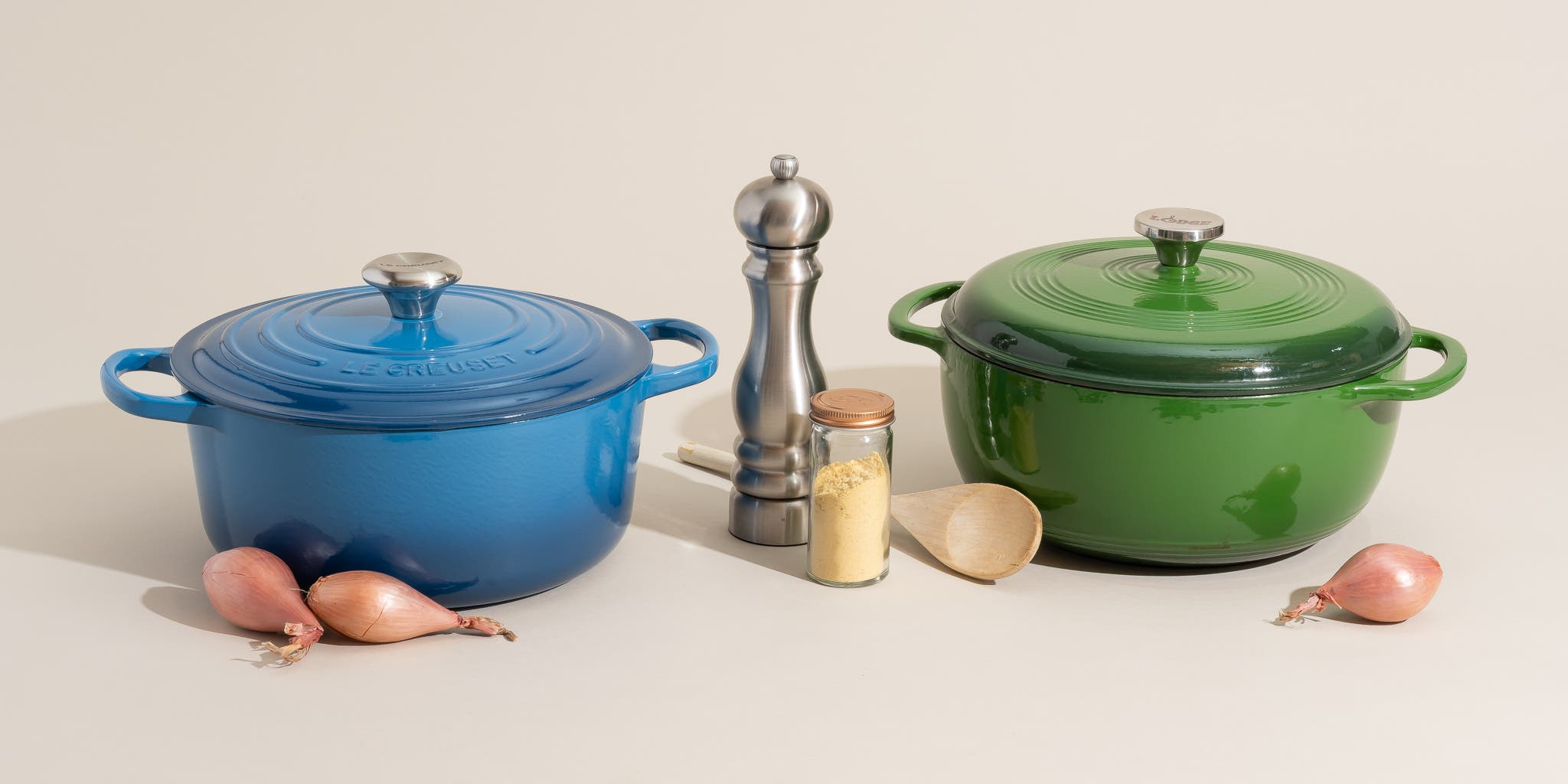
The material of your dutch oven significantly impacts its performance and maintenance. Traditional, bare cast iron is prized for its heat retention and ability to develop a natural non-stick patina with proper seasoning. However, it’s reactive – acidic foods can impart a metallic taste and strip seasoning – and requires diligent care to prevent rust. It’s a commitment, but one many cooks happily make.
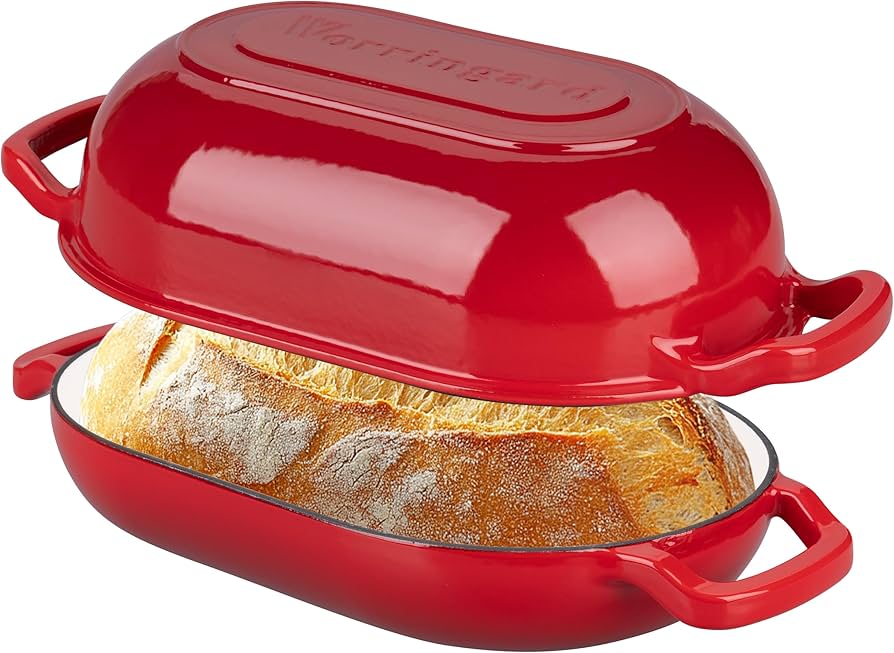
Enameled cast iron offers a compromise. It provides the excellent heat retention of cast iron without the reactivity. The enamel coating also makes it easier to clean and eliminates the need for seasoning. The downside? Enamel can chip or crack with rough use or sudden temperature changes. Recent advancements, though, are producing more durable enamel coatings, addressing this common concern.
Stainless steel dutch ovens are less common, but a viable option, especially if you prioritize ease of cleaning and durability. They don’t retain heat quite as well as cast iron, and can be prone to scorching if not carefully monitored. Some models feature a clad construction – a layer of aluminum sandwiched between stainless steel – to improve heat distribution. I'm not seeing much movement in new steel alloy development, so the core characteristics remain pretty consistent.
Which smart features actually work?
Tech is creeping into cookware slowly. Built-in temperature sensors are the only practical addition I've seen, though they aren't perfect. Many brands struggle with calibration, meaning your 'smart' pot might tell you a roast is done when it's still raw in the middle. Check recent buyer reviews for specific models before trusting the digital readout.
Bluetooth connectivity is another emerging feature, typically paired with a mobile app. These apps often offer recipe guidance, step-by-step instructions, and the ability to remotely monitor cooking progress. The value proposition here is debatable – many cooks already have access to recipes online. The convenience, however, might appeal to beginners or those who want a more guided cooking experience.
I've also seen some prototypes with self-stirring mechanisms, designed to prevent sticking and ensure even cooking. These are currently expensive and bulky, and many users question their reliability. The added complexity introduces more potential points of failure. It feels like a solution in search of a problem, frankly.
Currently, I’m not aware of any publicly available SDKs or APIs for controlling dutch ovens directly. Most "smart" features are confined to proprietary apps. This limits interoperability and makes it difficult to integrate these ovens into broader smart home ecosystems.
- Integrated Temperature Sensors: Accuracy varies, check user reviews.
- Bluetooth Connectivity: Recipe guidance and remote monitoring.
- Self-Stirring Mechanisms: Expensive, bulky, and potentially unreliable.
Smart Dutch Oven Feature Comparison - 2026 Outlook
| Feature | Price Impact | Ease of Use | Reliability | Overall Value |
|---|---|---|---|---|
| Integrated Temperature Sensor | Medium-High | Medium | Medium | Medium |
| Bluetooth Connectivity (App Control) | High | Low-Medium | Questionable | Low |
| Self-Stirring Mechanism | Very High | Low | Low | Low |
| Automated Temperature Control | High | Medium | Questionable | Medium |
| Recipe Integration (AI-Assisted) | Medium | Medium | Medium | Medium |
| Weight/Ingredient Scale (Built-in) | Medium | High | Medium | Medium |
| Voice Control Compatibility | Medium | Medium | Questionable | Low |
Illustrative comparison based on the article research brief. Verify current pricing, limits, and product details in the official docs before relying on it.
The best pots to buy now
Choosing the "best" dutch oven depends on your individual needs and budget. Here are a few standouts for 2026, representing a range of options.
Lodge Cast Iron Dutch Oven (around $80): A classic for a reason. Durable, affordable, and available in a wide range of sizes. It requires seasoning and diligent care, but offers exceptional heat retention. Ideal for those who appreciate traditional cast iron cooking.
GreenPan Reserve Enameled Cast Iron Dutch Oven (around $250): GreenPan's Reserve line consistently receives high marks for its durable enamel coating and even heating. It’s a good choice for cooks who want the benefits of cast iron without the maintenance. According to GreenPan’s site, they’ve focused on chip resistance in their latest models.
Le Creuset Signature Enameled Cast Iron Dutch Oven (around $400): The gold standard in enameled cast iron. Known for its beautiful design, exceptional quality, and lifetime warranty. It’s an investment, but one that will likely last a lifetime.
Staub Cocotte Enameled Cast Iron Dutch Oven (around $350): A strong competitor to Le Creuset, often praised for its superior heat distribution and unique "black matte’ enamel interior. It"s a favorite among professional chefs.
Made In Stainless Clad Dutch Oven (around $200): A solid stainless steel option that offers excellent durability and ease of cleaning. It doesn’t retain heat as well as cast iron, but it’s a good choice for cooks who prioritize convenience.
Cuisinart Chef’s Classic Enameled Cast Iron Dutch Oven (around $100): A more budget-friendly enameled cast iron option. It’s not as durable as Le Creuset or Staub, but it’s a good value for the price.
Beyond the Basics: Accessories and Care
A few well-chosen accessories can significantly enhance your dutch oven experience. A trivet is essential for lifting hot dishes out of the pot, preventing burns and damage to your cookware. A lid lifter provides a secure grip on the heavy lid. Silicone handles offer additional protection when handling hot pots.
Proper care is crucial for maintaining your dutch oven. For seasoned cast iron, avoid using soap, as it can strip the seasoning. Instead, scrub with warm water and a stiff brush. Dry thoroughly and lightly oil after each use. For enameled cast iron, hand washing is recommended to prevent chipping. Avoid using abrasive cleaners or scouring pads.
If you see rust on bare iron, scrub it with steel wool and re-season it immediately. Enamel is different; once it chips, there is no real fix. You can keep using it if the chip is on the outside, but if the cooking surface is flaking glass into your food, it's time for a new pot.
No comments yet. Be the first to share your thoughts!