
Dutch oven budget: price, age, and condition choices that change the plan
A Dutch oven is a long-term purchase, but the entry point varies wildly. New enameled cast iron pots from Le Creuset or Staub often sit in the $300–$400 range, reflecting their brand heritage and hand-finishing. You are paying for durability, aesthetic consistency, and even heat distribution that holds up for decades. If that price tag is out of reach, the Lodge 6-Quart Essential Enamel offers a compelling alternative, often costing less than half the premium brands while delivering nearly identical cooking performance for everyday stewing and baking.
The used market, particularly on platforms like eBay or local thrift stores, is where you can stretch a budget further. You can often find vintage pots in excellent condition for $50–$100. However, buying used requires a keen eye. Check the enamel for chips, especially around the rim and the bottom, as exposed cast iron will rust and stain. Also, inspect the lid for warping; a tight seal is critical for moisture retention during long braises. A minor cosmetic chip on the exterior is usually harmless, but structural damage to the enamel interior can ruin the pot’s non-stick properties and safety.
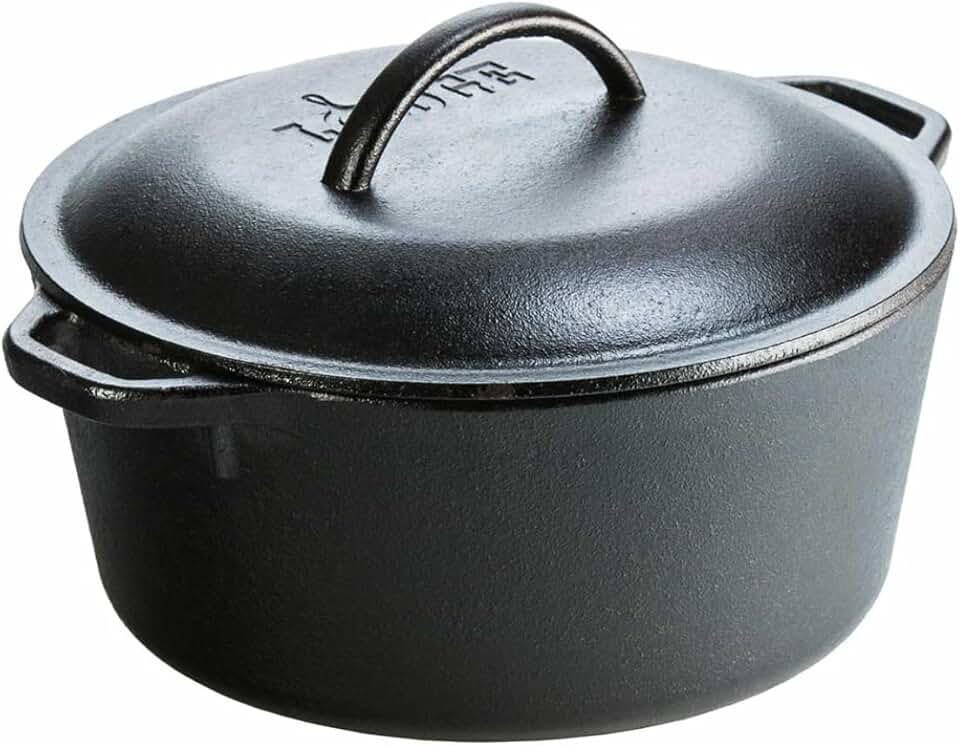
For those on a tight budget, raw cast iron Dutch ovens from Lodge or Victoria are the most affordable entry point, often under $50. They require seasoning—a layer of polymerized oil that creates a natural non-stick surface—but they are virtually indestructible. You can refurbish a rusty vintage raw cast iron pot for the cost of a scrub brush and some oil. While they lack the colorful enamel of their premium counterparts, they excel at high-heat searing and are dishwasher-safe (though hand-washing is preferred to maintain the seasoning). The tradeoff is the maintenance: raw iron reacts with acidic foods like tomatoes, which can alter the flavor and strip the seasoning if not managed properly.
Shortlist real options
Choosing the best dutch oven depends on whether you prioritize even heating, visual appeal, or budget. We compared the strongest candidates from Le Creuset, Staub, Lodge, and Made-In based on performance in searing, stewing, and daily durability.
The Le Creuset 5.5-Quart Round Dutch Oven remains our longtime favorite. It aced our tests for searing and stewing, offering a smooth enamel interior that resists staining and a lid design that circulates moisture efficiently. While it carries a premium price, the build quality justifies the investment for serious home cooks.
For those seeking a darker interior that requires less maintenance, the Staub 5.5-Quart Round Cocotte is a strong alternative. Its matte black enamel interior naturally develops a patina that improves non-stick performance over time. The heavy lid features unique self-basting spikes that condense and return moisture to the food, making it ideal for braising.
If you are looking for the best dutch oven on a budget, the Lodge 6-Quart Essential Enamel offers impressive value. It provides solid heat retention and comes in a variety of colors at a fraction of the cost of premium brands. While the enamel may not be as durable as Le Creuset’s over decades of use, it performs exceptionally well for everyday meals.
The Made-In 5.5-Quart Enameled Cast Iron Dutch Oven is another compelling option for those who want professional-grade performance without the luxury markup. Its smooth, white enamel interior is easy to clean, and the tight-fitting lid ensures excellent moisture retention. It strikes a balance between premium features and accessibility.
To help you decide, we’ve compared these top contenders side-by-side below.
Inspect the expensive parts
Dutch ovens are built to last decades, but they can still fail in ways that are costly to repair or replace. Before you commit to a high-end cast iron or enameled model, walk through this checklist. These are the failure points that matter most.

Lift the lid and place it back on the pot. It should sit flush without wobbling. A loose lid lets steam escape, which ruins your braising and stewing results. Look for self-basting spikes on the underside of the lid; they should be sturdy and evenly spaced to circulate moisture back into the food.

Run your finger along the interior and exterior enamel. It should be smooth, with no chips, cracks, or rough spots. Pay close attention to the rim where the lid meets the pot; this is a high-stress area. If you see any exposed cast iron, especially near the handle attachments, moisture can seep in and cause rust from the inside out.

Hold the pot by the main handle. It should feel balanced and secure. Check the rivets or welds where the handle attaches to the body; they should be solid with no gaps. For enameled pots, ensure the handle itself is fully coated. Exposed metal handles can get hot during cooking, and loose rivets can trap food and bacteria.

Examine the exterior enamel for bubbles or discoloration. While minor cosmetic flaws might not affect performance, significant defects can indicate poor quality control. If you are buying pre-owned, check for deep scratches in the enamel that could chip off during cleaning. A smooth, uniform finish is a sign of a well-made pot that will withstand years of use.
Taking five minutes to inspect these areas can save you from buying a pot that might crack, chip, or fail to cook evenly. A Dutch oven is an investment in your kitchen’s longevity.


As an Amazon Associate, we may earn from qualifying purchases.
Plan for ownership costs
A Dutch oven is a long-term kitchen asset, but the true cost extends well beyond the purchase price. While a budget-friendly Lodge cast iron skillet costs a fraction of a premium enameled pot, the maintenance requirements and potential replacement costs tell a different story. Understanding these hidden expenses helps you decide which material aligns with your actual cooking habits.
Seasoning and rust management
Raw cast iron requires active maintenance to prevent rust and maintain its non-stick surface. This means seasoning the pot periodically with oil and baking it at high heat. If you neglect this process or wash it with harsh soap, the seasoning strips away, and rust can form quickly. This isn't just about aesthetics; rusted iron can impart a metallic taste to food and requires significant effort to scrub back to bare metal before re-seasoning. For those who cook acidic dishes like tomato sauce frequently, raw cast iron is less ideal because the acid reacts with the iron, accelerating the breakdown of the seasoning layer.
Enameled durability and chipping
Enameled cast iron offers a glass-like surface that resists acidity and requires no seasoning. However, the enamel is brittle. Dropping the pot, slamming the lid, or subjecting it to extreme thermal shock (like placing a hot pot under cold water) can cause the enamel to chip or crack. Once the enamel is compromised, the underlying cast iron is exposed to moisture and food acids, leading to rust that cannot be easily fixed. Replacing a chipped enamel pot is often more expensive than buying a new raw iron one, making careful handling a silent but significant cost factor.
When cheap stops being cheap
The "cheap" option often becomes expensive when you factor in replacement frequency and performance limits. Lower-quality cast iron may be thinner, leading to hot spots that burn food, or heavier, making it difficult to handle. If a budget pot warps or cracks after a year of heavy use, you’ve spent money twice. Conversely, a high-end enameled pot, while expensive upfront, can last decades if cared for properly. The key is to match the material to your usage: raw iron for high-heat searing and rustic cooking, enameled for slow braising and acidic sauces.


As an Amazon Associate, we may earn from qualifying purchases.
Dutch oven: what to check next
Choosing between cast iron and enameled options is the first hurdle. Enameled cast iron features a glass-like coating that resists acidic foods like tomato sauces without reacting. It requires no seasoning and cleans easily, making it the top choice for daily stewing and baking. However, the enamel can chip if dropped or struck against metal utensils.
Raw cast iron offers superior heat retention and develops a natural non-stick patina over time. It is virtually indestructible and works on all heat sources, including campfires. The trade-off is maintenance: you must season it regularly and avoid soaking it in water to prevent rust.
Size matters more than brand. A 5.5 to 6-quart round Dutch oven is the most versatile size for a family of four, handling everything from a whole roasted chicken to a batch of sourdough bread. Smaller 3-quart pots are better for couples, while 7-quart and larger models are necessary for large batches of chili or holiday turkey.
Cleaning is straightforward. For enameled pots, hand wash with warm soapy water and a non-abrasive sponge. Avoid the dishwasher, as harsh detergents can dull the finish over time. For raw cast iron, scrub with hot water and a stiff brush, dry immediately on the stove, and apply a thin layer of oil to protect the surface.
No comments yet. Be the first to share your thoughts!