
Top picks for 2026
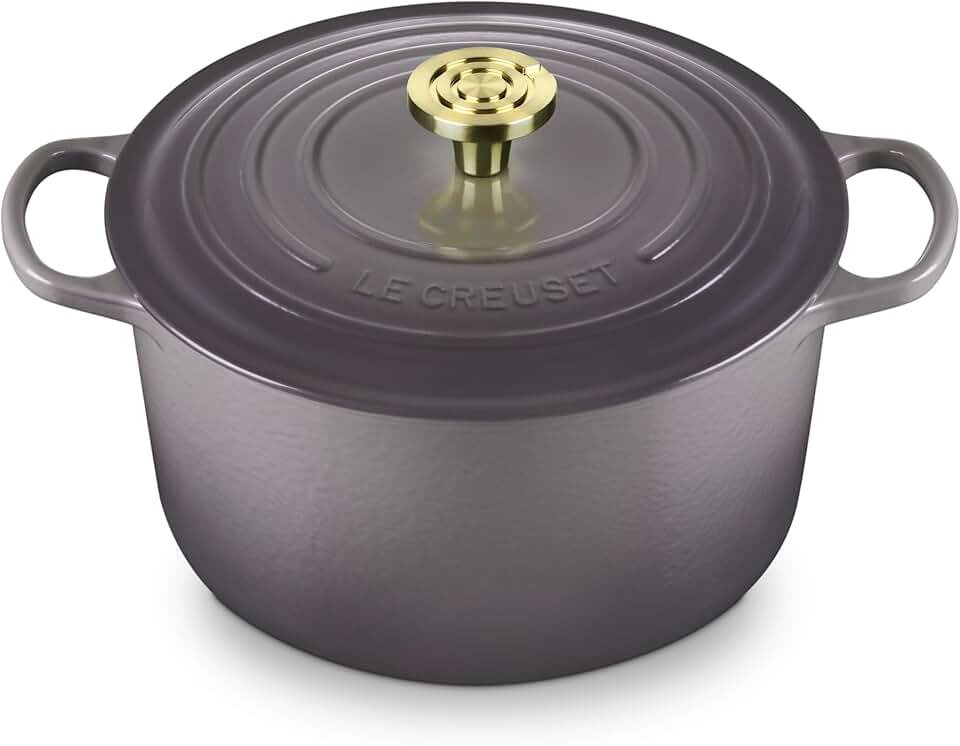
Our testing confirms that the best dutch oven depends on whether you prioritize durability or budget. The Le Creuset Signature Enameled Cast-Iron 5½-Quart Round French Oven remains the benchmark. It handles searing and stewing with minimal effort and shows the least wear after repeated use. If you want a long-term heirloom, this is the one to buy.
For those who want professional results without the premium price tag, the Lodge 6-Quart Essential Enamel Cast Iron Dutch Oven is the clear winner. It heats evenly and retains heat just as well as the more expensive options. The enamel coating is slightly less refined, but it performs identically in the oven and on the stovetop.
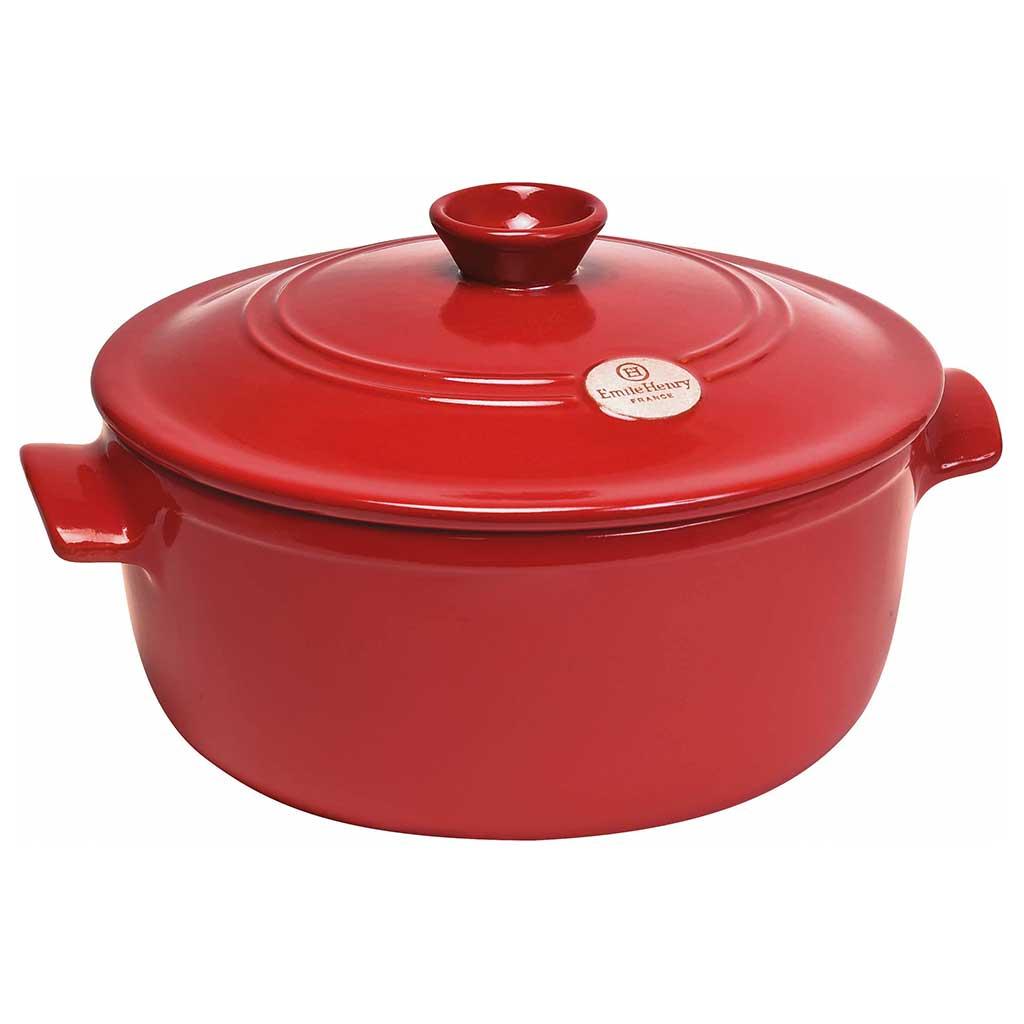
If you prefer ceramic over cast iron, the Emile Henry Flamiche or standard Dutch Oven models offer excellent heat distribution. These are lighter and easier to handle, though they require more careful handling to avoid chipping. They are ideal for braises and roasts where even, gentle heat is essential.


As an Amazon Associate, we may earn from qualifying purchases.
Enameled vs. bare cast iron
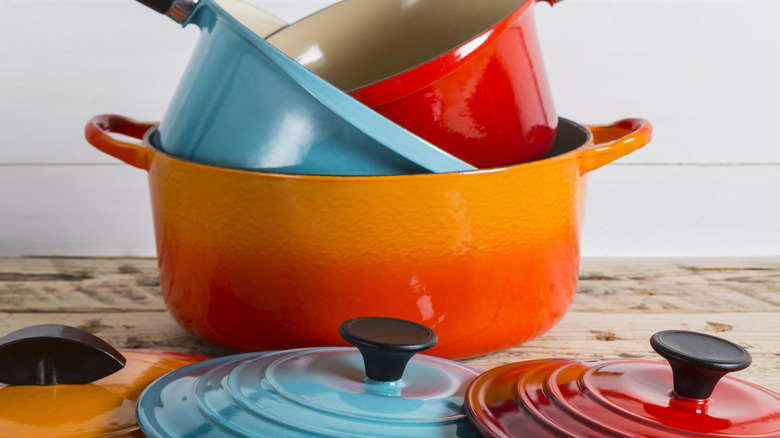
The choice between enameled and bare cast iron comes down to how you handle maintenance and acidity. Enameled cast iron features a glass-like coating fused to the metal, while bare cast iron is uncoated, porous iron that requires seasoning. This fundamental difference dictates which best dutch oven fits your cooking habits.
Enameled surfaces are non-reactive, making them ideal for simmering tomato sauces, wine-based stews, or acidic dishes that would strip the seasoning on bare metal. They also offer easier cleanup since food rarely sticks, and they do not require oiling. However, the enamel can chip if struck with metal utensils or subjected to extreme thermal shock. Bare cast iron, by contrast, develops a natural non-stick patina over time and can withstand higher heat for better searing, but it demands regular care to prevent rust and must be seasoned to maintain its performance.
| Feature | Enameled Cast Iron | Bare Cast Iron | Best For |
|---|---|---|---|
| Acid Resistance | Excellent (non-reactive) | Poor (strips seasoning) | Tomato sauces, wine stews |
| Maintenance | Low (dishwasher safe) | High (hand wash, dry, oil) | Low-effort cleaning |
| Heat Tolerance | Moderate (avoid thermal shock) | High (oven-safe to 500°F+) | Searing, baking |
| Non-Stick Surface | Smooth but can stick if hot | Improves with seasoning | Fried foods, pancakes |
| Durability | Chips if struck | Indestructible | Rough use, campfire |
If you cook with acidic ingredients frequently or want a vessel that requires minimal upkeep, enameled is the practical choice. For high-heat searing, rustic baking, or a lifetime tool that improves with age, bare cast iron remains the robust workhorse.
How we tested these dutch ovens
We put the top contenders through a series of standardized tests to see which models actually perform in a real kitchen. Our evaluation focused on three main areas: how evenly the pot heats, how well the lid seals, and how easy the surface is to clean after heavy use.
Heat distribution is the first thing we check. We filled each dutch oven with water and heated it on a stovetop burner to see if hot spots developed around the edges. A good pot should bring the water to a simmer without scorching the bottom. We also tested searing capabilities by browning thick steaks, noting which models retained heat best when the meat was added.
Lid fit matters more than most people realize. A tight seal traps moisture, which is essential for braising tough cuts of meat. We inspected the rim and the lid lip on every model, looking for gaps that let steam escape. We also checked the handle stability, ensuring the lid stayed put when we shook the pot gently.
Cleaning is where enameled cast iron often shines, but we tested both enameled and bare cast iron variants. For enameled pots, we scrubbed away stuck-on cheese and sauce to see if the surface resisted staining. For bare cast iron, we followed standard seasoning protocols to ensure the non-stick patina developed correctly. We recorded the time and effort required to clean each pot without damaging the finish.
Best enameled Dutch ovens
Enameled cast iron combines the heat retention of raw iron with a glass-like surface that resists staining and doesn't require seasoning. This makes it ideal for cooking acidic dishes like tomato sauce or wine-based stews without the metal reacting with the food.
Le Creuset remains the benchmark for durability and heat distribution. The Signature Enameled Cast-Iron 5½-Quart Round French Oven consistently tops tests from Serious Eats and Wirecutter, handling searing and stewing with equal ease. Its thick walls retain heat longer, and the lid fit is tight enough to keep moisture in during long braises. Staub is a close second, offering a slightly rougher interior enamel that some chefs prefer for browning meat, though its matte black finish can show wear over time.
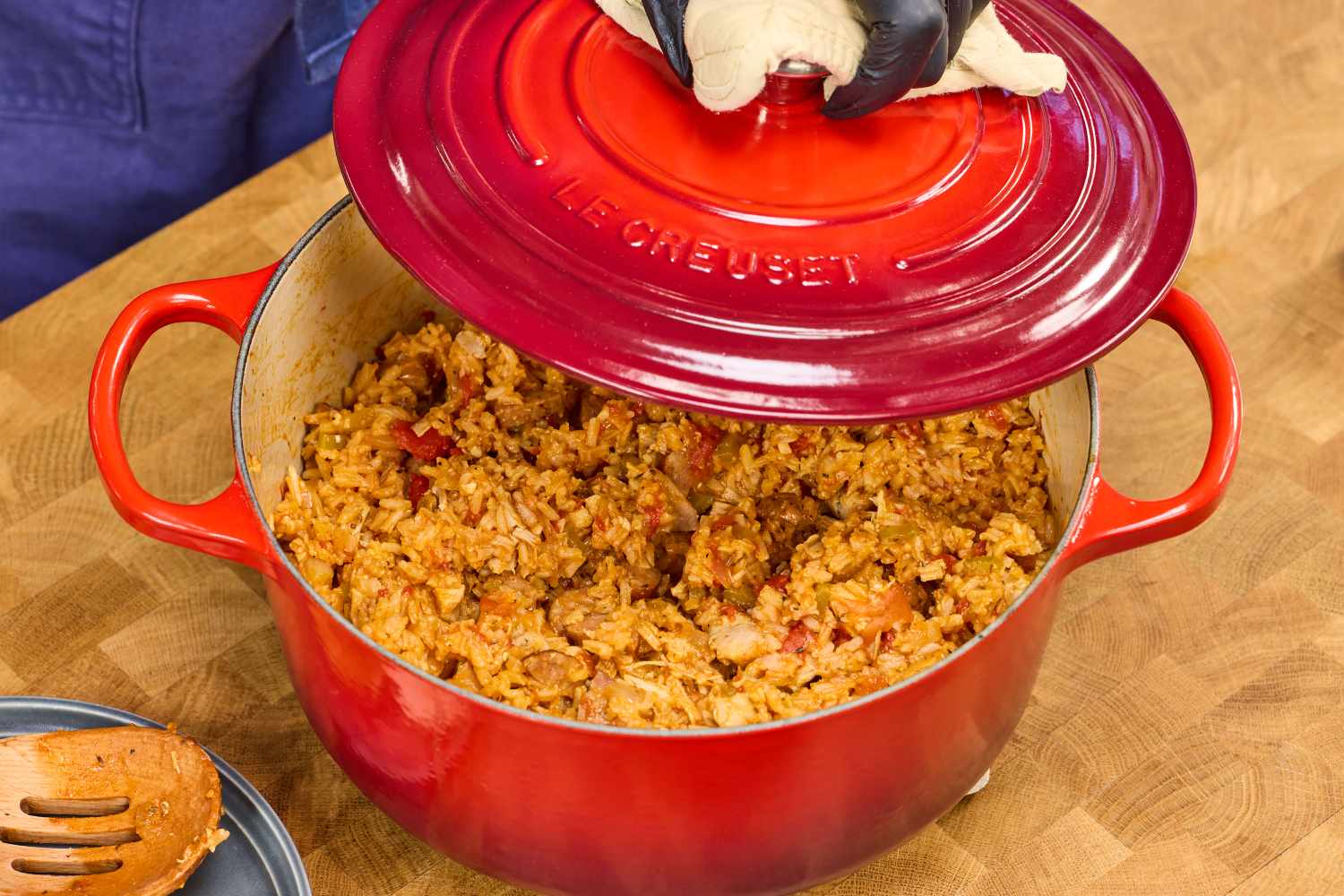
For those looking to save money, Lodge and Made-In offer compelling alternatives. The Lodge 6-Quart Essential Enamel Dutch Oven performs nearly as well as the premium brands in basic boiling and simmering tests, costing a fraction of the price. Made-In provides a middle ground with a lighter weight and smooth interior, making it easier to clean than traditional enameled pots. While they may not have the same lifetime warranty prestige as Le Creuset, they deliver excellent value for everyday cooking.
Best bare cast iron dutch ovens
Bare cast iron excels at high-heat searing and develops a non-stick patina over time. Unlike enameled versions, uncoated pots are cheaper and can go from stovetop to open flame without cracking the glaze.
The Lodge 6-Quart Cast Iron Dutch Oven remains the standard for budget-conscious cooks. It offers a smooth cooking surface and even heat retention that rivals expensive brands. While it requires regular seasoning, it is virtually indestructible and lasts generations.
For those willing to pay more, the Made-In Cast Iron Dutch Oven provides a finer finish and tighter lid fit. Made-In machines their pots to reduce surface roughness, making initial seasoning easier. This option bridges the gap between budget utility and premium performance.
Both options require hand-washing and oiling after use to maintain the seasoning layer. They are ideal for braising, frying, and baking bread where high heat is necessary.
Choose a size that fits your household
The best dutch oven size depends entirely on how many people you feed and what you cook most often. For solo diners or couples, a 3- to 4-quart model handles soups, stews, and side dishes without wasting space. If you regularly cook for four people or want to roast a whole chicken, aim for 5 to 6 quarts. This range offers enough depth for large batches of chili or braised meats while still fitting on standard burners.
Larger families or those who meal-prep should consider 7- to 8-quart options. These vessels accommodate big roasts and bulk cooking, but they require more storage space and can be heavy to lift when full. If you entertain frequently, the extra volume saves time by cooking everything at once. Otherwise, stick to the 5- to 6-quart sweet spot, which balances capacity with practicality for most home kitchens.
Care tips for long life
Both enameled and bare cast iron Dutch ovens last for decades when you follow the right maintenance routine. The goal is simple: protect the surface, avoid thermal shock, and store them properly.
Enameled Dutch Oven Care
Enameled cast iron is glass fused to metal. It resists staining and doesn’t require seasoning, but the enamel can chip if dropped or scratched. Avoid metal utensils and abrasive scouring pads. Hand wash with warm soapy water and dry immediately. Never soak an enameled pot for extended periods, as trapped moisture can lead to rust on the exposed cast iron rim or handle.
Bare Cast Iron Care
Bare cast iron relies on a polymerized oil layer for non-stick performance and rust prevention. After cooking, clean with hot water and a stiff brush or chainmail scrubber. Avoid soap if possible, though mild soap is acceptable if rinsed thoroughly. Dry completely over low heat on the stove, then apply a thin layer of oil before storing. This simple routine keeps the surface smooth and black.
Storage and Longevity
Store your Dutch oven with the lid slightly ajar to allow air circulation. This prevents moisture buildup, which causes rust on bare iron and musty odors on enamel. If you notice surface rust on bare cast iron, scrub it off with steel wool, re-season, and continue using. Both types handle rough use well, so don’t be afraid to use them daily.
No comments yet. Be the first to share your thoughts!