
What a Dutch Oven Actually Costs
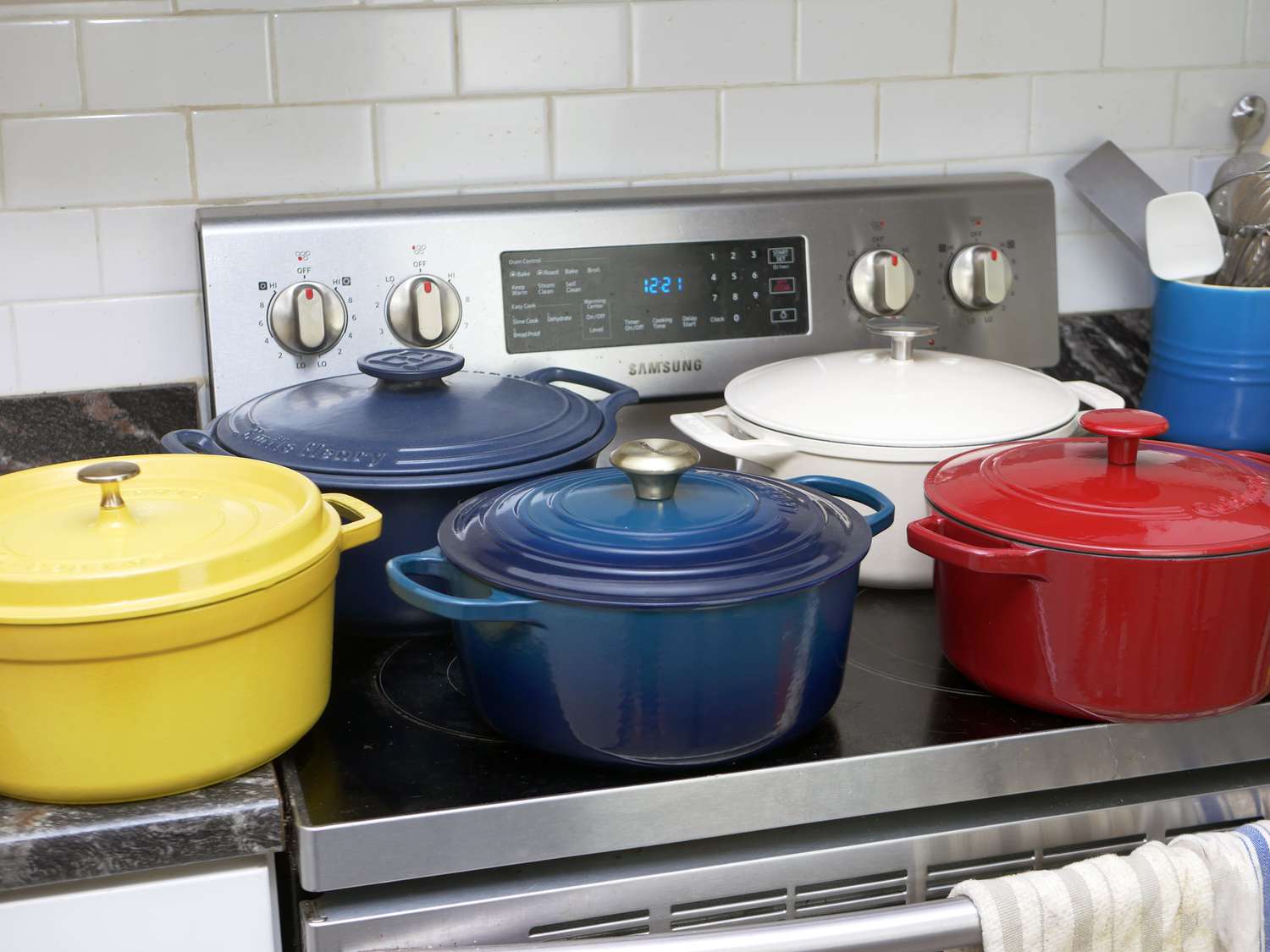
The price range for enameled cast iron spans from roughly $40 to over $350, a gap that often confuses first-time buyers. The core tradeoff isn't just brand prestige; it is about how the enamel holds up to daily thermal shock and whether the iron thickness justifies the weight. A $50 Lodge Essential Enamel performs surprisingly well for weeknight stews, while a $300 Le Creuset offers finer enamel finishes and tighter lids that retain moisture more effectively. You are paying for consistency in manufacturing and longevity, but the cooking difference between a mid-tier and a luxury pot is often subtle rather than transformative.
When shopping on a budget, condition matters more than the sticker price. Buying a used Le Creuset or Staub from a thrift store or estate sale can cut the cost in half, provided the enamel is intact. Inspect the interior for chips near the rim and the exterior for deep scratches that might expose raw iron to rust. A pot with minor cosmetic wear on the outside still cooks perfectly, but a chipped interior can harbor bacteria and lead to flaking enamel in your food.
For those strictly under $60, stick to unenameled cast iron or entry-level enamel from major manufacturers like Lodge or Cuisinart. These pots are heavy and require seasoning, but they distribute heat evenly and are virtually indestructible. If you choose enameled, avoid no-name brands found in discount bins; the enamel is often thinner and prone to cracking during rapid temperature changes. Stick to known budget lines where the enamel application is standardized and tested for thermal stress.


As an Amazon Associate, we may earn from qualifying purchases.
Shortlist real options
Choosing the right dutch oven depends on your cooking style and budget. We compared the top-rated models from Le Creuset, Staub, Lodge, and Made-In. These picks cover the most common use cases, from bread baking to slow braising.
The table below compares key specs. Use it to find the size and shape that fits your kitchen.
| Model | Type | Size | Best For |
|---|---|---|---|
| Le Creuset Signature Round | Enameled Cast Iron | 5.5 qt | General purpose, searing, and stewing |
| Staub Cocotte Round | Enameled Cast Iron | 5.5 qt | Braising and moisture retention |
| Lodge Cast Iron | Raw Cast Iron | 6 qt | Severe searing and budget buyers |
| Made-In Enameled | Enameled Cast Iron | 5 qt | Daily cooking with lighter weight |
| Cuisinart Chef’s Classic | Enameled Cast Iron | 6 qt | Large families and batch cooking |
We tested these models for heat distribution, lid fit, and handle comfort. Le Creuset and Staub lead in enamel quality, while Lodge offers unmatched durability at a lower price point. Made-In provides a modern alternative with lighter weight.


As an Amazon Associate, we may earn from qualifying purchases.
For most home chefs, a 5.5-quart round dutch oven is the ideal size. It handles roasts for four people and makes enough soup for leftovers. If you cook for a crowd, step up to a 6-quart or 7-quart model.
Inspect the expensive parts
Best Dutch Oven Buying works best when the purchase path is explicit. Verify the source, compare the offer against real alternatives, check the total cost, and confirm what happens after payment before you decide. After each comparison, write down the one risk that would change your mind. If the seller, condition, support, warranty, shipping, or upkeep still feels uncertain, resolve that question before moving to checkout.
-
Verify the sellerCheck reputation, included details, delivery terms, and return policy before treating the listing as credible.
-
Compare total costAdd shipping, accessories, maintenance, warranty, and likely replacement costs to the listed price.
-
Confirm fitMatch the option to the real use case before paying for features that will not matter.
Plan for ownership costs
A Dutch oven is a long-term investment, but the total cost of ownership varies significantly between bare cast iron and enameled options. While bare cast iron requires seasoning and occasional re-seasoning, it rarely needs replacement. Enameled cast iron, however, carries hidden risks. The glass-like coating can chip if dropped or struck against a hard surface, and thermal shock from sudden temperature changes can crack the enamel. Once the enamel is compromised, the underlying iron is exposed to moisture, leading to rust that is difficult to repair without refinishing.
When evaluating a purchase, look beyond the initial price tag. A cheap, thin-walled enameled pot may save money upfront but often fails to retain heat effectively, leading to uneven cooking and premature wear. Conversely, a high-quality enameled pot from brands like Le Creuset or Staub is designed to last decades if handled with care. For home chefs, the tradeoff is between the low maintenance of bare iron and the aesthetic convenience of enamel, which requires more cautious cleaning to avoid abrasion.


As an Amazon Associate, we may earn from qualifying purchases.
To protect your investment, always handle enameled pots with care. Avoid using metal utensils that can scratch the surface, and never place a hot pot directly under cold running water. With proper care, a quality Dutch oven remains a functional and beautiful staple in the kitchen for years, justifying the initial expense through consistent performance and durability.
Dutch oven: what to check next
Choosing between enameled and raw cast iron often comes down to maintenance preferences and cooking style. Enameled models like the Le Creuset Signature or Staub workhorses are non-reactive, meaning you can safely simmer tomato sauces or wine-based stews without worrying about stripping the seasoning. Raw cast iron, such as the Lodge 6-Quart Essential Enamel or traditional bare iron, requires oiling and careful drying but develops a natural non-stick patina over time.
Size matters more than brand when it comes to versatility. A 5.5 to 6-quart round Dutch oven handles most family meals, from roasting a whole chicken to baking artisan bread. Larger 7-quart models are better for batch cooking or large gatherings, but they are heavier and take longer to heat up. If you have limited stovetop space, the round shape is generally more stable and easier to store than oval designs.
You can use enameled cast iron on all heat sources, including induction cooktops, but you should avoid extreme thermal shock. Do not place a hot pot directly into cold water or freeze it immediately after cooking. To clean, let the pot cool slightly, then wash with warm soapy water and a non-abrasive sponge. Avoid steel wool on enameled surfaces, as it can scratch the coating.
No comments yet. Be the first to share your thoughts!