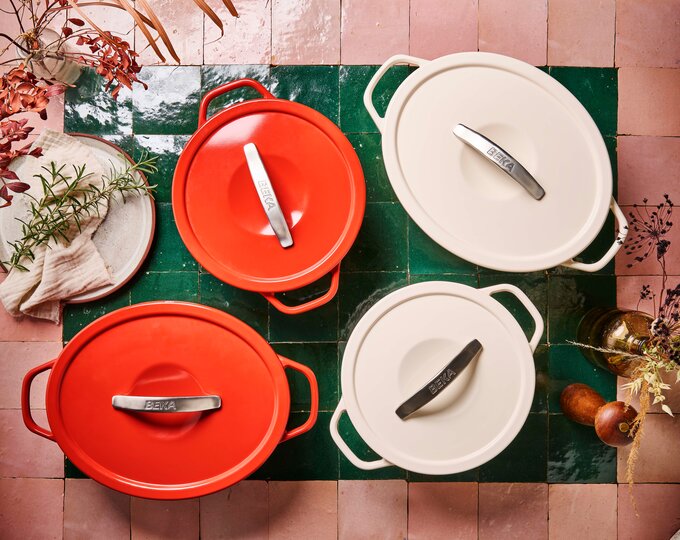

Dutch oven choices that change the plan
The Dutch Oven Buying works best when the purchase path is explicit. Verify the source, compare the offer against real alternatives, check the total cost, and confirm what happens after payment before you decide. After each comparison, write down the one risk that would change your mind. If the seller, condition, support, warranty, shipping, or upkeep still feels uncertain, resolve that question before moving to checkout.
| Factor | What to check | Why it matters |
|---|---|---|
| Fit | Match the option to the primary use case. | A good deal still fails if it does not fit the job. |
| Condition | Verify age, wear, and service history. | Hidden condition issues erase upfront savings. |
| Cost | Compare purchase price with likely upkeep. | The cheapest option is not always the lowest-cost option. |
Where each option wins
Choosing between cast iron and enameled Dutch ovens comes down to two different priorities: durability and flavor versus convenience and visual appeal. Neither material is objectively "better." Instead, each serves a specific role in the kitchen based on how you cook and clean.
Cast iron: For high heat and flavor building
Raw cast iron is the workhorse of the kitchen. It retains heat exceptionally well, making it ideal for slow-cooking stews, braising tough cuts of meat, and baking crusty bread. The surface develops a natural polymerized seasoning over time, which adds a subtle depth of flavor to long-simmered dishes.
The tradeoff is maintenance. You must hand-wash these pots and dry them immediately to prevent rust. If you enjoy the process of seasoning and caring for your cookware, raw cast iron is a lifetime investment. If you prefer to toss pots in the dishwasher, this option will likely frustrate you.
Enameled cast iron: For versatility and easy cleaning
Enameled Dutch ovens feature a glass-like coating fused to the cast iron core. This eliminates the need for seasoning and makes cleanup simple—most food releases easily, and the pots are generally dishwasher safe. The enamel is also non-reactive, meaning you can cook acidic foods like tomato sauce or wine reductions without worrying about metallic tastes or damaging the surface.
Enameled pots are also better for visual presentation. The bright colors and glossy finishes make them suitable for serving directly at the table. However, the enamel can chip if dropped or struck with metal utensils, and the smoother surface doesn’t develop the same fond (browned bits) as raw iron, which some cooks miss for deglazing.
Quick decision guide
| Feature | Raw Cast Iron | Enameled Cast Iron |
|---|---|---|
| Heat Retention | Excellent | Excellent |
| Maintenance | High (seasoning, hand-wash) | Low (dishwasher safe) |
| Acidic Foods | Not recommended | Safe |
| Durability | Indestructible (if cared for) | Can chip or crack |
| Best For | Searing, baking, rustic cooking | Stews, braises, table service |
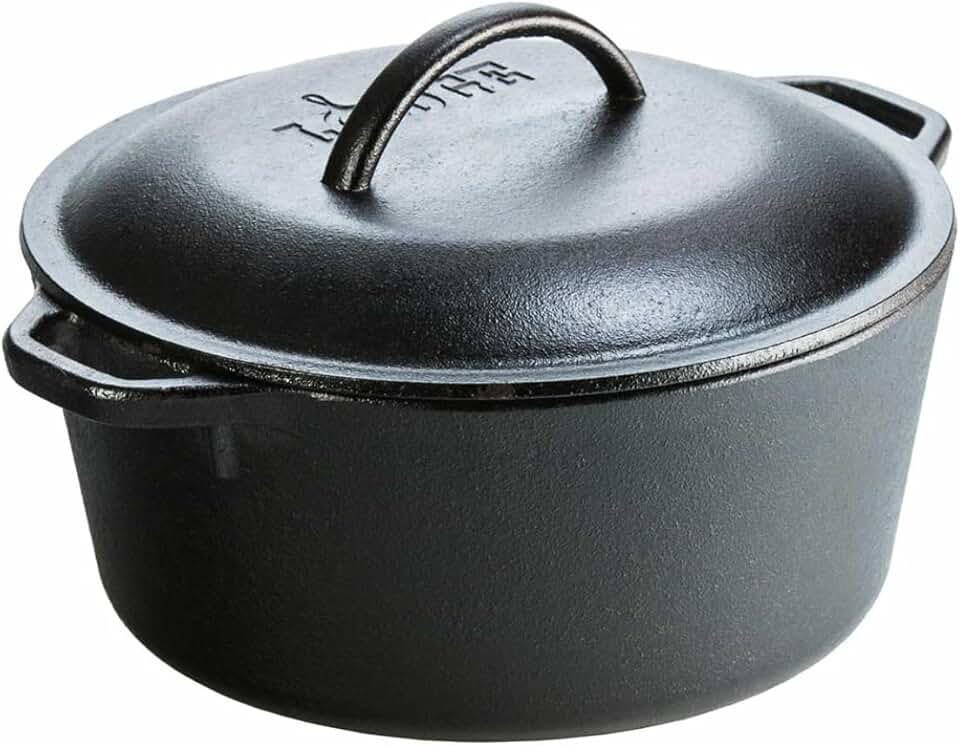

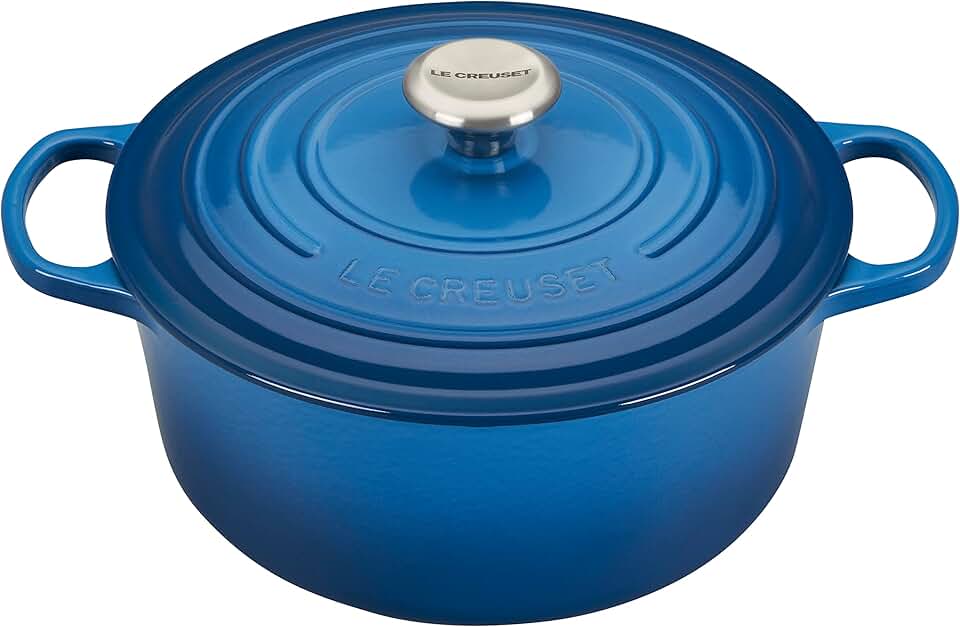
As an Amazon Associate, we may earn from qualifying purchases.
Details worth checking
The Dutch Oven Buying works best when the purchase path is explicit. Verify the source, compare the offer against real alternatives, check the total cost, and confirm what happens after payment before you decide. After each comparison, write down the one risk that would change your mind. If the seller, condition, support, warranty, shipping, or upkeep still feels uncertain, resolve that question before moving to checkout.
-
Verify the sellerCheck reputation, included details, delivery terms, and return policy before treating the listing as credible.
-
Compare total costAdd shipping, accessories, maintenance, warranty, and likely replacement costs to the listed price.
-
Confirm fitMatch the option to the real use case before paying for features that will not matter.
Dutch oven: what to check next
Choosing between cast iron and enameled options often comes down to how you plan to use the pot and what you’re willing to maintain. Most home cooks find that a 5 to 6-quart size handles the majority of recipes, from weeknight stews to weekend bread baking. The tradeoff usually lies in budget versus longevity, with budget-friendly enameled options like Lodge holding up surprisingly well against premium brands like Le Creuset.
No comments yet. Be the first to share your thoughts!