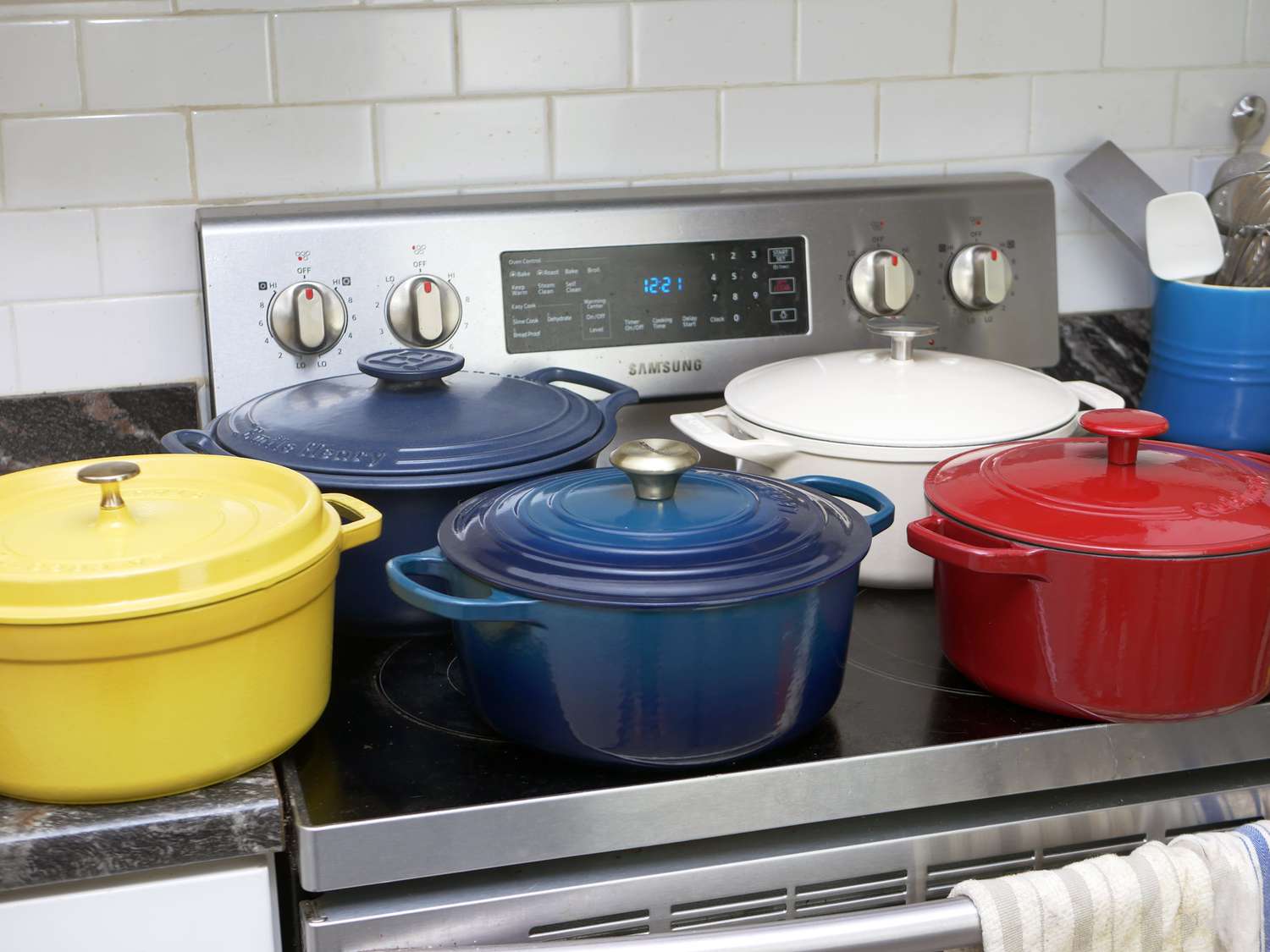

Dutch oven choices that change the plan
Choosing between enameled and bare cast iron comes down to how you plan to use the pot and how much maintenance you’re willing to do. While both types offer excellent heat retention and durability, they serve different cooking styles. Enameled Dutch ovens are easier to maintain and safer for acidic foods, while bare cast iron develops a natural nonstick surface over time and can go from stovetop to open fire.
The decision isn’t just about material; it’s about the specific cooking tasks you prioritize. If you bake sourdough bread or simmer tomato-based sauces daily, the enamel coating prevents metal reactions and makes cleanup effortless. However, if you sear steaks at high heat or cook over a campfire, bare cast iron offers superior thermal shock resistance and a seasoned surface that improves with use.
Below is a direct comparison of the key variables that matter most when selecting a Dutch oven for your kitchen.
| Feature | Enameled Cast Iron | Bare Cast Iron |
|---|---|---|
| Acid Resistance | Excellent – safe for tomatoes, wine, vinegar | Poor – reacts with acids, strips seasoning |
| Nonstick Surface | Smooth enamel – food releases easily but can chip | Seasoned surface – improves over time |
| Maintenance | Dishwasher safe; avoid thermal shock | Hand wash only; must dry and oil |
| Heat Tolerance | High, but enamel can crack if shocked | Extreme – safe for open flames and grills |
| Weight | Heavy (5–10 lbs depending on size) | Heavy (4–8 lbs depending on size) |
| Cost | $150–$400 for premium brands | $30–$150 for comparable quality |
Where each option wins
Choosing between raw cast iron and enameled cast iron comes down to how you plan to use the pot. Raw cast iron is the workhorse for high-heat tasks, while enameled is the versatile choice for acidic cooking and easy cleanup. Understanding these strengths helps you pick the right tool for your kitchen habits.
Raw cast iron: High heat and searing
Raw cast iron excels at building a deep crust. Its ability to retain and radiate intense heat makes it ideal for searing steaks, frying chicken, or baking sourdough bread with a crisp bottom. It is also naturally non-stick once seasoned, though that seasoning requires maintenance. If you frequently cook at high temperatures or prefer a rustic, well-used look, raw cast iron is the superior choice.
Enameled cast iron: Versatility and low maintenance
Enameled cast iron features a glass-like coating that prevents reactions with acidic ingredients like tomatoes, wine, or vinegar. This makes it perfect for simmering stews, braising meats, or making sauces without the risk of metallic flavors or rust. The smooth surface also means food is less likely to stick, and cleanup is as simple as washing with soap and water. It is the better option for cooks who want a single pot for diverse recipes without the hassle of seasoning.


As an Amazon Associate, we may earn from qualifying purchases.
Details Worth Checking
Before you commit to a Dutch oven, verify the specific dimensions and weight limits of your intended use. Cast iron is heavy, and enameled versions add significant bulk. Ensure your stovetop burner can handle the mass without cracking, especially if you are moving between induction and open flame.
Lid Fit and Handle Security
The lid must sit flush to retain moisture during long braises. Check for wobble by placing the pot on a flat surface. If the lid rocks, steam escapes, and your food dries out. Also, inspect the helper handle on the opposite side. It should be riveted or cast integrally, not bolted, to prevent loosening over time.
Enamel Durability and Chip Resistance
Enameled Dutch ovens offer vibrant colors but are prone to chipping if dropped or struck against metal. Le Creuset and Staub are industry leaders, but even premium brands have weak points near the rim. If you cook frequently or share your kitchen, consider a rougher finish like Staub’s matte black enamel, which hides wear better than glossy white interiors.
Warranty and Replacement Parts
Some brands offer lifetime warranties, but they often exclude accidental damage. Check if replacement lids are sold separately. A broken lid renders an otherwise perfect pot useless. Staub and Le Creuset sell replacement parts, but availability varies by region and color. Verify this before buying a limited-edition hue.
No comments yet. Be the first to share your thoughts!