
Dutch oven choices that change the plan
Choosing between enameled and bare cast iron comes down to how you cook. Enameled Dutch ovens offer a smooth, non-reactive surface that handles acidic sauces like tomato or wine reductions without stripping flavor or requiring seasoning. They are ready to use out of the box and clean up easily, making them ideal for daily stewing and braising.
Bare cast iron, by contrast, requires maintenance but rewards it with superior heat retention and a naturally developing non-stick patina. It excels at high-heat searing and baking crusty bread because it can handle direct flame or campfire use. However, it reacts with acids and needs to be seasoned regularly to prevent rust and sticking.
| Feature | Enameled Cast Iron | Bare Cast Iron | Maintenance |
|---|---|---|---|
| Acid Resistance | Excellent | Poor | None |
| Heat Retention | High | Very High | None |
| Non-Stick Surface | Smooth but can stick | Improves with use | Seasoning required |
| Durability | Chip risk if dropped | Indestructible | Re-seasoning if damaged |
| Weight | Heavy | Heavy | None |
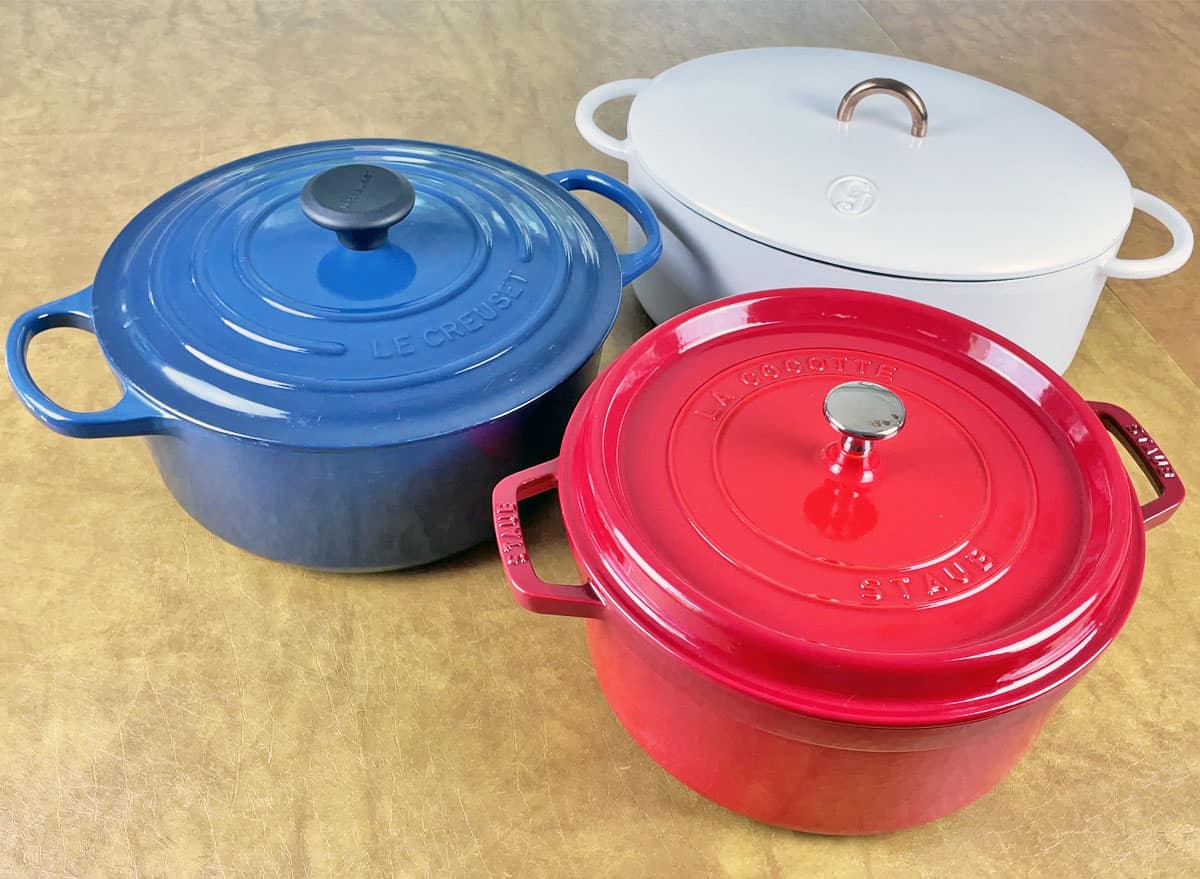
The decision often hinges on your willingness to maintain the cookware. If you want a pot that looks good on the table and handles delicate sauces without fuss, enameled is the pragmatic choice. Brands like Le Creuset and Staub dominate this space, offering vibrant colors and tight-fitting lids that trap moisture effectively. If you prioritize ruggedness and don't mind the ritual of oiling and heating, bare cast iron is a lifetime investment that only gets better with age.
Where each option wins
Choosing between enameled and bare cast iron comes down to what you cook most often and how much effort you want to put into maintenance. While both retain heat exceptionally well, their surface treatments create very different cooking experiences.
Best for acidic and sticky foods
Enameled cast iron is the better choice if you frequently cook tomato-based sauces, wine reductions, or citrus-heavy dishes. The glass-like enamel coating is non-reactive, meaning it won’t alter the taste of acidic ingredients or rust over time. This makes it ideal for slow-simmered ragùs, braises, and stews where prolonged contact with acid is unavoidable. You can also use metal utensils with less fear of scratching the surface compared to bare iron, making it more forgiving for daily use.
Best for searing and high heat
Bare cast iron wins when you need a hard, non-stick surface that improves with age. It excels at searing steaks, frying bread, or baking cornbread because it develops a natural polymerized seasoning layer over time. This surface handles higher direct heat better than enamel, which can craze or chip if subjected to sudden thermal shocks. If your goal is crispy crusts and rustic, traditional cooking methods, bare cast iron is the workhorse you need.
Maintenance and longevity
Enameled dutch ovens are easier to clean and require no seasoning, making them ideal for beginners or those who dislike the ritual of oiling and heating their cookware. However, they are more fragile; dropping one can chip the enamel, exposing the iron beneath to rust. Bare cast iron is nearly indestructible and can last generations, but it requires hand-washing, drying immediately, and occasional oiling to maintain its non-stick properties. If you want "set it and forget it" convenience, choose enameled. If you don’t mind the upkeep for superior performance, go with bare iron.


As an Amazon Associate, we may earn from qualifying purchases.
Details worth checking
Before committing to a cast iron or enameled dutch oven, verify the specific model’s limitations. Manufacturers often omit critical exclusions from marketing materials, leading to unexpected damage or safety issues.
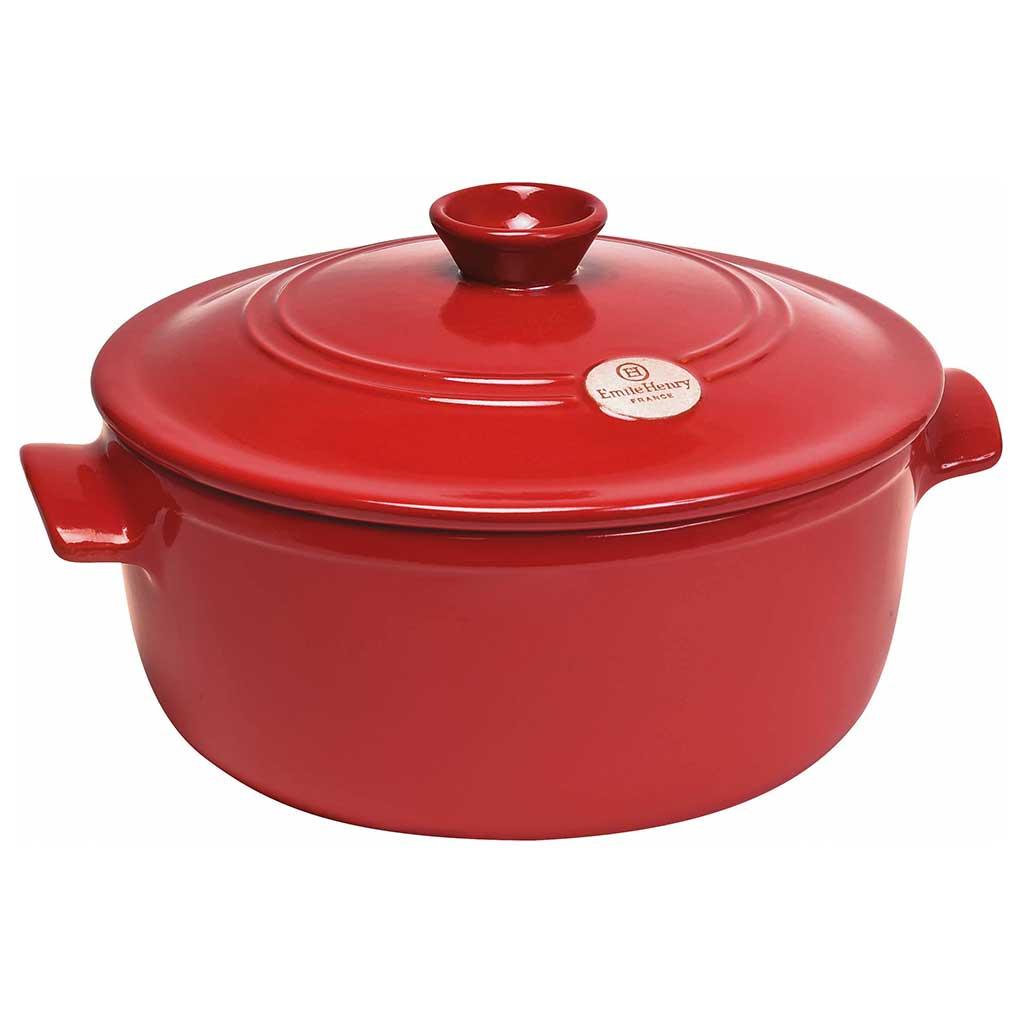
Most enameled cast iron dutch ovens are safe up to 500°F (260°C). Exceeding this limit can crack the enamel or discolor the exterior. Always check the manufacturer’s manual for the specific maximum temperature, as some premium brands may allow higher heat.
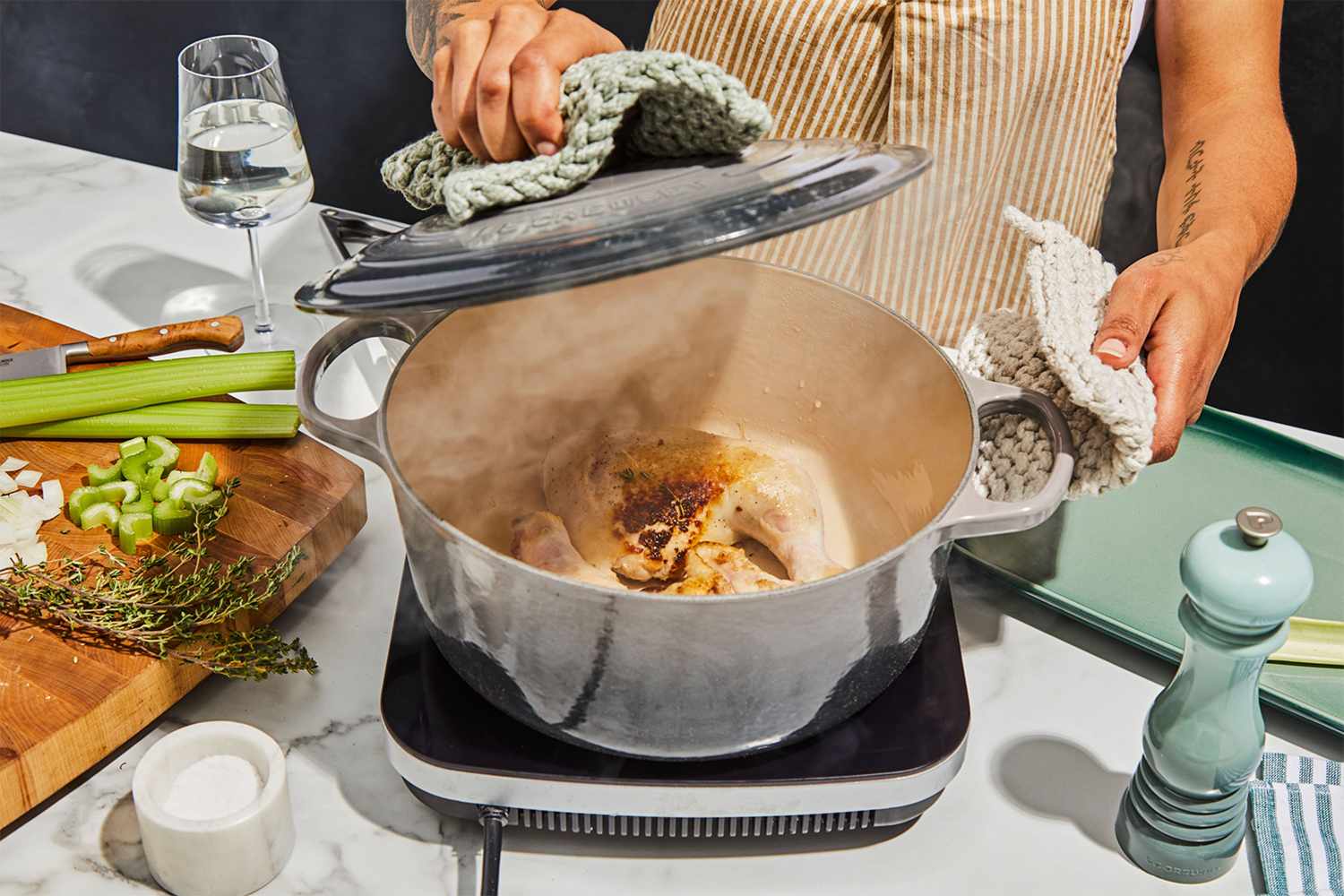
Le Creuset and Staub typically offer lifetime warranties against manufacturing defects, but they do not cover breakage from drops or thermal shock. Lodge offers a limited warranty that is less comprehensive. Read the fine print to understand what voids coverage, such as using metal utensils or dishwasher cleaning.
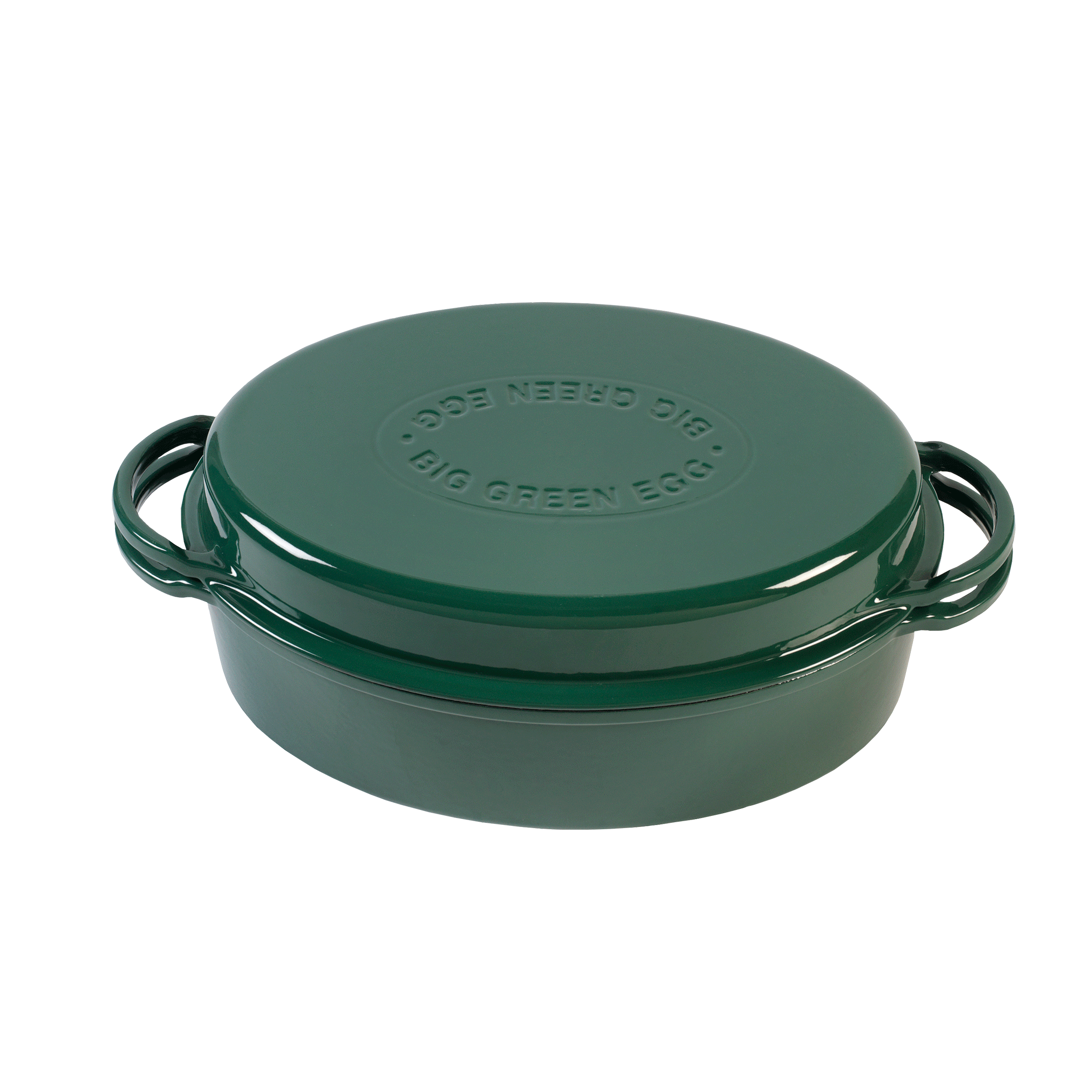
A tight seal is essential for moisture retention. Check if the lid is self-basting (with spikes) or flat. Enamelled lids often have better seals than raw iron ones. Ensure the handle material (usually cast iron or silicone) is oven-safe at your desired cooking temperatures.
While rare in modern major brands, older or unbranded enameled pots may contain lead in the glaze. Stick to certified brands that comply with California Prop 65 or EU safety standards. Raw cast iron is naturally lead-free but requires seasoning to prevent rust and iron leaching.
No comments yet. Be the first to share your thoughts!