
Dutch oven choices that change the plan
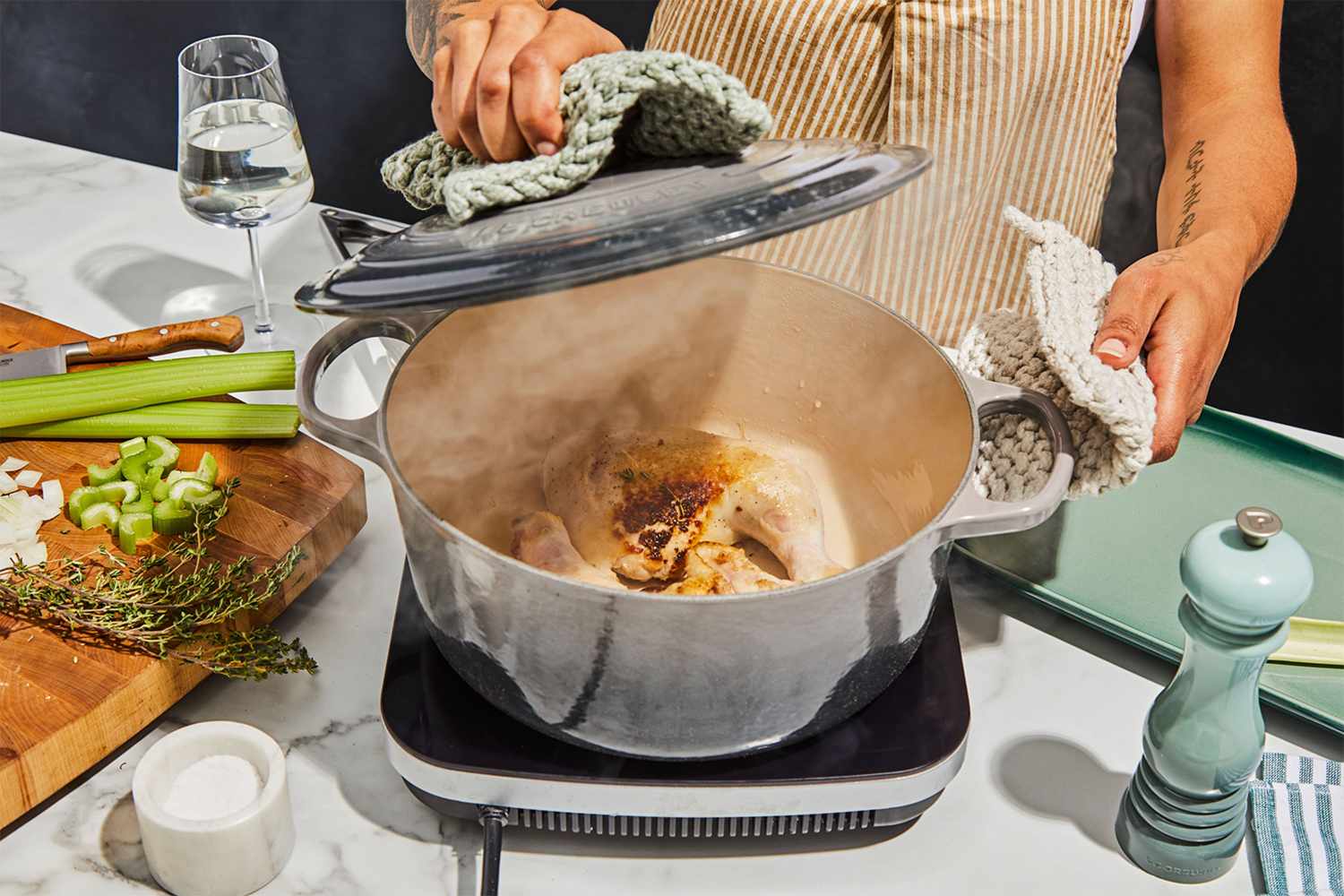
Choosing between enameled cast iron and classic bare cast iron comes down to how you cook and how much maintenance you are willing to do. Both materials provide exceptional heat retention, but they behave differently in the kitchen. Enameled versions feature a glass-like coating that prevents reactions with acidic ingredients, while bare cast iron develops a natural seasoning layer that improves with use.
The decision often hinges on three variables: acidity tolerance, weight, and cleanup effort. If you frequently cook tomato sauces, wine braises, or citrus-based dishes, enameled cast iron is the safer choice because it will not impart a metallic taste or strip your seasoning. Bare cast iron is lighter and can go from stovetop to open flame without restriction, but it requires immediate care to prevent rust.
| Feature | Enameled Cast Iron | Bare Cast Iron |
|---|---|---|
| Acidic Foods | Safe for tomatoes/wine | Can react/metallic taste |
| Seasoning | None required | Builds over time |
| Weight | Heavier (thick enamel) | Slightly lighter |
| Cleanup | Dishwasher safe | Hand wash only |
| Aesthetics | Colorful, decorative | Black, rustic |
| Price | $150–$300+ | $30–$60 |
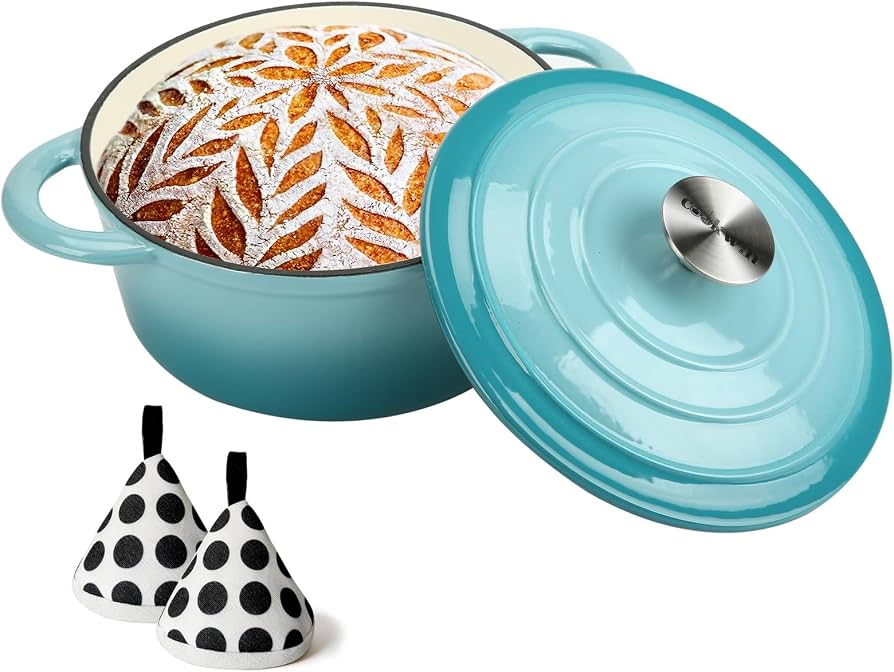
For everyday stewing and bread baking, enameled cast iron offers more versatility. The smooth interior makes deglazing easier and allows for more precise temperature control on the stovetop. Brands like Le Creuset and Staub set the standard here, offering durable enamel that resists chipping under normal use. However, you must avoid thermal shock; placing a hot enameled pot under cold water can crack the glass coating.
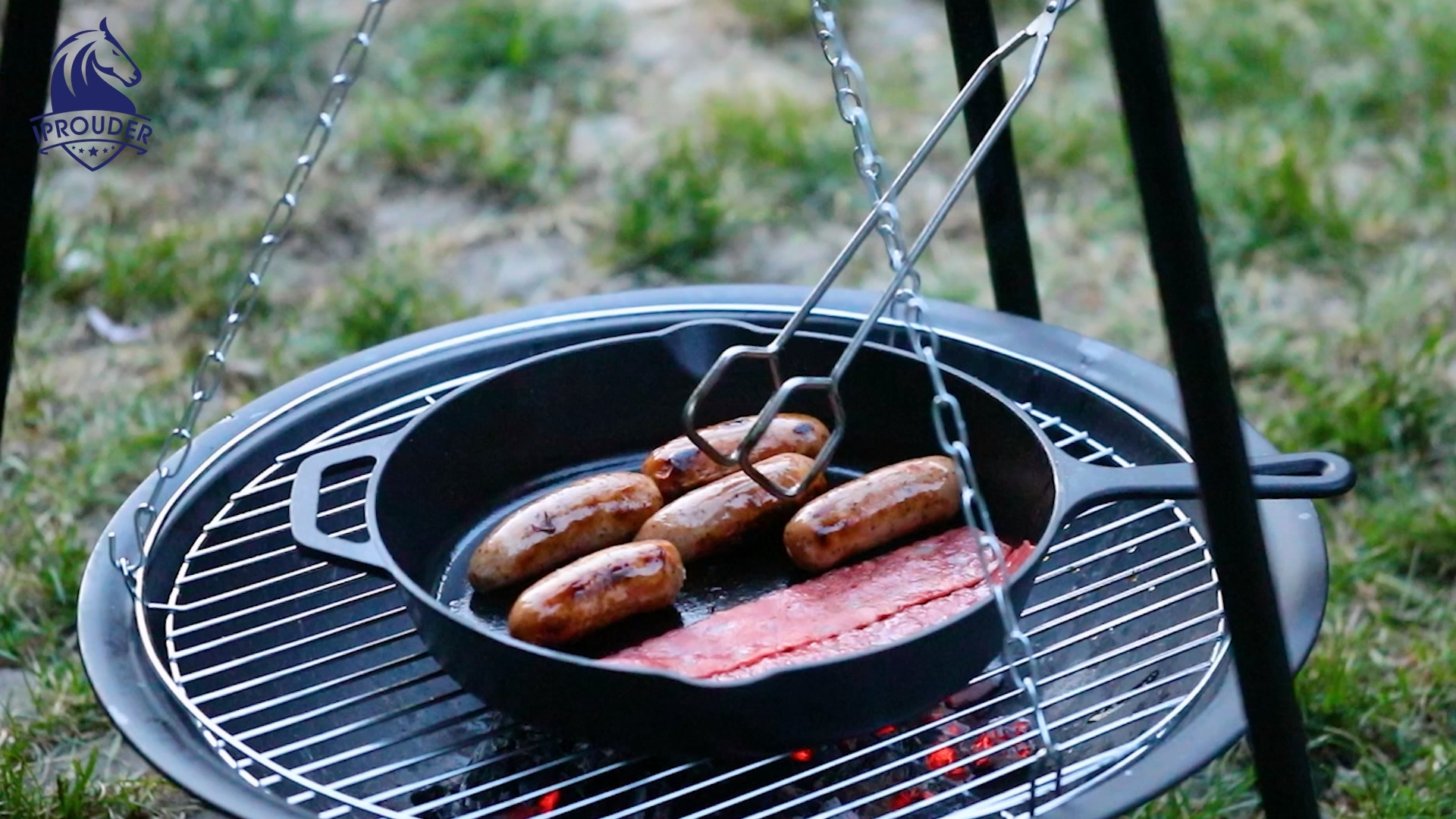
Bare cast iron is better suited for searing, frying, and outdoor cooking. It creates a superior crust on meats and develops a non-stick surface over time. The tradeoff is that it requires drying immediately after washing and occasional oiling to maintain its patina. If you prefer a tool that is low-maintenance and dishwasher-safe, enameled is the practical winner. If you enjoy the ritual of seasoning and want a pan that can handle extreme heat, bare cast iron remains unmatched.
Where each option wins
Choosing between enameled cast iron and classic bare cast iron comes down to what you cook most often. Neither material is objectively superior; they simply handle different chemical environments and heat profiles better. If your kitchen routine leans toward acidic sauces or daily maintenance, enamel is the pragmatic choice. If you prioritize high-heat searing and rustic, hands-on cooking, bare cast iron remains unmatched.
Best for acidic dishes and daily ease
Enameled cast iron wins when cooking tomatoes, wine reductions, or citrus-based stews. The glass-like coating prevents the metal from reacting with acids, which can strip seasoning and impart a metallic taste to bare cast iron. This makes enameled pots ideal for the tomato-based ragùs and braises that define much of modern home cooking.
Maintenance is also lighter. You can wash enameled pots with soap and use metal utensils without fear of scratching a seasoned surface (though care is still needed to avoid chipping). This durability against everyday wear makes enameled Dutch ovens the best everyday workhorses for cooks who want consistent results without the ritual of oiling and heating.
Best for searing and rustic cooking
Classic bare cast iron excels at high-heat searing and open-fire cooking. Because it lacks a glass coating, it tolerates higher temperatures and develops a natural non-stick patina over time. This makes it the superior tool for crusty bread baking, deep-frying, and cooking over campfires where enamel might crack under thermal shock.
Bare cast iron also retains heat slightly more efficiently than enameled variants because the enamel layer acts as a minor insulator. For dishes that rely on a hard, caramelized crust—like a perfect steak or crispy-skinned chicken—bare cast iron delivers the Maillard reaction more aggressively. It is the better choice for cooks who value ruggedness and traditional techniques over visual polish.
Quick comparison
| Feature | Enameled Cast Iron | Classic Bare Cast Iron |
|---|---|---|
| Acid Resistance | High (no reaction) | Low (can react with acids) |
| Maintenance | Low (dishwasher safe) | High (requires seasoning) |
| Heat Tolerance | Moderate (avoid thermal shock) | Very High (oven/fire safe) |
| Best For | Stews, sauces, braises | Searing, baking, frying |
The Verdict
For most home cooks, an enameled Dutch oven is the more versatile single purchase. It handles the wide variety of modern recipes—from acidic marinades to creamy soups—without requiring the upkeep that bare cast iron demands. However, if you frequently bake bread or cook over fire, bare cast iron is an essential secondary tool that enameled pots cannot replace.
Details worth checking
Before finalizing your purchase, verify the specific dimensions and warranty terms. Dutch oven sizing can be inconsistent across brands, and a "5-quart" from one manufacturer may not hold the same volume as another. Always check the internal capacity against your typical cooking needs rather than relying on the nominal label alone.
Lid fit and handle hardware
A tight-fitting lid is essential for trapping steam, which is critical for bread baking and slow-cooked stews. Check that the lid sits flush without wobbling. Additionally, inspect the handle attachment points. Some cheaper models use riveted handles that can collect grime, while others use screw-mounted handles that are easier to clean but may loosen over time with thermal cycling.
Enamel durability and warranty
Enameled cast iron is beautiful but susceptible to chipping if dropped or struck. Review the manufacturer’s warranty coverage specifically for enamel damage. Le Creuset and Staub offer extensive warranties, but they often exclude cosmetic chips caused by impact. If you plan to use the pot for heavy-duty outdoor cooking or camping, bare cast iron or carbon steel might be a more durable choice than enameled variants.
Color and maintenance choices that change the plan
Light-colored interiors, like the cream enamel found in many Le Creuset models, make it easier to monitor browning and sauce consistency. However, they show stains more readily. Darker interiors, such as those in Staub or Lodge models, hide stains better but can make it harder to judge the color of searing meat. Consider how much visual monitoring you need during the cooking process.
Dutch oven: what to check next
Helpful gear
Use these product recommendations as a starting point, then choose the size, material, and price point that fit how you actually use the gear.

As an Amazon Associate, we may earn from qualifying purchases.
No comments yet. Be the first to share your thoughts!