
Dutch oven choices that change the plan
Choosing between enameled and bare cast iron comes down to two distinct priorities: maintenance ease versus heat retention. While enameled pots offer a non-reactive surface that handles acidic sauces like tomato ragù without metallic aftertastes, bare cast iron provides superior thermal mass and the ability to develop a natural non-stick patina over time.
The decision is rarely about which material is objectively superior, but rather which workflow fits your cooking habits. If you cook daily and want to avoid the chore of seasoning, enameled is the pragmatic choice. If you prioritize searing performance and don't mind hand-washing and oiling, bare cast iron delivers unmatched durability.
Enameled cast iron
Enameled Dutch ovens feature a glass-like coating fused to the cast iron body. This coating prevents reactions with acidic ingredients, making it ideal for slow-simmered dishes like chili, marinara, or wine-based braises. The smooth interior is also easier to clean, as food residues don’t stick as aggressively as they do in bare iron.
However, enamel is brittle. Dropping a heavy lid or striking the pot against a hard surface can chip the coating, exposing the iron beneath to rust. High-heat searing is also riskier; while most enameled pots are oven-safe to 500°F, extreme thermal shock can crack the glass layer. Brands like Le Creuset and Staub lead this category with premium finishes, but budget options like Lodge or Overmont offer similar functionality at a fraction of the cost.
Bare cast iron
Bare cast iron pots are uncoated, heavy, and incredibly durable. They excel at high-heat tasks like searing steaks or baking sourdough bread because they retain heat longer and distribute it evenly. Over time, polymerized oil builds a natural non-stick surface that improves with use, often outperforming synthetic non-stick coatings.
The trade-off is maintenance. Bare iron requires seasoning to prevent rust and must be cleaned without harsh detergents that strip the patina. It is also reactive; cooking acidic foods for extended periods can degrade the seasoning and impart a metallic taste. For home chefs who value simplicity and don’t want to worry about chipping glass, bare cast iron demands more attention but rewards with longevity.
| Feature | Enameled | Bare Cast Iron |
|---|---|---|
| Acid Resistance | High | Low |
| Heat Retention | Good | Excellent |
| Maintenance | Low | High |
| Durability | Chips if dropped | Nearly Indestructible |
| Best For | Sauces, stews, baking | Searing, bread, frying |
Where each option wins
Choosing between enameled and bare cast iron comes down to what you cook most often. Both retain heat equally well, but their surfaces behave differently under pressure. One handles acidity and delicate sauces; the other handles high-heat searing and years of neglect.
Enameled: Best for versatility and acid
Enameled cast iron is the safer bet for daily cooking. The glass-like coating prevents reactions with acidic ingredients like tomatoes, wine, and vinegar. You can simmer a marinara or deglaze with sherry without worrying about stripping the seasoning or imparting a metallic taste.
It also cleans easily. Food doesn’t stick to the glazed surface, and you can use metal utensils without fear of scratching through to bare iron. This makes it ideal for stews, braises, and baking bread, where you want consistent heat without the maintenance ritual.
Bare Cast Iron: Best for searing and durability
Bare cast iron is the workhorse for high-heat tasks. It develops a natural polymerized seasoning that becomes more non-stick over time. This surface excels at searing steaks, frying chicken, or baking cornbread, where you want a crust that won’t stick.
It is also virtually indestructible. You can scrub it with steel wool, re-season it if it gets rusty, and use it on open flames or campfires. If you cook heavily, don’t mind the maintenance, and prioritize crust over convenience, bare cast iron is the superior tool.
The Verdict
For most home chefs, an enameled Dutch oven is the better primary pot. It handles the full range of cooking techniques without demanding constant care. However, if you already own a well-seasoned bare iron pot, keep it for searing and frying. Many serious kitchens end up with both, using each for its specific strength.
Details worth checking
Before finalizing your purchase, verify a few practical details that often separate a great Dutch oven from a frustrating one. These checks apply to both traditional bare cast iron and enameled varieties.
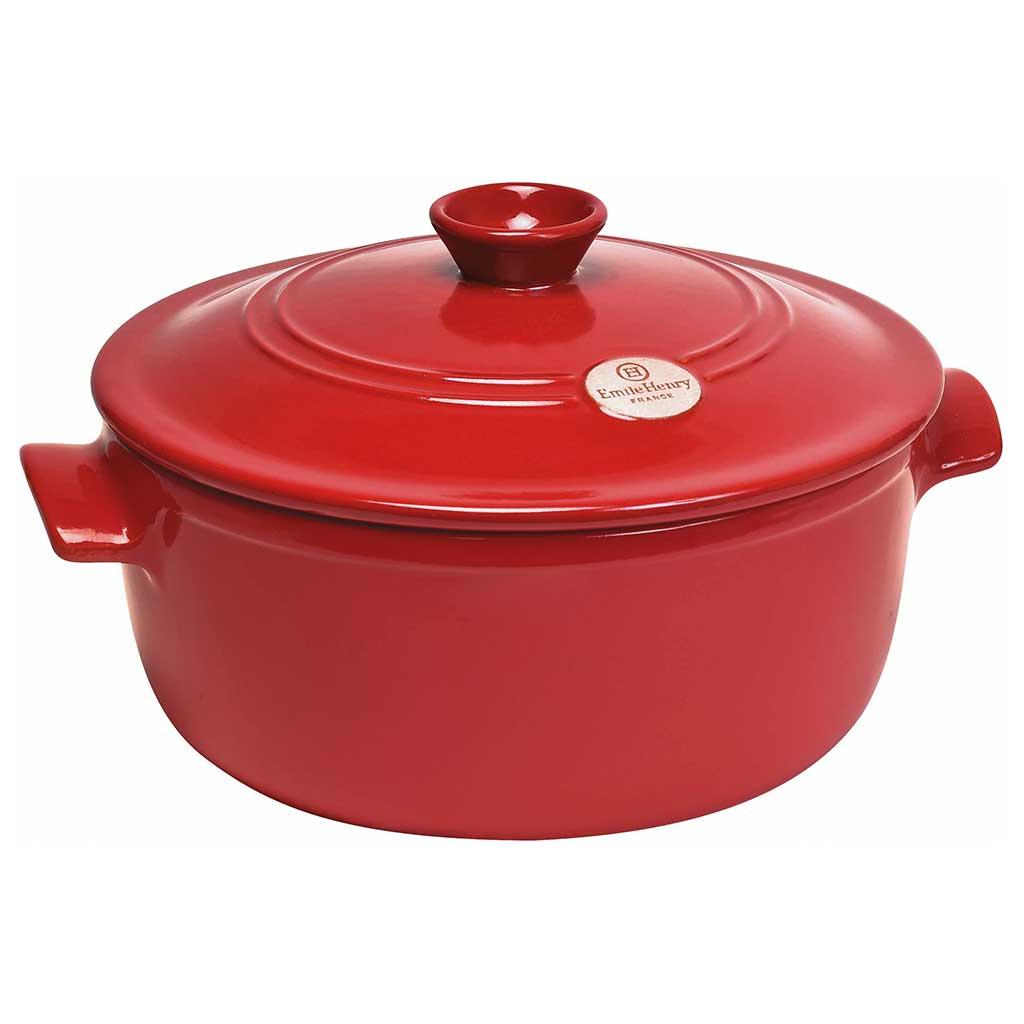
A tight seal is essential for moisture retention. Look for self-basting lids with interior spikes (like Staub) or a precise rim fit (like Le Creuset). If the lid wobbles or leaves large gaps, steam escapes, and your braises will dry out.
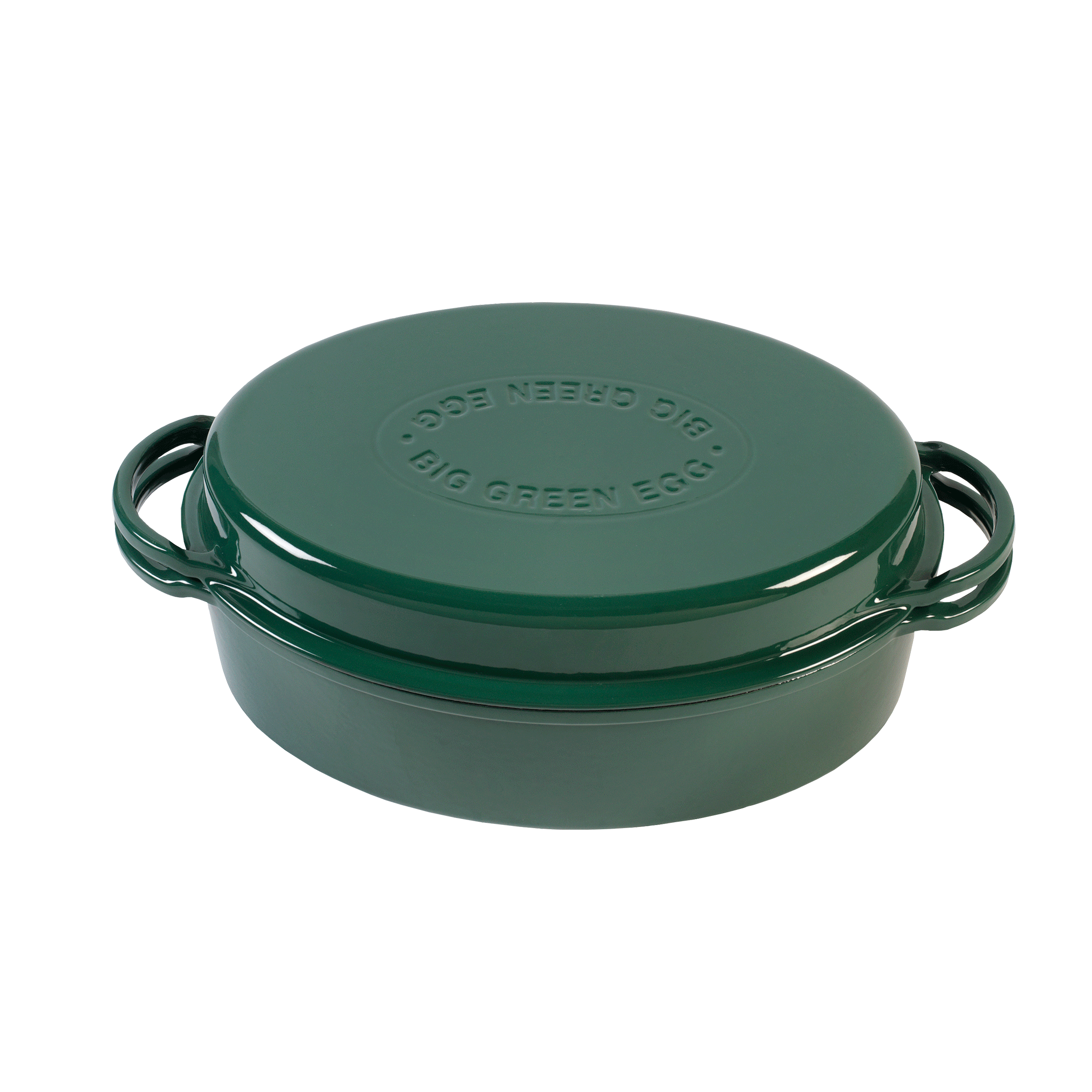
Bakelite or phenolic handles on enameled models can melt if left in a hot oven above 400°F (204°C). Ensure the handles are rated for your cooking temperature, or be prepared to use silicone oven mitts for high-heat roasting.
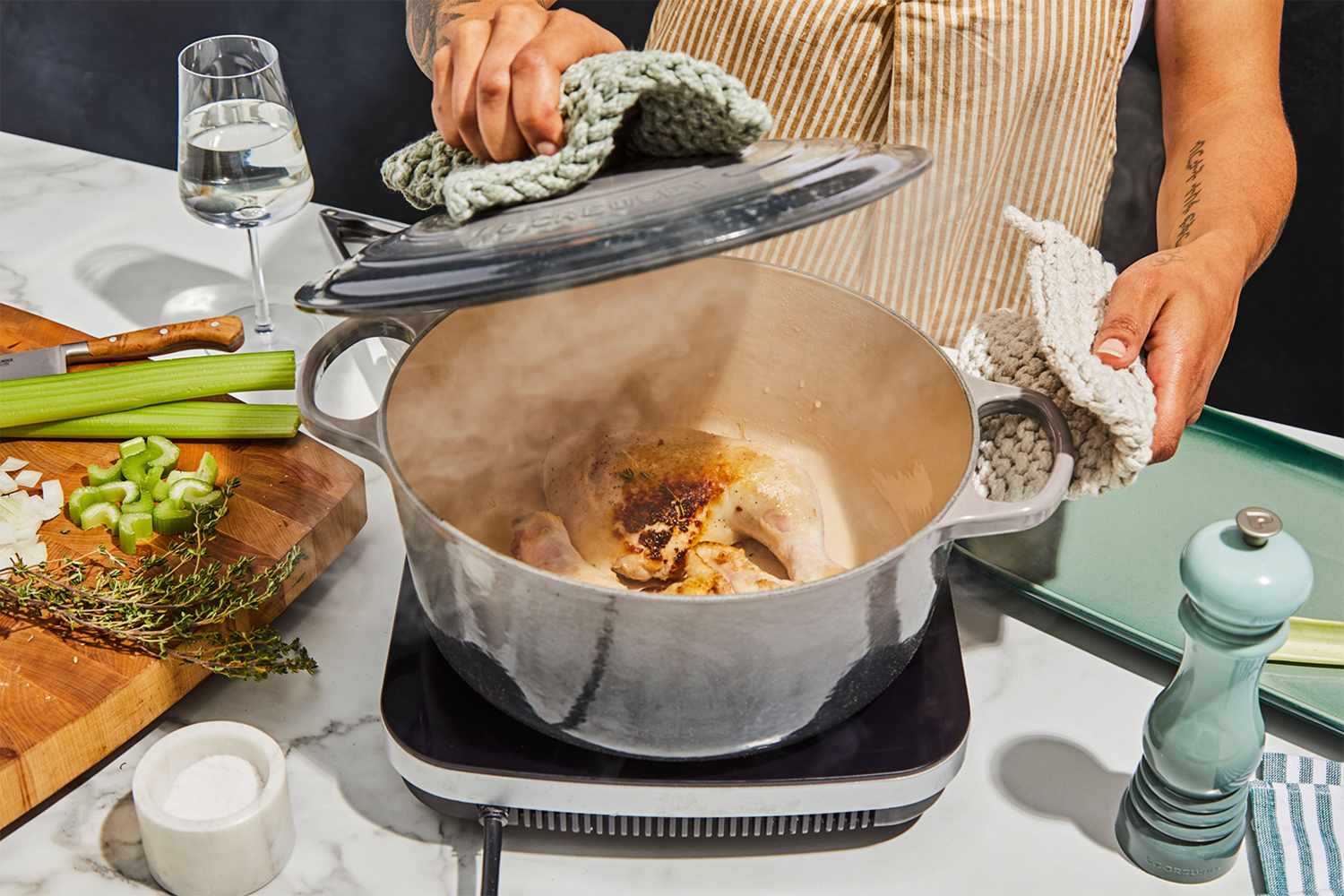
Thin enamel chips easily, exposing raw iron to acidic foods like tomato sauce. High-quality brands use a thicker, multi-layer coating that resists cracking. If you plan to cook highly acidic dishes frequently, this durability check is critical.
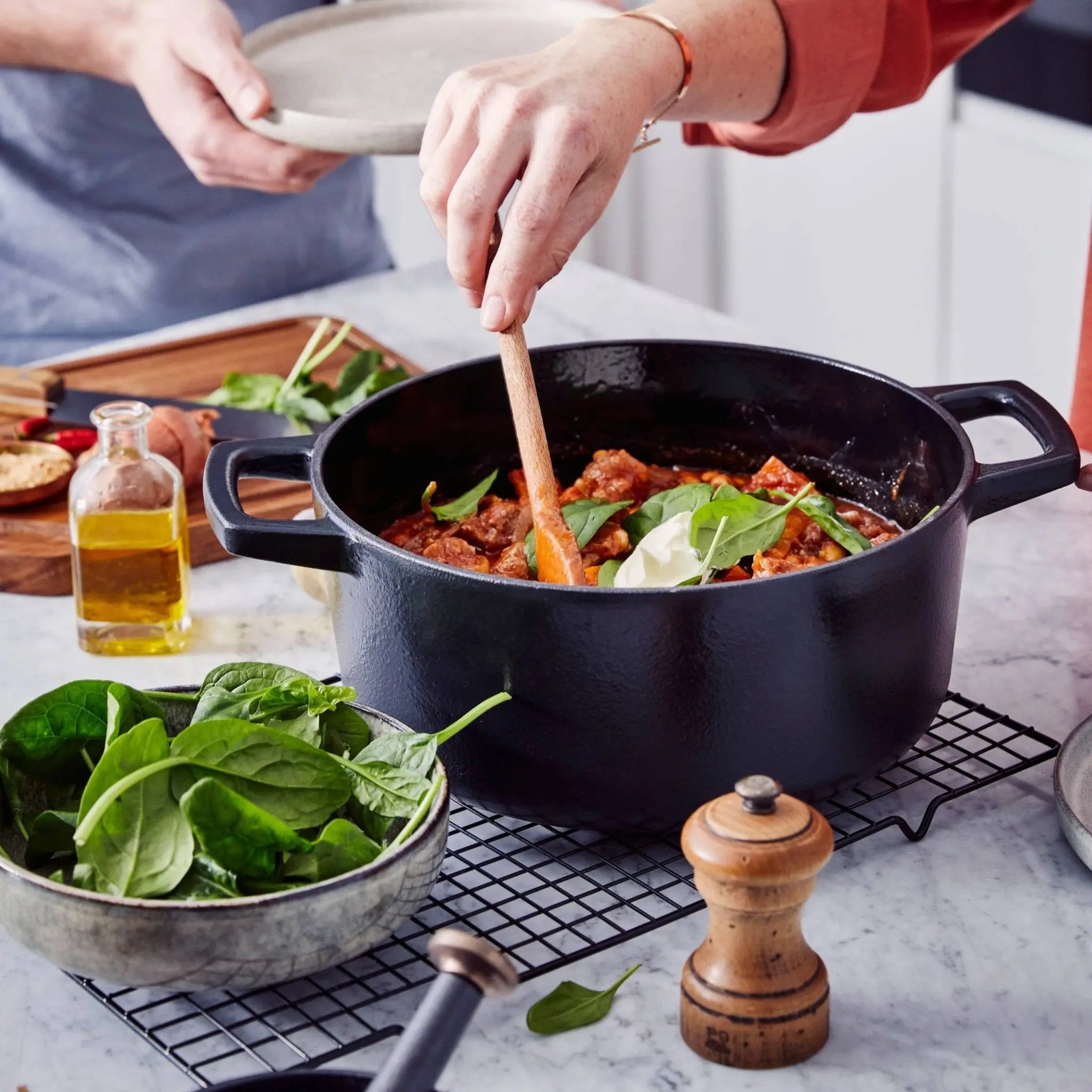
A 7-quart Dutch oven can weigh over 15 pounds when empty. If you have limited wrist strength or arthritis, test the balance of the pot. Some brands offer smaller handles or lighter alloy alternatives that don't sacrifice heat retention.
Dutch oven: what to check next
Choosing between raw cast iron and enameled options often comes down to maintenance preferences and cooking style. Here are direct answers to the most common questions home chefs ask before buying.
Helpful gear
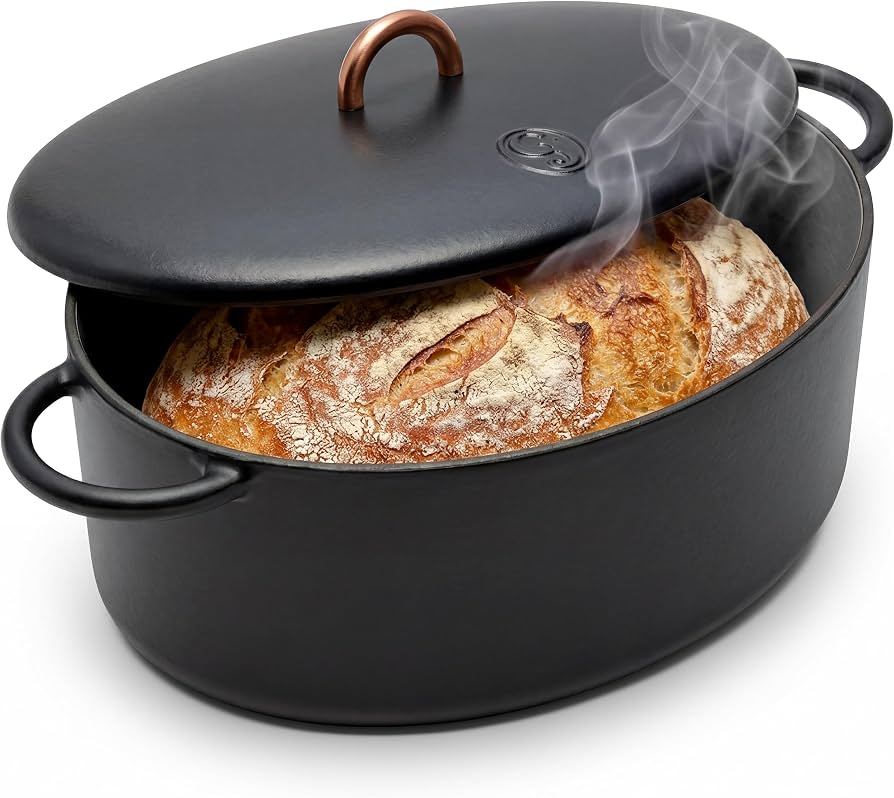
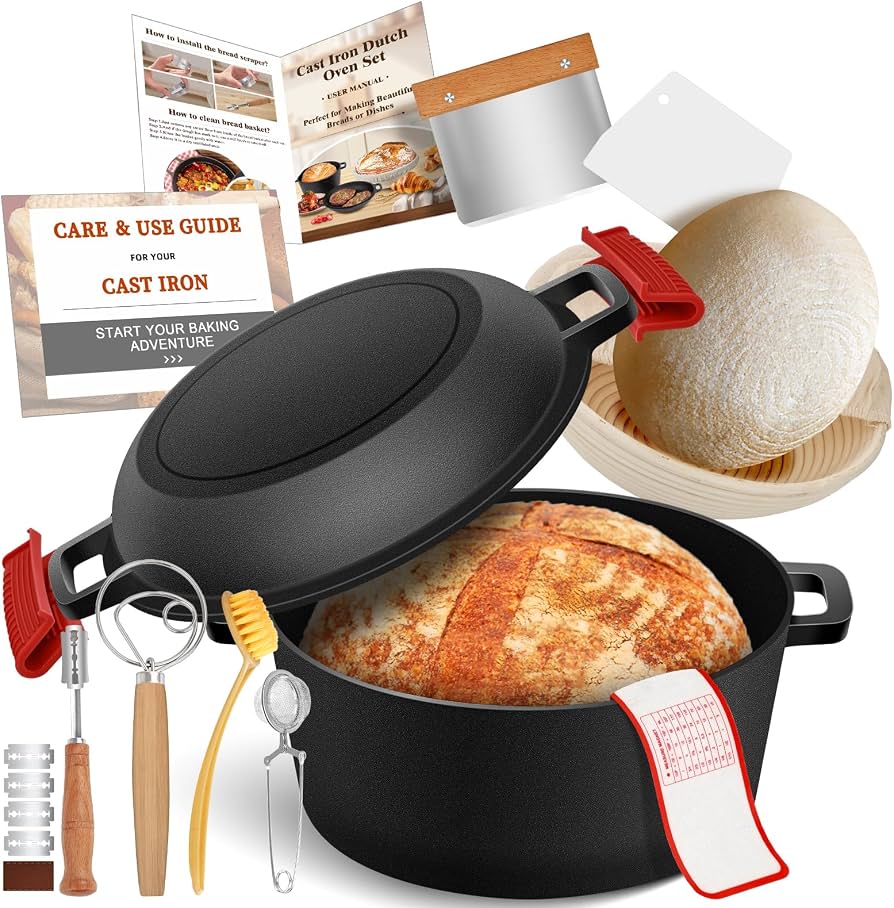
Use these product recommendations as a starting point, then choose the size, material, and price point that fit how you actually use the gear.

As an Amazon Associate, we may earn from qualifying purchases.
No comments yet. Be the first to share your thoughts!