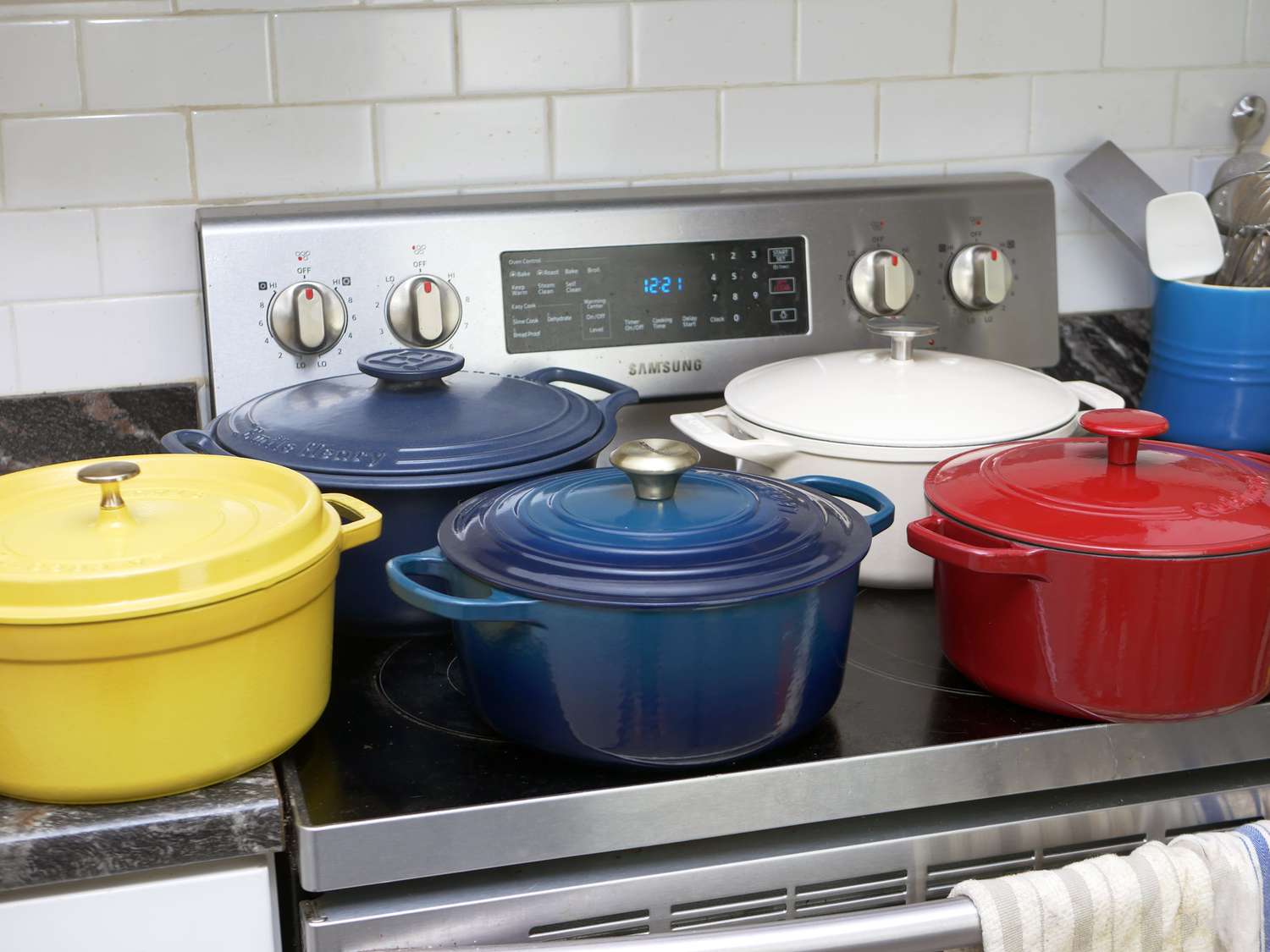

How we picked the best dutch oven
We tested enameled cast iron Dutch ovens by focusing on three core metrics: heat retention, enamel durability, and lid fit. Our evaluation prioritized even heat distribution and chip resistance over brand prestige, ensuring that the cookware performs consistently whether you are searing a steak or simmering a stew.
To assess heat retention, we subjected each pot to rapid temperature changes, monitoring how well the thick cast iron maintained a steady simmer without hot spots. We examined the enamel coating for resilience against chipping during rigorous cleaning and high-heat cooking. The lid fit was evaluated for its ability to trap moisture, which is critical for braising and baking bread.
Our testing compared established leaders like the Le Creuset Signature and the Lodge Essential Enamel against other contenders. We looked for concrete differences in weight, handle ergonomics, and the consistency of the enamel finish. By focusing on these functional attributes, we identified models that offer genuine performance benefits rather than just aesthetic appeal.
Best overall dutch oven: Le Creuset Signature
The Le Creuset Signature Enameled Cast-Iron Dutch Oven remains the benchmark for home cooks who prioritize performance and longevity. After rigorous testing, it consistently outperformed competitors in heat distribution and retention, making it the ideal vessel for slow-simmered stews and high-heat searing. Its thick cast-iron walls absorb and radiate heat evenly, eliminating hot spots that can burn delicate sauces or leave meat undercooked in the center.
The enamel coating is where this pot truly justifies its premium position. Unlike cheaper alternatives that chip or stain after a few months, Le Creuset’s hard-baked enamel resists cracking, chipping, and staining. It creates a non-reactive surface that doesn’t interact with acidic ingredients like tomatoes or wine, ensuring the flavor of your dish remains pure. The smooth interior also cleans up effortlessly, often requiring nothing more than a warm soak and a soft sponge.
While the Lodge Essential Enamel offers a compelling budget alternative, the Le Creuset’s superior craftsmanship and durability make it a long-term investment. The lid’s self-basting spikes circulate moisture effectively, keeping meats tender and reducing the need for added liquids. If you plan to cook with a Dutch oven regularly, the extra upfront cost translates to years of reliable, restaurant-quality results.

As an Amazon Associate, we may earn from qualifying purchases.
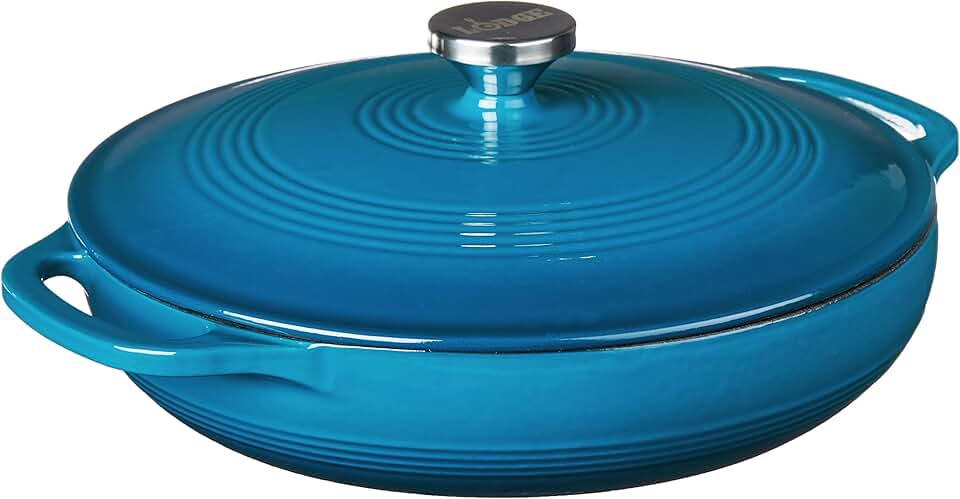
Best budget dutch oven: Lodge Essential Enamel
The Lodge Essential Enamel Cast Iron Dutch Oven delivers the heavy-duty performance expected from cast iron without the luxury price tag. While premium brands like the Le Creuset Signature dominate high-end kitchens, Lodge offers a functional alternative that handles searing, braising, and slow cooking with comparable reliability. It is the go-to choice for home cooks who want durable enamel-coated cast iron without paying for brand prestige.
Heat distribution is consistent across the base and walls, allowing for even simmering and effective moisture retention under the moisture-sealing lid. The enamel interior resists staining and acidic foods better than bare cast iron, while the exterior enamel provides a smooth finish that cleans up easily. For those on a tighter budget, this model proves that thick cast iron construction doesn't require a significant financial investment.
As an Amazon Associate, we may earn from qualifying purchases.
Best for baking: Staub Cocotte
The Staub Cocotte stands out for baking and braising due to its unique interior design. Unlike the smooth interior of the Le Creuset, Staub features a matte black enamel coating with heavy, self-basting spikes on the lid. These spikes condense moisture and drip it back onto the food, creating a natural basting effect that keeps roasts and breads moist without needing extra liquid.
The heavy, tight-fitting lid creates an excellent seal, making it superior for recipes that rely on steam circulation, such as sourdough baking or slow-cooked braises. The enamel is also highly resistant to chipping, though the dark interior can make it harder to monitor browning compared to lighter-colored pots. For bakers and braisers, the Staub’s moisture-retention capabilities offer a distinct advantage over smoother-walled competitors.

As an Amazon Associate, we may earn from qualifying purchases.
Enameled vs bare cast iron
Choosing between enameled and bare cast iron comes down to maintenance tolerance and the types of dishes you cook most often. While both materials offer excellent heat retention, the surface treatment dictates how you care for the pot and what ingredients are safe to use.
Enameled cast iron
Enameled pots, such as the Le Creuset Signature or Staub Cocotte, feature a glass-like coating fused to the iron. This non-porous surface is ideal for cooking acidic foods like tomato sauces, wine reductions, or citrus-based braises without the risk of metallic flavors or rust. The enamel makes cleaning effortless; food residues wipe away easily, and the pots are generally dishwasher safe.
The trade-off is durability. The enamel can chip if struck by metal utensils or dropped, and it is not suitable for high-heat searing or broiling, which can damage the coating. You must also avoid thermal shock by not placing a hot enameled pot directly into cold water.
Bare cast iron
Bare cast iron, like traditional Lodge skillets, requires seasoning—a layer of polymerized oil that creates a natural non-stick surface. This surface improves with use, becoming more durable over time. It is completely oven-safe at any temperature and can handle metal utensils and high-heat searing.
However, bare iron is reactive. Cooking acidic foods in an unseasoned or poorly seasoned pot can strip the seasoning and impart a metallic taste. It also requires hand washing and immediate drying to prevent rust, making it a higher-maintenance option than enameled alternatives.
Comparison
The table below summarizes the key differences to help you decide which type fits your cooking style.
| Feature | Enameled | Bare Cast Iron |
|---|---|---|
| Acidic Foods | Safe | Avoid |
| Maintenance | Low (Dishwasher safe) | High (Seasoning required) |
| Heat Tolerance | Moderate (No broiler) | High (Oven safe) |
| Durability | Chips if struck | Indestructible with care |
Is an expensive dutch oven worth it
The price gap between a budget enamel cast iron and a premium model like the Le Creuset Signature or Staub Cocotte often comes down to enamel durability and heat consistency. Cheaper models frequently use thinner walls and lighter enamel coatings that chip or craze over time, leading to uneven heating and exposed iron that can rust.
Expensive Dutch ovens typically feature thicker cast iron, which provides superior heat retention and distribution for slow braising. The enamel on high-end models is also fused at higher temperatures, creating a harder, more stain-resistant surface that cleans more easily. However, mid-range options like the Lodge Essential Enamel or Made-In offer performance that closes the gap significantly for most home cooks.
The extra cost matters most if you cook frequently or value heirloom-quality longevity. For occasional use, a well-made mid-range pot delivers the same core benefits without the premium markup.
No comments yet. Be the first to share your thoughts!