
The best dutch oven at a glance
Testing confirms that the best dutch oven for most kitchens is the Le Creuset Signature Enameled Cast-Iron 5½-Quart Round French Oven. It earned the top spot in both Serious Eats and Wirecutter reviews due to its superior heat retention, consistent lid fit, and durable enamel finish. While it commands a higher price, the performance gap between this model and cheaper alternatives is measurable in cooking results.
For those prioritizing value without sacrificing core functionality, the Lodge 6-Quart Essential Enamel Dutch Oven is the strongest runner-up. It offers nearly identical heat distribution and capacity for roughly half the cost, making it the best dutch oven for budget-conscious cooks who still want enameled convenience.
The Staub 5.5-Quart Cocotte stands out for specific techniques like braising. Its heavy, textured enamel lid circulates moisture more effectively than flat lids, though it is slightly heavier to handle. Choose this if you frequently cook stews or braises and don't mind the extra weight.
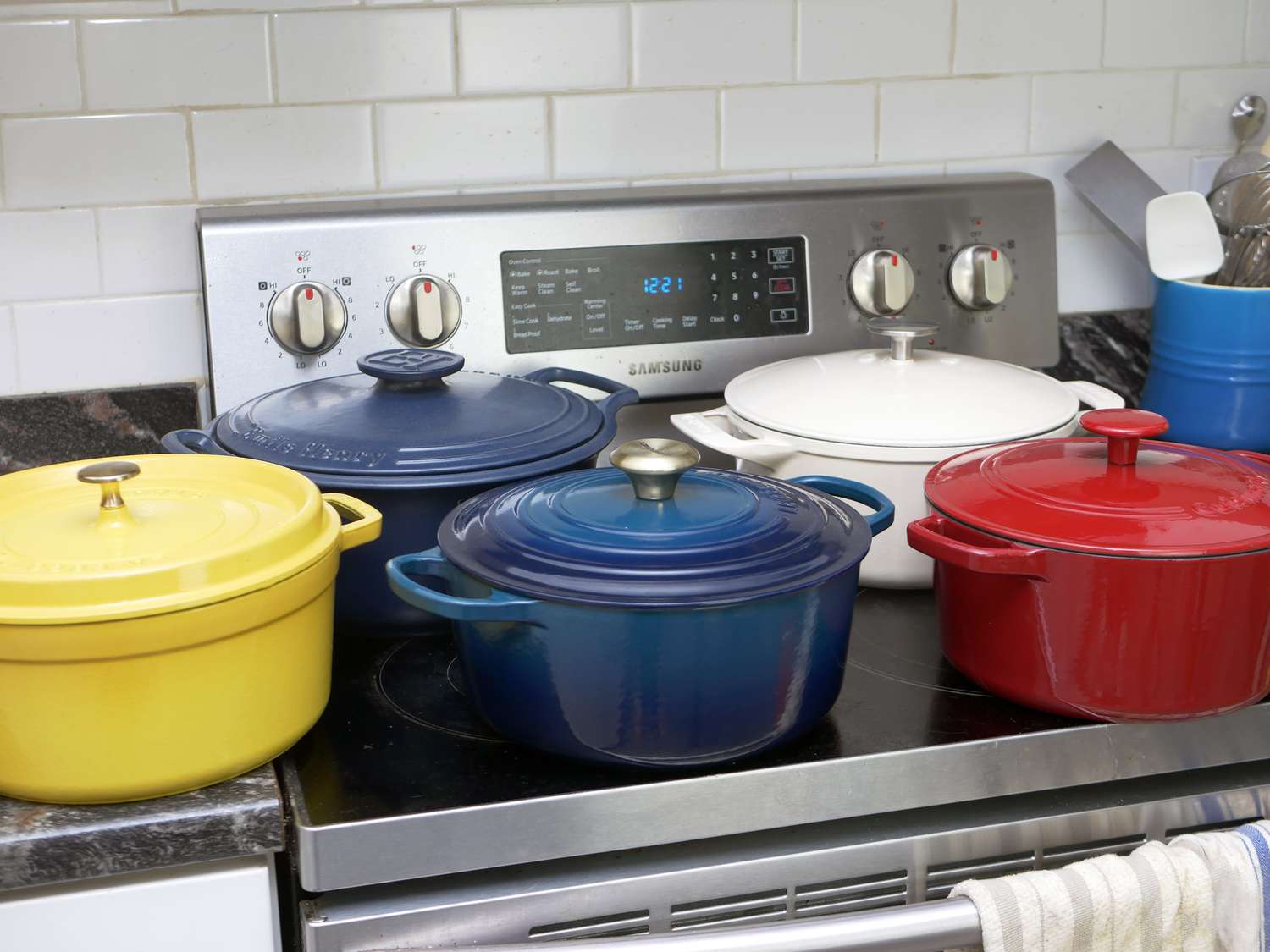
Top 3 Picks Comparison
| Model | Type | Capacity | Weight | Best For |
|---|---|---|---|---|
| Le Creuset Signature | Enameled Cast Iron | 5.5 Qt | ~11 lbs | Overall performance & durability |
| Lodge Essential Enamel | Enameled Cast Iron | 6 Qt | ~9 lbs | Budget value & capacity |
| Staub Cocotte | Enameled Cast Iron | 5.5 Qt | ~12 lbs | Braising & moisture retention |
Cast iron vs enameled dutch oven differences
The choice between bare cast iron and enameled cast iron comes down to how the material handles heat, acidity, and maintenance. While both types share the same heavy, heat-retentive core, the surface treatment changes everything about how you cook and clean them. Understanding these material differences helps explain why price points vary so widely and why one might be the better "best dutch oven" for your specific kitchen habits.
Bare Cast Iron
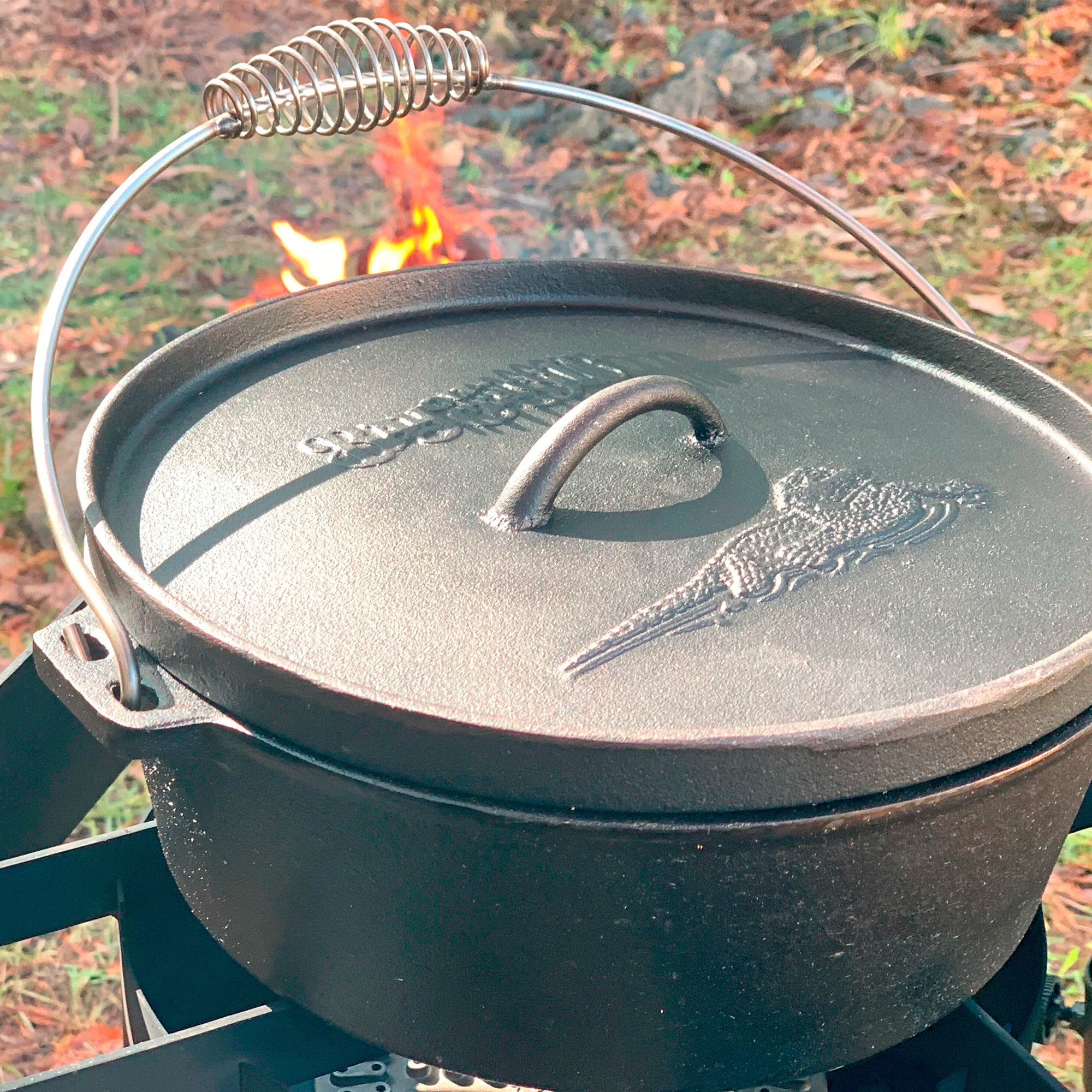
Bare cast iron is uncoated, porous metal that requires seasoning to create a natural non-stick surface. This seasoning is a layer of polymerized oil that bonds to the metal over time. It offers superior heat retention and can go from stovetop to oven to campfire without restriction. However, it reacts with acidic foods like tomatoes or wine, which can strip the seasoning and impart a metallic taste. It also requires hand washing and immediate drying to prevent rust.
Enameled Cast Iron
Enameled cast iron features a glass-like coating fused to the metal at high temperatures. This non-porous surface does not react with acids, making it ideal for braising tomatoes, simmering stews, or cooking with wine. It is generally easier to clean and does not require seasoning, though the enamel can chip if struck with metal utensils or subjected to thermal shock. The glass coating also means you cannot use metal tools safely, and the lid fit is often tighter to trap moisture, which is beneficial for baking bread.
Weight and Heat Retention
Both types use thick cast iron, so the weight difference is negligible. A typical 6-quart model weighs between 12 and 15 pounds. This mass provides exceptional heat retention, meaning both pots hold temperature steadily once hot. This makes them excellent for slow braising and baking. The primary difference lies in heating speed: bare cast iron may heat slightly faster initially due to the lack of glass insulation, but the difference is minor in practical cooking scenarios.
Lid Fit and Moisture Control
Lid design varies by brand and type. Many enameled dutch ovens, such as Le Creuset and Staub, feature self-basting lids with spikes or bumps that circulate condensation back onto the food. Bare cast iron lids are often flat or slightly domed without these features. A tight-fitting lid is crucial for moisture retention, especially when baking bread or braising tough cuts of meat. If lid fit is a priority, enameled options often provide a more engineered seal out of the box.
Best enameled dutch oven picks
Enameled cast iron offers the best of both worlds: the heat retention of raw cast iron with a non-reactive, easy-to-clean surface. For the best dutch oven that handles acidic sauces like tomato ragù or wine braises without metallic aftertastes, enameled options are the standard choice. Our testing highlights three distinct tiers of performance, from the heavyweight champion of French enamel to a reliable budget alternative.
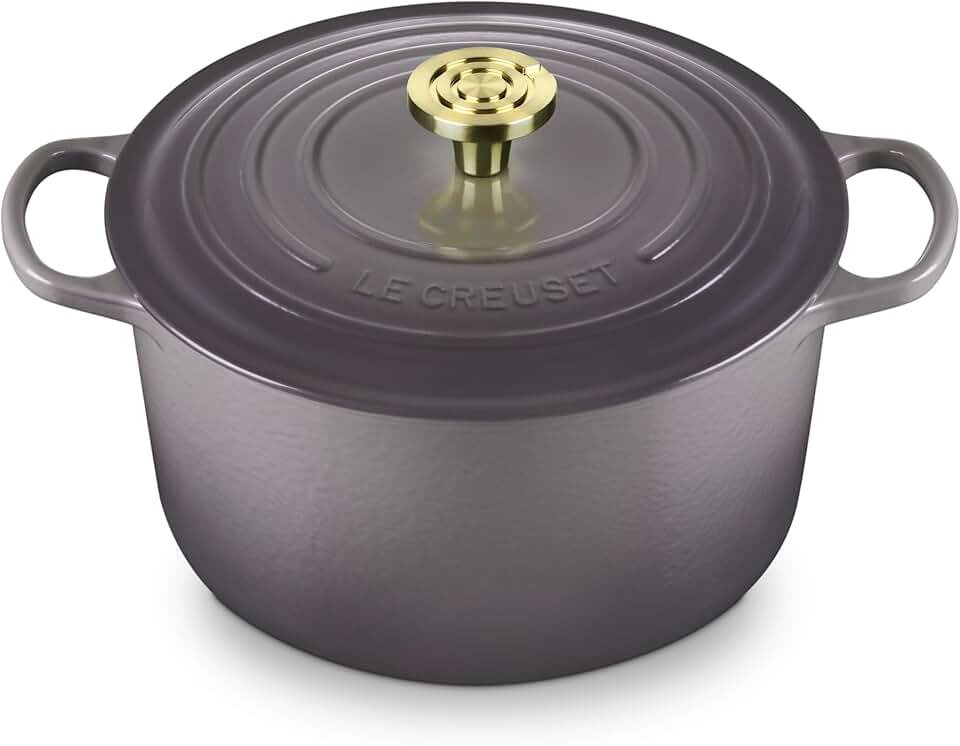
Le Creuset Signature Round Dutch Oven
The Le Creuset 5.5-Quart Round Dutch Oven remains our longtime favorite in Serious Eats’ testing. It aced our searing and stewing tests with minimal effort. The enamel coating is exceptionally smooth, which prevents food from sticking and makes cleaning trivial. While it is heavy, the lid fit is tight enough to retain moisture effectively, making it ideal for slow-cooking tough cuts of meat.
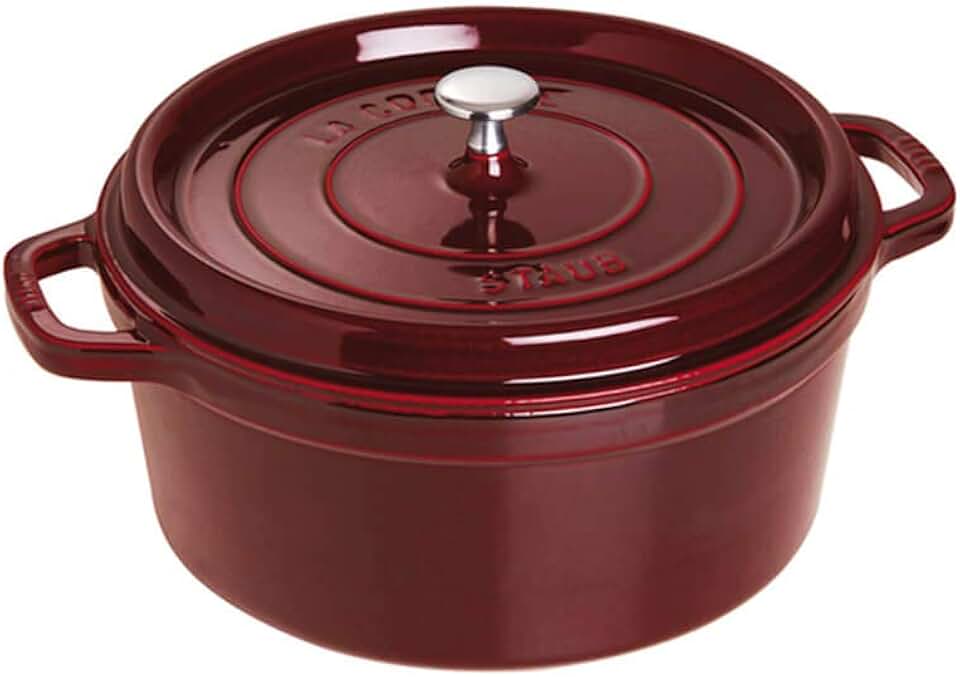
Staub Cocotte
Staub’s matte black enamel interior is engineered for superior browning. Unlike the glossy white interiors of many competitors, Staub’s dark surface helps you judge browning levels more accurately. The lid features unique conical spikes on the underside that circulate steam back onto the food, keeping braises moist without excessive liquid. It is slightly heavier than Le Creuset but offers a more rustic, non-stick feel for searing.
Lodge 6-Quart Essential Enamel
For those seeking the best dutch oven value, the Lodge Essential Enamel delivers 90% of the performance at half the price. While the enamel finish is not as durable as French brands and may chip if dropped, it performs surprisingly well in heat retention and lid sealing tests. The dual handles are comfortable, and the price point makes it an accessible entry point for home cooks who want enameled benefits without the premium cost.

As an Amazon Associate, we may earn from qualifying purchases.
Choosing the right size and shape for your best dutch oven
Selecting the correct capacity and shape is the first step in building a functional kitchen. Most households find that a 5- to 7-quart round Dutch oven is the most versatile option. This size comfortably feeds four to six people and fits standard oven racks, making it suitable for everything from weeknight roasts to weekend bread baking. If you cook for a larger group or frequently make large batches of soup, a 7-quart model provides the necessary volume without overcrowding.
Shape dictates how heat moves through your food. Round Dutch ovens are the default choice for most cooking tasks. Their curved sides promote natural convection, allowing liquids and fats to circulate evenly. This makes them ideal for braising meats, simmering stews, and baking round loaves of bread. The symmetry ensures that heat distributes uniformly, reducing the risk of hot spots that can burn delicate sauces.
Oval Dutch ovens serve a specific purpose: fitting large cuts of meat. Their elongated shape accommodates whole chickens, briskets, or racks of ribs that simply will not fit in a round pot. While they are excellent for roasting, they are less efficient for tasks that require stirring or sautéing. The corners can create dead zones where heat does not circulate as effectively, making them a secondary tool rather than a primary workhorse.
When comparing models, consider the lid fit and weight. A tight-fitting lid is essential for retaining moisture during long braises. Test the lid by placing it on the pot; it should sit securely without wobbling. Heavier pots generally offer better heat retention, but they can be difficult to lift when full. Look for a balance between durability and ease of use, ensuring the handle design allows for safe removal from the oven.
Care tips for lasting durability
Keeping your best dutch oven in top shape requires different strategies depending on whether it is bare cast iron or enameled. The goal is simple: prevent chipping on the enamel and maintain a stable seasoning layer on the bare metal. Testing consistently shows that gentle handling and proper storage are the primary factors in preventing damage over time.
Avoid abrasive scouring pads or steel wool, which can scratch enamel glazes or strip seasoning. For enameled pots, warm water and a drop of dish soap are sufficient. If food is stuck, soak the pot in warm water for 15 minutes before gently scrubbing with a nylon brush or sponge. Bare cast iron should be cleaned with hot water and a stiff brush; avoid soaking it for long periods to prevent rust.
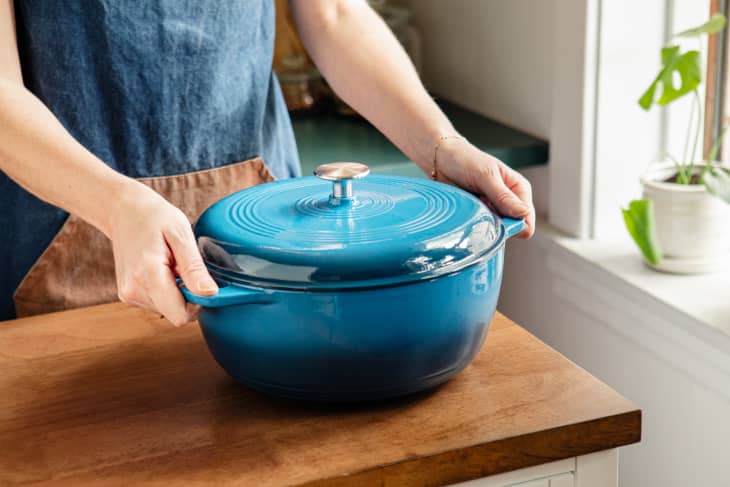
Moisture is the enemy of both finishes. After washing, dry enameled pots completely with a towel to prevent water spots. For bare cast iron, place the pot on a low stove burner for a few minutes to evaporate residual water, then wipe a microscopic layer of neutral oil (like canola or grapeseed) over the interior. This maintains the seasoning and prevents rust, which can compromise the pot’s structural integrity and heat retention.
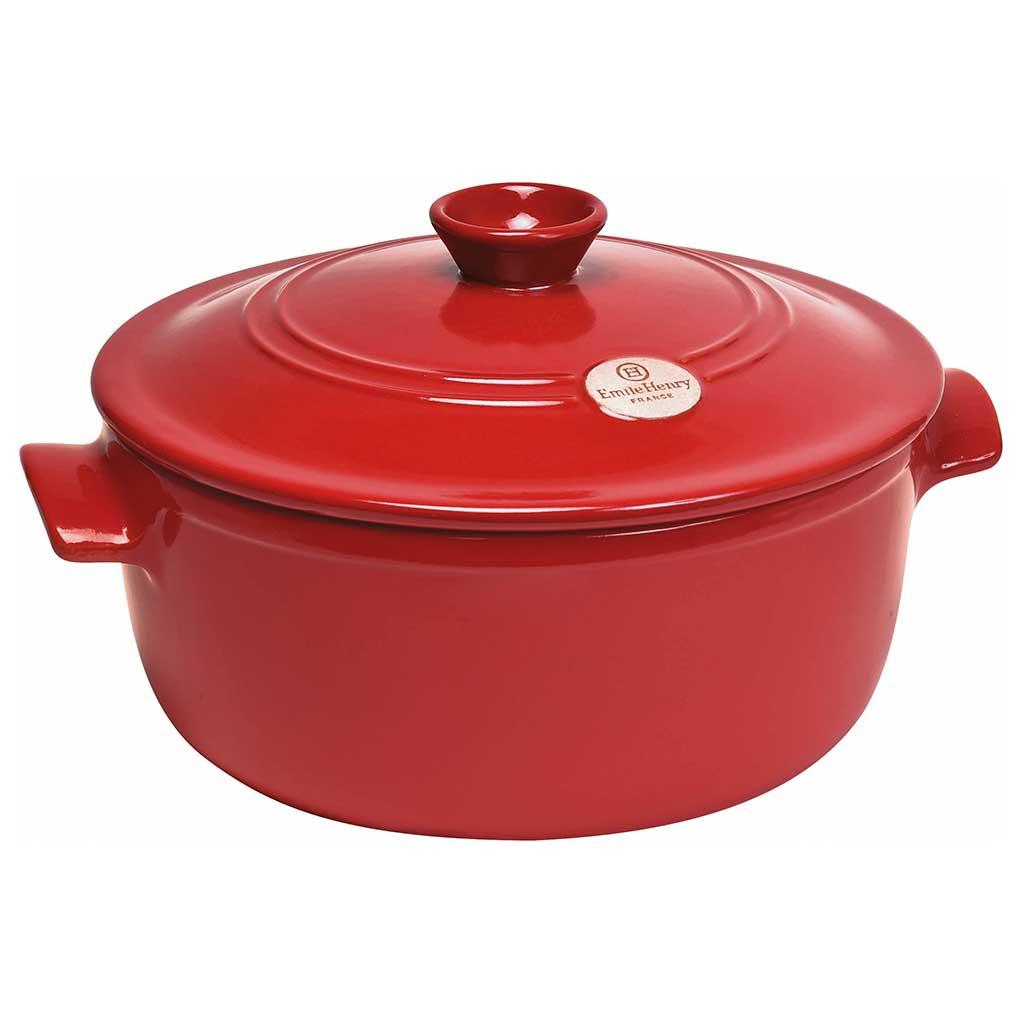
Stacking pots directly on top of each other can chip enamel rims and scratch seasoning. If you must stack them, place a paper towel or a felt liner between the pot and the lid. Ensure the storage area is dry and well-ventilated. Leaving the lid slightly ajar on bare cast iron can also help air circulate, reducing the risk of moisture buildup and rust formation during long-term storage.
Common questions about dutch ovens
Buyers often worry about compatibility, warranty, and material safety when choosing the best dutch oven for their kitchen. While performance gaps between top brands have narrowed, specific quirks remain regarding lid fit and enamel durability.
Can I use a dutch oven on induction cooktops?
Most enameled cast iron models, including the Le Creuset Signature and Lodge Essential Enamel, work on induction. The thick cast iron base interacts well with magnetic fields. However, always check the manufacturer’s specifications, as some lighter or older models may not be compatible.
Is the enamel coating safe if chipped?
The enamel is glass-based and generally inert, but chipping exposes the cast iron underneath. While small chips don’t release toxins, they can lead to rust or metallic flavors. If the interior enamel is compromised, consider replacing the pot to maintain food safety and flavor integrity.
What do warranties cover?
Le Creuset and Staub typically offer lifetime warranties against manufacturing defects, such as enamel cracking or handle detachment under normal use. They do not cover damage from thermal shock (e.g., placing a hot pot in cold water) or misuse. Lodge offers a limited warranty, often shorter in duration, reflecting its more affordable price point.
No comments yet. Be the first to share your thoughts!