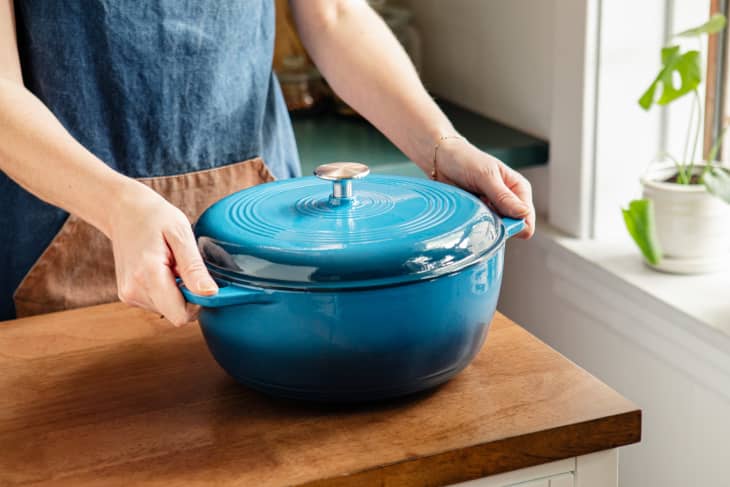

Top dutch oven picks at a glance
We tested dozens of models to identify the best dutch oven for specific cooking tasks. The following picks balance heat retention, durability, and ease of use based on performance metrics from Serious Eats, Wirecutter, and Bon Appétit.


As an Amazon Associate, we may earn from qualifying purchases.
Best Overall: Le Creuset Signature Round Dutch Oven (5.5-Quart) Le Creuset remains the benchmark for enameled cast iron. It distributes heat evenly and withstands high searing temperatures without warping. The enamel finish resists chipping better than most competitors, making it suitable for daily stewing and roasting.
Best Value: Lodge 6-Quart Essential Enameled Dutch Oven Lodge delivers 90% of the performance of premium brands at half the price. The thick cast iron holds heat effectively for slow braising. The enamel coating is durable enough for everyday use, though it requires slightly more care to maintain its finish compared to Le Creuset.
Best Premium: Staub 5.5-Quart Cocotte Staub’s matte black interior is ideal for browning meats and creating rich sauces. The unique lid features self-basting spikes that circulate moisture, reducing liquid evaporation during long cooks. It is the top choice for chefs prioritizing braising performance over aesthetic variety.
Raw cast iron vs. enameled cast iron
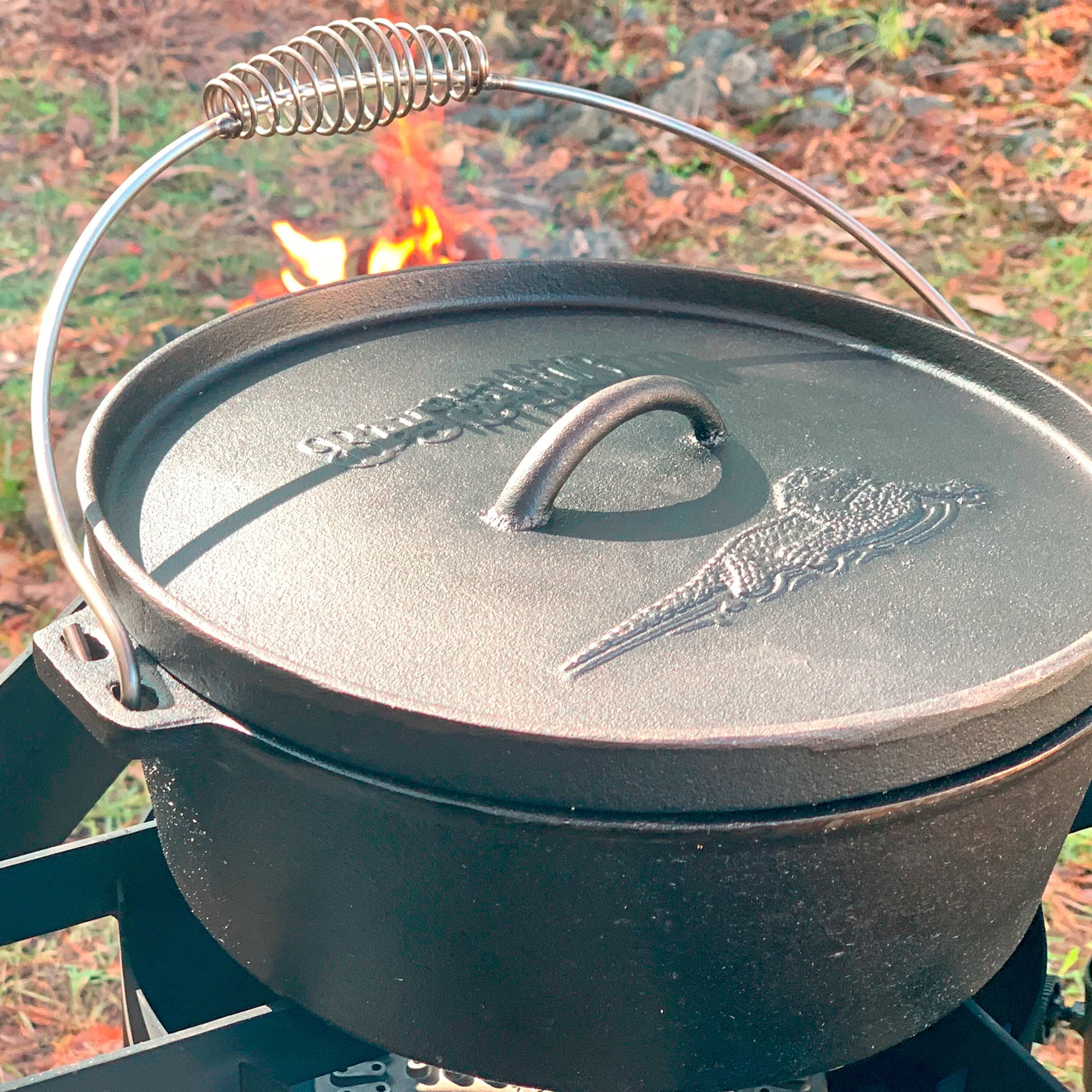
The primary difference between raw and enameled Dutch ovens comes down to the coating. Raw cast iron is bare metal that develops a polymerized seasoning layer over time, while enameled cast iron is coated with a glass-like porcelain layer fused to the metal at high heat. This coating fundamentally changes how the pot interacts with food, heat, and maintenance.
Performance and Maintenance Trade-offs
Raw cast iron excels at heat retention and searing. It is virtually indestructible and can withstand extreme temperature changes, making it ideal for high-heat tasks like frying cornbread or searing steaks. However, it requires regular seasoning and careful drying to prevent rust. It also reacts with acidic ingredients like tomato sauce or wine, which can strip the seasoning and impart a metallic taste if the pot is not well-seasoned.
Enameled cast iron eliminates the need for seasoning and is completely non-reactive. You can simmer acidic sauces, braise meats in wine, or cook yogurt without worrying about damaging the cookware or altering the flavor. The smooth surface is also easier to clean than raw iron. The trade-off is durability: the enamel can chip if struck with metal utensils or dropped, and it generally cannot handle the same extreme thermal shocks as raw iron.
Which Material Fits Your Cooking Style?
Choose raw cast iron if you prioritize durability, high-heat searing, and don’t mind the maintenance ritual. It is the better choice for outdoor cooking or heavy-duty daily use where the pot might take a beating. Choose enameled cast iron if you cook acidic dishes frequently, want a low-maintenance option, or prefer a pot that looks good on the table without needing to be seasoned.
| Feature | Raw Cast Iron | Enameled Cast Iron |
|---|---|---|
| Reactivity | Reacts with acids | Non-reactive |
| Maintenance | Requires seasoning | No seasoning needed |
| Durability | Virtually indestructible | Enamel can chip |
| Heat Retention | Excellent | Excellent |
| Cleaning | Hand wash only, dry immediately | Dishwasher safe |
| Best For | Searing, frying, outdoor use | Braising, acidic sauces |
Best enameled dutch oven options
Enameled cast iron offers a non-reactive cooking surface that simplifies cleaning and eliminates the need for seasoning. While it lacks the thermal mass of bare iron, modern enameled models provide excellent heat retention for braising and baking. The market splits clearly into premium European brands and durable American alternatives.
Le Creuset Signature Round 5.5-Quart
Le Creuset remains the industry benchmark for durability and heat distribution. Serious Eats and Wirecutter consistently rank this model as the top performer, noting its ability to sear meat and maintain a steady simmer without hot spots. The tight-fitting lid traps moisture effectively, making it ideal for long braises.
The enamel finish is thick and resistant to chipping, though the high price point reflects its brand prestige. For most home cooks, the 5.5-quart size is the sweet spot, handling family-sized roasts and large batches of soup with ease. The lid’s self-basting spikes return condensation to the food, reducing the need for added liquid.
Staub Cocotte 5.5-Quart
Staub takes a different approach with a matte black interior enamel that naturally darkens over time, helping to brown meats more effectively than white interiors. Its heavy, textured lid spikes create a superior self-basting loop, which is particularly useful for braising tough cuts of meat.
Wirecutter notes that Staub’s construction is slightly heavier than Le Creuset’s, which can make handling difficult for users with limited wrist strength. However, the ergonomic handles and tight seal make it a top contender for slow-cooked dishes. The vibrant exterior colors also resist staining better than some lighter enamel finishes.
Lodge 6-Quart Essential Enamel
Lodge offers the most accessible entry point into enameled cast iron. At a fraction of the cost of premium brands, it delivers solid performance for everyday tasks like boiling pasta or making chili. Serious Eats highlights its value, noting that while the enamel is thinner and more prone to chipping over years of use, it holds up well for casual cooking.
The 6-quart capacity provides extra room for large batches, and the lid fits securely enough for general braising. It lacks the refined heat distribution of Le Creuset or Staub, so users should monitor heat levels closely to prevent scorching. For budget-conscious cooks, it is a reliable workhorse.
Best raw cast iron dutch oven
Raw cast iron remains the most durable and budget-friendly option for cooks who prioritize heat retention over convenience. Unlike enameled versions, bare cast iron develops a polymerized seasoning layer that improves with use, making it naturally nonstick for certain tasks. This material choice eliminates the risk of chipping and allows for higher heat tolerance, which is essential for searing.
Performance testing highlights specific strengths for raw cast iron. Serious Eats notes that while enameled pots often win on even heating, raw cast iron excels in tasks requiring intense, steady heat, such as baking bread or searing meats. The Lodge 6-Quart Essential Cast Iron Dutch Oven is frequently cited as a reliable entry point, offering substantial mass for the price. It handles braising well, though it requires more maintenance than its enameled counterparts.
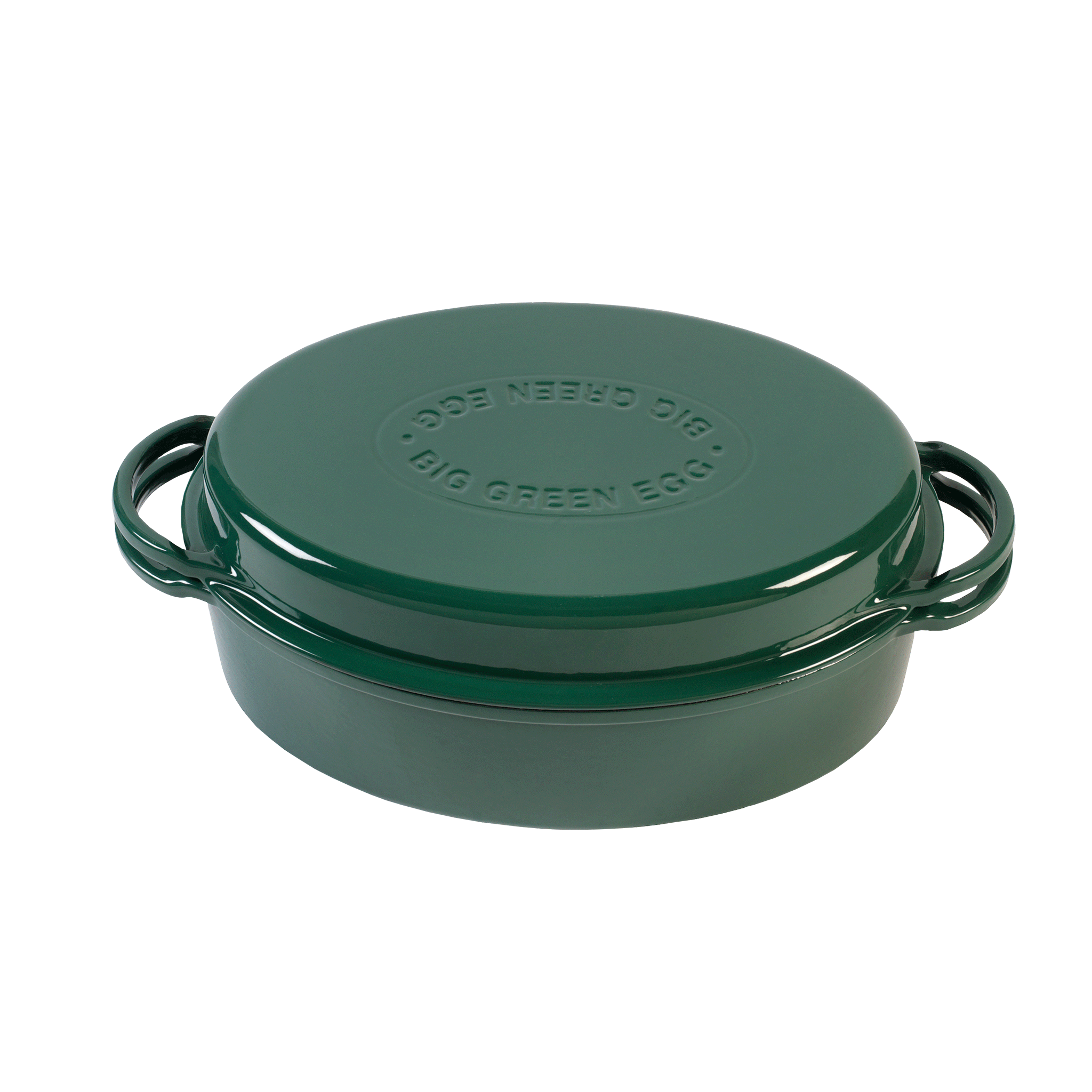
When choosing between raw and enameled, consider your cooking habits. Raw cast iron is ideal for high-heat searing and rustic baking but demands hand-washing and occasional oiling. Enameled cast iron offers easier cleanup and acid-resistant cooking but is more fragile and expensive. For those willing to invest time in seasoning, raw cast iron provides unmatched longevity and performance for basic, high-heat cooking tasks.
How to choose the right size
Selecting the correct quart size for a Dutch oven is a matter of matching volume to household capacity and cooking method. A pot that is too small risks boiling over or overcrowding ingredients, which prevents proper browning and leads to steamed rather than roasted textures. Conversely, an oversized pot creates excessive headspace, causing moisture to escape and drying out delicate dishes like braises.
5-Quart: The Standard Workhorse
A 5-quart Dutch oven is the industry standard for households of two to four people. It provides sufficient capacity for a whole chicken, a batch of chili, or a large loaf of bread without wasting energy heating empty space. Serious Eats notes that this size handles most weeknight dinners and standard recipes with ease, making it the most versatile choice for average families.
6-Quart: The Family Essential
For families of four to six, or for those who frequently cook in batches for freezing, a 6-quart model is the practical upgrade. The extra quart allows for larger roasts and more generous portions of pasta or soup. This size is particularly useful for baking artisan breads, where the extra room helps manage steam expansion during the initial rise phase.
8-Quart and Beyond: Batch Cooking
Models ranging from 8 to 10 quarts are designed for large gatherings, meal prepping, or cooking whole turkeys and hams. While essential for entertaining, these heavy vessels are often cumbersome for daily use. They require significantly more fuel and storage space, making them a secondary tool for most kitchens rather than a primary one.
Matching Size to Cooking Technique
The ideal size also depends on how you plan to use the pot. For braising, aim for a pot where the ingredients sit in a single layer with minimal gaps to ensure even heat distribution. For baking, the ratio of dough to pot surface area matters; a 5-quart pot is ideal for two standard loaves, while a 6-quart accommodates three. Always check the manufacturer’s maximum fill line to prevent spills during vigorous boiling.
Care and maintenance
Longevity depends on how you handle the two distinct material types. Raw cast iron requires a maintained polymerized oil layer to prevent rust and ensure non-stick performance. Enameled cast iron relies on a glass-like coating that resists acidity but remains vulnerable to thermal shock and chipping.
Cleaning raw cast iron
Avoid submerging raw cast iron in water or using harsh detergents, which strip the seasoning. Serious Eats recommends scrubbing with hot water and a stiff brush immediately after cooking while the pot is still warm. Dry it thoroughly on the stovetop over low heat, then apply a thin coat of neutral oil to the interior surface. This routine preserves the patina built up over years of use.
Cleaning enameled cast iron
Enameled pots can handle soap and gentle abrasives, but they cannot withstand sudden temperature changes. Wirecutter advises letting the pot cool completely before washing to prevent cracking the glass surface. For stubborn food residue, soak the pot in warm, soapy water rather than scrubbing aggressively. Avoid steel wool or scouring pads, which can scratch the enamel and expose the underlying iron to corrosion.
Storage and handling
Stacking heavy cookware inside a Dutch oven can chip the enamel or crack the seasoning. Store the pot alone or place a soft cloth between stacked items. Always handle with care; despite their durability, both types are heavy and prone to damage if dropped or slammed shut.
No comments yet. Be the first to share your thoughts!