
Top picks at a glance
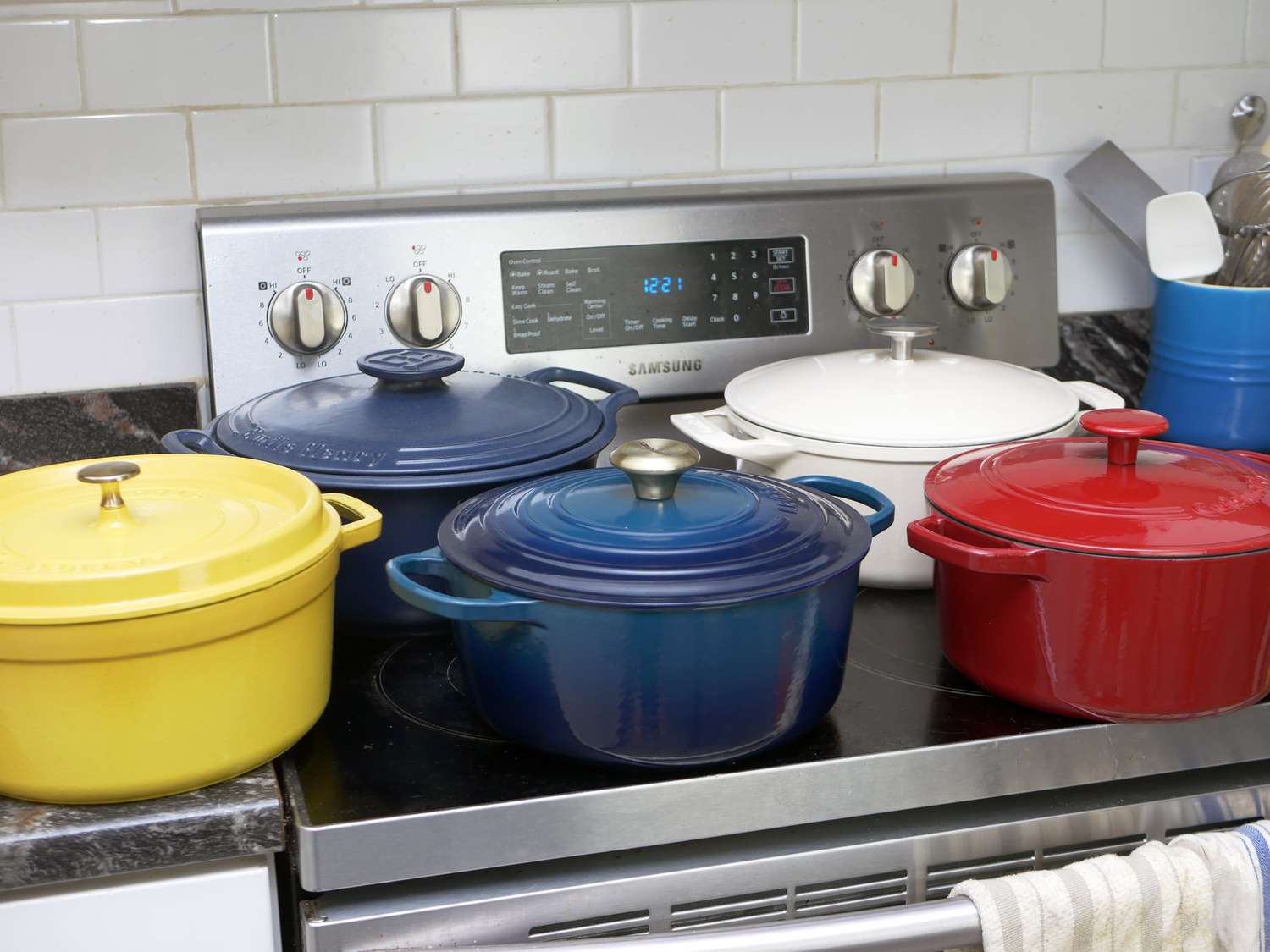
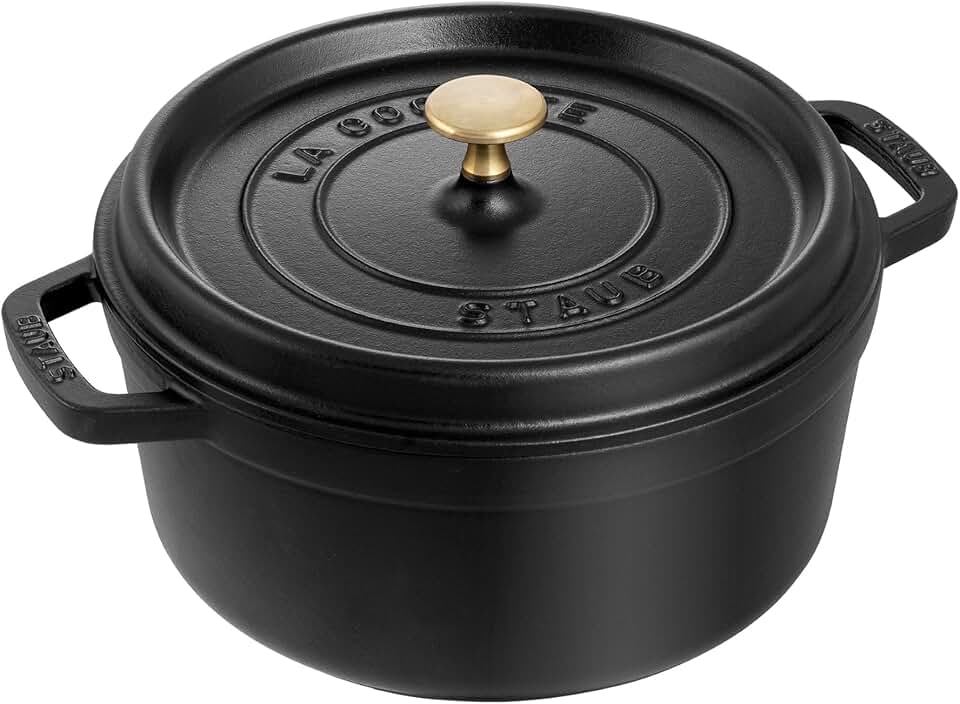
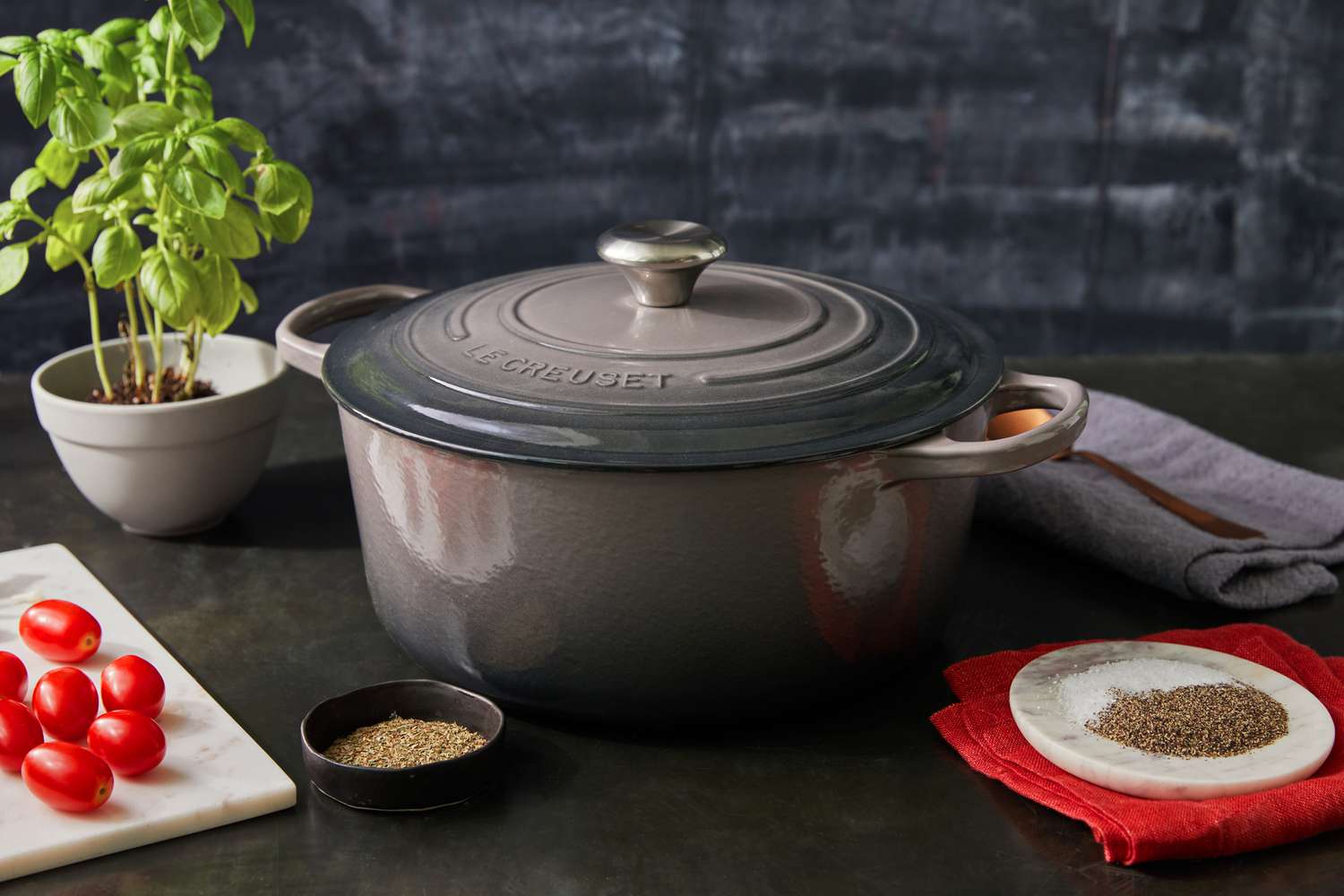
Finding the best dutch oven means balancing performance, durability, and budget. After extensive testing, three models stand out for different cooking needs. The Le Creuset Signature Enameled Cast-Iron 5½-Quart Round French Oven remains the gold standard for durability and heat retention, earning top marks from Wirecutter and Serious Eats for its superior enamel and lid fit. For those seeking a similar premium experience with a slightly different aesthetic, the Staub 5.5-Quart Cocotte offers excellent self-basting spikes and vibrant enamel colors, frequently cited by Bon Appétit as a top overall pick.
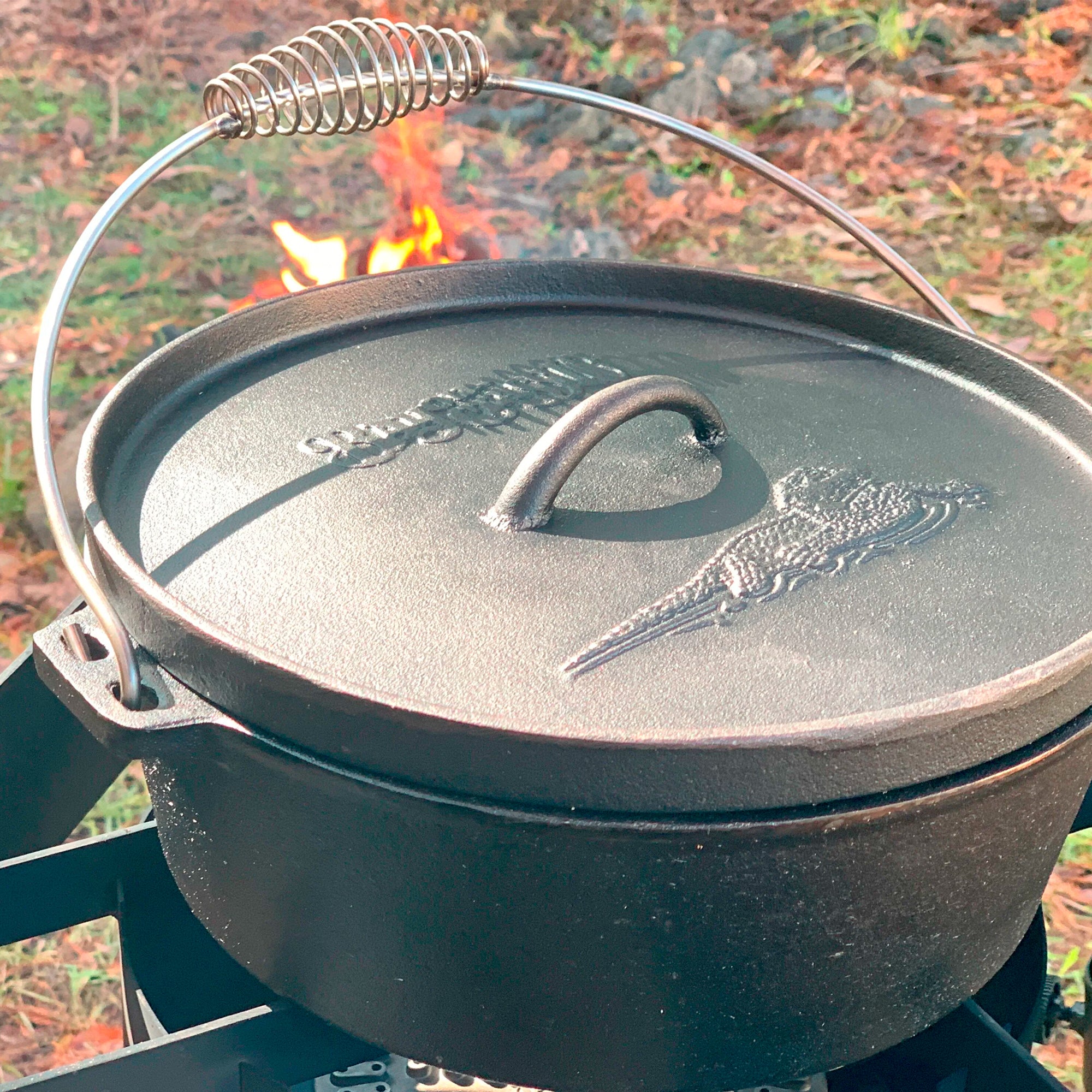
If you prefer raw cast iron for its unmatched searing capabilities and seasoning development, the Lodge 6-Quart Essential Cast Iron Dutch Oven provides professional-grade performance at a fraction of the cost. It is heavy, requires maintenance, but delivers exceptional value for bread baking and slow braising. For budget-conscious shoppers who still want enamel, the Lodge 6-Quart Essential Enamel is a reliable alternative that performs surprisingly well in tests, though the enamel may chip sooner than premium brands.


As an Amazon Associate, we may earn from qualifying purchases.
Cast iron vs. enameled dutch oven
The fundamental difference between bare and enameled cast iron comes down to the coating. Bare cast iron is uncoated metal that develops a natural nonstick patina over time. Enameled cast iron is coated with a glass-like layer fused to the metal during manufacturing. This enamel shell changes how the pot interacts with food, heat, and maintenance.
Bare cast iron
Bare cast iron is the traditional choice. It requires seasoning—a process of polymerizing oil on the surface—to create a nonstick barrier. This seasoning builds up with use, making the pot better over decades. It is incredibly durable and can withstand high heat, including broilers and open flames. However, it reacts with acidic foods like tomato sauce or wine, which can strip the seasoning and impart a metallic taste. It also requires hand washing and immediate drying to prevent rust.
Enameled cast iron
Enameled cast iron features a glass coating that eliminates the need for seasoning. The smooth interior is nonreactive, making it ideal for simmering acidic dishes like braises and stews without altering the flavor. It is generally easier to clean and does not rust. The trade-off is that the enamel can chip if struck with metal utensils or subjected to thermal shock. It is also typically more expensive than bare cast iron.
Comparison table
The following table highlights the key differences to help you choose the best dutch oven for your cooking style.
| Feature | Bare Cast Iron | Enameled Cast Iron |
|---|---|---|
| Nonstick | Requires seasoning | Glass coating (nonreactive) |
| Acidic foods | Not recommended | Safe |
| Maintenance | Dry immediately, re-season | Hand wash, no seasoning |
| Durability | Virtually indestructible | Can chip or crack |
| Heat tolerance | Very high | High (avoid thermal shock) |
| Cost | Lower | Higher |
Best enameled dutch oven picks
Enameled cast iron offers a non-reactive surface that handles acidic ingredients like tomatoes and wine without altering the flavor. The enamel coating also makes cleanup significantly easier than bare cast iron, as food rarely sticks and the pots are generally dishwasher safe. We tested the top contenders for even heating, lid fit, and durability to find the best dutch oven for your kitchen.
Le Creuset Signature Round Dutch Oven
Le Creuset remains the gold standard for enameled cast iron. Our testing confirmed that the 5.5-quart round model heats with exceptional uniformity, eliminating hot spots that can burn delicate sauces. The lid’s self-basting spikes circulate moisture effectively, keeping braises tender without constant monitoring. Wirecutter and Serious Eats both cite this pot as the most durable option available, with a glaze that resists chipping far better than cheaper alternatives. While the price is steep, the lifetime warranty and resale value make it a sound long-term investment.
Staub Cocotte
Staub takes a different approach with a matte black enamel interior that naturally develops a seasoning layer over time, enhancing its non-stick properties. The heavy, tight-fitting lid features unique conical knobs that drip condensation back into the food, making it ideal for slow-cooking stews and roasts. Bon Appétit named the 5.5-quart cocotte their top pick for its superior heat retention and sturdy handles. The exterior enamel comes in vibrant colors, though this aesthetic premium means a higher upfront cost. It is slightly heavier than Le Creuset, which can be a factor when lifting the pot from a hot oven.
Lodge 6-Quart Essential Enamel
For those seeking a budget-friendly alternative, Lodge offers reliable performance at a fraction of the price. The 6-quart size is generous for family meals, and the enamel coating is thick enough to withstand daily use without flaking. While it doesn’t match the precise lid fit or heating consistency of the premium brands, it handles basic braising and baking tasks competently. Serious Eats included this model in their best dutch oven roundup for its value proposition. It is a practical choice for casual cooks who want the benefits of enameled cast iron without the luxury markup.
Best bare cast iron dutch oven
If you want a pot that lasts for generations and requires no special coating care, bare cast iron is the way to go. These pots develop a natural nonstick surface over time through seasoning, and they handle extreme heat better than any other material. When we tested the best dutch oven options in this category, the Lodge Cast Iron 5-Quart Round Dutch Oven stood out as the clear winner for most home cooks.
The Lodge 5-quart model offers a generous cooking volume that fits a whole chicken or a large batch of chili, making it versatile for weeknight dinners and weekend projects. Its pre-seasoned finish comes ready to use, and the smooth interior helps food release easily once you’ve built up a few layers of seasoning. The lid is designed with a tight fit to retain moisture, which is essential for braising and slow-cooking tough cuts of meat. At a fraction of the price of enameled competitors, it delivers nearly identical heat retention and cooking performance.
For those who prefer a slightly larger capacity or want to prioritize even heat distribution, the Lodge 8-Quart Round Dutch Oven is the next best choice. It shares the same reliable construction and heavy-duty handles, but the larger size is better suited for large families or batch cooking. While it takes longer to heat up and cool down, that thermal mass is exactly what makes cast iron so good at maintaining a steady simmer. Both models are dishwasher safe, though hand-washing with mild soap and drying immediately will help preserve the seasoning longer.
How to choose your size
Selecting the right capacity is the most common mistake buyers make when hunting for the best dutch oven. Most home cooks assume a larger pot is always better, but a 7-quart vessel is cumbersome for a single person and difficult to store, while a 3-quart pot will overflow when cooking for a family of four. The ideal size balances your typical household size with the specific recipes you cook most often.
For most households of two to four people, a 5- to 6-quart round Dutch oven is the sweet spot. This size handles standard chicken roasts, batch soups, and large loaves of bread without taking up excessive shelf space. Serious Eats notes that the 5.5-quart round shape remains the most versatile option for everyday tasks like searing and stewing. If you frequently bake artisan bread, ensure the pot’s interior diameter is wide enough to accommodate a standard 1.5-pound dough ball without touching the lid.
Larger families or those who entertain regularly should look at 7- to 8-quart models. These are essential for batch cooking, large cuts of meat like whole turkeys, or making massive pots of chili. However, if you are cooking for one or two people with limited storage, a 3- to 4-quart oval or round pot is sufficient for small stews, risottos, or individual gratins. Avoid buying a size you only use once a year; it will just become a heavy paperweight.
Dutch oven care and maintenance
Keeping your best dutch oven in top shape requires different approaches depending on whether it’s bare cast iron or enameled. Both types are durable, but they have distinct maintenance needs.
New bare cast iron needs seasoning to build a non-stick surface. Apply a thin layer of oil and bake it upside down in a 450°F oven for an hour. Repeat this process two or three times before first use.
Use warm water, mild dish soap, and a soft sponge for enameled cast iron. Avoid abrasive scouring pads or steel wool, which can scratch the glass-like surface. For stubborn food, soak the pot in warm soapy water before washing.
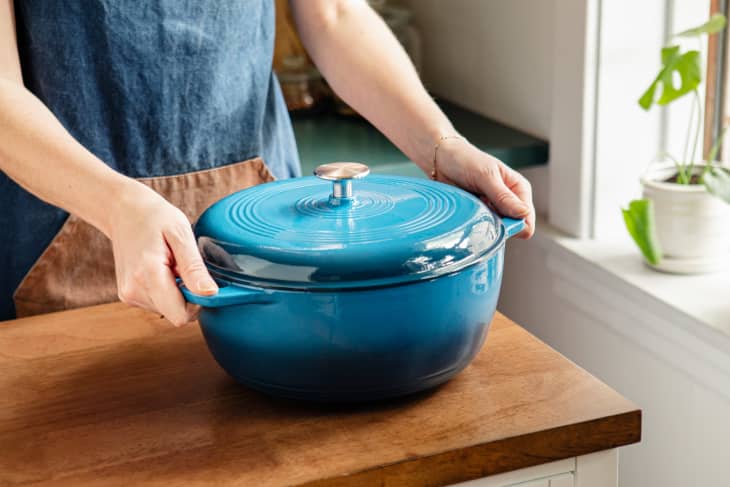
Always dry your dutch oven completely after washing to prevent rust on bare cast iron or water spots on enamel. Store it in a dry place with the lid slightly ajar to allow air circulation and prevent musty odors.
Both types of cookware benefit from occasional maintenance. Bare cast iron may need re-seasoning if food starts sticking, while enameled pots should be inspected for chips that could expose the underlying iron to rust.
No comments yet. Be the first to share your thoughts!