
The best dutch oven at a glance
Finding the best dutch oven depends on whether you prioritize heirloom durability or budget-friendly performance. Based on extensive testing, the Le Creuset Signature Enameled Cast-Iron 5½-Quart Round French Oven remains the gold standard. It offers superior heat retention and enamel durability, making it the best dutch oven for serious home cooks who want a pot that lasts a lifetime.
However, that premium comes with a steep price tag. For most households, the Lodge 6-Quart Essential Enamel Dutch Oven delivers nearly identical results for a fraction of the cost. It handles searing and stewing with aplomb, proving you don't need to spend a fortune for professional-grade results. If you prefer raw cast iron, the Lodge Cast Iron 5-Quart Round Dutch Oven is the undisputed champion of value and versatility.
Below, we break down our top picks by category to help you choose the right fit for your kitchen.
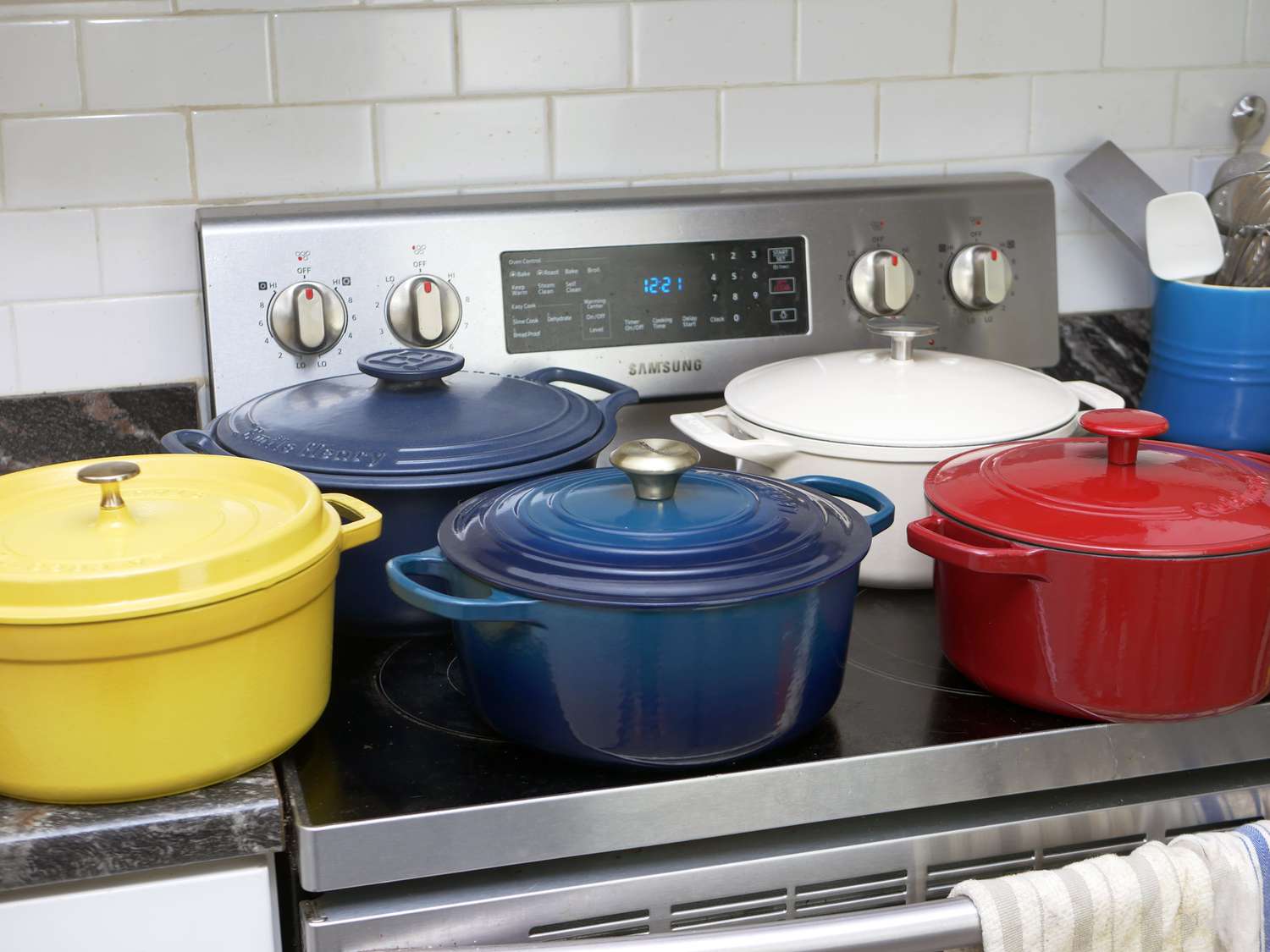


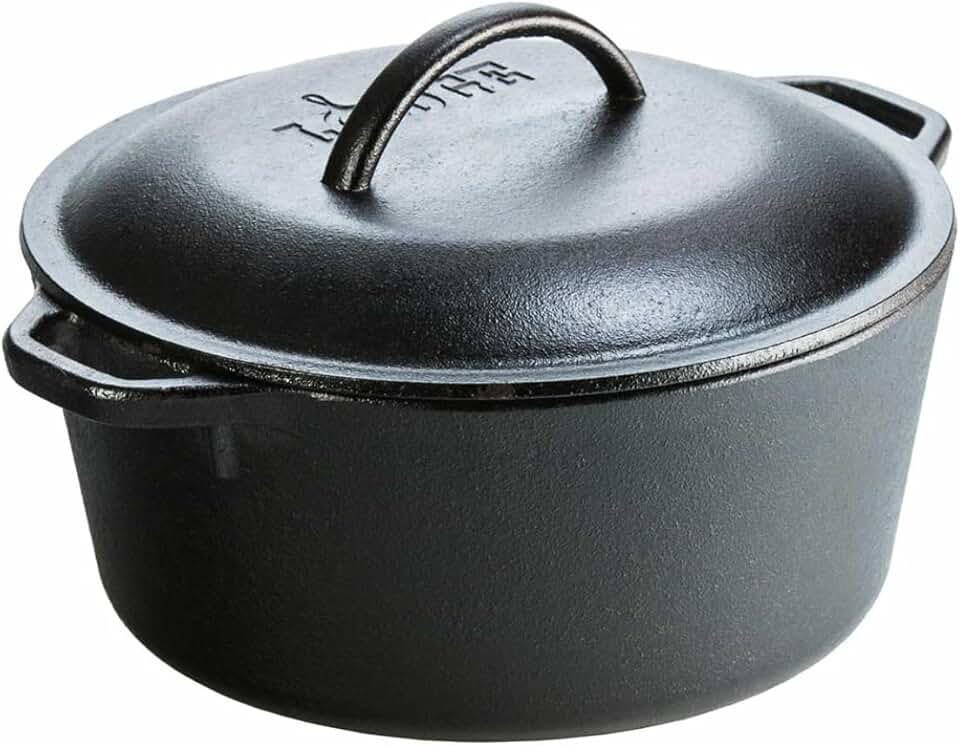
As an Amazon Associate, we may earn from qualifying purchases.
Cast iron vs enameled: which to choose
The choice between raw and enameled cast iron comes down to one question: do you want a tool that gets better with age, or one that stays pristine with minimal effort? Both types offer the same heavy-duty heat retention and durability, but their surfaces behave very differently in the kitchen. Understanding this fundamental difference will help you pick the best dutch oven for your actual cooking habits.
Raw cast iron is uncoated metal. It develops a natural non-stick layer called seasoning over time through polymerized oil. This surface is incredibly durable and can handle metal utensils, high-heat searing, and even outdoor campfires. However, it requires regular maintenance. You must dry it thoroughly after washing to prevent rust and occasionally re-season it to keep food from sticking. It is a partner that demands a bit of attention.
Enameled cast iron is coated with a glass-like layer fused to the metal at high temperatures. This coating makes the pot non-reactive, meaning you can simmer acidic dishes like tomato sauce or wine reductions without worrying about metallic tastes or damaging the pot. It is also much easier to clean and doesn’t require seasoning. The trade-off is that the enamel can chip if dropped or struck with metal utensils, and it generally cannot handle the extreme thermal shock that raw iron can.
| Feature | Raw Cast Iron | Enameled Cast Iron |
|---|---|---|
| Surface | Uncoated metal | Glass-like coating |
| Maintenance | Seasoning required, dry immediately | Dishwasher safe, no seasoning |
| Acidic Foods | Can react/metallic taste | Safe for tomatoes, wine |
| Durability | Indestructible, lasts generations | Can chip if dropped |
| Non-Stick | Improves with use | Consistent from day one |
If you cook acidic sauces frequently or hate the thought of seasoning a pot, enameled is the practical choice. If you value indestructibility and don’t mind a little routine care, raw cast iron is the better long-term investment.
Top enameled dutch oven picks
Enameled cast iron is the workhorse of the modern kitchen, offering the heat retention of traditional cast iron without the tedious seasoning process. The enamel coating creates a non-reactive surface that handles acidic ingredients like tomato sauce or wine without stripping the metal or altering the flavor. For most home chefs, this is the best dutch oven choice because it bridges the gap between professional performance and everyday convenience.
Le Creuset Signature Round Dutch Oven
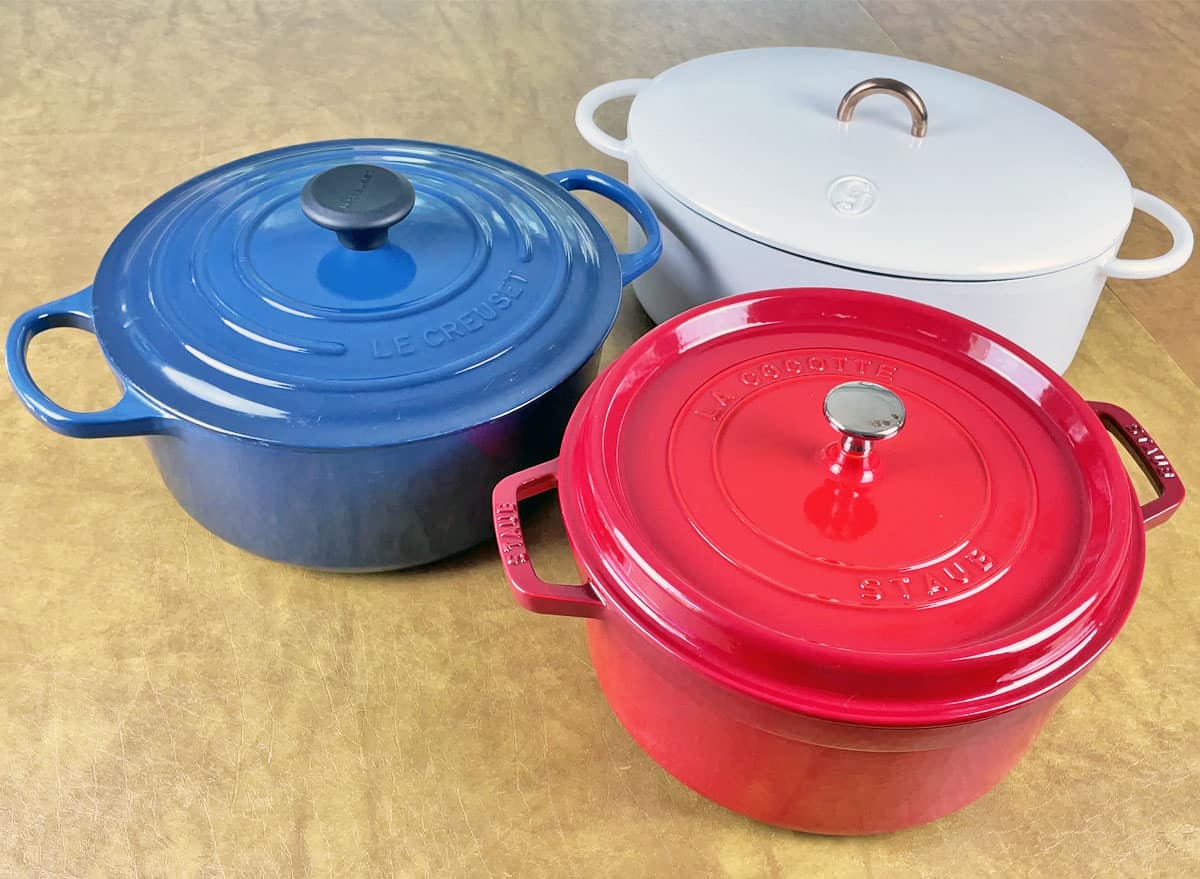
Le Creuset remains the gold standard for enameled cookware, and its 5.5-quart round oven is the model that dominates the market. It earned this reputation by acing rigorous tests for searing and stewing, proving that its thick enamel and precise lid fit deliver consistent results every time. The smooth interior enamel allows for easy stirring and deglazing, while the exterior comes in a wide array of colors that look good enough to sit on the table.
The lid design is a key differentiator. Le Creuset uses a smooth, tight-fitting lid that traps moisture effectively, making it ideal for slow braises where you want to retain juices. While some chefs prefer the self-basting spikes found on competitors, the Le Creuset’s simplicity ensures that heat distributes evenly without hot spots. It is durable, timeless, and holds its value well if you ever decide to resell it.
Staub Cast Iron Round Cocotte
Staub offers a compelling alternative with a focus on moisture circulation. Its signature black matte enamel interior is naturally non-stick and develops a patina over time that enhances browning. The lid features distinctive conical spikes on the underside that condense steam and drip it back onto the food, creating a self-basting effect that keeps meats moist during long cooks.
This design makes Staub particularly effective for dishes where moisture retention is critical, such as pot roasts or braised short ribs. The enamel is slightly rougher than Le Creuset’s, which some users find makes deglazing easier as food releases more readily. If you prefer a hands-off approach to braising where the lid does the work of basting, Staub’s cocotte is a top-tier contender.
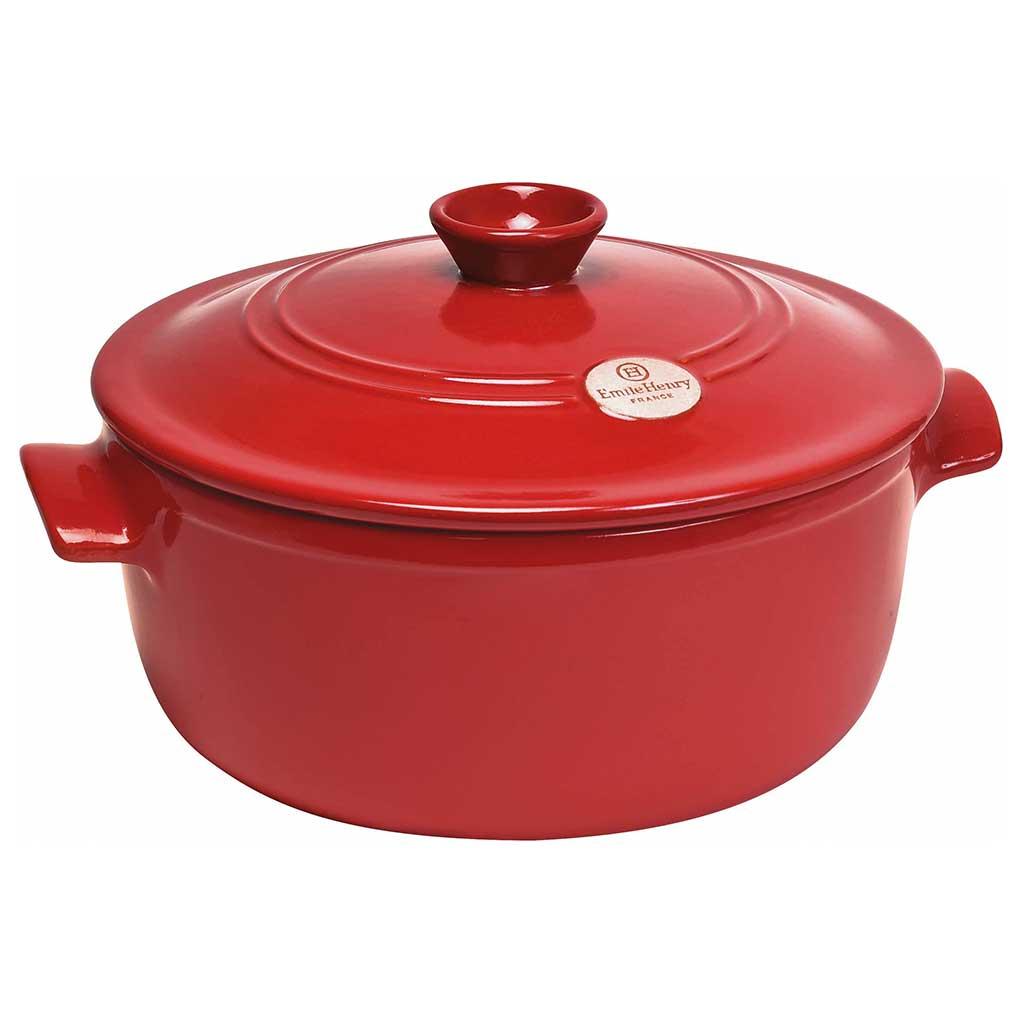
Emile Henry Flameware Dutch Oven
Not all enameled dutch ovens are made of cast iron. Emile Henry uses high-quality ceramic, known as Flameware, which is fired at extremely high temperatures to create a durable, non-porous surface. This material heats up faster than cast iron and cools down quickly, giving you more control over temperature-sensitive dishes like risottos or delicate stews.
The ceramic construction is also lighter than cast iron, making it easier to handle for those with wrist issues. However, it requires more care to avoid thermal shock—sudden temperature changes can crack the material. If you want a dutch oven that is gentle on acidic foods and offers quicker heating times, Emile Henry’s burgundy or cream models are excellent, budget-friendly alternatives to the heavyweights.
Best budget and raw cast iron options
If you prefer the classic feel of bare metal or simply want to keep costs down, raw cast iron remains the most practical choice for a best dutch oven. It requires a bit more attention than enameled versions, but the payoff is a pan that lasts generations and often costs half as much. You can build a natural nonstick seasoning layer over time, and if you scratch it, you can just sand and re-season it without worrying about chipping enamel.
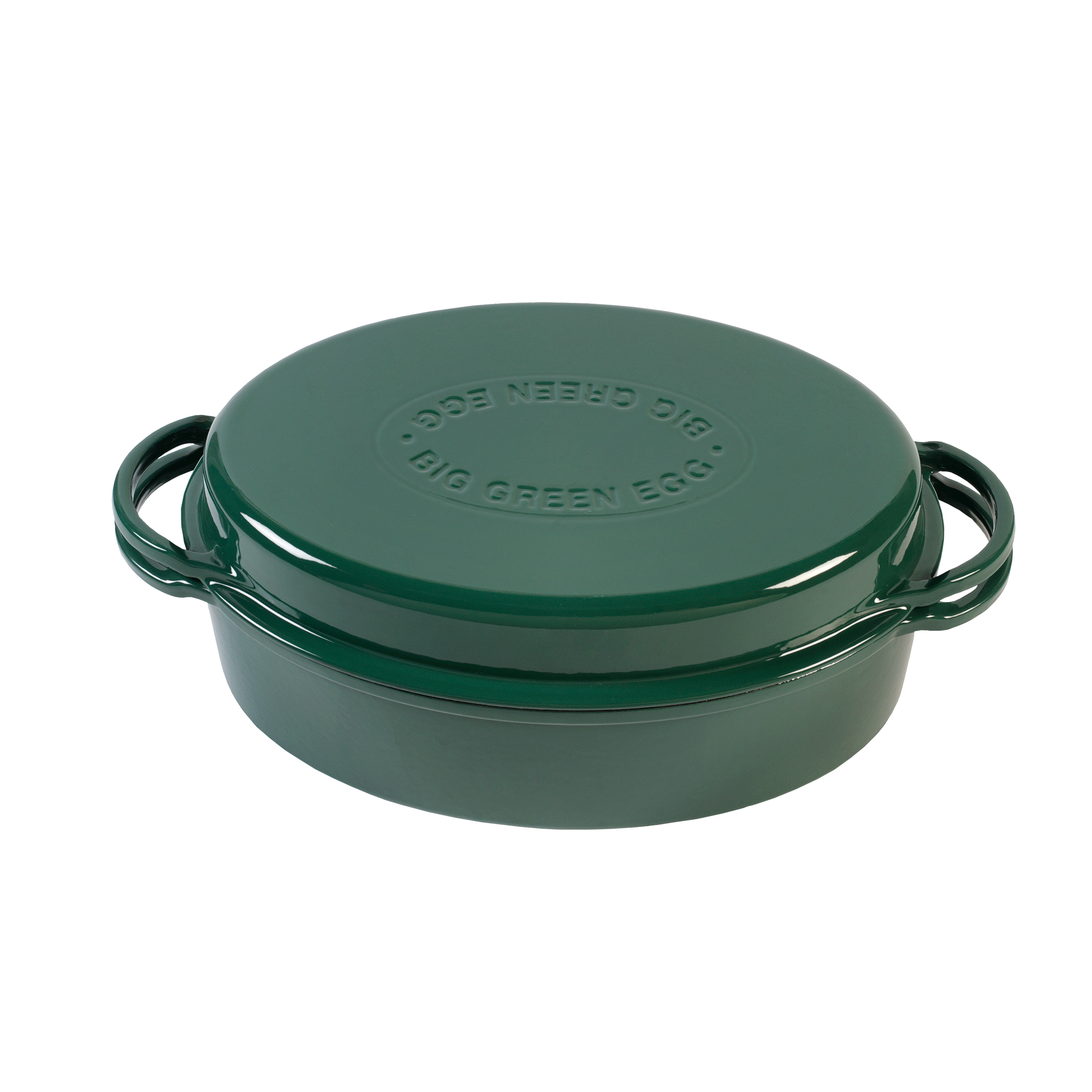
The Lodge Cast Iron 6-Quart Enameled Dutch Oven is a standout in the budget category, offering enamel durability at a price point that undercuts premium brands. However, for those who want the traditional experience, the Lodge Cast Iron 6-Quart Cast Iron Dutch Oven is the gold standard. It’s heavy, retains heat beautifully, and is available at most major retailers. This image shows a popular model often featured in budget roundups, highlighting the classic black finish and dual handles.
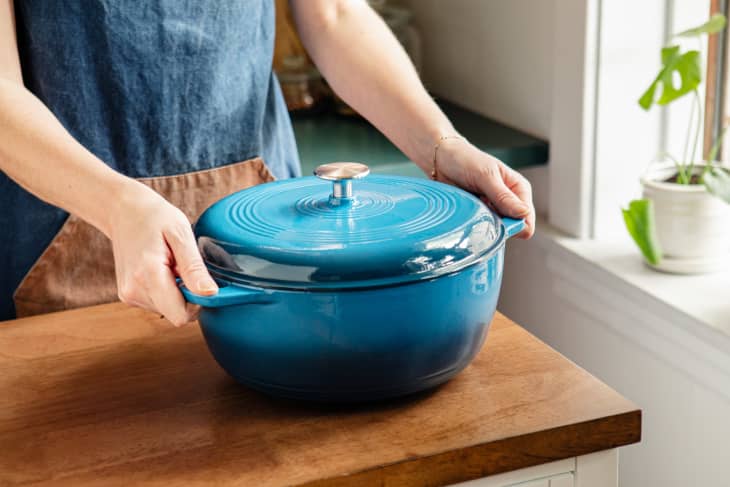
Raw cast iron also offers versatility that enameled pans can’t match. You can sear meat at higher temperatures without damaging a coating, and you can use metal utensils freely. The trade-off is maintenance: you must dry it thoroughly after washing to prevent rust and apply a thin layer of oil periodically. For many home cooks, this routine is part of the ritual, not a chore.
When comparing raw cast iron to budget enamel options, the decision often comes down to convenience versus longevity. Enameled budget pans are easier to clean but can chip if dropped. Raw cast iron is nearly indestructible but requires care. If you’re looking for a best dutch oven that will outlive you with minimal fuss, raw cast iron is the way to go.
How we tested dutch ovens
To find the best dutch oven for your kitchen, we put 12 top-rated models through rigorous, real-world cooking tests. We spent over 40 hours simmering, searing, and baking to evaluate performance under pressure. Our goal was to move beyond marketing claims and see how these pots actually behave in a home kitchen.
We focused on three critical factors: heat distribution, lid fit, and ease of cleaning. For heat distribution, we cooked a simple onion risotto in each pot. We looked for even browning and consistent simmering without hot spots that could scorch the bottom. A good dutch oven should hold heat steadily and distribute it evenly, whether you’re on an induction cooktop or in a conventional oven.
Lid fit was tested by placing a wet paper towel on the burner and setting the pot on top. We timed how long it took for the towel to dry, which indicates how well the lid seals in moisture. A tight seal is essential for braising and baking bread, as it traps steam to create tender results. Finally, we assessed cleaning by scrubbing each pot after cooking sticky dishes like cheese sauces and caramelized onions. We checked for enamel chipping, handle heat retention, and whether food stuck to the interior surface.
Dutch oven buying checklist
Picking the best dutch oven comes down to matching the pot to your actual cooking habits. Before you check out, run through these four quick checks to ensure your new pot fits your kitchen.
A tight-fitting lid is non-negotiable. Look for heavy, self-basting lids with ridges on the underside that trap steam and return it to the food. This moisture loop is what makes enameled cast iron so effective for braising and bread baking.
Cast iron gets heavy when full of food. Ensure the side handles are large enough to grip with an oven mitt and that the main handle is comfortable to lift. Some enameled models have smaller, more delicate handles that can be awkward to maneuver.
A 5- to 6-quart pot is the sweet spot for most families. It handles a whole chicken or a large batch of chili without being too bulky for daily use. Smaller 3-quart pots are great for singles, but the larger size is more versatile.
Enameled interiors are generally safe for all stovetops, including induction. Bare cast iron works on gas and electric but requires seasoning. If you have an induction cooktop, check the bottom of the pot for the induction symbol or a magnetic base.
No comments yet. Be the first to share your thoughts!