
The best dutch oven overall
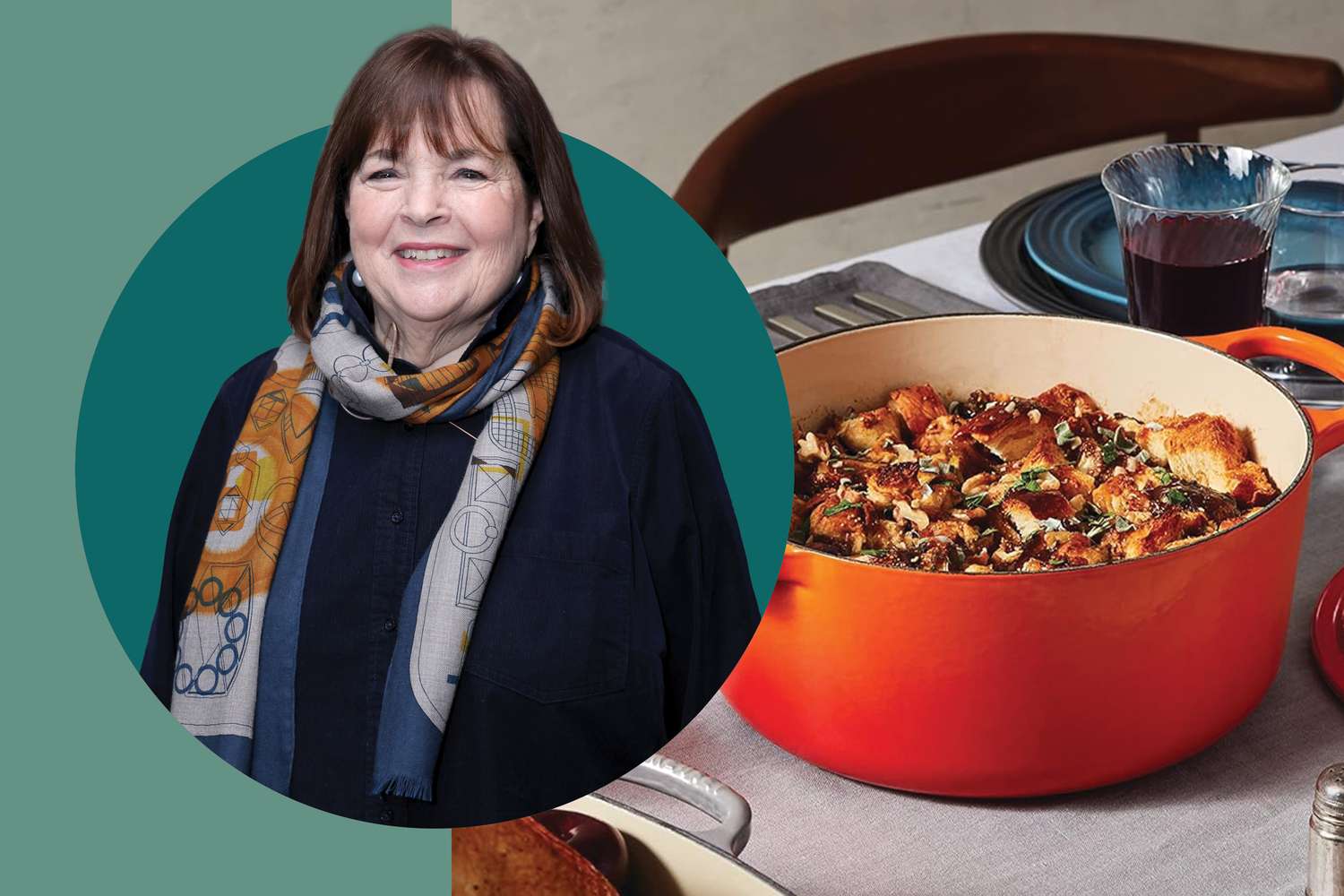
If you want a single pot that handles everything from searing steaks to baking bread, the Le Creuset 5.5-Quart Round Dutch Oven is the clear winner. It remains the gold standard for even heating and chip-resistant enamel, though Staub offers superior self-basting spikes. After rigorous testing, this model consistently outperformed competitors in searing and stewing tasks, making it the most durable option we’ve tested.
The heavy lid and tight seal lock in moisture, which is essential for slow-cooked dishes. While the price tag is steep, the construction quality justifies the investment for most home cooks. It’s the kind of tool you buy once and keep for decades.
For those on a tighter budget, the Lodge 6-Quart Essential Enamel is a strong alternative. It lacks the refined finish of Le Creuset but performs nearly as well for everyday cooking. If you’re looking for the absolute best dutch oven without compromise, stick with Le Creuset. If you need value, Lodge is the way to go.
Best value dutch oven
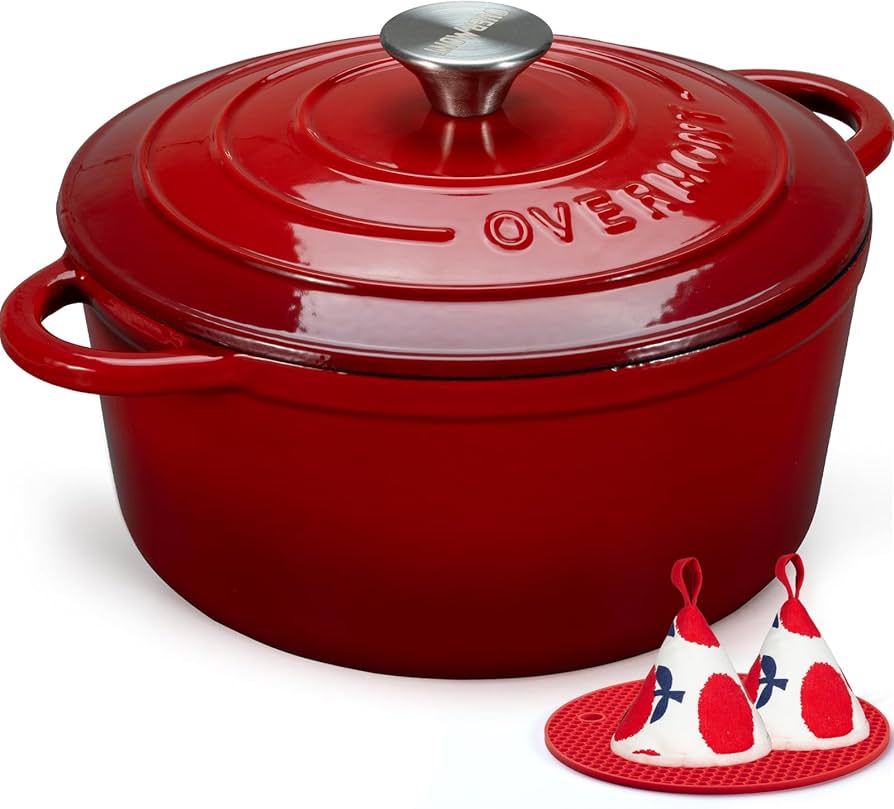
If you want a dutch oven that delivers restaurant-quality results without the premium price tag, the Lodge 6-Quart Essential Enamel Cast Iron Dutch Oven is the clear winner. It hits the sweet spot between affordability and performance, making it the best budget-friendly option for most home cooks.
While high-end brands like Le Creuset are legendary, Lodge has closed the gap significantly. This enameled cast-iron pot heats evenly, retains heat well, and handles everything from braising tough cuts of meat to baking crusty sourdough. The enamel coating is durable and chip-resistant, meaning you get the easy cleanup benefits of enamel without the steep cost.
The 6-quart size is the most versatile for a household, fitting a whole chicken or large batches of chili. It’s a workhorse that doesn’t skimp on core cooking performance, proving you don’t need to spend a fortune to cook better.

As an Amazon Associate, we may earn from qualifying purchases.
Enameled vs. bare cast iron
Choosing between enameled and bare cast iron comes down to one question: do you want a pan that cooks like non-stick or one that seasons like a heirloom? Both types are heavy, retain heat beautifully, and belong in the conversation for the best dutch oven for your kitchen. The difference lies in how they handle maintenance and what you plan to cook.
Bare cast iron is the traditional choice. It requires seasoning—a layer of polymerized oil—to build a natural non-stick surface. If you skip maintenance, it rusts. But once seasoned, it develops a patina that improves with age. It’s incredibly durable and can go from stovetop to open fire without worry. However, you can’t cook acidic foods like tomato sauce or wine reductions for long periods, as they will strip the seasoning and leave a metallic taste.
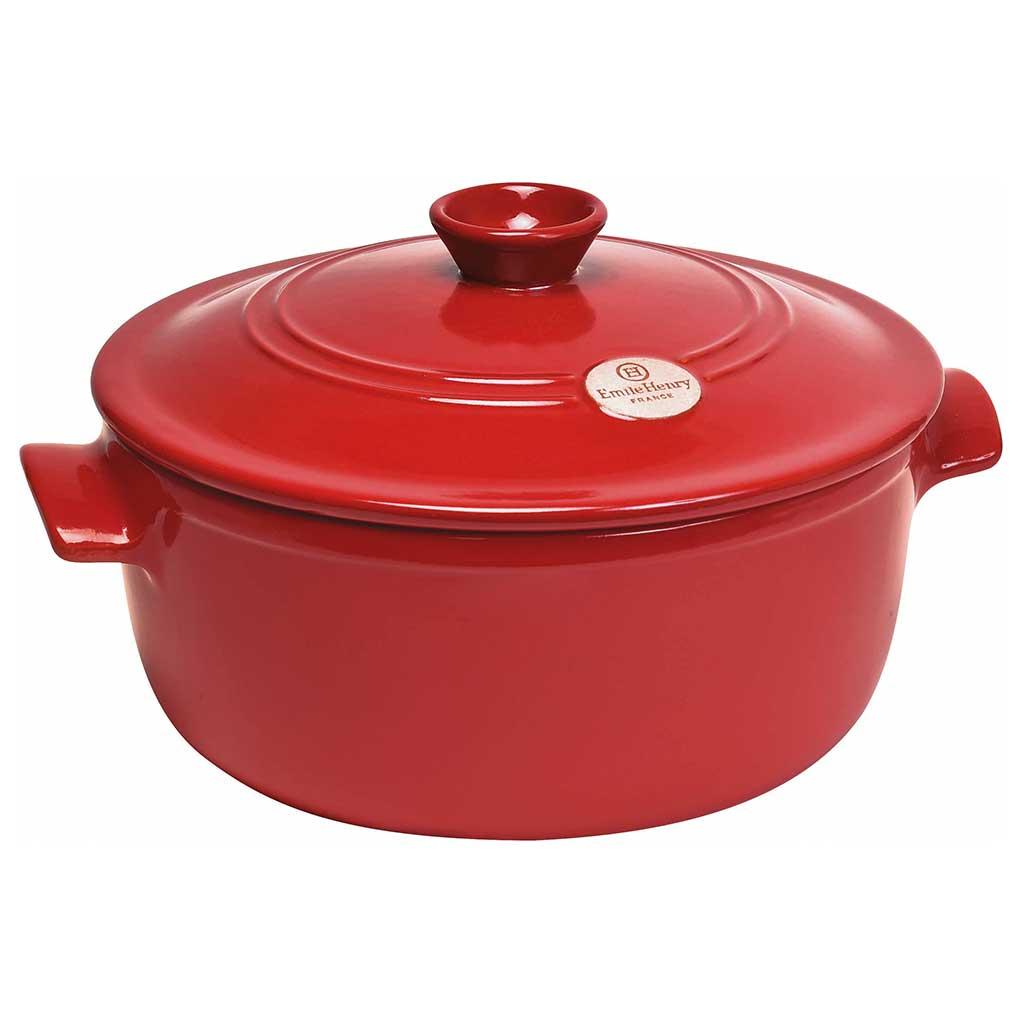
Enameled cast iron features a glass-like coating fused to the metal. This eliminates the need for seasoning and makes cleanup a breeze. You can simmer acidic sauces, bake bread, and wash it with soap without fear. The trade-off is fragility; the enamel can chip if dropped or struck with metal utensils, and it generally costs more upfront. It’s less about building a legacy and more about convenience and versatility.
Which one should you pick?
If you cook acidic dishes frequently, hate the idea of oiling your cookware, or want a pot that looks good on the table, enameled is the way to go. If you prefer rustic cooking, want a pan that lasts generations with minimal care, and don’t mind the ritual of seasoning, bare cast iron is your match.
| Feature | Enameled Cast Iron | Bare Cast Iron |
|---|---|---|
| Maintenance | Low: Dishwasher safe, no seasoning | High: Hand wash, dry, oil regularly |
| Acidic Foods | Yes: Safe for tomatoes, wine, vinegar | No: Can strip seasoning and alter taste |
| Durability | Medium: Enamel can chip if dropped | High: Indestructible if cared for |
| Seasoning | Not needed | Required: Builds non-stick patina |
| Price | Higher upfront cost | Lower upfront cost |
How we tested dutch ovens
We didn’t just look at specs; we put every candidate through the same kitchen routine. Our goal was to see which best dutch oven handles real-world cooking, from high-heat searing to long, slow braises. We tested both cast iron and enameled options to see if the price difference actually matters.
Heat distribution was our first checkpoint. We heated each pot on a standard gas range to see how evenly the bottom warmed. Hot spots can ruin a sauce, so we looked for consistent warmth across the entire base. We also checked the sides to ensure they didn’t stay cold while the bottom scorched.
Lid fit is often overlooked, but it’s critical for moisture retention. We placed each lid on the pot and checked for gaps. A tight seal traps steam, which is essential for tenderizing tough cuts of meat. We also tested how easy the lids were to lift and replace, noting any wobbling or difficult handles.
Durability testing involved repeated thermal shocks and cleaning. We moved pots from hot stovetops to cool surfaces to check for cracking or enamel chipping. After each test, we cleaned them according to manufacturer guidelines to see if they held up to daily use without losing their finish.
Choosing the right size
The most common mistake when buying a best dutch oven is picking a pot that’s too big. A massive 8-quart pot might look impressive, but it’s often overkill for everyday cooking and harder to handle when it’s full of heavy food. Most households do best with a 5.5- to 7-quart model, which handles family meals and large batches of soup without taking up excessive cabinet space.
Here is a quick guide to matching volume to your needs:
- 4 to 5 quarts: Ideal for couples or small families. This size fits a standard 3-4 pound chicken or a single batch of chili perfectly. It’s also lighter and easier to lift, making it a great choice if you have wrist issues or limited counter space.
- 5.5 to 7 quarts: The sweet spot for most households. This capacity handles a 5-6 pound chicken or feeds four to six people comfortably. It’s versatile enough for everything from weekend roasts to large batches of pasta sauce.
- 8 quarts and up: Best for large families, frequent entertainers, or batch cooks. If you regularly make huge pots of chili, stew, or bread for crowds, this size is necessary. However, be aware that these pots are heavy and require more storage room.
Think of it like shoes: a size 10 fits most adults, but if you have wide feet, you need a wider fit. Similarly, if you usually cook for two, a 4-quart pot will heat up faster and clean up quicker than a 7-quart beast. If you’re unsure, lean toward the 5.5- to 6-quart range—it’s the most flexible option for the majority of home cooks.
No comments yet. Be the first to share your thoughts!