
How we picked the best dutch oven
Finding a dutch oven that actually performs requires more than just looking at the price tag. We tested multiple cast iron and enameled models to see which ones could handle everything from searing steaks to slow-simmering stews. Our evaluation focused on three concrete areas: heat retention, lid fit, and handle ergonomics.
Heat retention is the primary job of a dutch oven. We checked how evenly each pot distributed temperature and how well it held that heat once removed from the burner. A thick, heavy bottom is non-negotiable for consistent cooking results. We also scrutinized the lid fit. A tight seal traps moisture, which is essential for braising and baking bread. If the lid rattles or lets steam escape, you lose the cooking environment you’re trying to build.
Handle comfort matters just as much as performance. You’ll be lifting these pots in and out of a 500°F oven, so the side handles need to stay cool and provide a secure grip. We tested various sizes, including the popular 5.5-Quart and 6-Quart models, to ensure they felt manageable for most home cooks.
We compared top contenders like the Le Creuset 5.5-Quart Round Dutch Oven and the Lodge 6-Quart Essential Enamel Dutch Oven against each other in real-world scenarios. The goal was to identify which options deliver the best overall value and performance without unnecessary frills.

As an Amazon Associate, we may earn from qualifying purchases.
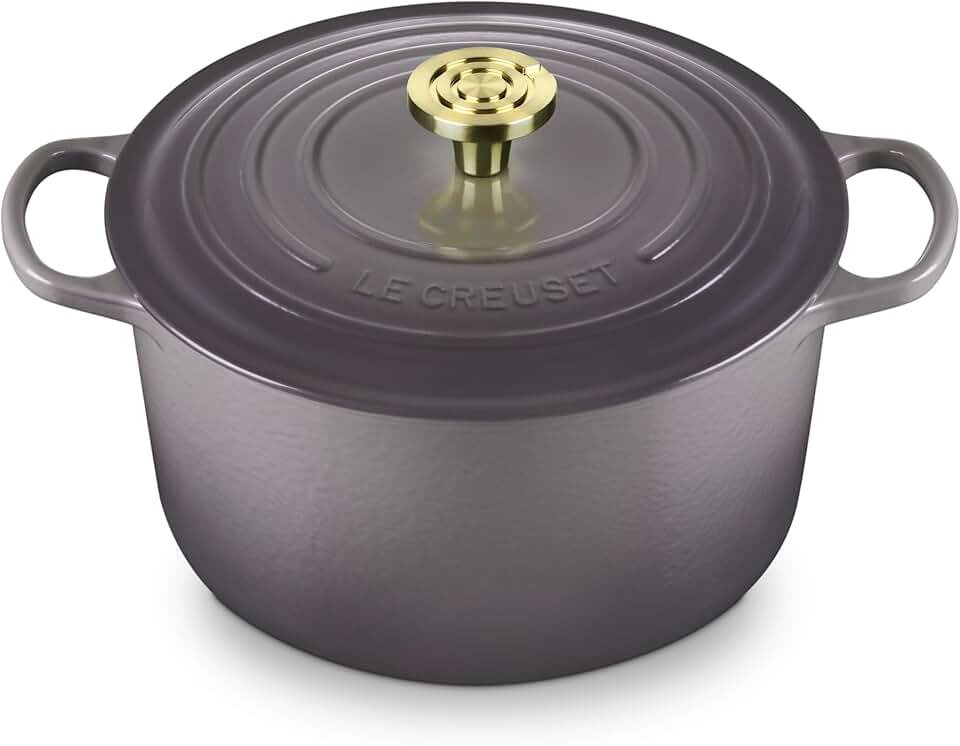
Best overall dutch oven: Le Creuset 5.5-Quart
The Le Creuset 5.5-Quart Round Dutch Oven remains the benchmark for serious home cooks, and for good reason. It consistently tops our testing lists because it handles high-heat searing and slow-simmering stews with equal grace. Unlike cheaper alternatives that develop hot spots or chip easily, this pot distributes heat evenly and retains it for hours, making it the workhorse of any kitchen.
Durability is where this investment truly pays off. The enamel coating is thick and resistant to chipping, meaning you can go years without worrying about rust or flaking. The lid fits snugly, locking in moisture so your braises stay tender and flavorful. While the price tag is higher than other options, the build quality justifies the cost for anyone who cooks regularly.
The 5.5-quart size is the sweet spot for most families, fitting a whole chicken or enough pasta for four to six people. If you entertain often, the 7-quart version offers extra capacity, but the 5.5-quart is the most versatile. You can find it in a variety of colors, allowing you to pick a shade that matches your kitchen aesthetic.

As an Amazon Associate, we may earn from qualifying purchases.
Best value enameled dutch oven: Lodge 6-Quart
If you want the performance of a premium enameled cast iron pot without the steep price tag, the Lodge 6-Quart Enameled Cast Iron Dutch Oven is the clear choice. It has earned its reputation as the best value option in the category, offering a moisture-sealing lid and dual helpers handles that rival much more expensive brands.
The enamel coating is smooth and easy to clean, resisting stains and odors better than uncoated cast iron. While it may not have the hand-finished polish of a Le Creuset, the Lodge performs identically for everyday tasks like braising meats, baking bread, or simmering soups. It is a workhorse that fits comfortably into any kitchen routine.
For those watching their budget, this pot delivers 90% of the premium experience for a fraction of the cost. It is the smart pick for home cooks who want durability without the designer markup.

As an Amazon Associate, we may earn from qualifying purchases.
Best for baking: Staub Cast Iron Cocotte
Staub’s design philosophy centers on baking and braising, distinguishing it from the glossy, smooth interiors of competitors like Le Creuset. The secret lies in the interior: Staub coats the inside in a matte black enamel that naturally darkens with use. This surface creates a superior fond, allowing for deeper browning on meats and a more rustic crust on breads.
The lid features unique self-basting spikes on the underside. As steam rises during cooking, these spikes condense the moisture and drip it back onto the food. This closed-loop system keeps roasts and stews moist without the need for frequent lid-lifting, which helps maintain a consistent oven temperature. For bread baking, this retention of humidity is critical for achieving that signature open crumb structure.
While the matte interior requires a bit more care to keep looking its best compared to white enamel, the performance payoff is significant. The heavy lid and tight seal make it an excellent vessel for no-knead breads, where steam management is everything. If your primary goal is artisan-style baking and rich braises, Staub is the specialist’s choice.


As an Amazon Associate, we may earn from qualifying purchases.
Enameled vs. bare cast iron dutch oven
Choosing between enameled and bare cast iron comes down to how you cook and how much effort you want to put into maintenance. Both styles retain heat exceptionally well, but their surfaces behave differently under pressure. If you frequently cook acidic dishes like tomato sauces or wine braises, enameled cast iron is the safer bet. The glass-like coating prevents the metal from reacting with acid, which can strip the seasoning on bare iron and impart a metallic taste to your food.
Bare cast iron, however, develops a natural non-stick patina over time. This seasoning layer makes it superior for searing steaks, frying chicken, or baking rustic breads where a crispy crust is the goal. It is also significantly lighter and cheaper than its enameled counterparts, making it a practical choice for everyday use or camping. The trade-off is that bare iron requires hand-washing, immediate drying, and occasional oiling to prevent rust.
Comparison at a glance
The table below breaks down the practical differences to help you decide which surface suits your kitchen habits.
Top picks for your needs
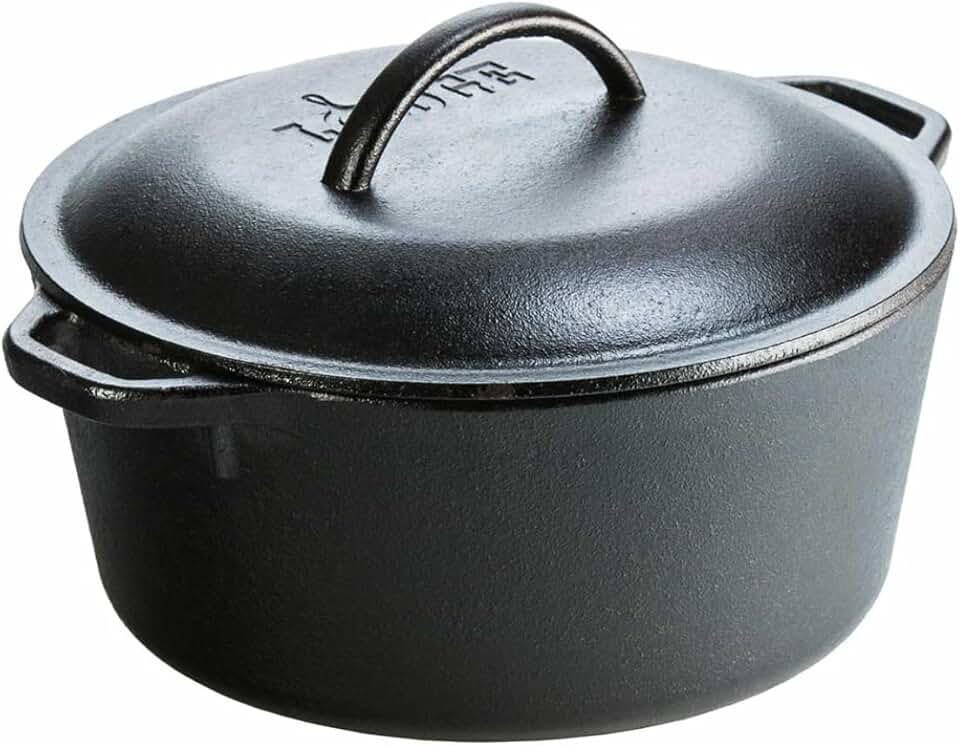
For most home cooks, the Le Creuset Signature 5.5-Quart Round Dutch Oven is the gold standard for enameled options. Its vibrant colors and tight-fitting lid make it a centerpiece for braises and stews without the hassle of seasoning. If you prefer the rustic charm and superior searing capability of bare iron, the Lodge Cast Iron Dutch Oven offers incredible value. It is heavy, durable, and ready to use right out of the box, provided you don't mind the occasional oiling.

As an Amazon Associate, we may earn from qualifying purchases.
Dutch oven buying checklist
Before you commit to a purchase, run through these four quick checks. A Dutch oven is a long-term kitchen investment, so getting the basics right ensures it fits your cooking style and household needs.
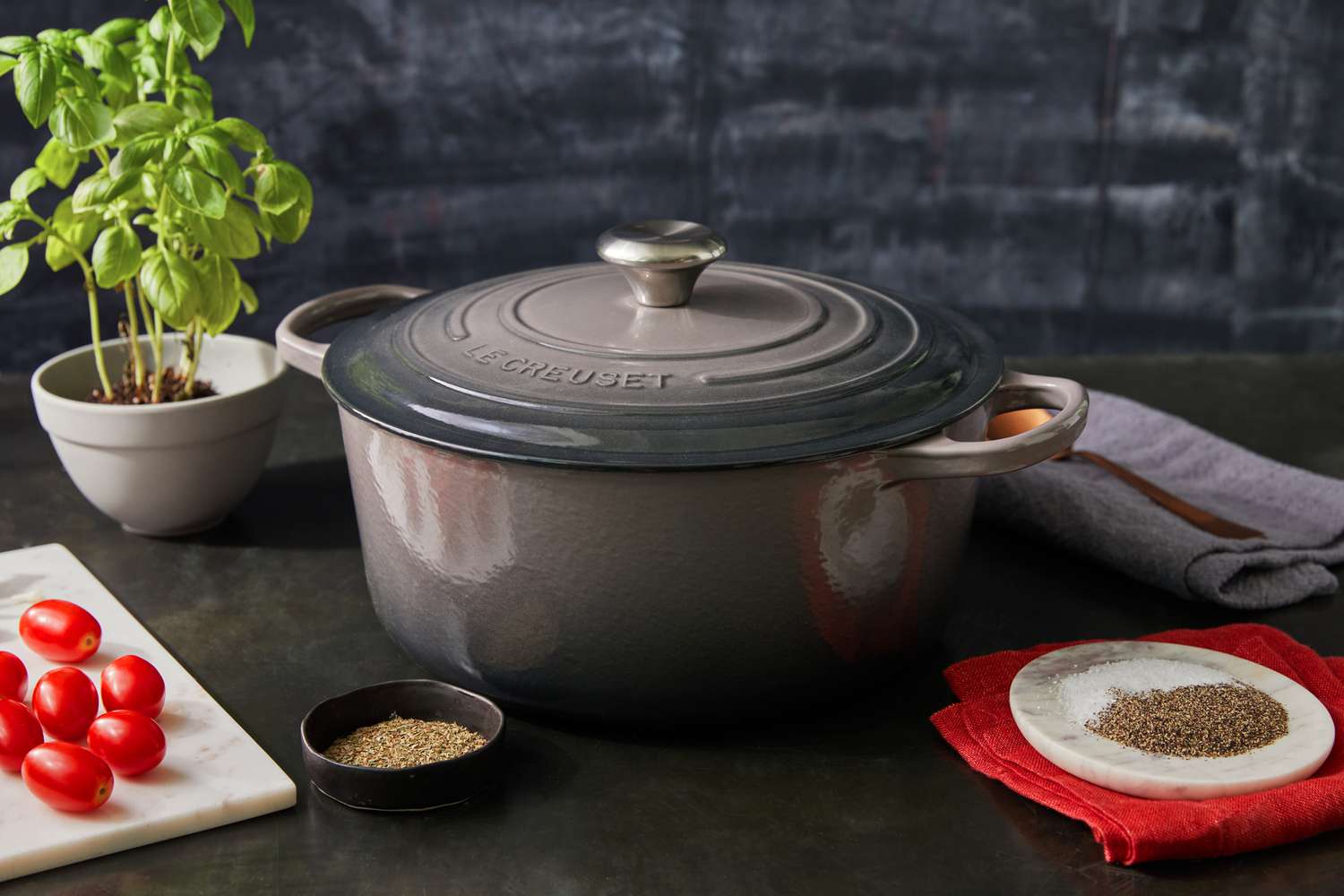
Most households do best with a 5.5-quart or 6-quart round Dutch oven. This capacity handles family-sized roasts, large batches of chili, and even bread baking without taking up excessive shelf space. If you cook for one or two people, a 3.5-quart model is sufficient, but 5.5 to 6 quarts is the versatile sweet spot.
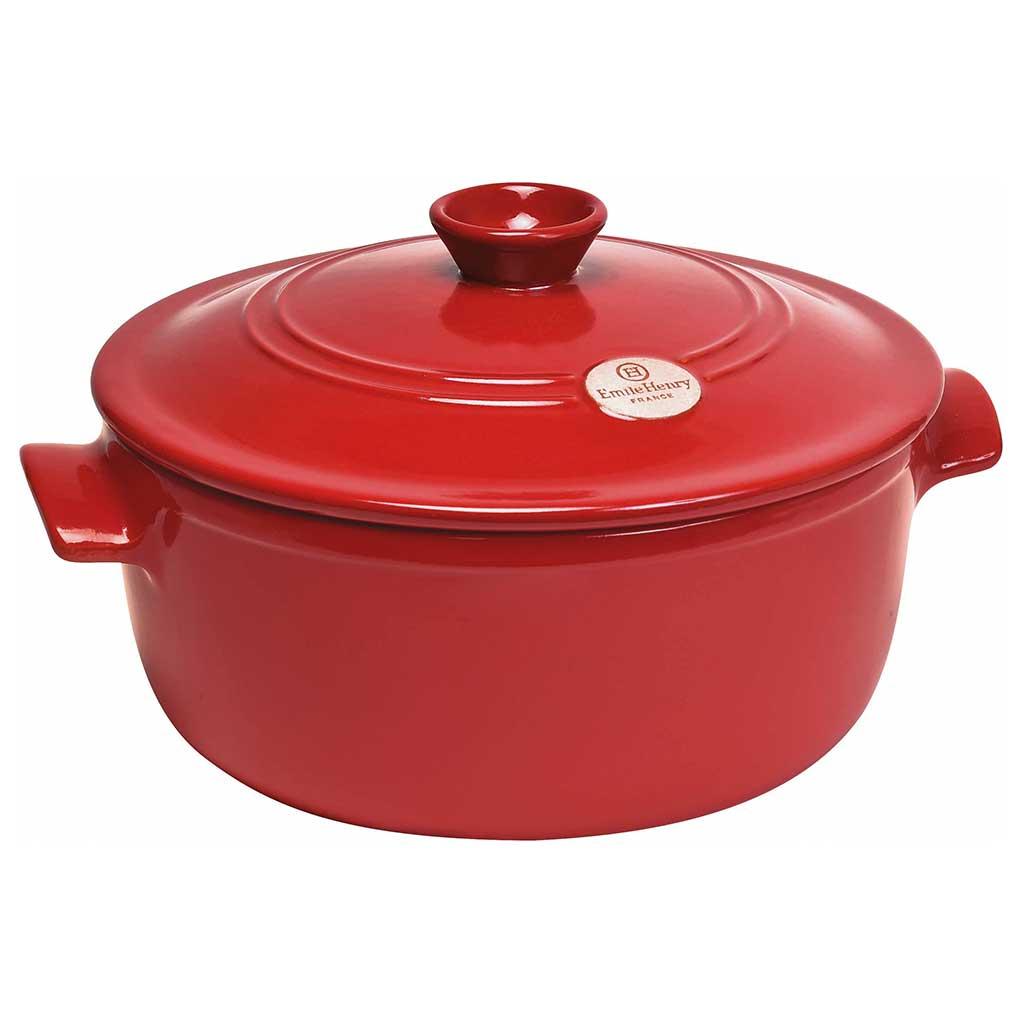
A tight seal is non-negotiable for moist-heat cooking like braising. Look for lids with heavy rims or self-basting spikes that trap condensation and return it to the food. When you place the lid on the pot, it should sit flush without wobbling; gaps let steam escape and dry out your meals.
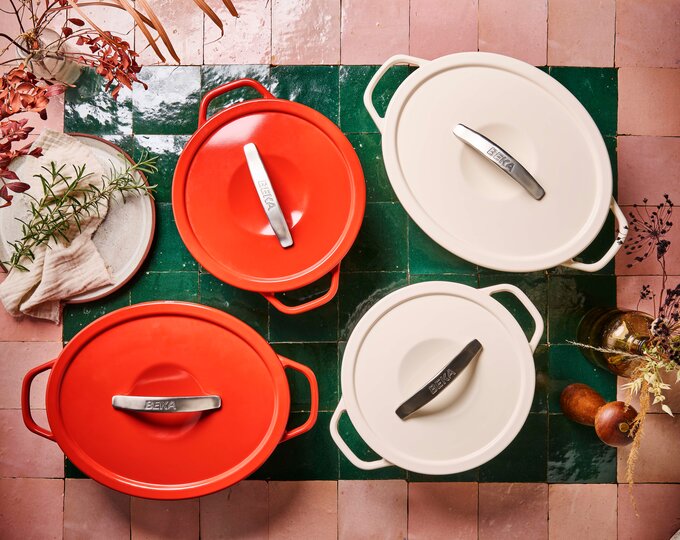
Cast iron is heavy, especially when filled with food. Ensure the side handles are easy to grip with oven mitts and that the main knob is secure. Some knobs are plastic and not oven-safe above 500°F, so check the manufacturer’s specs if you plan to use the pot for high-heat searing or bread baking.
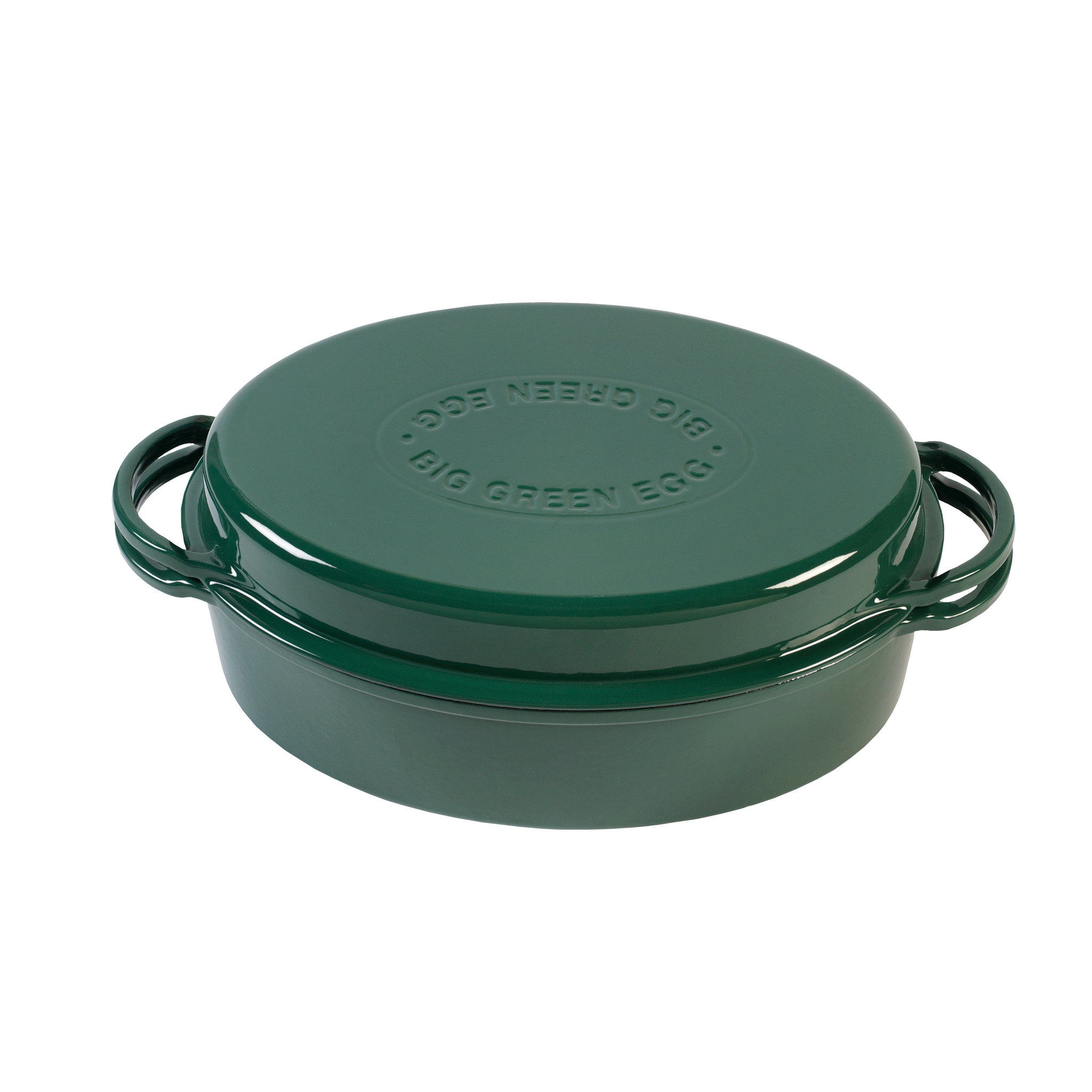
Not all Dutch ovens can handle the same heat. Most enameled cast iron models, like the Le Creuset 5.5-Quart Round Dutch Oven, are safe up to 500°F. Lodge enameled options often have slightly lower limits. Always check the maximum temperature rating before using your Dutch oven under a broiler or for high-heat roasting.

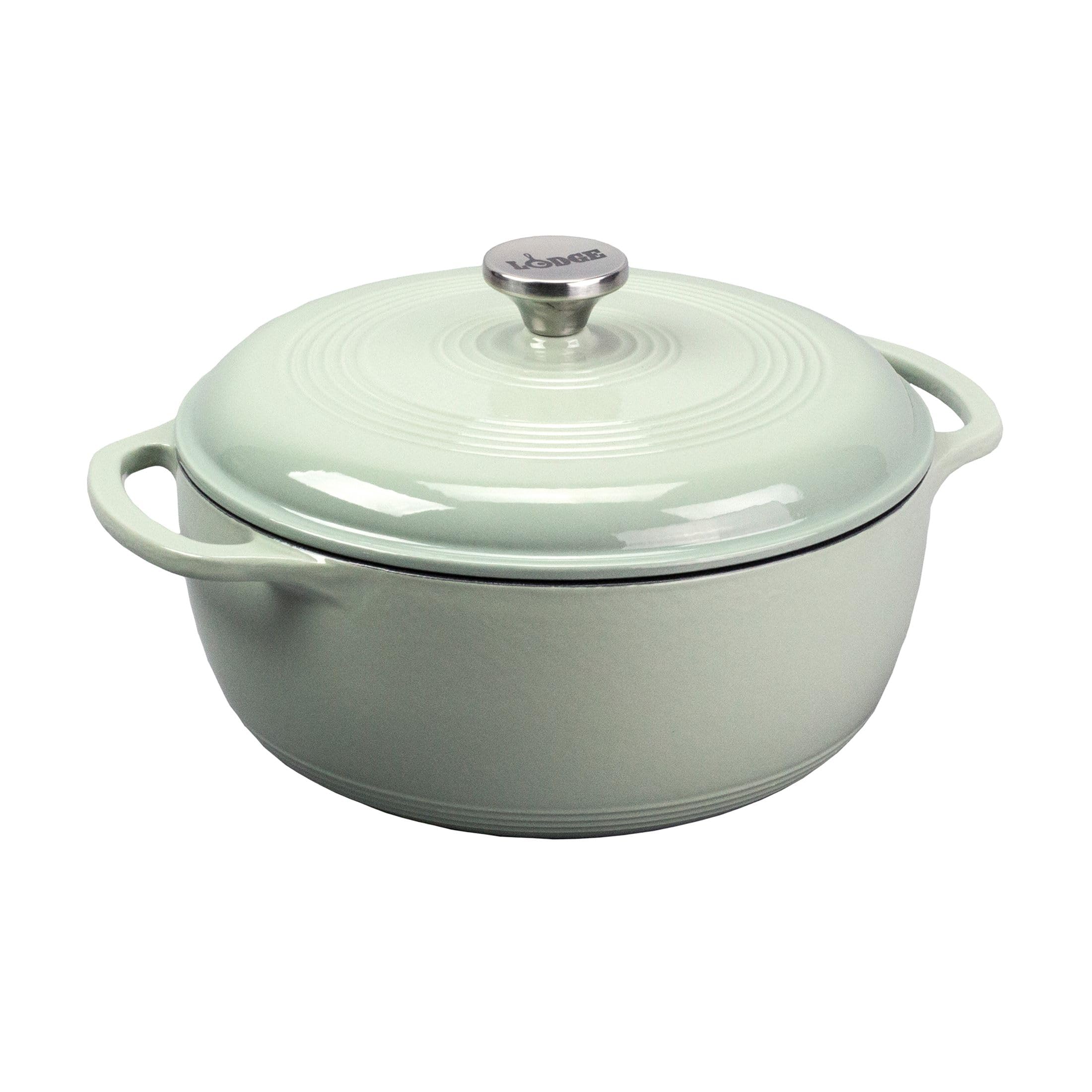

As an Amazon Associate, we may earn from qualifying purchases.
Common questions about dutch ovens
Can you put enameled cast iron in the dishwasher?
While the enamel coating protects the iron from rust, most manufacturers advise against using the dishwasher. The harsh detergents and high heat can dull the glossy finish over time and cause the enamel to craze or chip. Hand washing with warm, soapy water and a soft sponge is the safest way to keep your Le Creuset 5.5-Quart Round Dutch Oven or Lodge 6-Quart Essential Enamel looking new.
How long does a dutch oven last?
A high-quality cast iron or enameled dutch oven is a lifetime investment. If you maintain the seasoning properly, bare cast iron can last for generations. Enameled versions, like the Le Creuset 5.5-Quart, are also extremely durable but require careful handling to avoid chipping the glass-like coating. With proper care, these pots can easily outlast your grandchildren.
Is cast iron better than stainless steel?
Cast iron excels at heat retention and even cooking, making it ideal for slow braises and stews. Stainless steel heats up faster and is lighter, but it doesn’t hold heat as well. For the best overall performance in hearty dishes, cast iron remains the top choice among serious home cooks, as seen in our reviews of the Lodge 6-Quart Essential Enamel.
No comments yet. Be the first to share your thoughts!