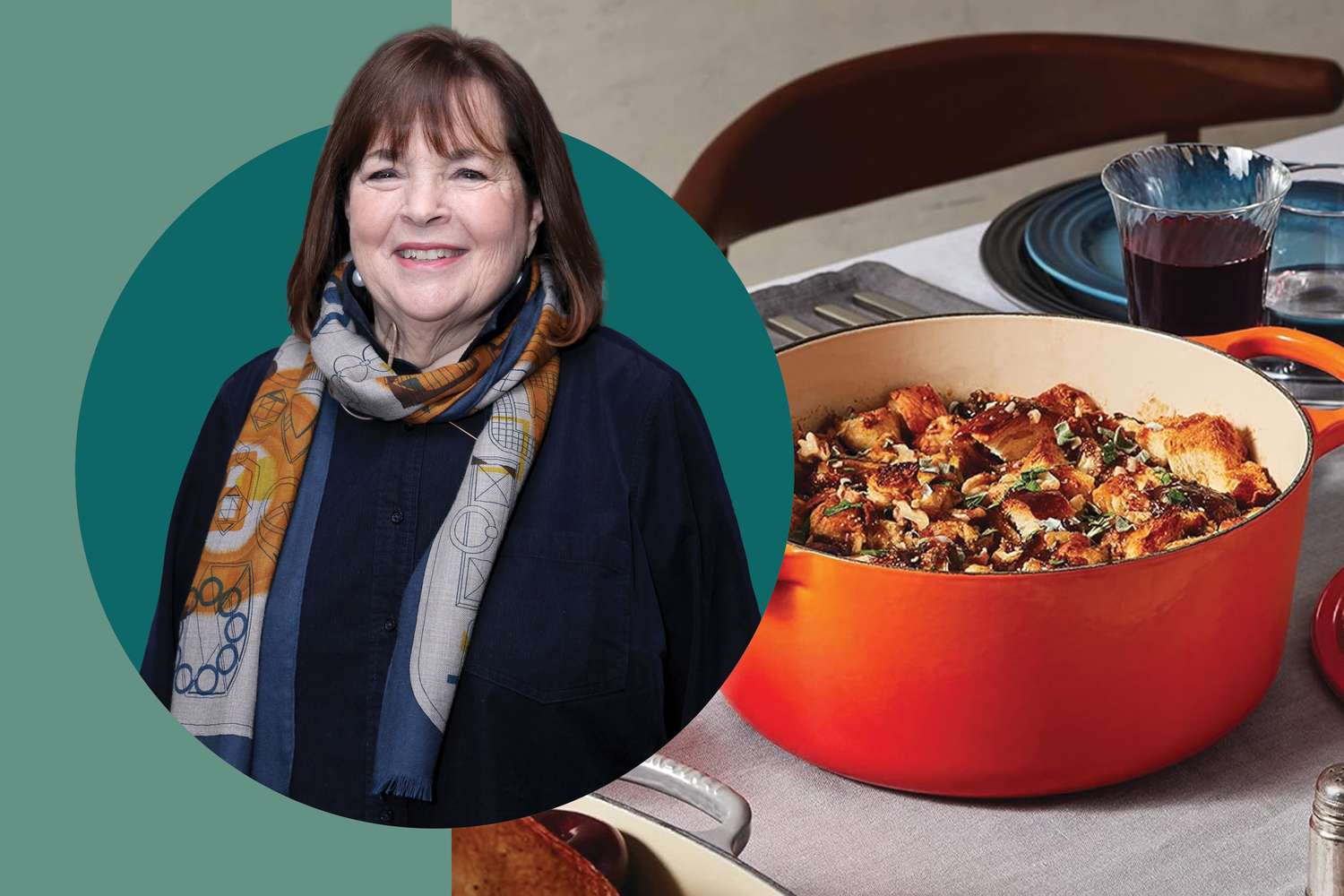

How we picked the best dutch oven
We tested 22+ models for heat distribution and enamel chipping resistance to find the pots that actually perform in a home kitchen. Our evaluation focused on three non-negotiable traits: how evenly the pot holds heat, how well the lid seals in moisture, and whether the enamel survives years of scrubbing.
Heat retention is the primary job of a dutch oven. We filled each pot with water and brought it to a simmer, then monitored how long it took to return to a boil after removing it from the burner. Thicker cast iron walls, like those in the Le Creuset 5.5-Quart Round Dutch Oven, held heat significantly longer than thinner alternatives, making them better for slow braises and stews.
Lid fit matters just as much as the pot itself. A tight seal traps steam, which keeps meats tender and prevents sauces from reducing too quickly. We tested this by checking the gap between the lid and the rim; pots with interlocking knobs or weighted lids performed best. We also inspected the enamel for durability, looking for chips or cracks after repeated dishwasher cycles and abrasive scrubbing.
Before you buy, use this quick checklist to verify a dutch oven’s quality:
- Check the lid weight: Heavier lids with tight seals retain moisture better.
- Inspect the enamel: Look for smooth, even coating without bubbles or thin spots.
- Test the handle: Ensure side handles are riveted securely and stay cool enough to grip.
- Verify the base: A flat, smooth bottom ensures even contact with your stovetop.
Top enameled cast iron picks
Enameled cast iron combines the heat retention of heavy cast iron with a glass-like surface that won’t react with acidic ingredients like tomatoes or wine. This makes it the ideal vessel for braises, stews, and sauces where flavor integrity matters. While bare cast iron requires seasoning and maintenance, enamel offers a low-friction cooking surface that is easier to clean and resistant to rust.
The market for enameled Dutch ovens is dominated by two French heritage brands, Le Creuset and Staub, which set the standard for durability and finish. However, Lodge has emerged as a strong contender, offering comparable performance at a fraction of the price for cooks who want the benefits of enamel without the premium tag.
Le Creuset Signature Enameled Cast Iron
Le Creuset remains the benchmark for enameled Dutch ovens. Its 5.5-quart round model is widely regarded as the best all-around choice for most households. The enamel is fired at high temperatures, creating a surface that is exceptionally smooth and resistant to chipping. The lid features tight-fitting knobs and a self-basting design that circulates moisture, ensuring that braised meats stay tender and sauces don’t dry out.
While the price is high, the build quality justifies the investment for frequent cooks. The thick walls distribute heat evenly, eliminating hot spots that can scorch delicate sauces. It is durable enough to last decades, making it a staple in professional and home kitchens alike.
Staub Cocotte
Staub takes a slightly different approach with its matte black interior enamel. Unlike the glossy white interiors of Le Creuset, Staub’s dark coating helps you monitor the browning of meats and the reduction of sauces more easily. The lid is heavy and studded with interior spikes that condense moisture and drip it back onto the food, making it exceptional for slow-cooking tough cuts of meat.
The 5.5-quart round cocotte is Staub’s most popular size. It is slightly heavier than Le Creuset, which some cooks prefer for its stability on the stovetop. The enameled knobs are heat-resistant and easy to grip, even with oven mitts. For those who prioritize searing and braising over presentation, Staub’s functional design often wins out.
Lodge 6-Quart Essential Enamel
Lodge offers the best value in the enameled category. Its 6-quart Essential Enamel Dutch oven provides 90% of the performance of the French brands at less than half the price. The enamel is durable, and the lid fit is surprisingly tight for the price point. While the knobs and handles may not feel as refined as Le Creuset or Staub, the cooking performance is solid for everyday meals.
This pot is ideal for cooks who want the benefits of enamel without the premium cost. It is large enough for family-sized batches of chili, soup, or stew. The enamel interior is easy to clean and does not require the careful seasoning that bare cast iron demands.
| Brand | Capacity | Interior | Price Range |
|---|---|---|---|
| Le Creuset | 5.5 qt | Glossy White | $$$ |
| Staub | 5.5 qt | Matte Black | $$$ |
| Lodge | 6 qt | Glossy White | $$ |
Best bare cast iron dutch oven
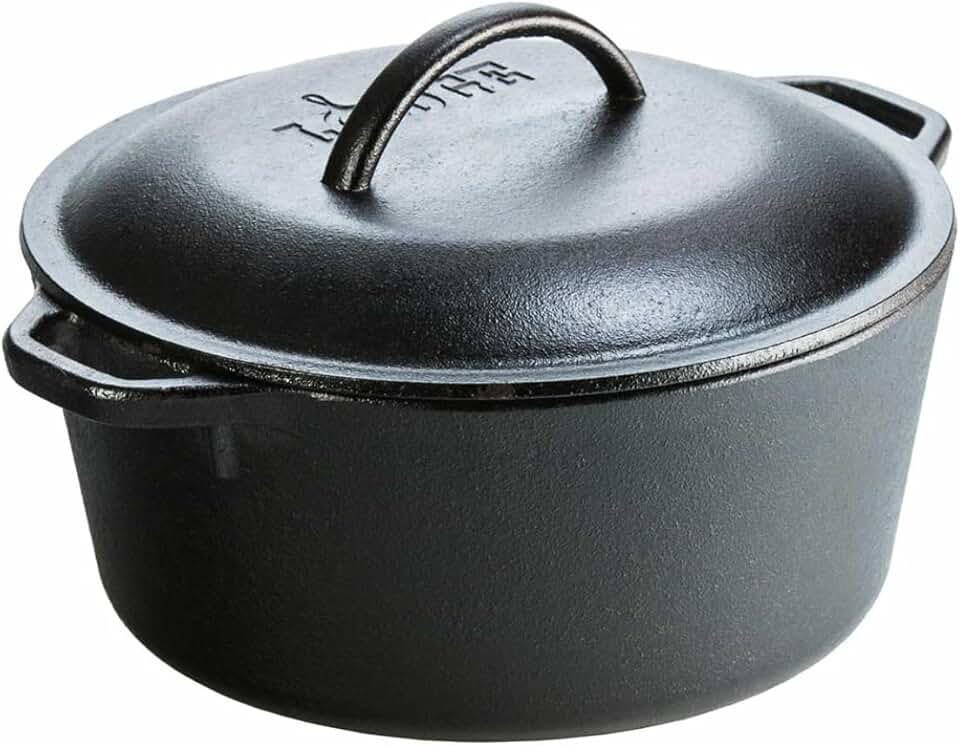
Bare cast iron remains the gold standard for cooks who prioritize durability and heat retention over convenience. Unlike enameled options, a bare pot develops a natural non-stick surface through seasoning—a layer of polymerized oil that improves with every meal. This makes it ideal for high-heat searing, campfire cooking, and long, slow braises where even temperature distribution is critical.
While enamel prevents chipping, it can still crack under thermal shock or abrasive cleaning. Bare cast iron has no coating to chip; it only needs occasional re-seasoning if the surface gets scratched or stripped. For heavy-duty daily use, this material is virtually indestructible.



As an Amazon Associate, we may earn from qualifying purchases.
Shop the best dutch oven on Amazon
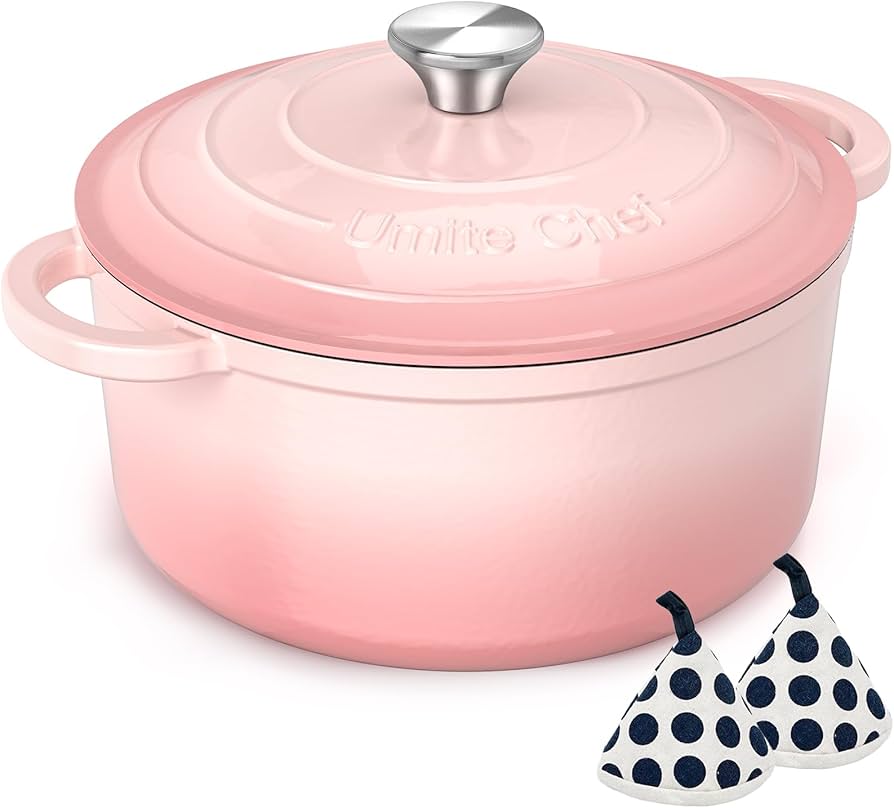
Finding the right dutch oven often comes down to balancing budget with performance. Cheaper models may heat unevenly or use enamel that chips more easily over time. More expensive options typically offer thicker cast iron for better heat distribution and retention, along with more durable enamel coatings.
The following widgets aggregate top-rated cast iron and enameled picks available on Amazon. These selections prioritize proven heat retention and lid fit for everyday cooking tasks.


As an Amazon Associate, we may earn from qualifying purchases.
Is an expensive dutch oven worth it?
The short answer is yes, but only if you plan to use it regularly. A premium enameled cast iron Dutch oven, such as the 5.5-quart Le Creuset or Staub Cocotte, justifies its price through material density and manufacturing precision. These ovens use thicker cast iron than budget alternatives, which translates directly to superior heat retention. This thermal mass allows the pot to maintain a steady simmer without hot spots, making it easier to braise tough cuts of meat or bake crusty bread without burning the bottom.
The real differentiator, however, is the enamel. Cheaper models often use thinner coatings that chip or craze after a few years of use, exposing the iron underneath to rust. Premium brands apply a harder, more durable enamel that resists staining and is easier to clean. While a $40 Lodge oven is a fantastic entry point for occasional use, the longevity of a $300+ Dutch Oven means you likely won’t need to replace it for decades. It is an investment in kitchen infrastructure rather than just a single tool.
If you are a weekend cook making one stew a month, a mid-range option from Lodge or Made In will serve you well. But for daily cooks who rely on the oven for soups, roasts, and baking, the performance gap is noticeable. The heavier lid on premium models creates a tighter seal, circulating moisture more effectively and resulting in more tender food. You are paying for consistency and durability that cheaper pots simply cannot match.
No comments yet. Be the first to share your thoughts!