
Dutch oven choices that change the plan
Choosing between cast iron and enameled cast iron comes down to how you handle maintenance versus versatility. Raw cast iron offers unmatched heat retention and develops a natural nonstick seasoning over time, but it requires regular oiling and careful drying to prevent rust. Enameled cast iron, with its glass-like coating, eliminates the rust risk and allows for acidic cooking without reacting with the metal. However, that enamel can chip if dropped or struck, potentially exposing the iron beneath.
The decision also hinges on your cooking frequency and style. If you bake bread daily, the thermal mass of raw iron is hard to beat. If you stew tomatoes or make wine-based reductions, enameled is the safer, easier choice. Both types are durable enough to last decades, but they demand different care routines. Understanding these tradeoffs helps you pick the right tool for your specific kitchen habits.
| Feature | Raw Cast Iron | Enameled Cast Iron |
|---|---|---|
| Maintenance | Requires seasoning and oiling to prevent rust | No seasoning needed; dishwasher safe (though hand washing is recommended) |
| Acidic Cooking | Can react with acidic foods (tomatoes, wine), altering flavor | Inert surface; safe for all acidic ingredients |
| Heat Retention | Excellent heat retention; heats evenly once hot | Good heat retention; slightly faster heat response than raw |
| Durability | Can withstand metal utensils and high heat; virtually indestructible | Enamel can chip if dropped or struck; avoid metal utensils |
| Weight | Generally lighter for the same volume | Often slightly heavier due to the enamel coating |
| Aesthetics | Matte black, rustic look; improves with use | Available in many colors; glossy finish stays bright |
Where each option wins
Choosing between cast iron and enameled Dutch ovens comes down to how you cook and what you’re willing to maintain. Both styles distribute heat evenly and retain it well, but their surface properties dictate the best use cases. Plain cast iron is built for high-heat searing and building flavor through polymerization. Enameled cast iron offers a non-reactive surface ideal for acidic dishes and easy cleanup.
Plain cast iron: high heat and flavor
Raw cast iron excels when you need to achieve a deep, caramelized crust. It handles temperatures well above 500°F without risk of damaging a coating, making it the superior choice for searing steaks, baking artisan bread, or frying. Over time, the seasoning layer becomes naturally non-stick, improving with every use. The tradeoff is maintenance; you must hand-wash with minimal soap and dry it immediately to prevent rust. It is also reactive with acidic foods like tomato sauce or wine reductions, which can strip the seasoning and impart a metallic taste.
Enameled cast iron: acidity and convenience
Enameled Dutch ovens feature a glass-like coating fused to the iron, creating a non-reactive barrier. This makes them the go-to option for slow-cooking acidic dishes like marinara, chili, or braised meats in wine. The smooth interior does not require seasoning and is generally easier to clean, often tolerating mild dishwasher cycles. However, the enamel is brittle. It can chip if struck against hard surfaces or subjected to sudden thermal shock, such as moving a hot pot directly into cold water. It is also less suitable for extremely high-heat searing, as the enamel can discolor or crack under direct high flame.


As an Amazon Associate, we may earn from qualifying purchases.
Details Worth Checking
Before committing to a purchase, verify the specific limitations of each pot. Cast iron and enameled options handle heat and acid differently, and missing these details can ruin a batch of food or damage the cookware.
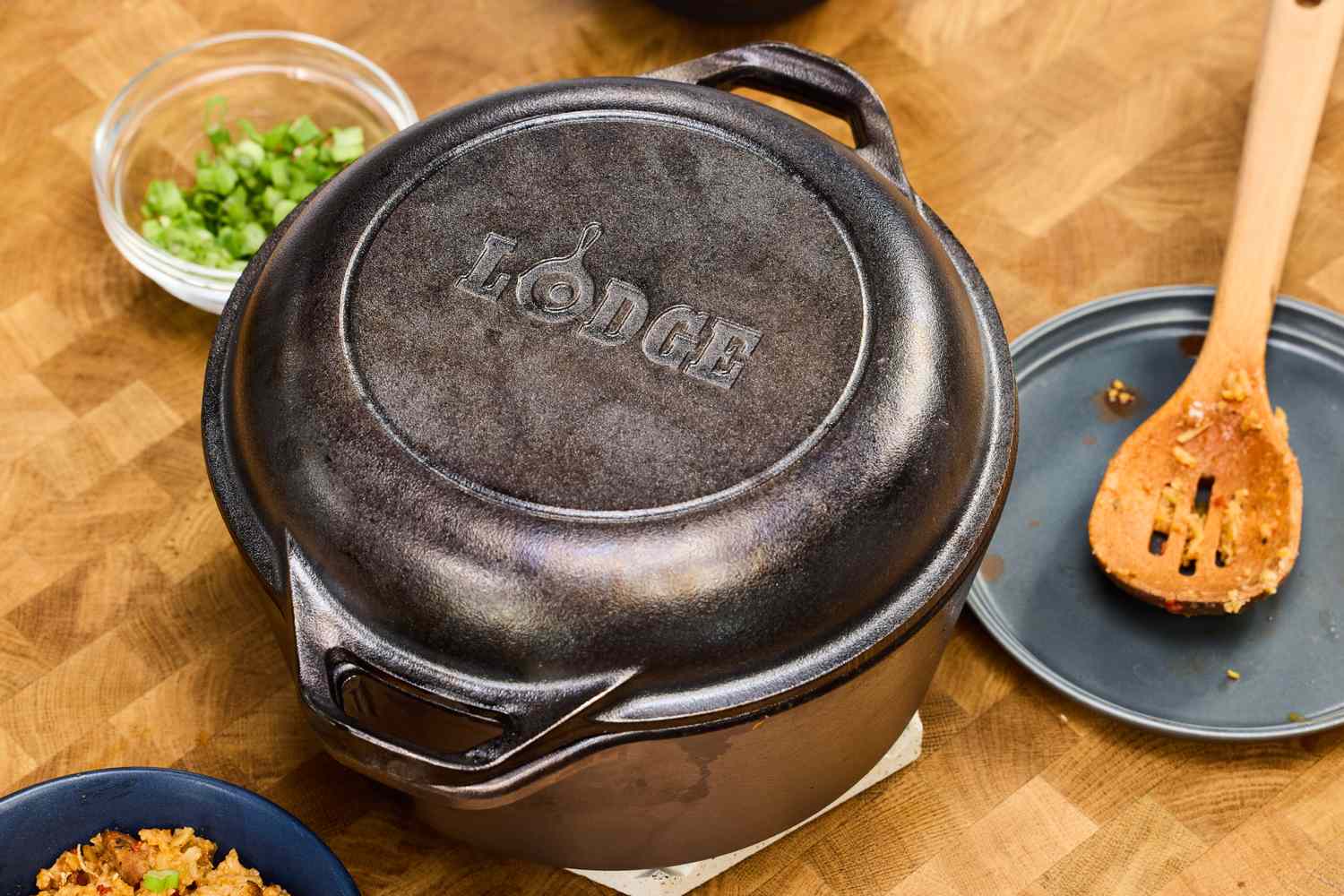
Most enameled pots are safe up to 500°F (260°C). Going higher risks cracking the enamel or melting plastic knobs. Plain cast iron has no such limit, but check if your handle has a plastic or silicone attachment that might melt.
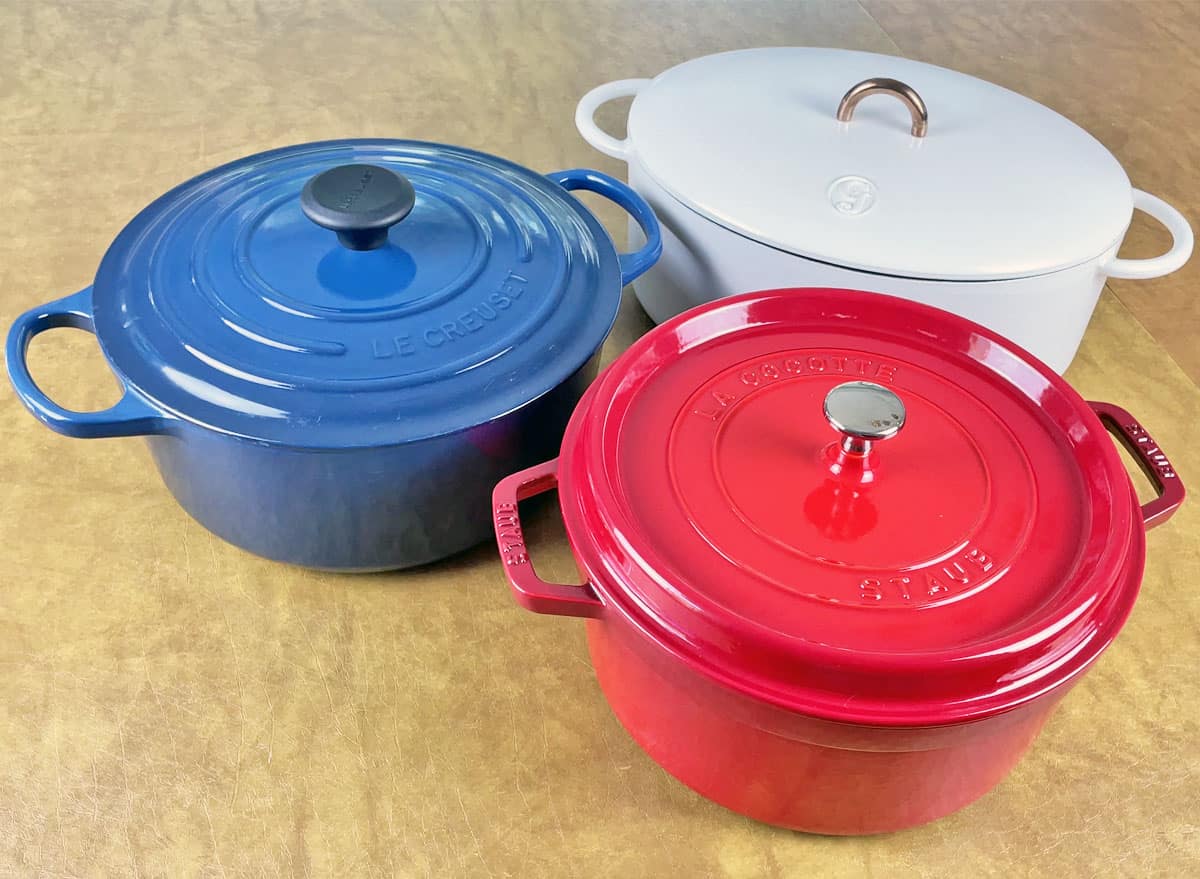
Enameled interiors resist acid, making them safe for tomato sauces or wine reductions. Uncoated cast iron can react with acidic ingredients, potentially altering the flavor and stripping the seasoning layer over time.
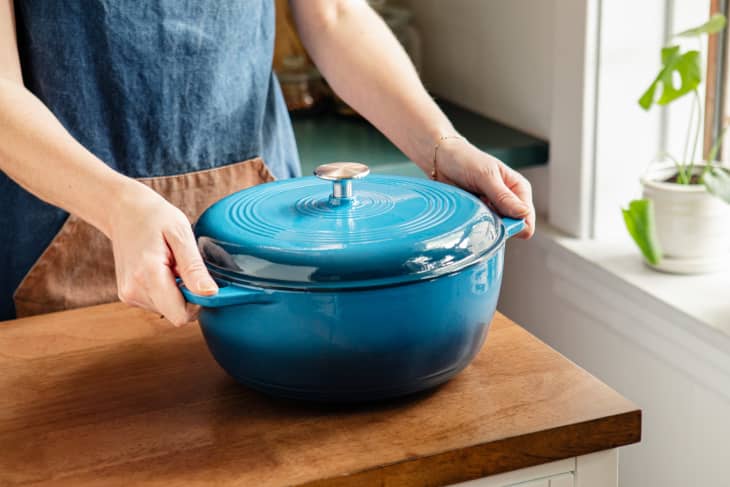
A tight seal is critical for bread baking. Check reviews for mentions of "loose lids" or "poor seals." Also, consider the weight; a 7-quart pot is heavy when full, so ensure you can lift it safely.
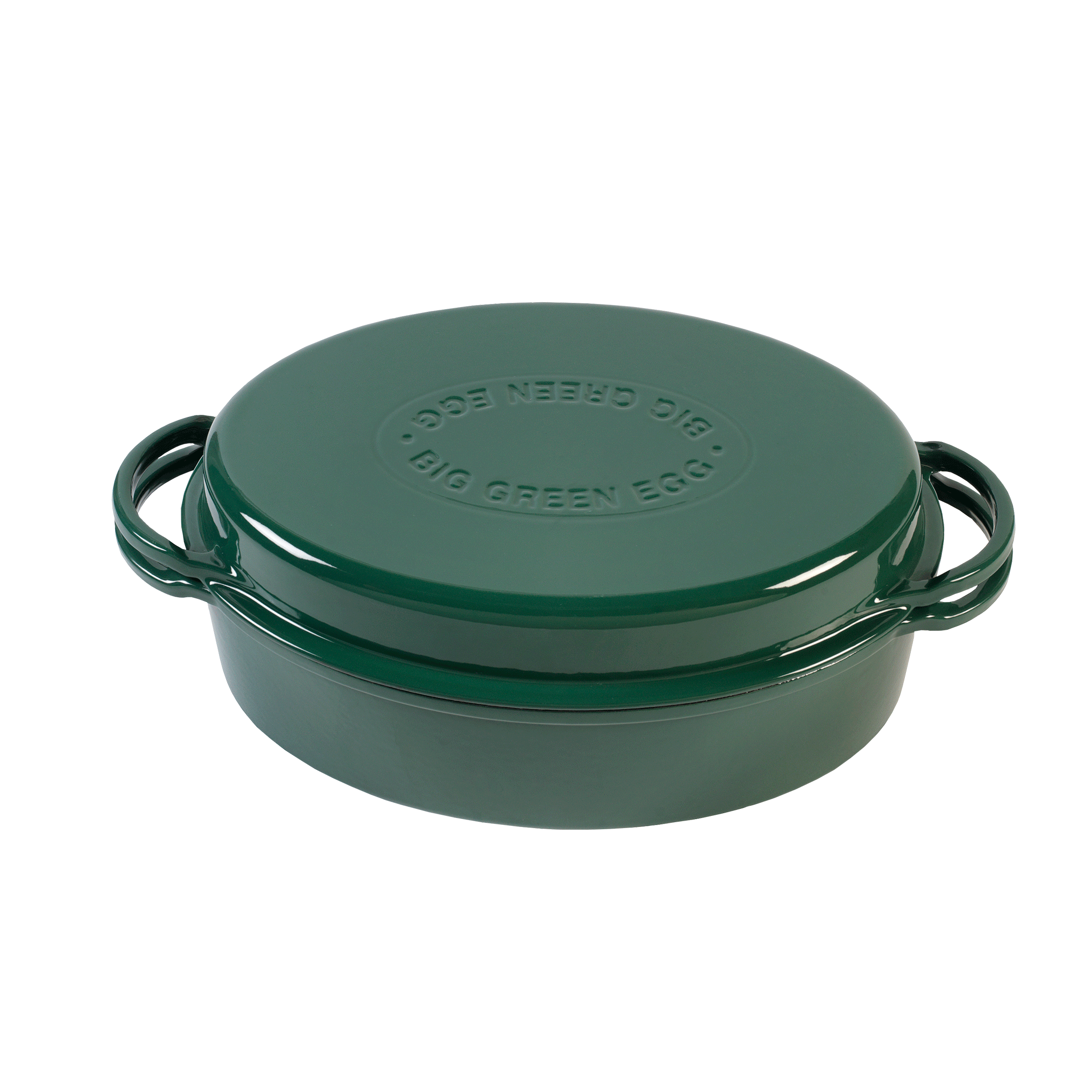
Enamel can chip if dropped. Le Creuset and Staub offer lifetime warranties that often cover chipping, while budget brands like Lodge or Cuisinart may only cover manufacturing defects. Read the fine print before buying.
Dutch oven: what to check next
Choosing the right vessel often comes down to how you plan to use it and your budget. Whether you are looking for the classic crust on sourdough or a vibrant sauce for a weeknight stew, the tradeoffs between raw cast iron and enameled options define the experience.
Here are the practical answers to common questions about buying a Dutch oven for home baking and cooking.
The decision ultimately rests on your maintenance tolerance and aesthetic preference. Raw cast iron is virtually indestructible and cheaper, but demands more care. Enameled options offer convenience and color variety at a premium price, making them a popular choice for those who prioritize ease of use.
No comments yet. Be the first to share your thoughts!