
Top picks at a glance
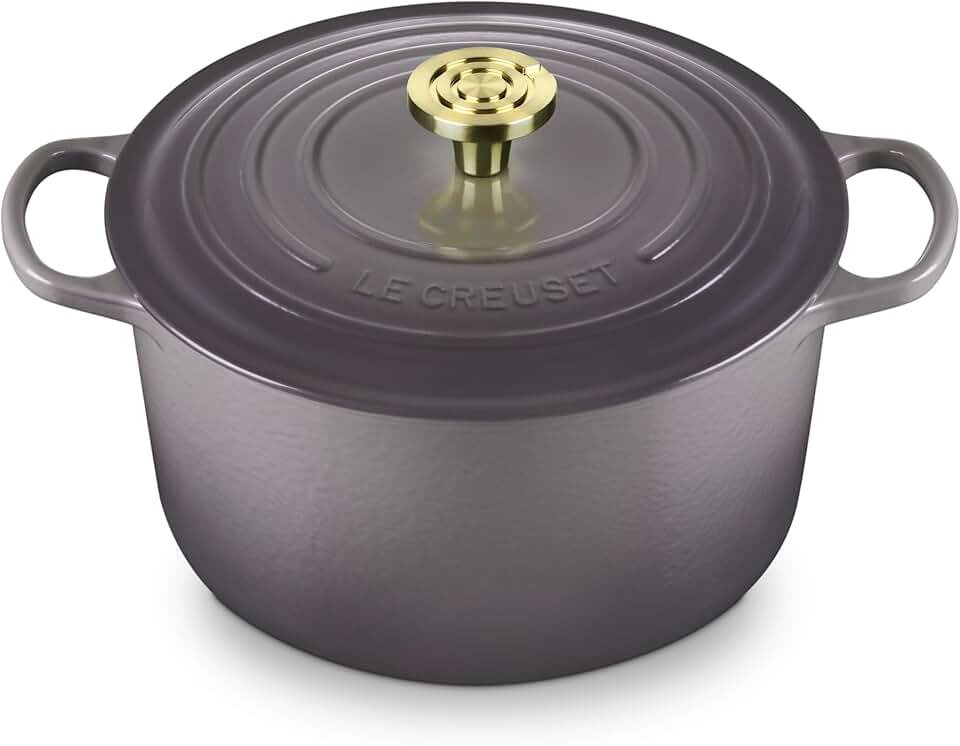
We tested dozens of Dutch ovens to find the best balance of heat retention, durability, and ease of use. The Le Creuset 5.5-Quart Round Dutch Oven remains our top overall pick. It delivered consistent, even heating during our searing and stewing tests, and its enameled interior resisted staining better than most competitors. While the price is high, the lifetime durability justifies the investment for frequent cooks.
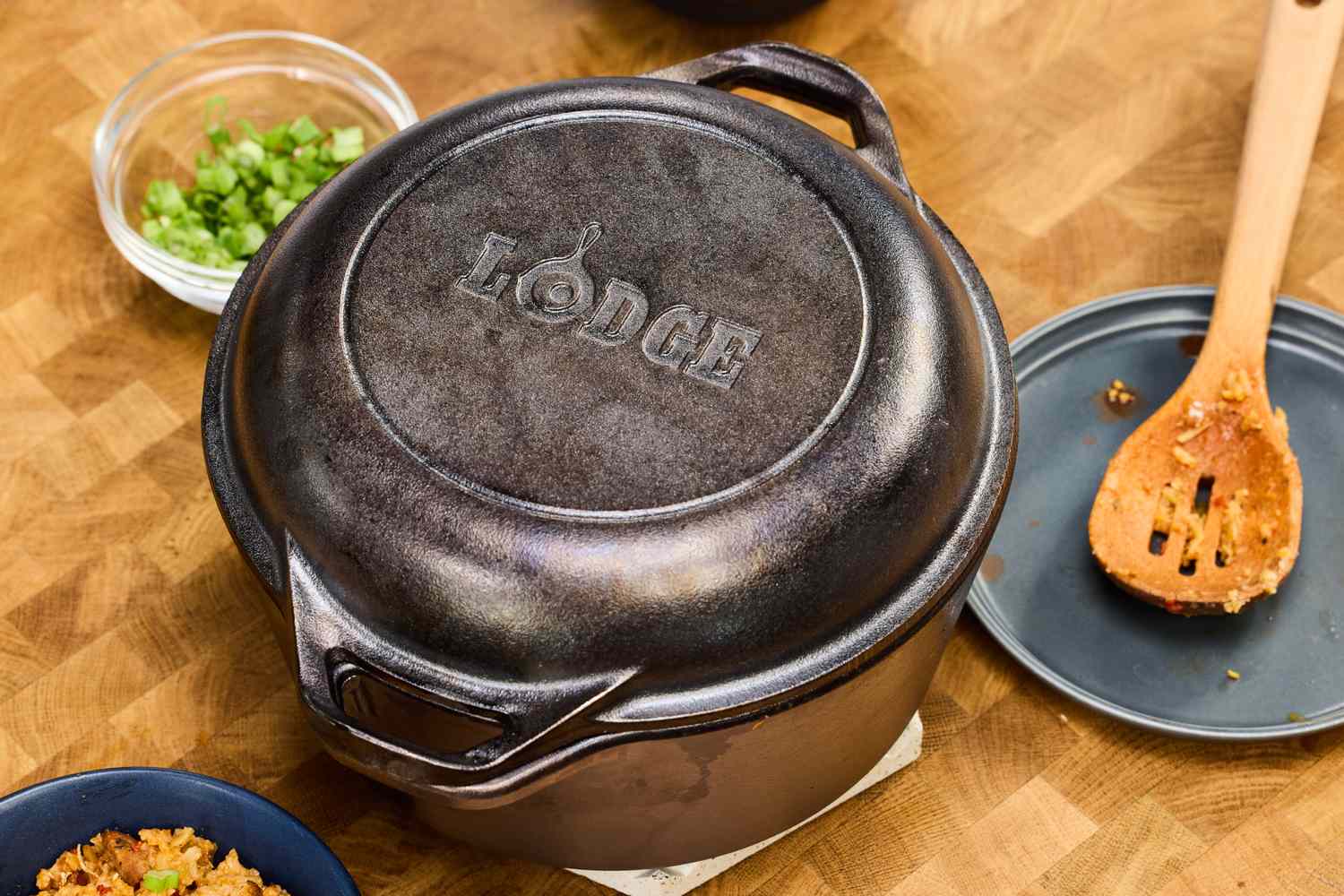
For those prioritizing value, the Lodge 6-Quart Essential Enamel Cast Iron Dutch Oven offers nearly identical performance at a fraction of the cost. It handled bread baking and braising with minimal hot spots, proving that you do not need premium pricing for reliable results. This model is the best choice for everyday meal prep and large-batch cooking.
If budget is your primary constraint, the Umite Chef Enameled Cast Iron Dutch Oven provides solid entry-level performance. It lacks the refined finish of premium brands but performs adequately for basic stews and roasts. It is a practical option for occasional use or for those new to Dutch oven cooking.


As an Amazon Associate, we may earn from qualifying purchases.
Bare cast iron vs. enameled cast iron: choices that change the plan
The choice between bare and enameled cast iron comes down to how you maintain your cookware and what you plan to cook. Both materials share the same core advantage: exceptional heat retention and even distribution. The difference lies in the surface chemistry and the daily labor required to keep them performing.
Bare cast iron is porous. It requires seasoning—a polymerized layer of oil—to create a non-stick barrier. Once established, this surface improves with use, developing a dark, slick patina that resists sticking naturally. However, bare iron reacts with acidic ingredients like tomatoes, wine, or vinegar. Cooking these foods for long periods can strip the seasoning and impart a metallic taste to the dish. It is also heavier than its enameled counterpart because it lacks the glass coating.
Enameled cast iron is coated with a layer of glass fused to the metal at high temperatures. This creates a non-reactive surface that handles acidic sauces, braises, and stews without risk of flavor contamination or seasoning damage. The enamel is also easier to clean; you can usually wash it with soap and water without worrying about rust. The tradeoff is durability. The glass coating can chip if dropped or struck against a hard surface, and it generally cannot withstand the extreme broiler heat that bare iron can handle.
| Feature | Bare Cast Iron | Enameled Cast Iron |
|---|---|---|
| Surface | Porous, requires seasoning | Glass coating, non-porous |
| Acid Resistance | Low (strips seasoning, metallic taste) | High (safe for tomatoes, wine) |
| Maintenance | High (dry immediately, oil occasionally) | Low (dishwasher safe, soap OK) |
| Durability | Indestructible, improves with age | Can chip or crack if dropped |
| Heat Tolerance | Very high (broiler, open flame) | High (but thermal shock risk) |
| Weight | Heavier | Slightly lighter (varies by brand) |
| Cost | Budget-friendly ($20–$50) | Premium ($150–$300+) |
For everyday braising and stewing, enameled is the more practical choice for most home cooks. It removes the mental load of seasoning maintenance and handles the acidic ingredients that make many Dutch oven recipes sing. If you prioritize longevity and don't mind the extra care, bare cast iron is a lifetime investment that gets better with age. For high-heat searing or outdoor camping, bare iron remains unmatched.
Premium enameled picks compared
The debate between Le Creuset and Staub centers on two distinct engineering philosophies. Both brands produce heavy, durable cast iron vessels with high-quality enamel, but their internal designs dictate different cooking behaviors. Le Creuset prioritizes visual monitoring and traditional searing, while Staub optimizes for moisture retention and braising efficiency.
Le Creuset’s interior features a smooth, light-colored enamel. This design choice allows you to monitor browning and sauce consistency without lifting the lid. The flat lid surface encourages condensation to drip back down the sides, but it does not actively return moisture to the food. This makes it ideal for dishes where you want to reduce sauces or monitor the Maillard reaction closely. The heavy, tight-fitting lid still retains heat effectively, but the primary advantage is visibility.
Staub takes a different approach with its dark, matte enamel interior and domed lid. The lid is studded with hundreds of small spikes that collect condensation and drip it evenly back over the food. This creates a self-basting environment that keeps braises moist and tenderizes tougher cuts of meat faster. The dark interior also hides stains better than Le Creuset’s light enamel, making it easier to maintain a pristine look over years of use. However, the domed lid can obscure your view of the food’s surface, making it harder to judge browning.
Enamel quality is comparable between the two. Both use a porcelain-based coating fired at high temperatures, resulting in a chip-resistant surface that does not react with acidic ingredients like tomatoes or wine. Neither brand requires seasoning, and both can withstand high heat, though sudden thermal shocks should be avoided with either.
Budget-friendly alternatives that perform
You do not need to spend premium prices to get a dutch oven that handles daily cooking. Brands like Lodge, Tramontina, and Made-In offer cast iron and enameled options that deliver heat retention and durability comparable to luxury models, often at half the cost.
Tramontina stands out for its consistency. Their enameled cast iron pots feature a smooth, light-colored interior that makes it easy to monitor browning and cleanup. The enamel is durable, and the lids fit tightly enough to retain moisture without the heavy price tag of Le Creuset or Staub. Lodge remains the reliable workhorse. Their classic black enameled or bare cast iron pots are virtually indestructible and widely available, making them a safe choice for beginners or high-traffic kitchens.
Made-In bridges the gap between budget and mid-range. Their enameled dutch ovens often feature a tighter fit and more refined finish than entry-level options, yet they remain significantly cheaper than heritage brands. For most home cooks, the performance difference between a $100 dutch oven and a $300 one is marginal. The budget options handle braising, baking, and roasting just as effectively.
When selecting a budget option, prioritize size over brand prestige. A 5.5-quart enameled cast iron dutch oven is the sweet spot for families, fitting a whole chicken or a large batch of chili. Ensure the enamel is chip-resistant if you plan to use metal utensils occasionally, though wood or silicone is always safer. With proper care—avoiding thermal shock and hand washing—these affordable pots will last for decades.
Choosing the right size
Selecting the correct volume is the most common mistake buyers make. A pot that is too small crowds ingredients, leading to boiling instead of searing, while one that is too large creates cold spots and wastes fuel. We tested sizes ranging from 3 to 8 quarts to determine which volumes actually perform for typical household needs.
For most couples or small families, a 5- to 6-quart Dutch oven is the ideal workhorse. This capacity accommodates a whole chicken or a large batch of chili without overcrowding the pot. Our tests showed that the Le Creuset 5.5-quart and Lodge 6-quart models maintained steady heat distribution even when filled to capacity, ensuring consistent results for daily cooking.
Larger households or those who entertain frequently should consider an 8-quart model. While these are heavier and require more storage space, they excel at batch cooking soups, stews, and bread baking. If you are buying your first Dutch oven, stick to the 5- to 6-quart range; it offers the best balance of versatility and manageability for the majority of recipes.
Care and longevity tips
Keeping a Dutch oven for decades comes down to two different maintenance philosophies. Cast iron relies on seasoning—a polymerized oil layer—to create its non-stick surface and rust protection. Enameled cast iron relies on the glass-like coating to prevent reactions and staining. Treating them the same will ruin one or both.
Seasoning and rust prevention
Raw cast iron is porous. If you wash it with harsh soap or leave it wet, it oxidizes. The fix is simple: dry it immediately on the stove over low heat, then rub a thin layer of neutral oil over the interior. Think of seasoning like a second skin; if you scratch it with metal utensils or scrub it with steel wool, you expose the bare metal to moisture. A well-maintained Lodge or Made-In can develop a dark, slick patina that improves with age, while neglected budget options often develop sticky patches or rust pits that are hard to reverse.
Cleaning enamel without chipping
The enamel coating on premium brands like Le Creuset or Staub is durable but brittle. It won’t rust, but it can chip if dropped or struck. Avoid thermal shock by never placing a hot enameled pot directly into cold water. For stubborn food residue, soak the pot in warm, soapy water rather than scrubbing aggressively. If you need to remove burnt-on bits, use a nylon brush or a paste of baking soda and water. Never use abrasive scouring pads, which will dull the glossy finish and make future cleaning harder.
Stain management
Enameled Dutch ovens are prone to staining, especially from tomato sauce, turmeric, or beet juice. While stains don’t affect performance, they can be unsightly. To remove them, fill the pot with water and a tablespoon of baking soda, then simmer on the stove for 15 minutes. Rinse and dry. For raw cast iron, stains are less of a concern because the seasoning darkens anyway. Focus on keeping the surface clean and oiled rather than trying to maintain a pristine, light-colored interior.
Storage and lid care
Store your Dutch oven with the lid slightly ajar or use a paper towel between the lid and pot to allow air circulation. This prevents moisture buildup, which is the primary cause of rust in cast iron and mold in enameled pots. If you stack other cookware inside it, place a soft cloth or paper towel between the surfaces to prevent scratches on the enamel or chipping on the rim.
No comments yet. Be the first to share your thoughts!