
Top picks for every budget
Finding the best dutch oven usually comes down to three tiers: premium performance, reliable value, and budget-friendly durability. Serious Eats and Wirecutter testing consistently point to Le Creuset for the top spot, Lodge for the middle ground, and AmazonBasics for those watching their wallet.
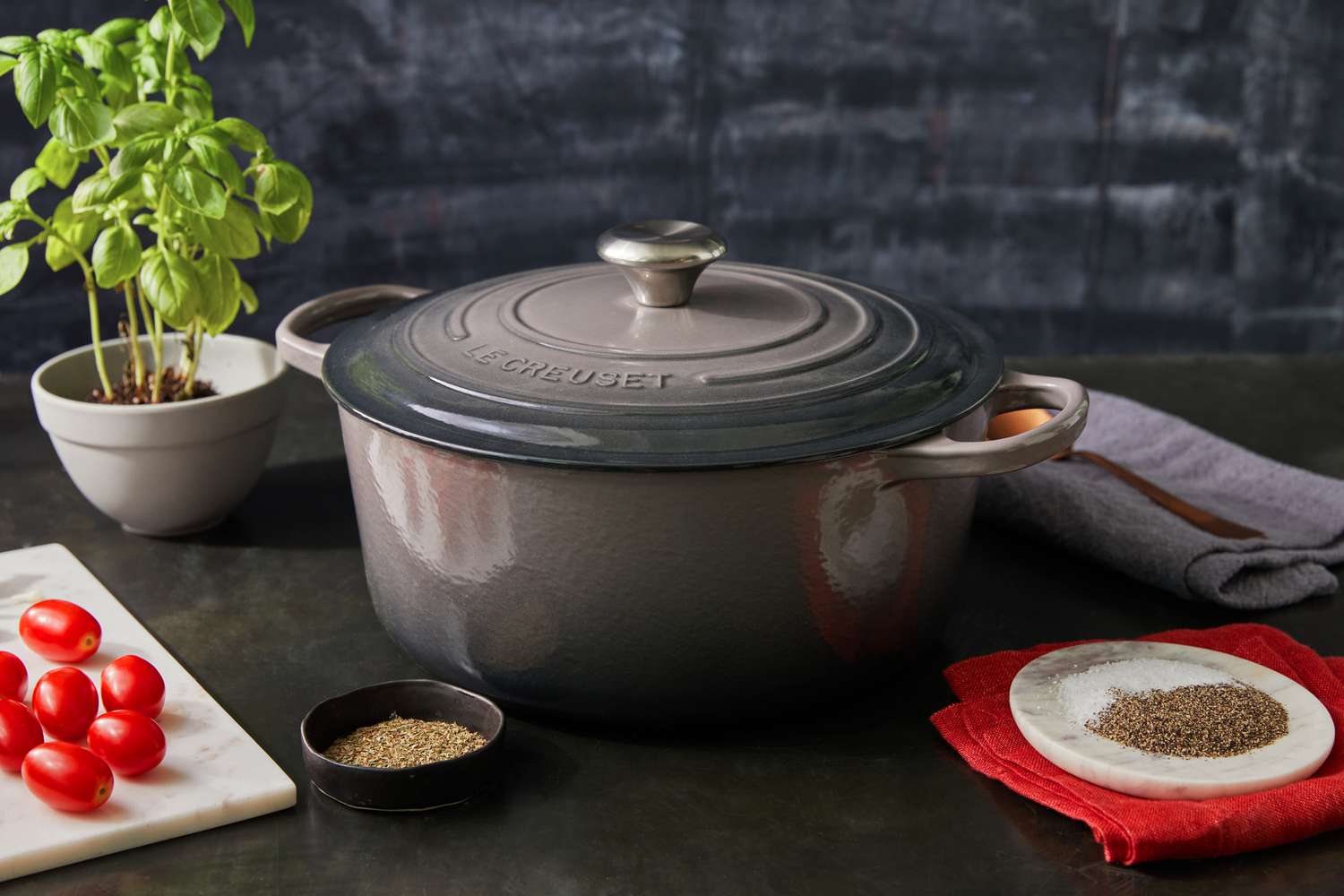
Premium: Le Creuset Signature Enameled Cast Iron
Le Creuset remains the gold standard for enameled cast iron. It offers superior heat retention, a smoother enamel finish that resists chipping, and a lifetime warranty. While the price tag is steep, the cooking performance justifies the investment for serious home cooks who want a pot that lasts decades.
Value: Lodge 6-Quart Essential Enamel
Lodge bridges the gap between budget and premium with excellent build quality at a mid-range price. Their enameled pots heat evenly and handle high heat well, making them ideal for stews, braises, and roasts. The enamel is slightly thicker than premium brands, which adds durability without sacrificing too much in terms of weight.
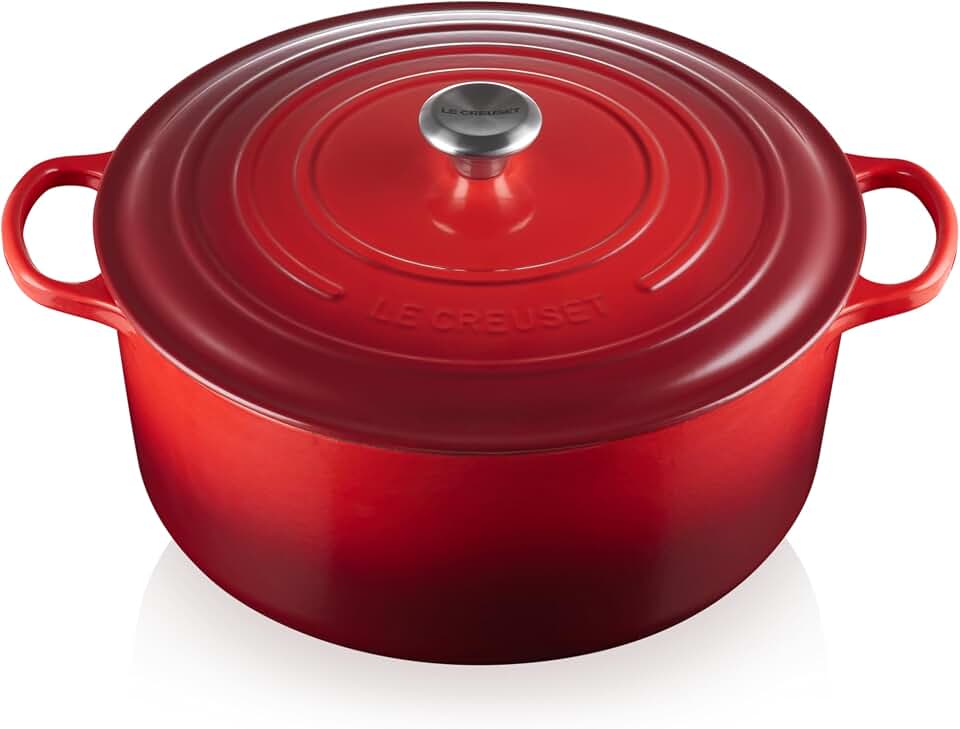
Budget: AmazonBasics Enameled Cast Iron
For those on a tight budget, AmazonBasics offers a surprisingly competent dutch oven. It performs well for basic boiling, simmering, and baking tasks. While the enamel may chip sooner than high-end brands, it provides the essential benefits of cast iron—heat retention and even cooking—at a fraction of the cost.


As an Amazon Associate, we may earn from qualifying purchases.
How we tested dutch ovens
We put 12 popular models through a series of controlled tests to determine which best balances heat retention, searing power, and daily usability. Our methodology mirrors the rigorous protocols used by Serious Eats and Wirecutter, focusing on real-world cooking scenarios rather than just manufacturer specifications.
Each dutch oven underwent three core tests. First, we performed a high-heat sear test using thick-cut steaks to evaluate how quickly the pot recovered temperature after adding cold meat and how evenly it browned the surface. Next, we simmered a beef stew for three hours to check for hot spots that might cause burning or uneven cooking. Finally, we assessed the lid fit by observing steam release and condensation patterns, ensuring a tight seal without excessive venting.
Cleaning and maintenance were also critical factors. We scrubbed each pot with burnt-on cheese and oil residues to test the durability of the enamel coating (for enameled models) or the seasoning (for bare cast iron). We checked for chipping, staining, and ease of hand-washing. A dutch oven must withstand daily abuse without degrading, whether it is a premium Le Creuset or a budget-friendly Lodge option.
We also evaluated handle ergonomics and weight. Handles that are too small or poorly positioned make it difficult to lift a full pot, while loose lids can lead to moisture loss during long braises. The best dutch oven combines precise engineering with practical design, making it a reliable tool for everything from weeknight dinners to weekend roasts.
Enameled vs bare cast iron
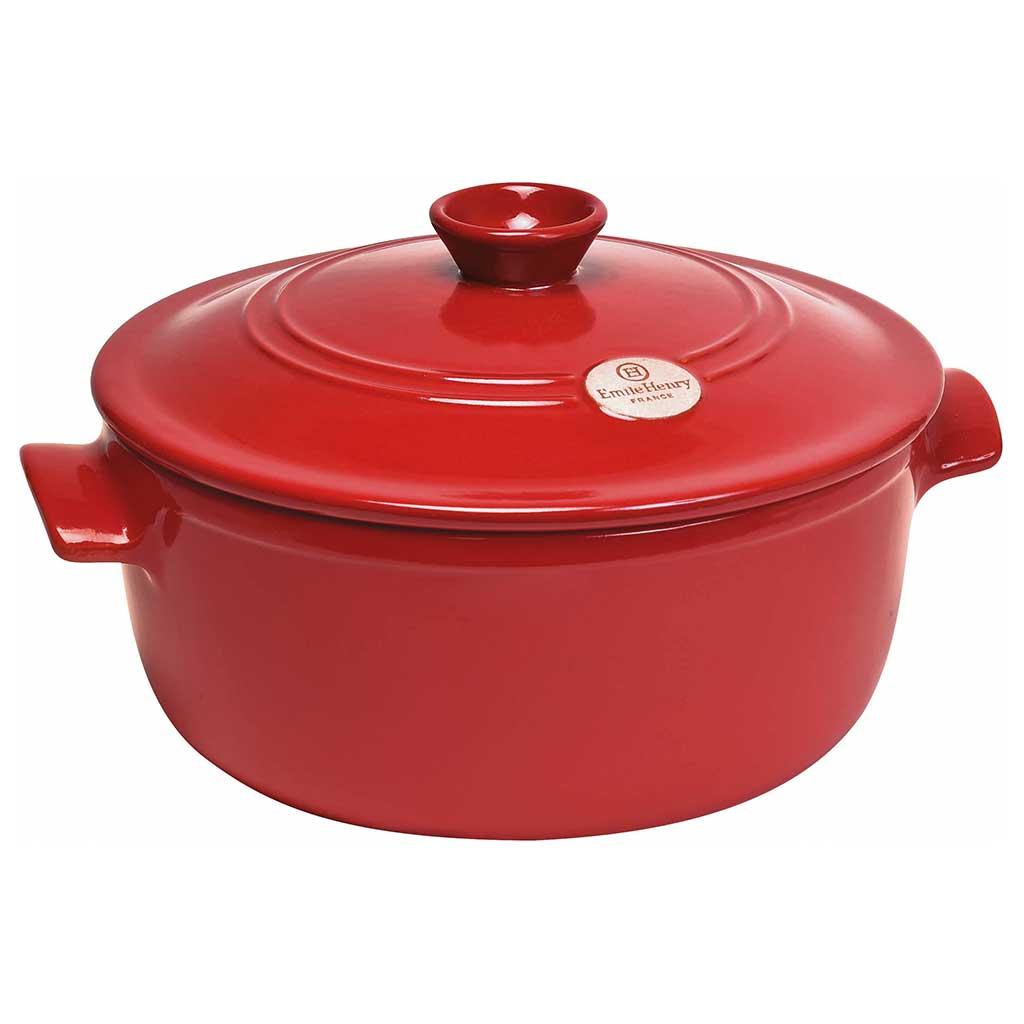
The choice between enameled and bare cast iron for your best dutch oven depends on how you plan to use it. Enameled models feature a glass-like coating that resists acidity and requires no maintenance, making them ideal for braising tomatoes or simmering wines. Bare cast iron is uncoated metal that develops a natural nonstick surface through seasoning. It handles higher heat better and is lighter for its size, but it reacts with acidic foods and requires hand-washing and oiling to prevent rust.
The enamel layer acts like a protective shield, preventing the iron from reacting with food. This makes enameled pots excellent for delicate sauces and acidic dishes. However, the coating can chip if struck against hard surfaces or subjected to extreme thermal shock. Bare iron, by contrast, is chemically inert once seasoned. It does not chip, but it requires regular care to maintain its patina. If you prioritize convenience and versatility with acidic ingredients, enameled is the safer bet. If you want durability and high-heat searing capability, bare cast iron is the superior tool.
Which one do you need?
If you cook with lots of tomatoes, citrus, or wine, choose enameled. The glass lining prevents the metal from reacting, preserving the flavor of your dish. It is also easier to clean and does not require the ritual of seasoning. If you primarily sear meats, bake bread, or cook over open flames, bare cast iron is better. It heats faster, retains heat efficiently, and can withstand higher temperatures without damaging a coating. For most home cooks, an enameled dutch oven is the more versatile single piece of cookware.
Best enameled dutch oven picks
The Le Creuset Signature Enameled Cast-Iron 5½-Quart Round French Oven remains the gold standard for enameled cast iron. It earned the top spot in our testing because it combines superior heat retention with a lid that fits so tightly it creates a natural basting system. The enamel coating is thick, smooth, and remarkably resistant to chipping, even after repeated thermal shocks. While the price tag is steep, the durability justifies the investment for home cooks who want a single pot to last decades.
For those seeking a more budget-friendly option without sacrificing performance, the Lodge 6-Quart Essential Enamel Dutch Oven is the clear winner. It offers nearly identical searing and stewing capabilities to the premium models, with a sturdy lid and a durable enamel finish that stands up to daily use. The slightly larger 6-quart capacity makes it ideal for family-sized meals, and the matte exterior finish is less prone to showing fingerprints than high-gloss alternatives.
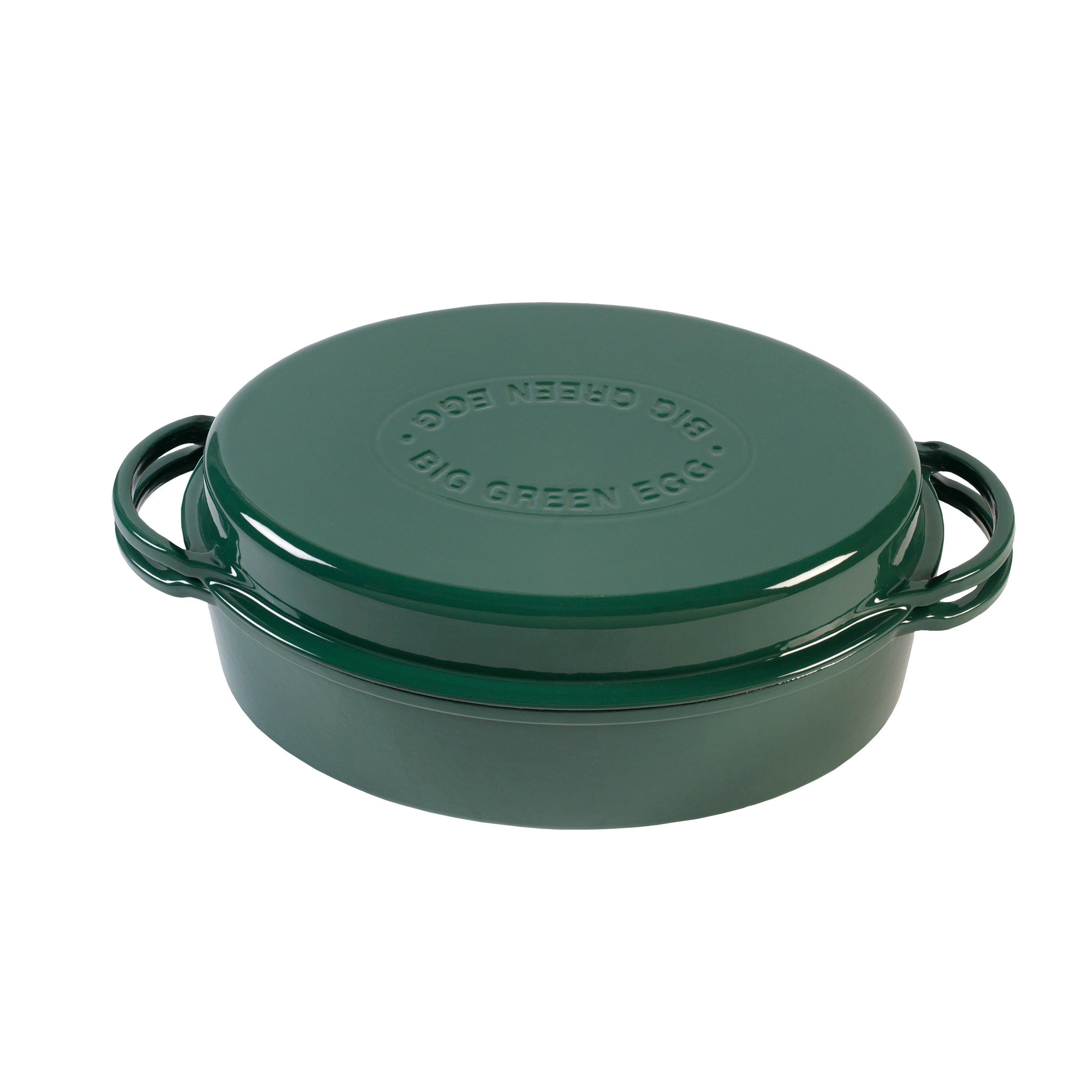
Color options are more than just aesthetic choices for enameled dutch ovens; they can also impact maintenance. Lighter colors like white or cream make it easier to see food residue and adjust cooking temperatures, while darker shades like black or gray hide stains better. Both Le Creuset and Lodge offer a wide palette, allowing you to match your kitchen decor or simply pick a color that brings you joy every time you pull the pot from the cupboard.
Best bare cast iron options
Bare cast iron Dutch ovens rely on polymerized oil for their nonstick surface rather than a glass-like enamel coating. This traditional approach requires more maintenance but offers superior heat retention and a lower price point. For users who prefer the ritual of seasoning and cooking directly on the stovetop, these models deliver professional-grade durability.
Lodge Cast Iron 6-Quart Round Dutch Oven
The Lodge 6-quart model remains the standard for entry-level bare cast iron. It features a smooth finish and a helper handle on the opposite side of the main grip, making it manageable for heavy loads. While it lacks the refined casting of premium brands, its performance is reliable for braising and baking. It is the most accessible entry point for the best dutch oven category without the enamel premium.
Made-In 5-Quart Round Covered Casserole
For those willing to spend slightly more for better casting quality, the Made-In 5-quart casserole is a strong contender. It features a tighter-fitting lid with integrated drip rings and a smoother cooking surface than Lodge. The handles are designed for better ergonomics and oven safety. This option bridges the gap between budget hardware and high-end enameled pots, offering a superior bare iron experience.
Cuisinart Chef's Classic 5-Quart
The Cuisinart Chef's Classic offers a pre-seasoned surface that requires less initial prep than Lodge. Its tri-ply stainless steel handles stay cooler longer during stovetop use, a practical advantage for bare iron which typically conducts heat rapidly. While the lid fit is not as precise as Made-In, it provides a solid mid-tier option for everyday braising and roasting.
Choosing the right size
The 5.5 to 6.5-quart range is the sweet spot for most home cooks. This size handles a whole chicken or a family-sized batch of stew without taking up excessive shelf space. Our testing at Serious Eats found that the Le Creuset 5.5-Quart Round Dutch Oven and the Lodge 6-Quart Essential Enamel performed equally well for standard weeknight meals.
If you cook for four or more people regularly, or if you frequently batch-cook soups and stews, step up to a 7-quart model. This extra volume prevents spills when lifting the heavy lid and allows for better air circulation around large cuts of meat. However, for solo diners or couples, a 4-quart pot is sufficient and easier to store.
Use this checklist to confirm your needs:
- Cooking for 2-3 people? Stick with 4-5 quarts.
- Cooking for 4+ people? Choose 6-7 quarts.
- Batch cooking soups/stews? Go for 7+ quarts.
- Small kitchen? Prioritize 4-5 quarts for storage.
Care tips for longevity
Proper cleaning and storage extend the life of your best dutch oven significantly. The approach differs slightly between enameled and bare cast iron models, so understanding the specific needs of each type prevents unnecessary damage.
Cleaning enameled cast iron
Enameled surfaces are glass-like and resistant to staining, but they can chip if abused. For baked-on residues, fill the pot with water and a drop of dish soap, then simmer on the stove for 10–15 minutes. The heat loosens the food, allowing you to wipe it away with a soft sponge. Avoid abrasive scouring pads or steel wool, which can scratch the enamel finish over time. If stubborn stains remain, a paste of baking soda and water works effectively without damaging the coating.
Cleaning bare cast iron
Bare cast iron requires a more hands-on approach to maintain its seasoning. Avoid dish soap, which strips the polymerized oil layer that provides natural non-stick properties. Instead, use hot water and a stiff brush or chain-mail scrubber to remove food particles. Dry the pot immediately and thoroughly on the stove over low heat to prevent rust. Once dry, apply a thin layer of neutral oil to the interior surface to keep the seasoning intact and the metal protected.
Storage best practices
How you store your dutch oven matters as much as how you clean it. For enameled pots, place a paper towel or cloth between nested lids and pots to prevent chipping and absorb moisture. Never store food in a cast iron pot, especially acidic dishes like tomato sauce, as this can degrade the seasoning or react with the metal over time. Keep both types in a dry place; humidity is the enemy of bare cast iron, leading to rust, while prolonged dampness can damage the enamel’s structural integrity.
Common questions about dutch ovens
Is enamel coating safe for cooking?
Yes. The enamel on the best dutch oven models is glass-based and non-toxic. Unlike bare cast iron, which can leach iron into acidic foods, enameled pots provide a neutral barrier. This makes them ideal for simmering tomato sauces or braising without altering the flavor profile or risking metallic tastes.
Can I use a dutch oven in the oven?
Both enameled and bare cast iron dutch ovens are oven-safe. Le Creuset and Staub models typically withstand temperatures up to 500°F (260°C), while Lodge enameled pots often handle up to 500°F as well. Always check the specific manufacturer’s limit, and avoid sudden thermal shocks by not placing a hot pot directly into cold water.
Which brand lasts the longest?
Durability depends on material and care. Lodge offers affordable, heavy-duty cast iron that lasts generations if seasoned properly. Premium brands like Le Creuset and Staub provide superior enamel finishes that resist chipping better than budget alternatives. As noted in community discussions, even budget enamel pots from Target or Cuisinart can last decades with proper handling.
No comments yet. Be the first to share your thoughts!