
Pick the right size first
If you are only going to buy one Dutch oven, make it a 5- to 6-quart round pot. This is the sweet spot for most home cooks, fitting comfortably in standard ovens and on average stovetops while offering enough room for family-sized meals. It is the workhorse size that prevents buyer's remorse because it handles the vast majority of recipes without being too heavy or cumbersome to lift.
A 5-6 quart pot is big enough to braise a whole chicken or bake a loaf of sourdough bread, yet small enough to store easily in most kitchen cabinets. Going larger, like a 7- or 8-quart model, might sound appealing for large gatherings, but these pots become unwieldy for everyday use. They are often too heavy to stir with one hand and can overwhelm smaller burners, making them less practical for regular weeknight cooking.
The 5-6 quart size strikes the perfect balance between versatility and manageability. It allows you to cook for four to five people with leftovers, which is ideal for meal prepping or feeding a small family. By starting with this standard size, you ensure your Dutch oven is a tool you will actually use regularly, rather than a heavy piece of cookware that sits on a shelf waiting for a special occasion.
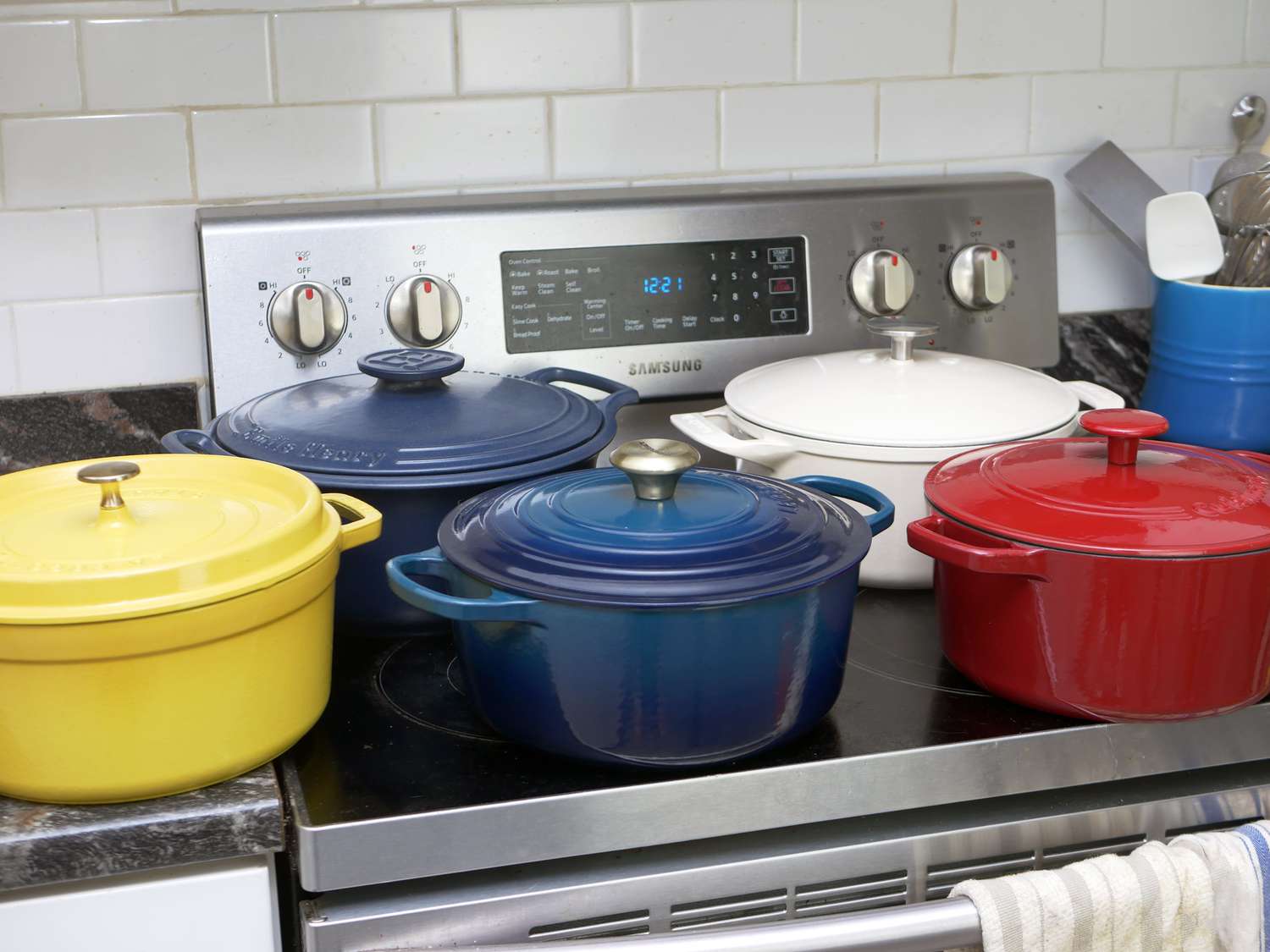
Bare cast iron vs enameled cast iron
Choosing between bare and enameled cast iron comes down to how much you care about maintenance versus convenience. Both materials share the same heavy-duty DNA, but the finishing process changes how they behave in your kitchen.
Bare cast iron is just iron. It’s rugged, affordable, and gets better with age as it builds up a natural non-stick patina. However, that patina requires active care. You can’t just throw it in the dishwasher, and acidic foods like tomato sauce can strip the seasoning if left to simmer too long. It’s the choice for cooks who don’t mind a little ritual for a lifetime of durability.
Enameled cast iron is coated with a glass-like layer fused at high heat. This creates a smooth, non-porous surface that won’t react with acidic ingredients. You can braise a chicken in wine and tomatoes without worrying about metallic tastes or ruining the pot. It’s easier to clean and comes in a rainbow of colors, but the enamel can chip if dropped or slammed shut, and it usually costs significantly more.
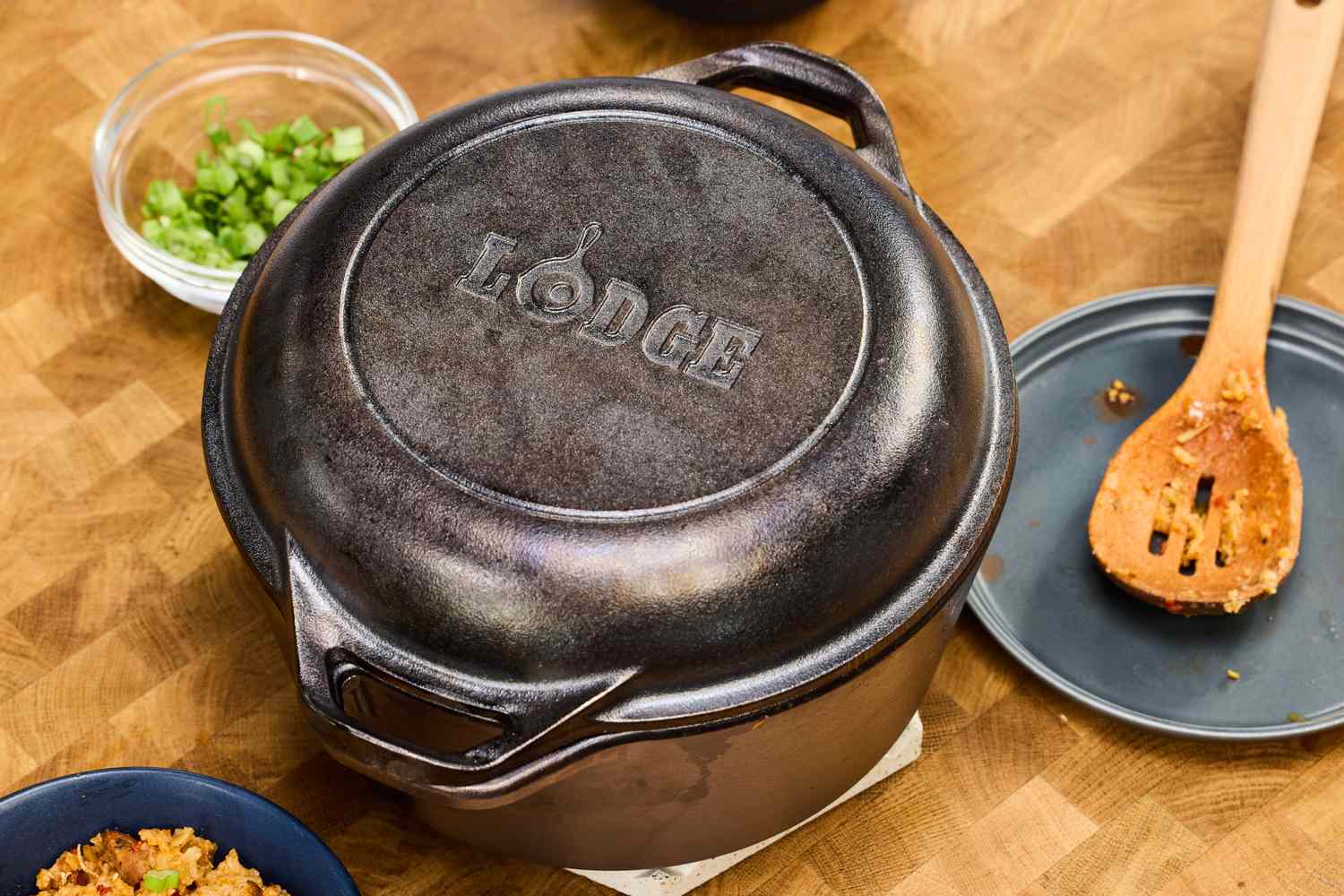
The table below breaks down the practical differences to help you decide which fits your cooking style.
| Feature | Bare Cast Iron | Enameled Cast Iron |
|---|---|---|
| Maintenance | Requires seasoning and hand washing | Dishwasher safe, no seasoning needed |
| Acidic Foods | Can react with tomatoes or wine | Safe for all acidic ingredients |
| Durability | Nearly indestructible, can be re-seasoned | Enamel can chip if dropped or struck |
| Heat Retention | Excellent, heats slowly and evenly | Excellent, similar thermal mass |
| Price | Generally more affordable | Typically more expensive |
Dutch oven picks for every budget
You don’t need to spend a fortune to get a pot that handles everything from Sunday roasts to weekday stews. The best dutch ovens span a wide price range, letting you choose based on how often you cook and what materials you prefer. Whether you want the rugged simplicity of bare cast iron or the easy-clean finish of enameled options, there is a reliable choice for your kitchen.
Budget-friendly basics (Under $100)
If you are just starting out or cooking for one or two people, a smaller 3-quart pot is often all you need. These lighter pots heat up quickly and are easy to store. Look for enameled cast iron options that offer a smooth interior for making sauces or baking bread without the heavy weight of larger models. They handle braising a chicken perfectly well and are forgiving if you accidentally drop a spoon in them.
The reliable workhorse ($100–$200)
This is the sweet spot for most home cooks. A 5-to-6-quart dutch oven fits a whole roast chicken or a large batch of chili comfortably. At this price point, you get durable cast iron with even heat distribution, ensuring your food browns nicely rather than steaming. These pots are built to last decades, making them a practical investment for daily cooking.
Premium performance (Over $200)
For those who cook frequently and want superior heat retention and aesthetic appeal, high-end brands offer exceptional craftsmanship. These pots often feature thicker walls and tighter-fitting lids that lock in moisture, which is ideal for long-simmering stews or artisan bread baking. The enamel finishes are also more resistant to chipping, keeping the pot looking new for years.


As an Amazon Associate, we may earn from qualifying purchases.
Check lid fit and handle comfort
A Dutch oven is only as good as the way it sits on your stove and feels in your hands. You can have the best cast iron or enamel on the market, but if the lid doesn’t seal or the handles are awkward, your cooking experience will suffer. Think about the last time you braised a chicken or baked a loaf of bread. The difference between a dry, uneven result and a tender, perfect one often comes down to how well the pot retains moisture and heat.
The lid seal
A tight-fitting lid is critical for braising; look for self-basting spikes on the underside.
When you’re simmering a stew or roasting vegetables, you want that moisture to stay inside. If the lid is warped or loose, steam escapes, and your food dries out. Try lifting the lid by its knob; it should stay securely in place. If it wobbles or lifts too easily, the seal isn’t tight enough. Some high-quality lids feature self-basting spikes on the underside, which help circulate condensation back onto the food, keeping it moist and flavorful.
Handle comfort
Handles need to be sturdy and easy to grip, even when the pot is full. Look for handles that are riveted or welded securely to the pot. They should be large enough to fit your hand comfortably, especially if you’re wearing oven mitts. If the handles are small or sharp-edged, they’ll be a pain to lift, and you might end up burning yourself or dropping the pot.
Weight and balance
Cast iron Dutch ovens are heavy, but they should feel balanced. If the pot feels top-heavy or uneven, it will be difficult to maneuver. Enameled Dutch ovens are often lighter, which can make them easier to handle, but they may not retain heat as well. Consider how you’ll use the pot. If you’re doing heavy-duty roasting, a heavier pot might be worth the extra effort. If you’re making quick meals, a lighter pot might be more convenient.
Final decision checklist
Choosing the right Dutch oven doesn't have to be complicated. Use this quick checklist to narrow down your options based on your actual cooking habits rather than just specs.
Cast iron holds heat like a champion but needs seasoning to stay non-stick. Enameled cast iron gives you that same even heating without the maintenance, making it easier to clean after acidic dishes like tomato sauce. If you hate scrubbing, go enameled.
For most home cooks, a 5-to-6-quart pot is the sweet spot. It’s big enough to roast a whole chicken or bake a loaf of bread, but small enough to fit in standard ovens and store on crowded shelves. Skip the massive 8-quart versions unless you’re feeding a large family regularly.
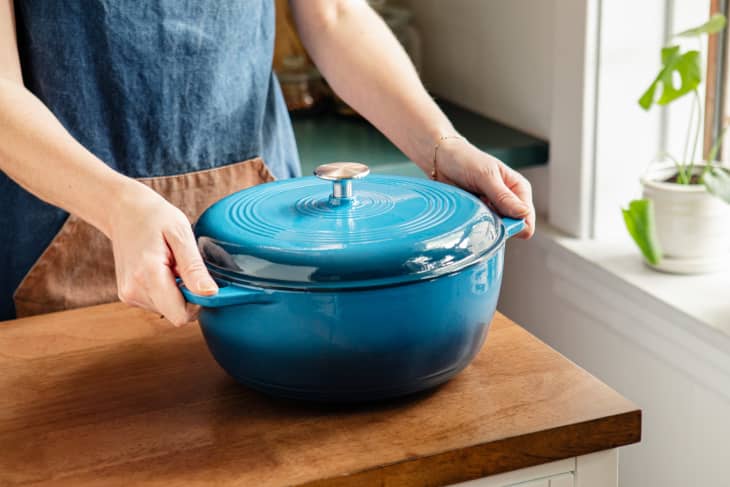
Look for a tight-fitting, heavy lid. A good seal traps moisture, which is essential for tender braised meats and fluffy baked goods. If the lid rattles or feels flimsy, moisture will escape, and your food might dry out.
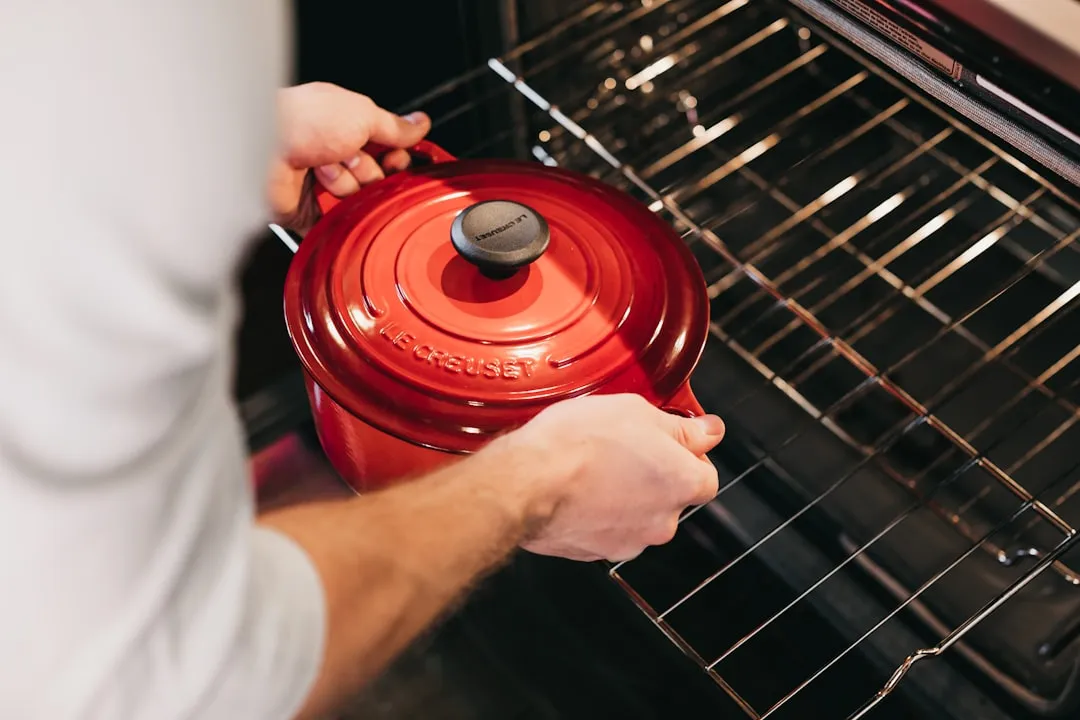
You don’t need to spend a fortune. A well-made Lodge cast iron pot costs under $50 and lasts a lifetime. Premium brands like Le Creuset cost more but offer better enamel durability and color variety. Both options cook food just as well.
Once you’ve checked these boxes, you’re ready to buy. Remember, the best Dutch oven is the one you’ll actually use and care for.
Common questions about dutch ovens
If you are just starting out, the biggest decision is usually between bare cast iron and enameled cast iron. Bare cast iron, like a Lodge, is affordable and durable but requires seasoning to stay non-stick and rust-free. Enameled versions, such as Le Creuset or Staub, come with a glass-like coating that makes them easier to clean and allows you to cook acidic foods like tomato sauces without worrying about metallic tastes or damaging the seasoning.
You can use a Dutch oven on almost any heat source, including induction cooktops, as long as the bottom is flat. They are versatile enough to go from the stovetop to the oven, making them perfect for tasks like braising a chicken or baking crusty bread. Just remember that handles get extremely hot, so always use oven mitts.
While they are heavy, a Dutch oven is built to last a lifetime with proper care. Avoid thermal shock by not plunging a hot pot into cold water, and steer clear of metal utensils on enameled surfaces to prevent chipping. With these simple steps, your Dutch oven will remain a staple in your kitchen for years.
No comments yet. Be the first to share your thoughts!