
Our top dutch oven picks
Choosing the right dutch oven depends on how you plan to use it. Whether you want the durability of classic cast iron or the colorful ease of enamel, we have tested the top options to help you decide. Here are our clear winners for different needs and budgets.
Best overall: Le Creuset Signature Enameled Cast-Iron Dutch Oven
The Le Creuset 5.5-Quart Round Dutch Oven remains our longtime favorite. It aced our tests for searing and stewing, offering the best balance of heat retention and even cooking. The enamel coating makes it easy to clean and resistant to staining, making it a reliable workhorse for everything from braising meats to baking crusty bread.
Best value: Lodge 6-Quart Essential Enamel Dutch Oven
If you want high performance without the premium price tag, the Lodge 6-Quart Essential Enamel is a smart buy. It offers excellent heat distribution and durability that rivals more expensive brands. This option is perfect for home chefs who cook frequently but want to keep their kitchen budget in check.
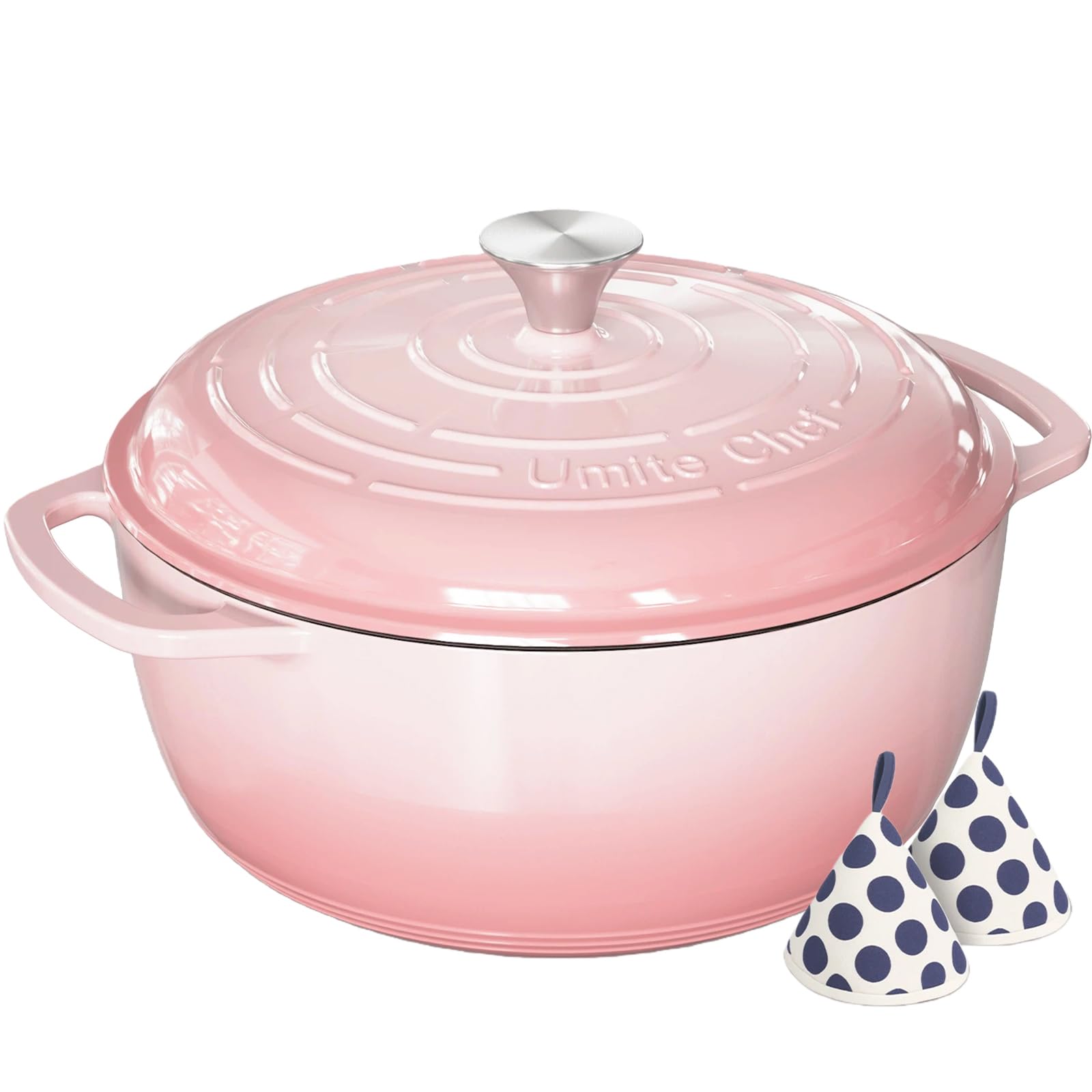
Best budget: Umite Chef Enameled Cast Iron Dutch Oven
For those just starting out or on a tight budget, the Umite Chef Enameled Cast Iron Dutch Oven delivers surprising quality. It ranks among Amazon’s best sellers for a reason, providing solid construction and reliable results at a fraction of the cost of luxury brands. It’s a great entry point for anyone who wants to try cooking with a dutch oven without a huge investment.


As an Amazon Associate, we may earn from qualifying purchases.
Cast iron vs enameled: which to choose
Choosing between raw and enameled cast iron comes down to how you cook and how much effort you want to put in. Both types will last a lifetime if you treat them right, but they behave very differently in the kitchen.
Raw cast iron is the workhorse. It needs seasoning to build a natural non-stick surface and requires hand washing and drying to prevent rust. However, it handles high heat beautifully and is often cheaper. Enameled cast iron has a glass-like coating that makes it non-reactive to acidic foods like tomato sauce and much easier to clean. You can use metal utensils on raw iron, but you should stick to wood or silicone on enamel to avoid chipping.
If you cook a lot of acidic dishes or want a pot that looks good on the table without extra care, enameled is the better fit. For searing steaks, baking bread, or cooking on an open flame, raw cast iron is unmatched in durability and value.
| Feature | Raw Cast Iron | Enameled Cast Iron |
|---|---|---|
| Maintenance | Requires seasoning and drying | |
| Maintenance | Easy to clean, no seasoning | |
| Acidic Foods | Can react with tomato/citrus | |
| Acidic Foods | Safe for all foods | |
| Heat Tolerance | Excellent for high-heat searing | |
| Heat Tolerance | Good, but enamel can chip | |
| Price | Generally more affordable | |
| Price | Higher upfront cost |
The decision really hinges on your cooking style. If you want a low-maintenance pot for daily stews and sauces, the enamel coating is worth the extra cost. If you prefer building a non-stick surface over time and don't mind a bit of care, raw cast iron offers incredible longevity for less money.
How we tested dutch ovens
To find the best dutch oven for your kitchen, we didn’t just look at the price tag. We put 12 popular models through a series of real-world cooking tests that mimic what you do on a regular weeknight or a weekend project. Our goal was to see which pots handle heat evenly, hold up to heavy use, and actually make cooking easier rather than heavier.
We focused on three core tasks: searing, braising, and baking.
Searing meat tests how well the pot handles high heat without warping and how easily the interior cleans up after stuck-on bits. We seared thick-cut steaks and chicken thighs at maximum temperature to check for hot spots and handle heat retention.
Braising involves long, slow cooking with liquid. We simmered beef short ribs and pulled pork to see how well the lid seals in moisture. A good dutch oven should keep the liquid at a gentle simmer without requiring constant monitoring, resulting in tender meat and rich flavor.
Baking bread is the ultimate test of oven-to-table versatility. We baked no-knead loaves to evaluate heat distribution and crust formation. This also tests how the pot looks when it goes from the stovetop to the oven and finally to the dinner table.
What metrics actually matter
Beyond the cooking results, we evaluated features that affect your daily experience:
- Handle comfort: Do the side handles stay cool enough to hold? Are they ergonomic for lifting a 10-pound pot?
- Lid fit: Does the lid sit flush to trap steam? Heavy lids with tight seals make a noticeable difference in braising results.
- Cleaning: Can you scrub it clean without damaging the enamel or seasoning? We tested both dishwasher and hand-washing durability.
- Weight: Cast iron is durable but heavy. Enameled options vary. We noted which ones were manageable for one-handed pouring or lifting.
We also checked for longevity factors like enamel chipping resistance and rust prevention. A dutch oven is an investment, so we looked for signs of wear after dozens of cycles. The best options should still look and perform well years later.
Best budget enameled options
You don’t need to spend $300 to get a reliable enameled Dutch oven. Several brands have nailed the balance of performance and price, offering ovens that handle everything from slow-braised stews to crusty bread with ease. These picks prove that high performance doesn’t require a premium price tag.
Lodge Essential Enamel Cast Iron Dutch Oven
The Lodge Essential Enamel is the clear choice for entry-level buyers. It offers the same heavy cast iron construction as their bare iron lines, now protected by a durable enamel finish. This means you get excellent heat retention without the hassle of seasoning or rust prevention. It’s a workhorse that performs well in daily cooking and is easy to clean.
Tramontina Enameled Cast Iron
Tramontina has earned a reputation for making high-quality cookware at accessible prices. Their enameled Dutch ovens are praised for their smooth enamel interior, which resists staining and makes cleanup a breeze. Many home chefs consider this brand a hidden gem, offering durability that rivals more expensive names without the markup.
Target Brand (Good & Gather) Enameled Cast Iron
For those who prefer shopping locally, Target’s house brand offers a surprisingly capable option. It provides solid heat distribution and a wide range of colors to match any kitchen decor. While it may not have the refined finish of luxury brands, it holds up well over time and is perfect for casual home chefs who want reliability without the fuss.
5 vs 6 Quarts: Which Size Fits Your Kitchen?
Choosing between a 5-quart and a 6-quart Dutch oven often comes down to how many people you feed on a regular night. Think of the 5-quart model as a compact workhorse. It handles two to three servings with ease, making it perfect for small families, couples, or anyone who cooks for themselves but still wants to whip up a hearty stew or a batch of fresh bread. If your counter space is tight or you rarely cook for more than three people, a 5-quart is likely the smarter, more manageable choice.
The 6-quart version, on the other hand, is the standard for most households. It comfortably serves four to six people, which is ideal for weekly meal prep, family dinners, or hosting weekend gatherings. This size offers enough room to sear chicken breasts without crowding the pan and provides ample space for large batches of chili or soup. While it takes up a bit more cabinet space, the versatility of a 6-quart pot means you are less likely to outgrow it as your cooking habits evolve or your family grows.
Care and maintenance tips
Taking care of your Dutch oven is the best way to protect your investment. Whether you have raw cast iron or an enameled pot, a little routine effort keeps it working well for decades. The goal is simple: prevent rust, protect the finish, and store it safely.
Let the pot cool slightly before washing. For enameled Dutch ovens, use warm water, mild dish soap, and a soft sponge. Avoid abrasive scouring pads that can scratch the glossy finish. If food is stuck, soak the pot in warm water for 15 minutes to loosen it. Raw cast iron requires even less fuss—just hot water and a stiff brush. Skip the soap on raw iron to preserve your built-up seasoning layer.
Raw cast iron needs a thin layer of oil to stay non-stick and rust-free. After washing and drying your pot completely, apply a light coat of vegetable oil or flaxseed oil to the entire interior. Heat it in the oven at 400°F (200°C) for an hour, then let it cool inside. Do this once a month, or whenever food starts sticking. This simple ritual turns a basic pot into a natural non-stick surface.
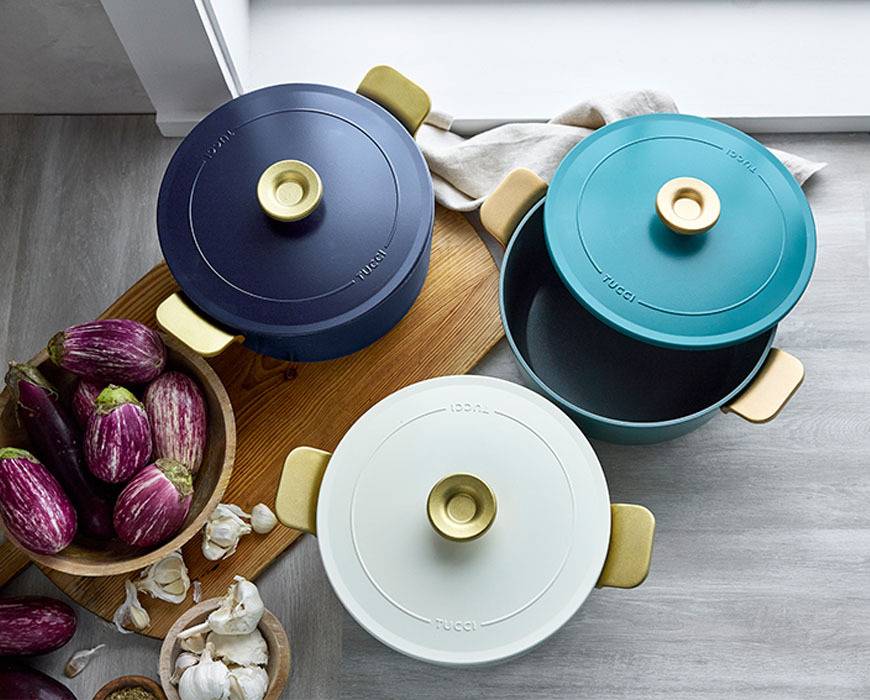
Trapped moisture is the enemy of cast iron. Always ensure your Dutch oven is 100% dry before putting it away. If stacking pots, place a paper towel or cloth between them to allow airflow. Never store the lid tightly closed on raw iron, as this can trap humidity and cause rust spots. Enameled pots are more forgiving but still benefit from being stored in a dry cupboard.
With these three habits, your Dutch oven will outlast cheaper cookware by years. As one home chef noted on Reddit, even budget brands like Lodge or Tramontina last indefinitely if you take care of them. Treat your pot right, and it will serve you well through countless stews and roasts.
No comments yet. Be the first to share your thoughts!