
Best dutch oven picks at a glance
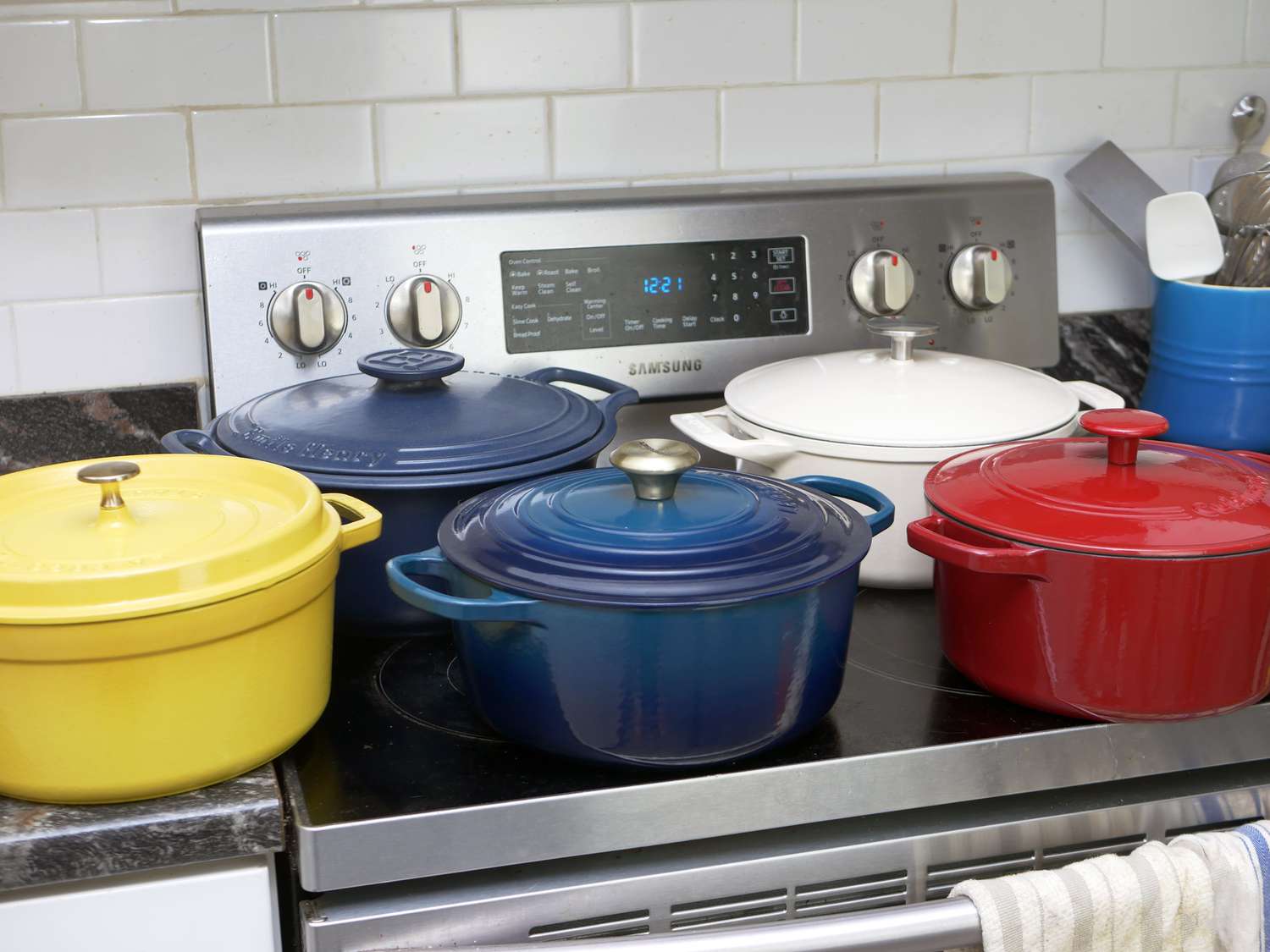
Choosing the best dutch oven often comes down to two main contenders: Le Creuset and Staub. Both brands dominate the enameled cast-iron market, but they offer slightly different cooking experiences. Le Creuset is known for its smooth interior that makes browning meat and cleaning up easy, while Staub features a matte black enamel with self-basting spikes on the lid to return moisture to your food.
For most home cooks, the Le Creuset 5.5-Quart Round Dutch Oven is the top choice. It heats evenly, retains heat exceptionally well, and stands up to years of daily use. If you prefer a slightly heavier lid and don't mind the textured interior, Staub’s Cocotte is a close second. Budget-conscious cooks might look at Lodge, which offers a durable enameled option at a fraction of the price, though it lacks the refined finish of the premium brands.
| Brand | Size | Price | Best For |
|---|---|---|---|
| Le Creuset | 5.5-Quart | $370 | Overall performance |
| Staub | 5.5-Quart | $350 | Braising & stews |
| Lodge | 6-Quart | $50 | Budget buyers |
raw cast iron vs enameled cast iron differences
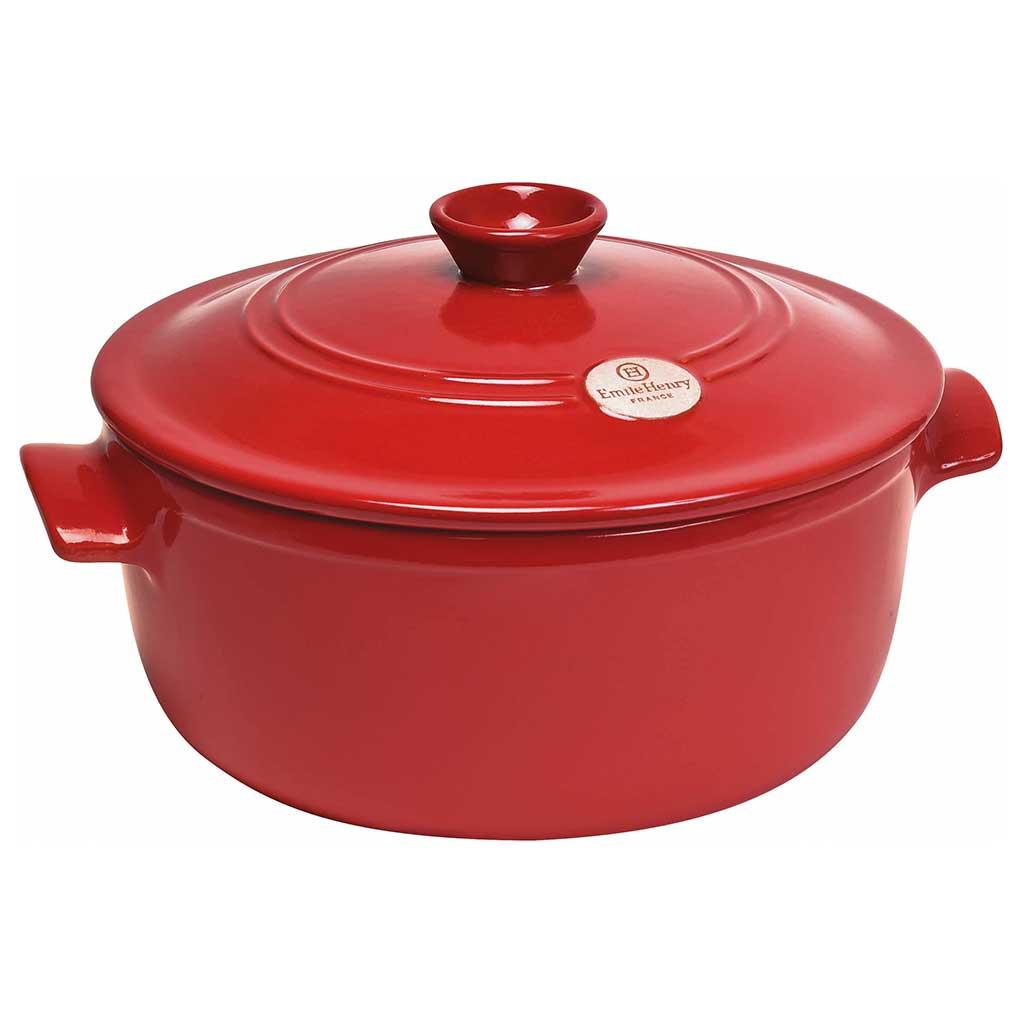
Choosing the best dutch oven often comes down to a single material decision: raw cast iron or enameled cast iron. Both offer exceptional heat retention and durability, but they behave differently in the kitchen. Raw cast iron is porous and requires seasoning to create a natural non-stick surface, while enameled cast iron is coated with a glass-like layer that makes it non-reactive and easier to clean.
Raw cast iron is the traditional choice for searing and frying. It develops a polymerized seasoning layer over time that improves with use. However, it reacts with acidic ingredients like tomatoes or wine, which can strip the seasoning and impart a metallic taste. You also need to avoid abrasive cleaners and dry it thoroughly to prevent rust. It’s a low-maintenance workhorse if you don’t mind the upkeep.
Enameled cast iron solves the acidity problem. The glass coating means you can simmer tomato sauces, deglaze with wine, or cook citrus dishes without worrying about flavor transfer or damaging the pot. It’s also much easier to clean—most stains wipe right out without needing to scrub or re-season. The trade-off is that the enamel can chip if dropped or subjected to extreme thermal shock, and it typically costs more upfront.
which one should you buy?
If you cook acidic dishes frequently or want a pot that requires minimal maintenance, enameled cast iron is the better choice. It’s versatile, beautiful, and forgiving. Raw cast iron is ideal if you prioritize searing performance, want to build a lifetime of seasoning, and don’t mind the extra care. For most home cooks, the convenience of enamel makes it the standout option for a first or primary dutch oven.
| Feature | Raw Cast Iron | Enameled Cast Iron |
|---|---|---|
| Non-stick surface | Requires seasoning | Glass coating (no seasoning needed) |
| Acidic food compatibility | Reactive (can alter flavor) | Non-reactive (safe for tomatoes/wine) |
| Cleaning | Hand wash only, dry immediately | Dishwasher safe, easy wipe-down |
| Durability | Virtually indestructible | Enamel can chip if dropped |
| Heat retention | Excellent | Excellent |
| Cost | Lower upfront cost | Higher upfront cost |
Best enameled dutch oven options
When choosing the best dutch oven, enameled cast iron offers the best of both worlds: the heat retention of raw iron with a non-reactive, easy-to-clean surface. This finish makes it ideal for cooking acidic dishes like tomato sauce or wine-based braises without the metallic aftertaste that can plague uncoated pots. While raw cast iron requires seasoning, enamel is ready to use right out of the box.
The market is dominated by two premium contenders: Le Creuset and Staub. Both are expensive, but they serve slightly different cooking styles. Le Creuset features a smooth, light-colored interior that lets you monitor browning and sauce reduction clearly. Staub, by contrast, has a matte black interior with self-basting spikes on the lid. These spikes condense moisture and drip it back over the food, making Staub excellent for slow braising and roasting, though you can't see what's happening inside as easily.
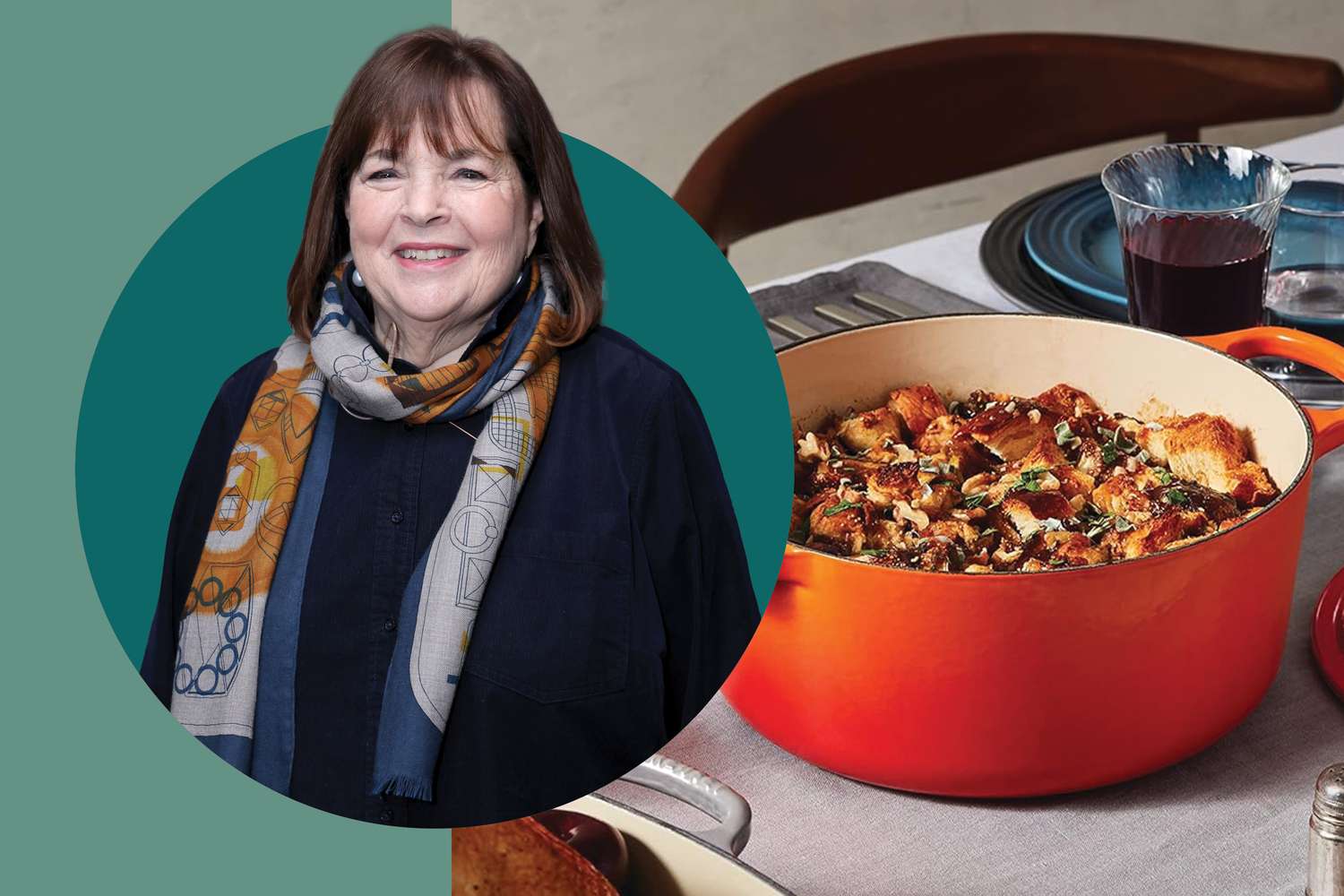
If the price tag of Le Creuset or Staub feels steep, several budget-friendly alternatives deliver impressive performance. The Lodge Essential Enamel is a standout choice, offering heavy-duty construction and a tight-fitting lid for a fraction of the cost. It lacks the vibrant color options of the premium brands, but it sears and simmers just as effectively. Cuisinart and Tramontina also offer reliable enameled options that hold up well to daily use, proving you don't need to spend hundreds to get a durable, versatile pot.


As an Amazon Associate, we may earn from qualifying purchases.
Best raw cast iron dutch oven picks
Raw cast iron remains the gold standard for home cooks who prioritize durability and heat retention over convenience. Unlike enameled options, bare cast iron develops a natural non-stick patina over time, making it ideal for searing steaks, baking crusty bread, and slow-cooking stews. When hunting for the best dutch oven for these heavy-duty tasks, you want thick walls that hold heat evenly and a lid that seals tightly to lock in moisture.
The Lodge 6-Quart Cast Iron Dutch Oven is the most reliable entry point. It offers excellent heat retention and comes pre-seasoned, ready to handle high-heat searing right out of the box. For those willing to invest in a lifetime heirloom, the Staub Cocotte is a powerhouse. Its matte black enameled interior (often grouped with raw iron for its cooking properties) and heavy, tight-fitting lid create a self-basting environment that rivals any raw iron pot for bread baking.
If you prefer the traditional look and feel of raw iron without the enamel, the Marquette Castings Dutch Oven is a standout. Made in the USA, it features a smooth interior that seasons quickly and a lid design that promotes excellent condensation circulation. For budget-conscious cooks, the Tramontina Enameled Cast Iron Dutch Oven offers similar performance to premium brands at a fraction of the cost, though it requires more careful handling to avoid chipping. Each of these options brings distinct advantages, but for pure longevity and heat control, raw or matte-black interiors remain unmatched.
How to choose the best dutch oven size
Selecting the right capacity is the first step in finding the best dutch oven for your kitchen. While a 5-quart model handles weeknight dinners for two to four people, a 7-quart version is essential for larger families, batch cooking, or roasting whole chickens. Most home cooks find the 5- to 5.5-quart range sufficient for daily use, but if you frequently entertain or meal prep, the extra space prevents overcrowding, which is critical for proper browning and heat retention.
When deciding between sizes, consider your typical cooking habits. A 5-quart pot fits comfortably on most standard stovetops and in average ovens, making it a versatile workhorse. However, if you often make large batches of chili, stew, or stock, the 7-quart option offers necessary volume without spilling over the rim. Both sizes from top brands like Le Creuset and Staub feature similar lid fits and enamel quality, so the choice comes down to volume needs rather than performance differences.
Frequently asked questions about dutch ovens
Finding the best dutch oven often comes down to specific concerns about durability, cleaning, and value. Here are direct answers to common questions from home cooks.
No comments yet. Be the first to share your thoughts!