
Beyond the Basics: Why a 'Smart' Dutch Oven?
The dutch oven. It’s a kitchen staple for a reason – its versatility is unmatched. For generations, cooks have relied on these heavy, durable pots for everything from slow-cooked stews to crusty loaves of bread. But now, a new breed of dutch oven is emerging: the "smart’ dutch oven. These aren’t your grandmother"s pots; they incorporate technology like temperature sensors and app integration, promising a more precise and connected cooking experience.
The question is, do you need a smart dutch oven? For many, the traditional method is perfectly adequate. However, these new features can be genuinely helpful for specific tasks and cooks. Imagine perfectly tempered chocolate for candy making, or a braise that’s held at a consistent simmer for hours without constant monitoring. That level of control is what smart dutch ovens aim to provide.
The rise of the smart dutch oven is part of a larger trend: the connected kitchen. We’re seeing more and more appliances offering app control, remote monitoring, and data-driven insights. Whether this is a positive development depends on your individual needs and preferences. This guide, informed by resources like GreenPan’s ultimate buying guide and testing from Serious Eats, aims to help you navigate this evolving landscape and determine if a smart dutch oven is right for you.
Temperature Sensors: Precision Cooking Explained
At the heart of a smart dutch oven lies the temperature sensor. These sensors continuously monitor the temperature inside the pot, providing real-time data to the accompanying app or a built-in display. But how do they work, and how accurate are they? Most sensors use a thermocouple or a resistance temperature detector (RTD) to measure temperature based on changes in electrical properties. The accuracy can vary, but many models claim an accuracy of within +/- 2°F.
The benefits of precise temperature control are significant, particularly for delicate cooking processes. Braising, for example, benefits from a consistent simmer – too high, and the meat will become tough; too low, and it won’t break down properly. Similarly, bread baking requires precise oven spring, and temperature sensors can help you achieve it. Candy making is perhaps the most obvious application, as even slight temperature fluctuations can ruin a batch.
Distinguish between internal food temperature probes and sensors built into the pot. Food probes offer a more accurate reading of the food's internal temperature, while pot sensors measure the cooking environment. Some smart dutch ovens include both. Long-term reliability is a potential concern. Sensors can drift over time, requiring calibration or eventual replacement. GreenPan’s buying guide notes checking sensor specifications before purchasing.
The placement of the sensor also matters. A sensor near the bottom of the pot will read a different temperature than one near the top. Understanding where the sensor is located and how it’s affected by the heating element is crucial for interpreting the data correctly.
- Braising: Maintain a consistent simmer for tender results.
- Bread Baking: Achieve optimal oven spring and crust formation.
- Candy Making: Ensure accurate sugar crystallization for perfect confections.
Dutch Oven Temperature Sensor Placement: A Comparative Analysis (Projected for 2026)
| Sensor Location | Accuracy | Ease of Cleaning | Responsiveness | Cost |
|---|---|---|---|---|
| Lid-Integrated | Medium | Medium | Medium | Medium |
| Pot Wall-Integrated | Medium | High | Medium | Low |
| Internal Probe | High | Low | High | High |
| Lid-Integrated (Wireless) | Medium | Medium | Medium | Medium-High |
| Pot Wall-Integrated (Multiple Sensors) | Medium-High | High | Medium | Medium |
| Internal Probe (Bluetooth Enabled) | High | Low | High | High |
| Hybrid (Lid & Internal Probe) | High | Low | High | High |
Illustrative comparison based on the article research brief. Verify current pricing, limits, and product details in the official docs before relying on it.
App Integration: What Does Connectivity Offer?
App integration is where the "smart’ in a smart dutch oven really comes into play. These apps, typically available for iOS and Android, connect to the pot via Bluetooth or Wi-Fi, unlocking a range of features. Remote monitoring allows you to check the cooking temperature from your phone, which can be useful if you"re multitasking or away from the kitchen. Pre-set cooking programs offer automated control for common recipes, while recipe integration provides step-by-step guidance.
Alerts are another key feature, notifying you when the pot reaches a specific temperature or when the cooking time is complete. Some apps also allow you to adjust the temperature remotely, although this functionality may be limited for safety reasons. Be realistic about what these apps actually do. Many are little more than glorified timers with temperature readouts.
Serious Eats’ testing of smart dutch ovens revealed a wide range in app usability. Some apps are intuitive and well-designed, others are clunky and frustrating. Data privacy is a concern. These apps collect data about your cooking habits; understand how that data is used and protected. Software updates can break functionality, so ensure the manufacturer provides ongoing support.
The convenience of app integration is undeniable, but it's essential to consider whether the benefits outweigh the potential drawbacks.
Decoding the Data: Understanding Temperature Graphs & Alerts
Many smart dutch ovens present temperature data in the form of graphs, showing how the temperature has changed over time. Learning to interpret these graphs is key to maximizing the benefits of your smart pot. A stable temperature curve indicates consistent heat, which is ideal for slow cooking and braising. Fluctuations, on the other hand, may suggest that the heat source is cycling on and off frequently.
Sudden spikes in temperature could indicate scorching or burning, while a gradual decline suggests that the heat source is weakening. Alerts can be incredibly helpful in preventing these issues, notifying you when the temperature deviates from your desired range. However, alerts are only as good as the thresholds you set. If your alerts are too sensitive, you’ll be bombarded with notifications; if they’re too lenient, you might miss critical warnings.
It’s crucial to remember that a smart dutch oven is a tool, not a replacement for culinary knowledge. Understanding the underlying cooking principles – how heat transfer works, how different ingredients respond to temperature – is still essential. Don’t rely solely on the data provided by the app; use your senses to assess the food and adjust accordingly.
Current Models: A Snapshot of What's Available (2024-2025)
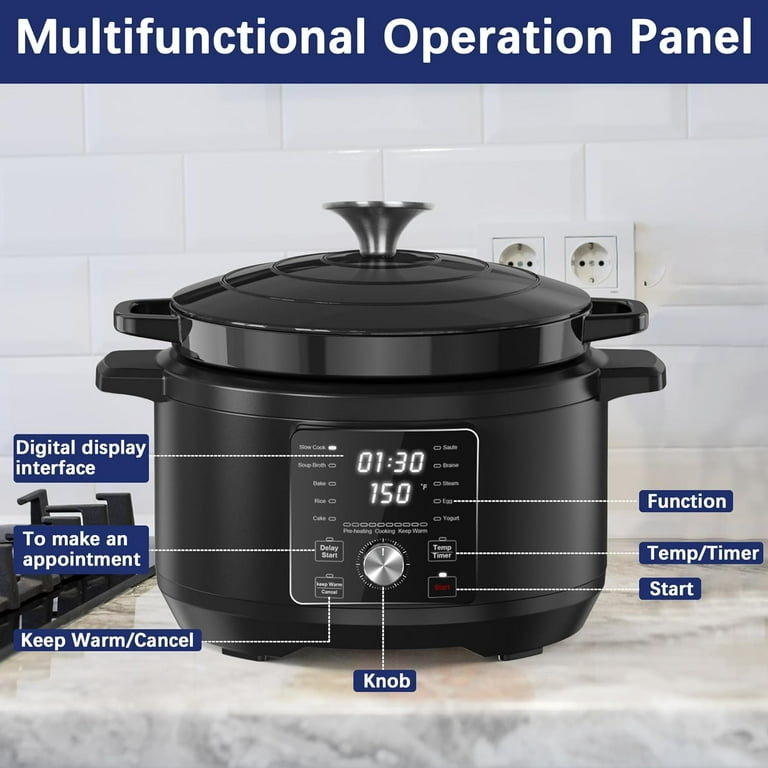
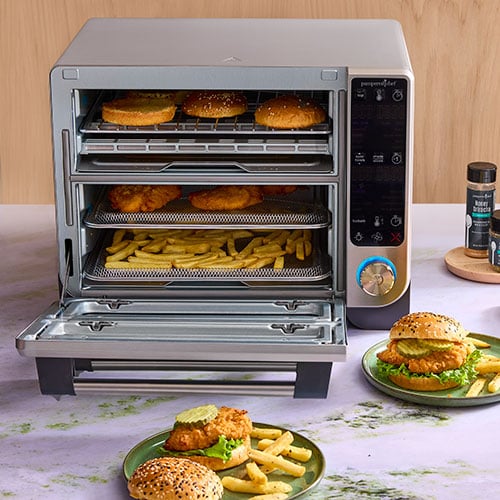
The market for smart dutch ovens is still relatively new, but several models are currently available. The Brava Smart Oven, while not a traditional dutch oven, offers similar functionality with precise temperature control and app integration, priced around $1,495. Some newer enameled dutch oven models are beginning to integrate basic temperature sensing, often in the $300-$500 range. The Instant Pot Pro Plus Smart Cooker includes temperature control and app connectivity, but is a multi-cooker rather than a dedicated dutch oven.
Serious Eats’ reviews highlight the challenges of comparing these models, as features and performance vary significantly. Early smart dutch ovens focused heavily on app integration, but some users found the apps unreliable or buggy. More recent models focus on improving sensor accuracy and simplifying the user interface.
Emerging brands offer more affordable options. Exercise caution when considering these brands, as their long-term reliability and support may be uncertain. As of late 2025, no dominant player in the smart dutch oven space has emerged.
Top Smart Dutch Ovens with Advanced Features for 2026
Integrated temperature probes · Wi-Fi and Bluetooth connectivity · Guided cooking programs
This Dutch oven directly integrates smart temperature sensing and app control, offering a comprehensive solution for connected cooking.
Integrated temperature sensors · Bluetooth connectivity · Remote monitoring via app
While an outdoor cooker, its advanced integrated temperature sensing and app connectivity demonstrate the potential for smart features in larger cooking vessels.
Wireless meat thermometer with Bluetooth · Long range (up to 165ft) · App-based temperature monitoring
This accessory provides wireless temperature monitoring for any Dutch oven, enabling app integration and precise cooking without direct supervision.
Four Pro-Series Air/Food Probes · Wi-Fi and Bluetooth connectivity · Large LCD display
This system offers robust multi-probe temperature tracking and app connectivity, ideal for users seeking precise control over multiple cooking points within a Dutch oven.
As an Amazon Associate I earn from qualifying purchases. Prices may vary.
The Future of Smart Dutch Ovens: What to Expect by 2026
By 2026, expect continued innovation in smart dutch ovens. More accurate and reliable temperature sensors are likely, potentially using advanced technologies like infrared or laser sensors. Improved app integration with other smart kitchen devices – such as smart ovens and refrigerators – is also on the horizon. Imagine your smart dutch oven automatically adjusting the temperature based on the recipe.u’ve selected in your smart oven.
Voice control, powered by assistants like Alexa and Google Assistant, could become more common, allowing you to adjust the temperature or check the progress of your dish hands-free. AI-powered cooking suggestions, based on your past cooking habits and preferences, are another possibility. While fully automated cooking – where the pot automatically adjusts the temperature and cooking time – is still a ways off, it’s not entirely out of the realm of possibility.
However, there are also potential challenges to overcome. Security vulnerabilities, data privacy concerns, and the cost of these features could all hinder adoption. The need for standardized data formats and communication protocols will also be crucial for seamless integration with other smart kitchen devices.
High-End Smart Dutch Oven Price Prediction 2026
Bull / Base / Bear scenario analysis
| Timeframe | Bull Case | Base Case | Bear Case | Key Driver |
|---|---|---|---|---|
| 1 Month | $680-750 | $460-670 | $420-580 | Holiday season demand and early adopter premium |
| 3 Months | $720-820 | $480-690 | $400-550 | Market penetration of app integration features |
| 6 Months | $650-780 | $420-620 | $350-500 | Production scale economies and competitive pressure |
| 1 Year | $580-720 | $380-580 | $320-450 | Technology commoditization and market maturation |
Price Prediction Summary
Smart Dutch oven prices expected to follow typical consumer electronics adoption curve - initial premium pricing followed by gradual decline as technology matures and competition increases. Temperature sensor integration and app connectivity will drive early premium, but mass production should normalize pricing by year-end.
Key Factors Affecting High-End Smart Dutch Oven Stock Price
- Consumer adoption rate of smart kitchen appliances
- Manufacturing scale and component cost reduction
- Competitive landscape from traditional cookware brands
- Economic conditions affecting discretionary spending
Disclaimer: Predictions are speculative and not financial advice. Stock price predictions are based on current market analysis and may vary significantly due to market volatility, economic conditions, and other unpredictable factors. Always do your own research before making investment decisions.
Troubleshooting & Maintenance: Keeping Your Smart Dutch Oven Running
Even smart dutch ovens require maintenance. Sensor calibration may be necessary over time to ensure accurate readings. App connectivity problems can often be resolved by restarting the app or the pot, or by updating the software. Software updates are crucial for security and functionality, so be sure to install them promptly.
Proper cleaning and maintenance are essential for the longevity of both the pot and the electronic components. Avoid using abrasive cleaners, which can damage the enamel coating. Regularly inspect the sensor for any signs of damage or corrosion. Remember that even the smartest dutch oven is still a piece of cookware – treat it with care, and it will reward you with years of delicious meals.
The cooks at Wirecutter spent hours searing, braising, steaming and sautéing to find a Dutch oven that can turn out savory stews, tender meat and crusty bread for years to come. https://t.co/5PeKv6WhbX
— The New York Times (@nytimes) December 31, 2023

No comments yet. Be the first to share your thoughts!